By Penelope Bass
July 10, 2026
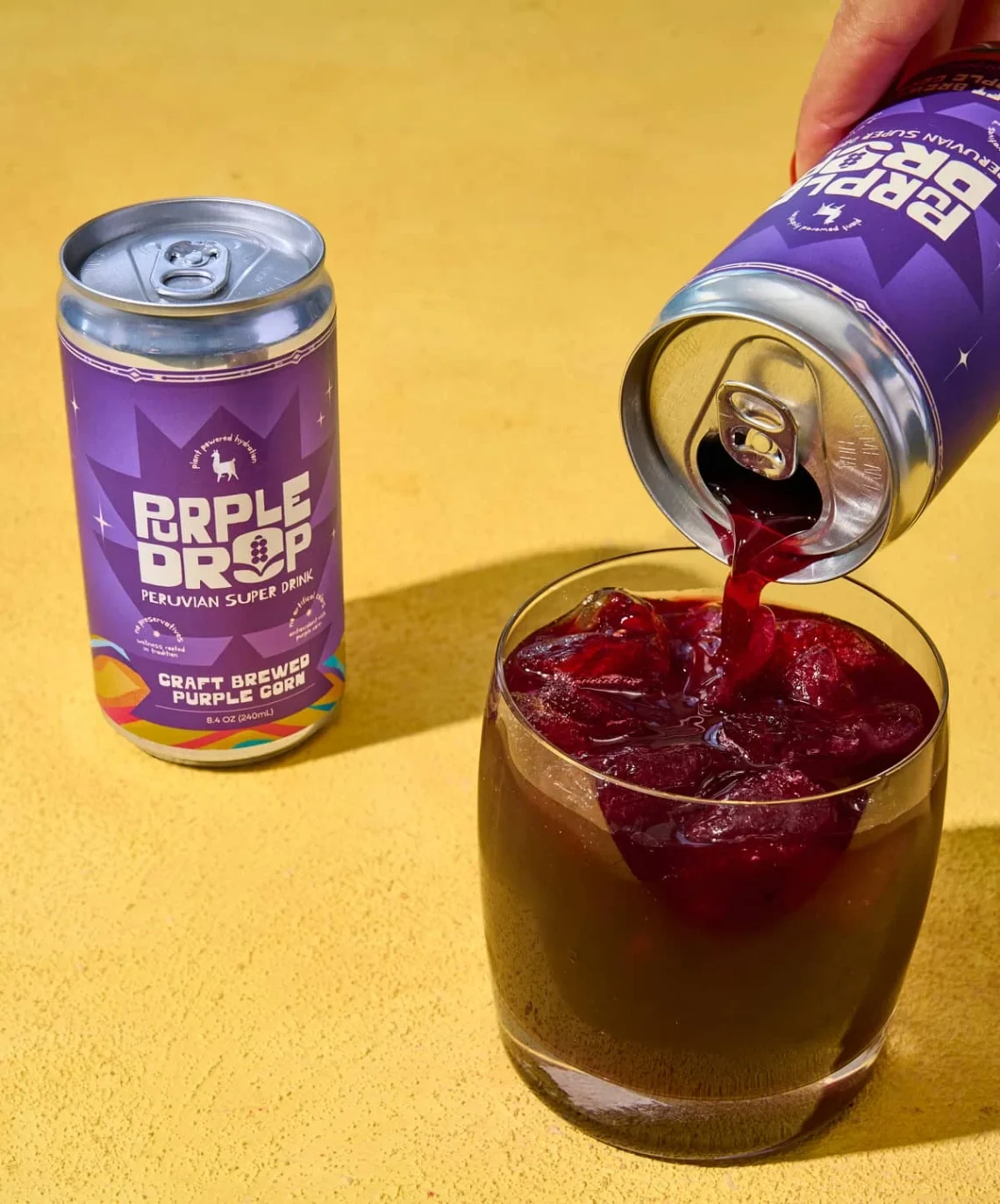
The ready-to-drink (RTD) beverage sector has long been characterized by a deluge of carbonated hard seltzers, canned cocktails, and hyper-caffeinated energy boosters. In an era where a new SKU hits the virtual shelves of direct-to-consumer platforms and physical retail aisles with dizzying frequency, it is increasingly difficult for independent brands to cut through the noise. However, every so often, a product emerges that manages to bridge the gap between historical authenticity and modern convenience. Enter Purple Drop, a self-described "Peruvian Super Drink" that is currently shifting the narrative on what a functional, shelf-stable beverage can be.
The Core Concept: A Legacy Reimagined
Launched in the spring of 2026, Purple Drop is more than just another entry in the beverage aisle; it is a direct homage to chicha morada, the iconic, centuries-old Peruvian beverage crafted from purple corn. The brand was founded by Maria and Roger Velasquez, who sought to capture the essence of the drink Roger’s mother prepared for him during his childhood.
At its heart, the product is a study in simplicity. By stripping away the artificial additives and overly complex chemistry that define many mass-market RTDs, the Velasquezes have managed to distill the essence of a traditional recipe into a portable, accessible format. The base—Peruvian purple corn—is steeped with a precise blend of pineapple and lime juices, aromatic cinnamon, and warming cloves, lightly sweetened with agave nectar.
Chronology of a Culinary Heritage
To understand the significance of Purple Drop, one must first look back at the origins of chicha morada. Historically, the consumption of purple corn (maíz morado) dates back to the pre-Incan civilizations of the Andean highlands. For these cultures, the purple corn was not merely a dietary staple; it was a revered botanical component used for both nourishment and ritual.
- Pre-Columbian Era: The cultivation of purple corn spread across the Andes. The kernels, rich in natural pigments, were boiled with fruit and spices, forming the foundation of what would become the national drink of Peru.
- The Early 2000s: As the global palate began shifting toward "superfoods" and plant-based nutrition, Andean ingredients like quinoa and maca gained international traction. However, chicha morada remained largely relegated to Peruvian restaurants or home kitchens, requiring significant preparation time—boiling the corn, straining, and balancing the spice profiles.
- 2025 – The Development Phase: Maria and Roger Velasquez began formalizing their business plan. The challenge was to maintain the integrity of the home-cooked flavor profile while transitioning to a scalable, shelf-stable manufacturing process that preserved the vibrant color and antioxidant integrity of the corn.
- Spring 2026 – The Launch: Purple Drop officially hit the market, positioning itself as a "Super Drink" that balances heritage with the high-speed requirements of modern urban life.
Supporting Data: The Science of the "Purple" Benefit
The vibrant, saturated hue of the drink is not a cosmetic choice; it is a direct indicator of its chemical composition. The drink is exceptionally rich in anthocyanins—a class of water-soluble pigments found in various fruits and vegetables that are responsible for the deep red, blue, and purple hues of plants.
Recent studies, such as those cataloged by the National Center for Biotechnology Information (NCBI), have underscored the potential health benefits associated with a diet high in anthocyanins. These antioxidants are prized for their role in combating oxidative stress and supporting cardiovascular health. By utilizing purple corn as the primary ingredient, Purple Drop taps into a growing consumer demand for "functional beverages"—drinks that provide more than just hydration or a sugar rush, but rather a tangible, health-forward benefit.
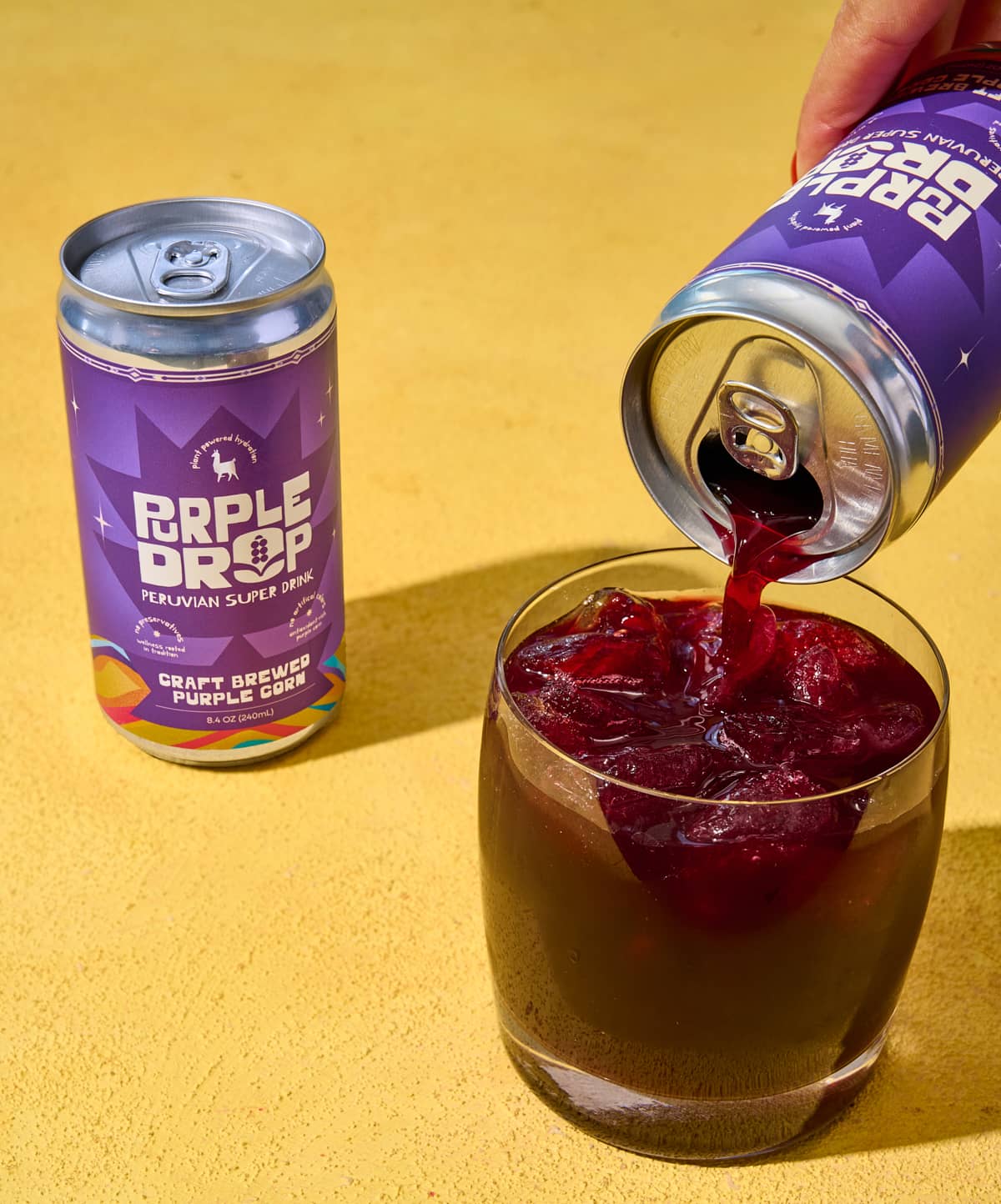
Unlike many commercial fruit punches that rely on Red Dye No. 40 or high-fructose corn syrup, Purple Drop’s ingredient list reads like a grocery list rather than a chemistry experiment. This transparency has proven to be a significant market differentiator in 2026, as consumers continue to scrutinize labels with greater rigor than ever before.
Official Responses and Industry Reception
Industry analysts have noted that Purple Drop’s entry comes at an opportune moment. The RTD market, currently valued at billions of dollars globally, is seeing a "premiumization" trend. Consumers are moving away from the "hard seltzer bubble" and toward beverages that offer complex, natural flavor profiles.
"What Maria and Roger have achieved is the democratization of a cultural staple," says one industry consultant. "They haven’t ‘Americanized’ the drink to the point of losing its soul. They’ve respected the recipe’s roots while acknowledging that the modern consumer needs a grab-and-go solution."
When asked about the challenges of scaling a traditional recipe, the founders have emphasized the difficulty of maintaining the "cinnamon-clove-fruit" balance at scale. "The recipe had to be perfect," Roger Velasquez noted in recent interviews. "We couldn’t compromise on the corn quality, as that is the backbone of the flavor. If the base isn’t right, the spices overwhelm the palate. We spent months testing the infusion process to ensure the final product tastes exactly like a glass poured from a pitcher in a Lima kitchen."
Implications for the Beverage Landscape
The success of a product like Purple Drop holds significant implications for the broader beverage industry.
1. The Rise of "Global-Local" Beverages
We are seeing a shift where regional favorites—like Mexico’s tepache, Japan’s yuzu drinks, or Peru’s chicha morada—are being adapted into the global RTD framework. This allows for cultural exchange through the palate, providing consumers with a taste of global traditions without the barrier of complex preparation.
2. Functional Sophistication
Purple Drop represents a pivot toward "natural" functionality. Consumers are increasingly skeptical of synthetic vitamin-fortified waters and are instead turning toward ingredients that have inherent nutritional value, such as anthocyanin-rich grains and raw spices.
3. Sustainability and Sourcing
As the brand grows, the implications for supply chain management become paramount. Sourcing authentic purple corn from the Andean regions at scale requires a sustainable relationship with farmers. If the brand continues its current trajectory, it could set a template for how niche cultural brands can scale while maintaining an ethical supply chain.
Tasting Notes: A New Category of Refreshment
For those unfamiliar with the flavor profile, Purple Drop defies easy categorization. It is not a soda, nor is it a traditional juice. It possesses the body of a fruit-forward infusion, with a finish that is clean, slightly earthy, and subtly spiced.
- The Palate: The initial notes are dominated by the tart, bright acidity of the lime, quickly followed by the deeper, berry-like notes of the purple corn.
- The Finish: The baking spices—cinnamon and clove—provide a lingering warmth that keeps the drink from being too saccharine, making it an ideal candidate for pairing with food.
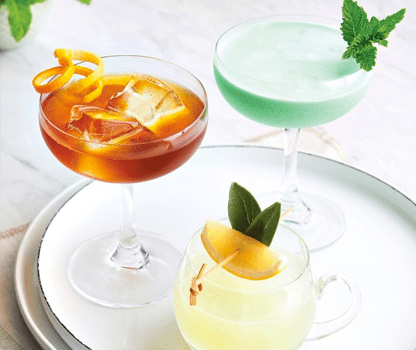
Beyond its consumption as a standalone beverage, mixologists are already experimenting with the liquid as a high-quality mixer. Its intense color and stable flavor profile make it a compelling base for non-alcoholic cocktails, or "mocktails," as well as a vibrant additive to spirits like Pisco, gin, or light rums.
Conclusion: Looking Ahead
As the summer of 2026 heats up, the market for "Peruvian Super Drinks" seems set to expand. With a price point of $35.94 for a 6-pack, Purple Drop is positioning itself as an accessible luxury—a treat that offers both convenience and a touch of the extraordinary.
Whether the brand can maintain its artisanal feel while navigating the pressures of mass retail remains to be seen. However, if the current consumer response is any indication, there is a clear appetite for beverages that are as rooted in history as they are in modern convenience. Purple Drop serves as a timely reminder that the most innovative ideas are often those that have been sitting in our kitchens for generations, just waiting for the right moment to be shared with the world.
For the curious consumer, the brand is currently available via their website, thepurpledrop.com, where the founders hope to continue expanding the reach of their family’s traditional recipe, one purple can at a time.