In the landscape of modern nutrition, a persistent question plagues the health-conscious consumer: If one chooses to indulge in an "unhealthy" meal, is there a nutritional "antidote" capable of mitigating the immediate physiological damage? As we navigate a food environment saturated with high-fat, processed, and artery-constricting options, emerging research suggests that our dietary choices—specifically the inclusion of whole plant foods—can profoundly influence the structural integrity and functional health of our cardiovascular system.
Main Facts: The Vascular Divide
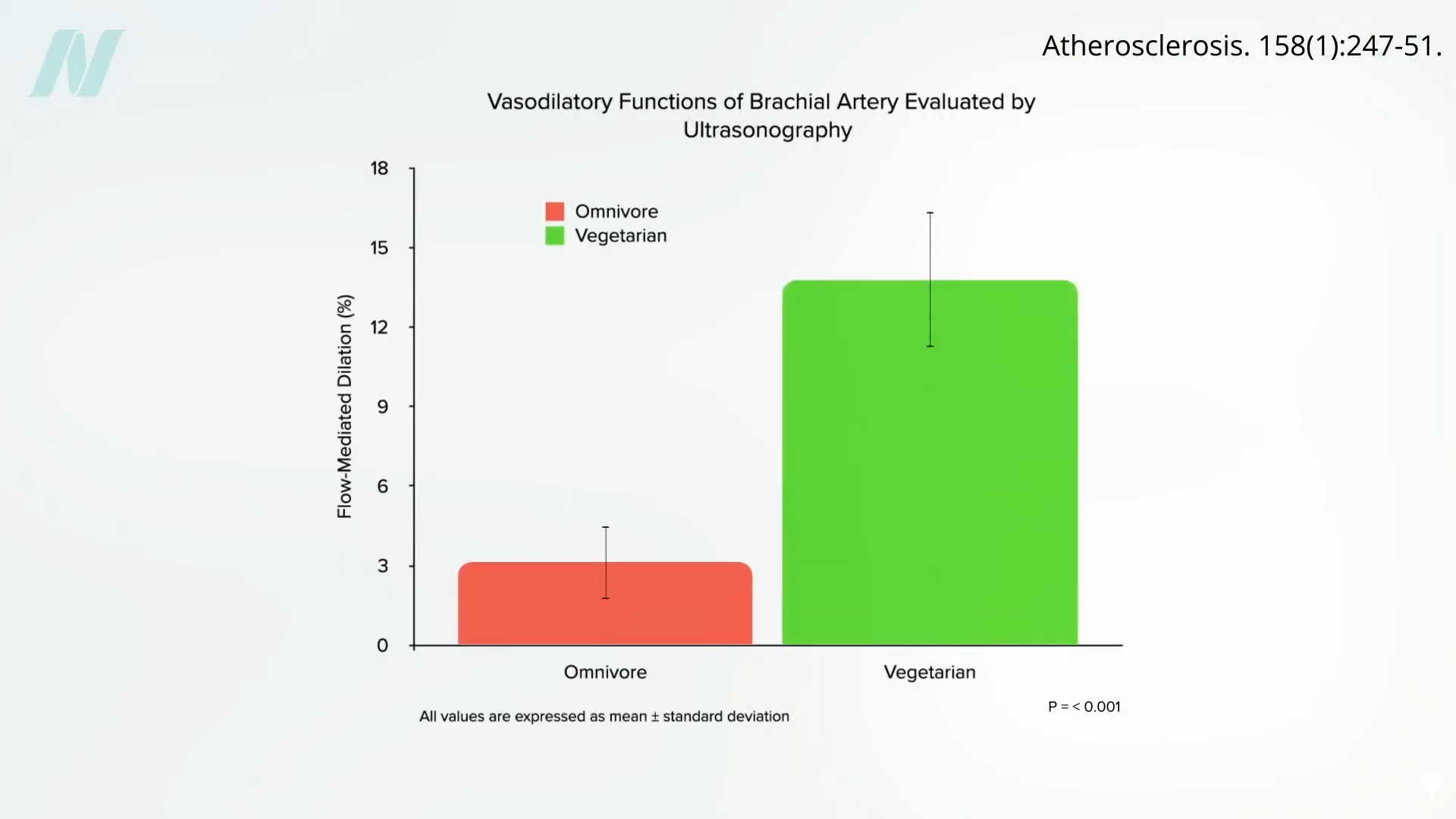
The fundamental disparity between the vascular health of vegetarians and omnivores has long been a subject of intense scientific scrutiny. When comparing the endothelial function—the ability of arteries to dilate and facilitate optimal blood flow—vegetarians consistently outperform their meat-eating counterparts. Data indicates that arterial dilation is roughly four times more efficient in those adhering to a plant-based lifestyle.
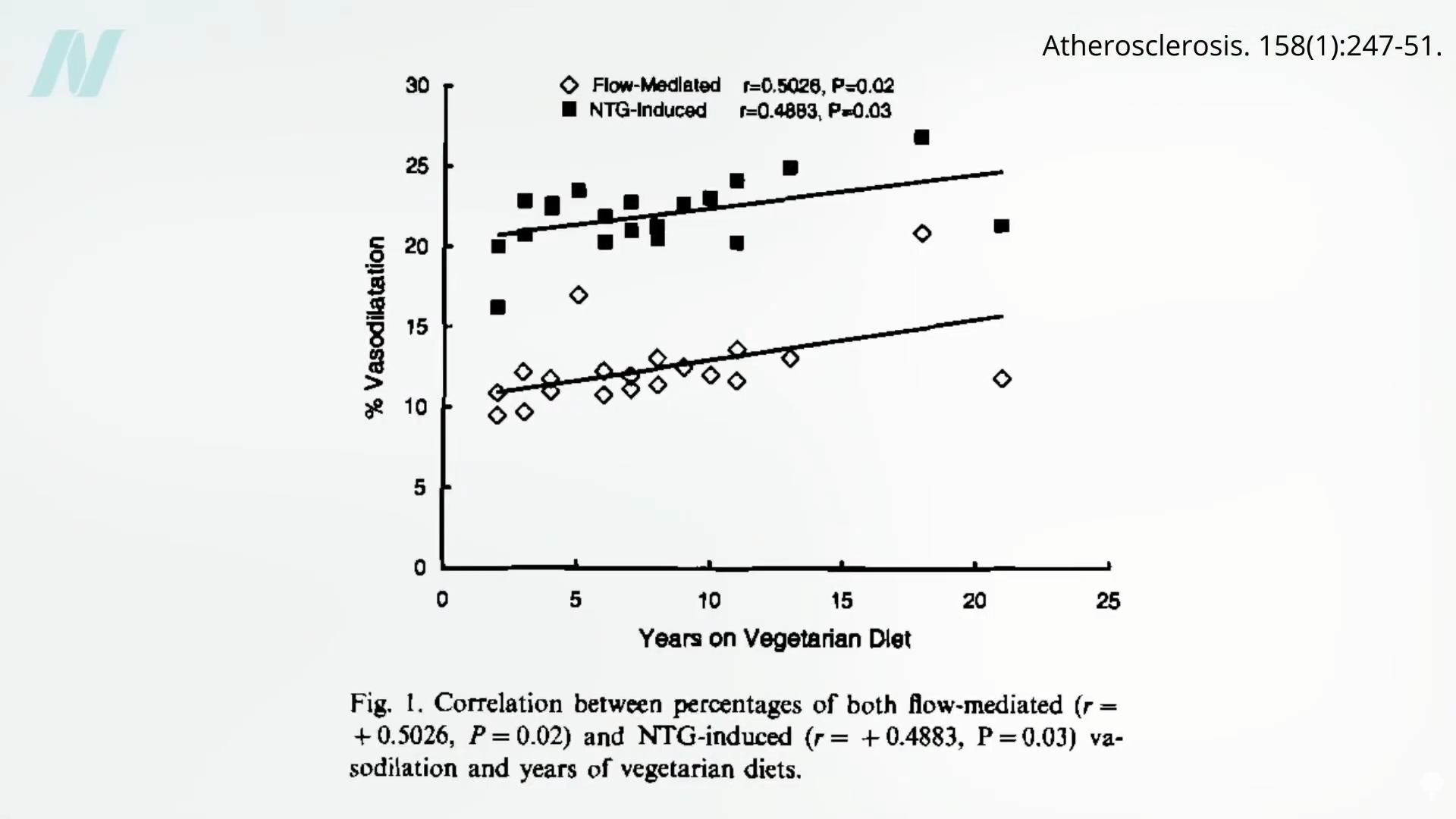
While it is easy to dismiss this difference as a byproduct of external variables—such as the fact that vegetarians are often leaner, smoke less, and exercise more—researchers have gone to great lengths to control for these factors. In studies comparing "healthy" meat-eaters (those with similar body mass indices, blood pressure, and cholesterol levels) to vegetarians, the disparity remains. The evidence suggests that the benefit is cumulative: the longer an individual remains meat-free, the better their arterial function becomes, defying the typical age-related decline in vascular elasticity. This implies that a plant-based diet acts not merely as a passive avoidance of toxins, but as an active, restorative mechanism for the vascular system.

Chronology of Research: From Fast Food to Fruit
To understand how specific foods influence the body, scientists have utilized "challenge meals"—controlled, high-fat, high-sodium interventions—to observe how quickly arteries react to dietary stress.
The Impact of the "Junky" Meal
In early studies comparing high-fat fast-food meals (such as Egg McMuffins and hash browns) against sugary, low-fat cereals, researchers found that the fatty meals induced rapid, measurable impairment of arterial function within mere hours. Interestingly, the sugary meal did not produce the same deleterious effect, pointing the finger of blame squarely at fat. However, this is a nuanced finding; high-fat whole plant foods, such as walnuts, do not trigger this inflammatory response. This suggests that the problem is not fat per se, but specifically animal fat.
The Berry Intervention
Following the discovery that certain foods could cripple the arteries, the scientific community began testing "rescue" foods to see if they could blunt the impact.
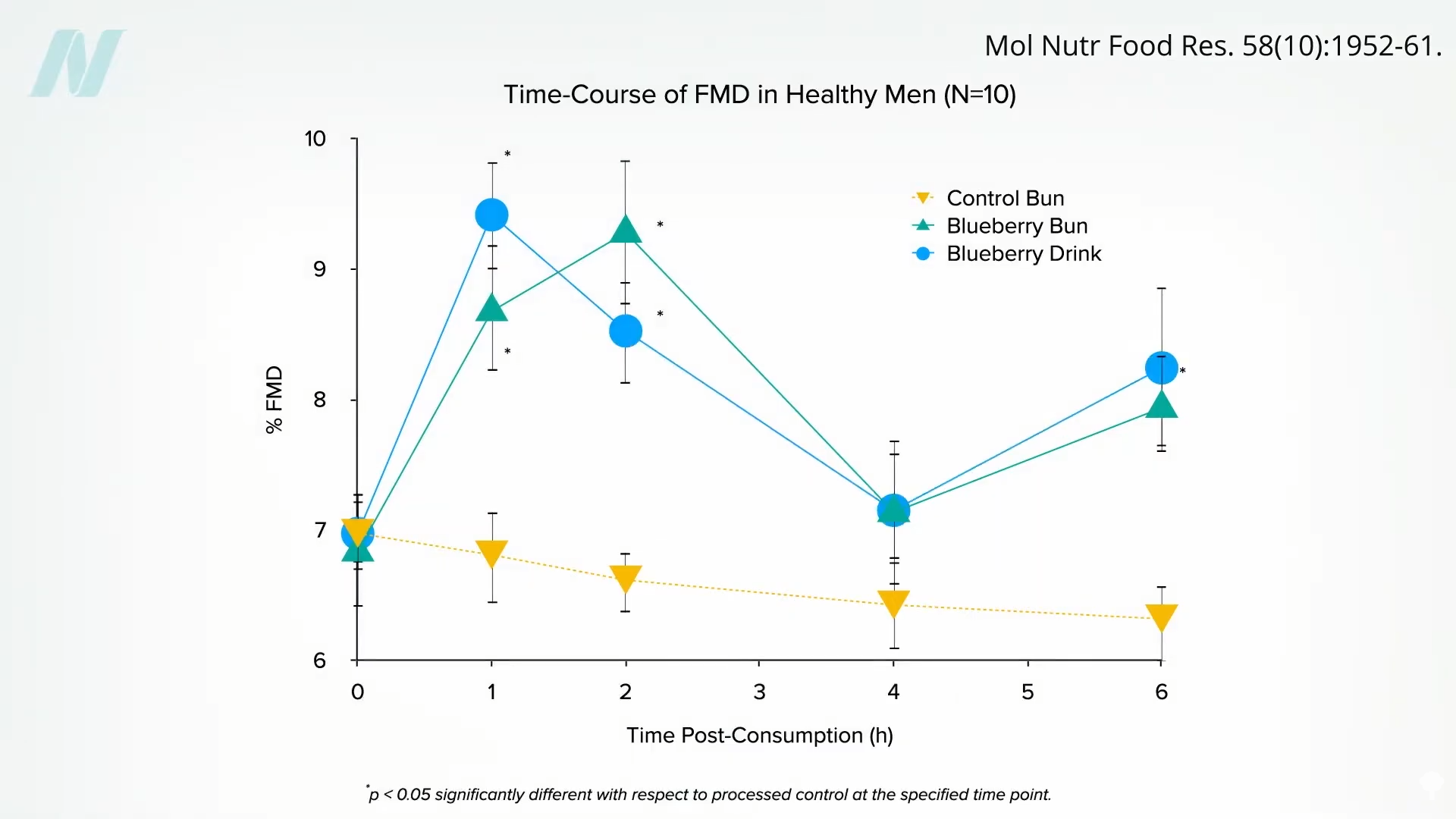
- Blueberries: A randomized, controlled crossover trial revealed that while a pastry high in sugar and eggs caused a six-hour decline in arterial function, adding one cup of wild blueberries to the meal significantly boosted arterial health.
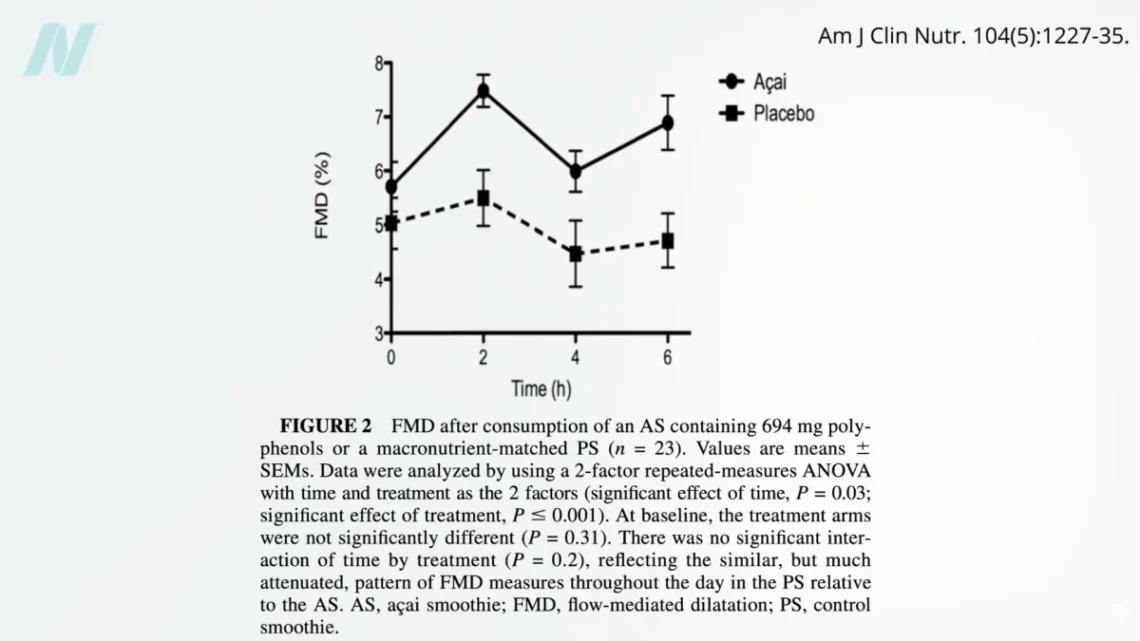
- Raspberries: A rigorous double-blind study found that consuming roughly three-quarters of a cup of red raspberries provided protective effects for up to 24 hours. While the absolute improvement in arterial function may seem modest—often around 1%—at a population level, even a 1% increase in endothelial function is associated with a 12% reduction in the risk of major cardiovascular events, including heart attacks and strokes.
- Cranberry Juice: Studies testing various concentrations of cranberry juice found that benefits were detectable within two hours, with higher concentrations sustaining those benefits for up to eight hours.
Supporting Data: Why Some "Healthy" Choices Fail
Despite the success of berries, the search for a simple "quick fix" has revealed that not all plant-based foods are created equal, and some common healthy staples fail to perform under pressure.
The Failure of Traditional Supplements
When researchers tested a mixture of berries against a high-fat meal, they observed no significant protective effect, suggesting that the "dose" and the timing are critical. Even more surprising was the investigation into orange juice. While fruit is generally beneficial, pairing orange juice with a high-fat meal—such as a bacon and cheese muffin—proved entirely ineffective.
In fact, the data indicates it may be detrimental. When consumed alongside a heavy, fatty meal, the simple sugars in juice (which lack the fiber-encapsulated structure of whole fruit) cause a longer period of elevated fat levels in the blood. The body prioritizes burning the rapidly absorbed sugar, leaving the fat from the meal circulating in the bloodstream for longer, potentially prolonging the window of arterial damage.
Nut Categorization: Walnuts vs. Almonds
A systematic review of randomized controlled trials confirms that not all nuts provide equal protection. While walnuts have shown a capacity to help counter the effects of processed meats, almonds have not demonstrated the same efficacy. This "hierarchy of nuts" suggests that the specific phytochemical profile—likely the omega-3 fatty acid content in walnuts—is a critical factor in their ability to improve arterial function over time.
Official Perspectives and Scientific Implications
The implications of this research are transformative for public health. We are moving away from a paradigm of "calories in, calories out" and toward a model of "food as a bioactive signaling agent."
The medical consensus is beginning to recognize that atherosclerosis and cardiovascular mortality are not merely inevitable consequences of aging, but are heavily influenced by the immediate post-prandial (after-meal) state. When we consume processed animal fats, we trigger a transient state of endothelial dysfunction. If this occurs three times a day, every day for decades, the cumulative "wear and tear" on the arterial lining leads to the plaque buildup characteristic of heart disease.
However, the "Berry Evidence" suggests that we can buffer these insults. By incorporating specific, high-antioxidant whole foods, we can potentially stabilize the endothelium. Nevertheless, the experts caution against the "compensation trap." The evidence regarding orange juice and fatty muffins serves as a stark reminder: You cannot "out-eat" a poor diet with a healthy side dish. The most effective strategy is the systematic removal of the triggers of arterial dysfunction—saturated animal fats—rather than attempting to neutralize them with superfoods.
The Path Forward: A Sustainable Dietary Strategy
For the average individual, the goal should not be to build a "firewall" of blueberries around a plate of fast food. Rather, the goal is to shift the dietary baseline.
- Prioritize Whole Foods: The protective benefits of berries are maximized when the sugars are delivered within the intact cell walls of the fruit, not as processed juice.
- Understand Cumulative Benefit: The research clearly shows that arterial health is a long-term investment. The benefits observed in vegetarians are the result of years of consistent dietary choices, not a single meal.
- Recognize the Limits of Mitigation: Some meals are simply too taxing on the cardiovascular system for any amount of fruit or nuts to rectify. The failure of orange juice and berry cocktails to combat high-fat, high-sodium "breakfast sandwiches" confirms that the primary health strategy must remain the avoidance of highly processed, animal-based fats.
In conclusion, while nature provides us with potent tools to protect our cardiovascular health—such as wild blueberries, raspberries, and walnuts—these are best utilized as foundational elements of a healthy diet, not as a shield for poor dietary choices. As we continue to study the "artery-protective" properties of plant foods, the evidence points toward a clear, consistent truth: the health of our arteries is determined by the cumulative impact of what we eat, and there is no substitute for a lifestyle rooted in whole, plant-based nutrition.
Note: This article is part of a series on cardiovascular health and nutrition. For further exploration of the physiological impacts of diet, readers are encouraged to review existing literature on the relationship between single-meal ingestion and long-term vascular outcomes.