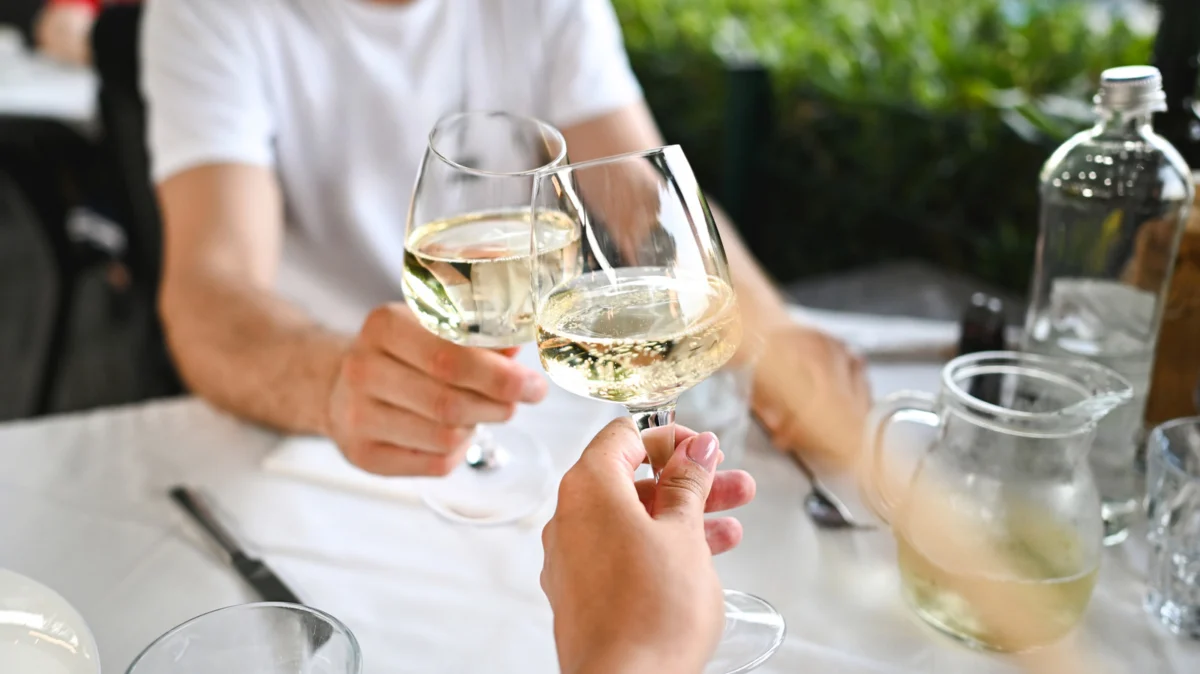
As the seasons shift and the promise of warmer weather draws near, the collective palate of the wine-drinking world invariably turns toward the refreshing, high-acid clarity of Sauvignon Blanc. It is a varietal that defines "crisp," offering a sensory experience that is as invigorating as a cool breeze on a summer evening. However, to label all Sauvignon Blanc as simply "white wine" is to ignore one of the most compelling geographical debates in modern oenology.
From the limestone-rich slopes of the Loire Valley to the sun-drenched vineyards of California and the vibrant, high-altitude estates of New Zealand, Sauvignon Blanc has evolved into a global chameleon. While the core DNA of the grape remains consistent—characterized by its high acidity and signature aromatic pungency—the final expression in the bottle is a testament to the distinct "terroir" of its origin.
The Core DNA: What Defines Sauvignon Blanc?
At its fundamental level, Sauvignon Blanc is an aromatic white grape variety known for its bracing acidity and distinct "green" flavor profile. The scientific reason for its unique, often polarizing aroma lies in the chemical compound 4-MMP. In lower concentrations, this compound contributes to the wine’s characteristic notes of boxwood, gooseberry, and fresh-cut grass. In higher concentrations, it can lean into more pungent, sulfuric territory—an intensity that has led some critics to famously, and perhaps unfairly, compare the nose to "cat urine."
Despite these intense descriptors, the grape’s versatility has allowed it to become a staple on dinner tables worldwide. Whether it is a subtle, mineral-driven French classic or a fruit-forward, tropical Kiwi powerhouse, the varietal offers a spectrum of flavors that cater to nearly every culinary preference.
A Chronological Journey: From French Roots to Global Dominance
The story of Sauvignon Blanc is one of ancient heritage meeting modern innovation.
16th Century: The French Genesis
The grape’s history is firmly rooted in 16th-century France. Most viticulturists agree that the Loire Valley is its spiritual birthplace. The name itself is derived from the French words sauvage ("wild") and blanc ("white"), a nod to the grape’s origins as a wild vine. Historically, the French mastered the art of taming this "wild" grape, utilizing the cool climate and chalky soils to create wines of incredible restraint and structural integrity.
1975: The New Zealand Disruption
For centuries, French dominance in the white wine market was largely unchallenged. That changed in 1975, when the first Sauvignon Blanc vines were planted in the Marlborough region of New Zealand. This was not merely a new growing location; it was a revolution. Marlborough’s unique climate—characterized by intense sun exposure during the day and cooling ocean breezes at night—allowed the grape to ripen in a way that produced explosive tropical aromatics. By the late 20th century, New Zealand had effectively rewritten the global expectation for what a white wine could be.
Late 20th Century to Present: The California Renaissance
California, particularly the regions of Sonoma and Napa, had long been focused on Chardonnay and Cabernet Sauvignon. However, as the global market developed an appetite for lighter, more aromatic white wines, California vintners embraced Sauvignon Blanc, often labeling it "Fumé Blanc"—a term popularized in the 1960s by Robert Mondavi to signify a more sophisticated, oak-aged style. Today, California sits as a titan of production, bridging the gap between the austerity of Europe and the intensity of the Southern Hemisphere.
Regional Analysis: How Geography Shapes the Glass
To understand the difference, one must look at the climate and winemaking philosophy of each region.
The French Standard: Minerality and Restraint
In France, particularly in the Loire Valley (Sancerre and Pouilly-Fumé), the focus is on the expression of the soil. The limestone and flint-heavy terroir result in a wine that is lean, mineral-driven, and high in acidity. These are wines of precision rather than opulence. In Bordeaux, the grape takes on a different persona; it is frequently blended with Sémillon, which adds a layer of beeswax and honeyed weight, softening the sharp edges of the Sauvignon Blanc and creating a more rounded, elegant mouthfeel.
The Californian Flagship: Fruit-Forward Sophistication
California’s approach is diverse, reflecting the state’s vast microclimates. Generally, California Sauvignon Blanc is more "fruit-forward" than its French counterpart. You will find notes of melon, grapefruit, and lime, often accompanied by a smoother texture. The "Fumé Blanc" style, which utilizes subtle oak aging, adds a layer of complexity—often presenting notes of vanilla or toast—that makes these wines exceptionally food-friendly.
The New Zealand Phenomenon: Tropical Intensity
New Zealand’s Marlborough region remains the industry benchmark for "bold" Sauvignon Blanc. The wines are famously aromatic, bursting with passion fruit, white peach, and lime zest. They are rarely subtle. Their hallmark is a piercing, electric acidity that acts as a palate cleanser. Furthermore, New Zealand was a pioneer in the adoption of the screw-cap (Stelvin closure), a move that signaled to the world that they were prioritizing the freshness and longevity of the wine over traditional cork-related customs.
Supporting Data: The Scale of Production
The economic weight of these regions is significant. California currently manages nearly 18,000 acres dedicated to Sauvignon Blanc, with production concentrated in the North Coast and the San Joaquin Valley. This massive acreage allows for a tiered market: from high-end, limited-production estate wines that retail for over $50, to accessible, reliable bottles that serve as the backbone of the retail wine industry.
New Zealand, while having a smaller total acreage, punches significantly above its weight class in export value. Sauvignon Blanc is the country’s flagship export, representing the vast majority of its white wine volume. The consistency of the Marlborough product has made it a "safe harbor" for consumers; when a shopper picks up a bottle of Kiwi Sauvignon Blanc, they generally know exactly what to expect, which has fueled its rapid market growth.
Implications for the Modern Consumer
The competition between these regions has led to a "golden age" for the consumer. The pressure to compete has forced producers to refine their methods. French winemakers have begun to lean into more modern, hygienic vinification to ensure their wines remain vibrant, while New Zealand producers are experimenting with wild yeast fermentation and barrel aging to add layers of complexity to their traditionally fruit-forward profiles.
For the diner, the implication is simple: context is king.
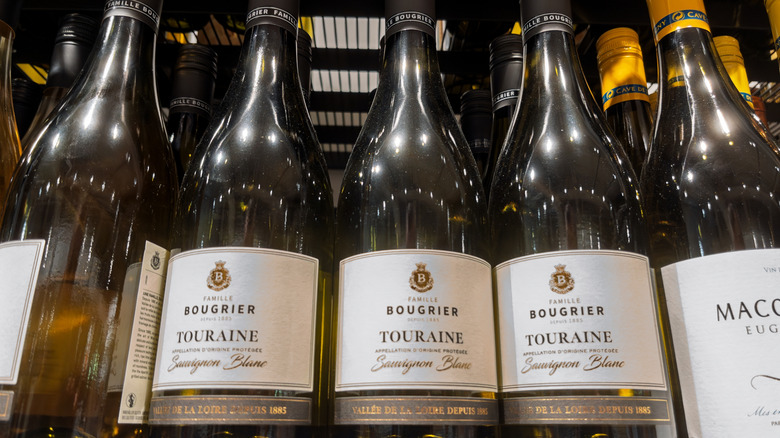
- Pairing with French Sauvignon: Think of traditional European fare—goat cheese (the classic pairing for Sancerre), fresh oysters, or a simple grilled white fish. The acidity of the wine cuts through the richness of the cheese without overpowering it.
- Pairing with Californian Sauvignon: These wines are the ultimate dinner party companions. Their fruitiness pairs beautifully with poultry, salads with citrus-based vinaigrettes, and even richer shellfish dishes like lobster or crab.
- Pairing with New Zealand Sauvignon: Embrace the intensity. The wine’s herbal notes and high acidity make it the perfect match for spicy Asian cuisine, particularly Thai curries or Vietnamese dishes heavy on cilantro, mint, and chili.
Conclusion: A Toast to Diversity
The debate over which region produces the "best" Sauvignon Blanc is ultimately a matter of personal preference rather than objective quality. France offers history and mineral complexity; California offers fruit-forward accessibility and versatility; New Zealand offers vibrant intensity and a distinct, aromatic signature.
As we look toward the future of viticulture, the lines between these regions continue to blur. Winemakers are increasingly borrowing techniques from one another, leading to a global landscape where the diversity of the Sauvignon Blanc grape is celebrated more than ever before. Whether you prefer the subtle, flinty whisper of a Sancerre or the bold, tropical shout of a Marlborough, the beauty of this grape lies in its ability to offer a unique window into the place where it was grown. The next time you reach for a chilled glass, consider the journey the grape has taken—and perhaps, choose a bottle that invites you to explore a region you haven’t yet mastered.