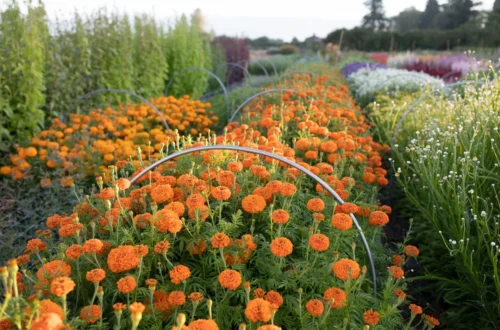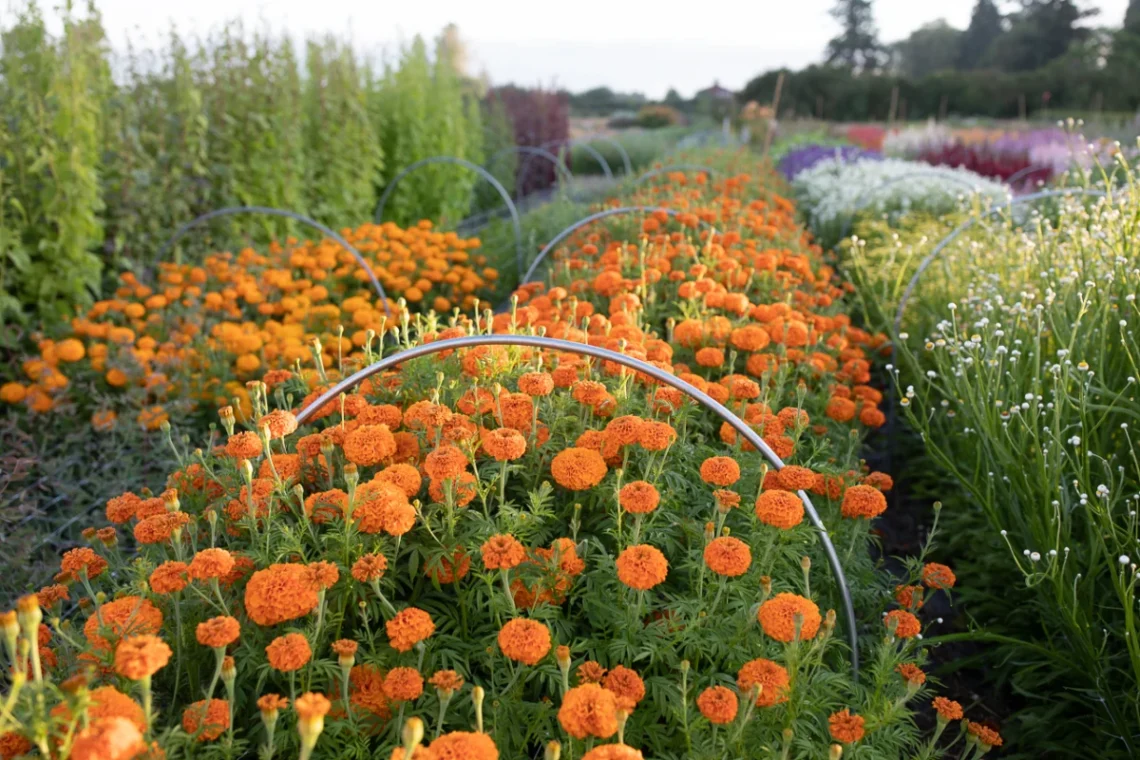
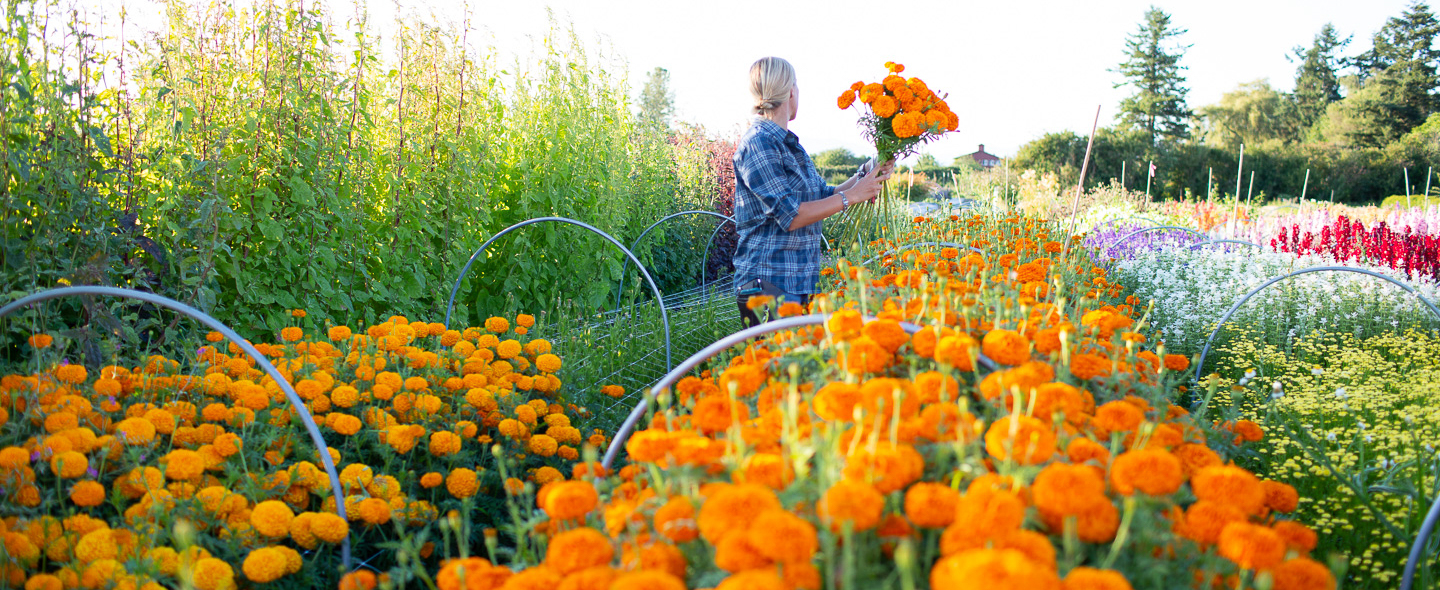
ORANGE COUNTY — As the calendar turns toward autumn and the vibrant tapestry of the midsummer garden begins to fray into tattered remnants, one floral genus stands entirely unfazed by the elements. While neighboring perennials wind down and succumb to the crisp, chilling edge of seasonal decline, the marigold patch remains a beacon of saturated color. Unbothered by stormy autumn weather and defiant against early frosts, these resilient blossoms continue to command attention. Far from being merely a traditional border filler, the marigold (Tagetes) is undergoing a profound reassessment by horticulturists, commercial flower farmers, and floral designers alike, celebrated as a powerhouse of color, utility, and ecological resilience.
Main Facts: The Anatomy of a Botanical Survivor
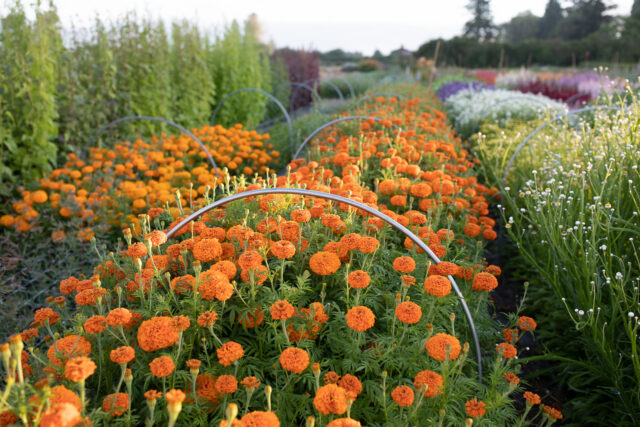
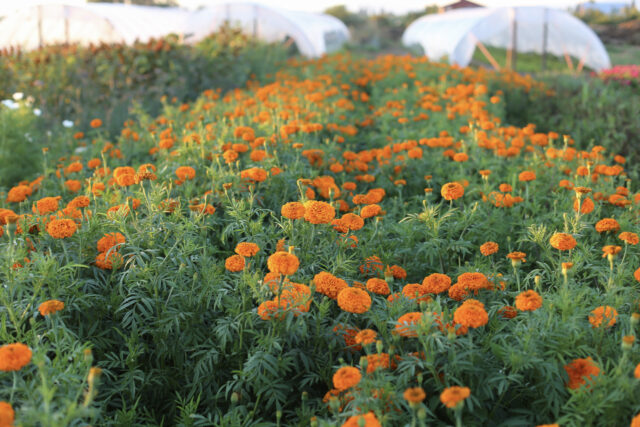
Long dismissed by some contemporary designers as an overly common or pedestrian garden staple, the marigold offers an astonishing array of diversity that challenges its "humble" reputation. Botanically classified into distinct groups—primarily African, French, and gem or signet varieties—the genus spans a massive range of physical scales and color palettes.
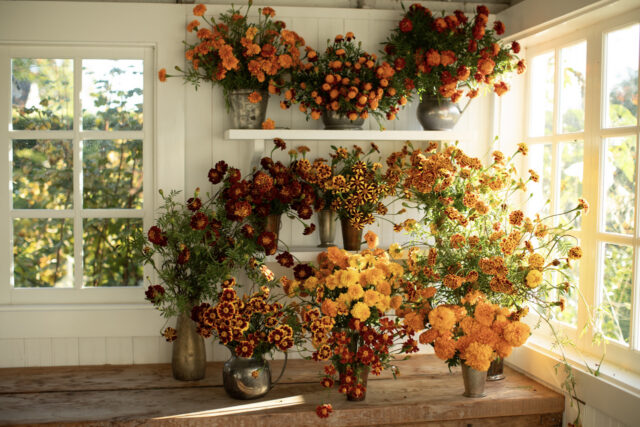
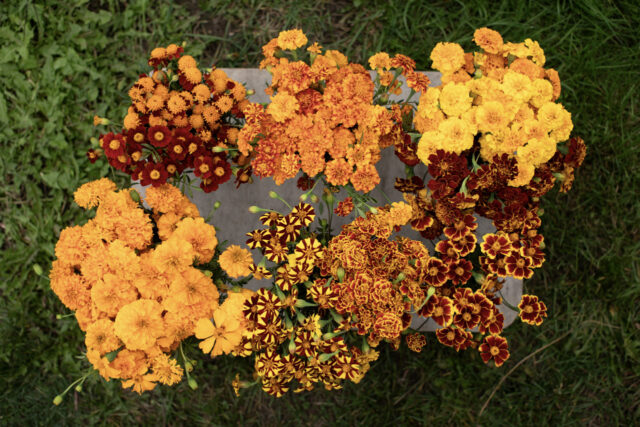
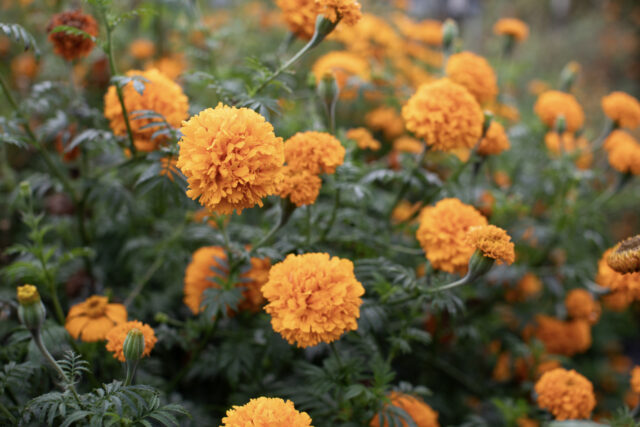
Plant sizes range from compact, low-growing mounds barely suited for a windowsill pot to towering, shoulder-high specimens that dominate the back of the garden. Blooms vary just as wildly, stretching from tiny, penny-sized buttons to massive, palm-sized rosettes dripping in shades of saffron, burnt orange, deep burgundy, and buttercream.
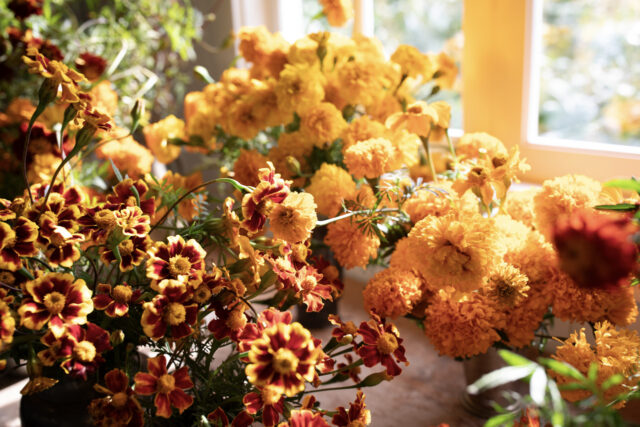
Beyond their striking visual appeal, marigolds are celebrated for their exceptional durability. Thriving in high heat and demanding minimal maintenance, they produce an abundance of vivid flowers from midsummer straight through to the end of the growing season. Their utility extends far beyond the ornamental: certain varieties produce edible petals, their vivid pigments serve as exceptional natural dyes, and their sturdy, long-lasting blooms make them premier candidates for traditional garlands and leis. Furthermore, they boast a remarkably long vase life, frequently lasting between 7 and 10 days in mixed cut-flower arrangements.
Chronology: From Wild Native to Modern Breeding Triumphs
The story of the marigold’s cultivation spans centuries of adaptation, migration, and modern horticultural refinement.
- Pre-Columbian Era: Indigenous peoples throughout the Americas, particularly in Mexico where Tagetes erecta and Tagetes patula are native, cultivated marigolds (Cempasúchil) for ceremonial, medicinal, and culinary purposes—a tradition that persists profoundly today during the Day of the Dead (Día de los Muertos) celebrations.
- The Columbian Exchange: Spanish and Portuguese explorers introduced marigolds to Europe in the 16th century, where they quickly spread across the Mediterranean and North Africa (hence the misnomer "African marigold").
- Mid-to-Late 20th Century: Horticultural breeding focused heavily on creating uniform, compact bedding plants for suburban landscaping, occasionally sidelining their potential as tall, productive cut flowers.
- Recent Decades: A counter-movement led by specialty cut-flower farms and independent breeders—most notably Mario and Dylana Kapuler of Oregon’s Peace Seedlings—has revolutionized the genus. By crossing French and African marigolds, breeders unlocked unprecedented traits: combining the intricate, smaller flower forms and unique bicolors of French marigolds with the vigorous growth habits, tall statures, and robust stem lengths of African varieties.
Supporting Data: Horticultural Guide and Cultivar Breakdown
Cultivating successful marigolds requires understanding their specific life cycles and structural needs. Seeds are typically started indoors in trays 4 to 6 weeks prior to the final spring frost, with seedlings transplanted out only after all danger of frost has passed. Alternatively, they can be direct-seeded once ambient temperatures reliably warm up. While compact French types require little mechanical assistance, taller varieties frequently demand staking or corralling to prevent toppling under the weight of their own heavy blooms.
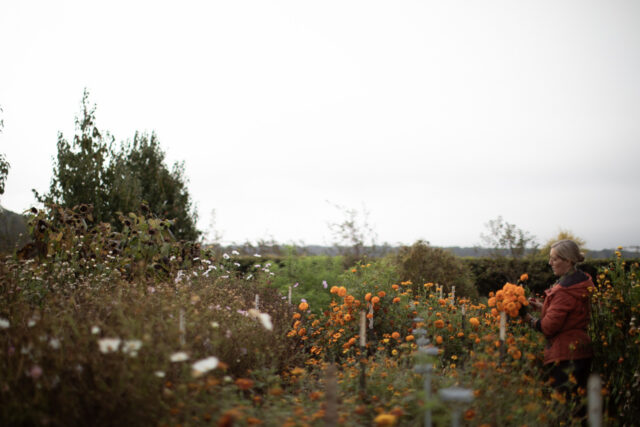
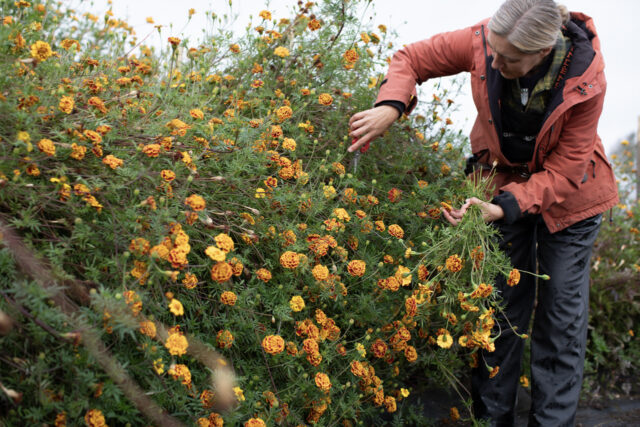
When harvesting for floral design, stems should be cut when the flowers are approximately halfway open, stripping away most of the pungent, highly fragrant foliage. Because marigolds bloom from the base upward in succession, lower, more weathered blossoms often require removal prior to arrangement.
1. African Marigolds (Tagetes erecta)
Characterized by large, exceptionally long-lasting blooms and sturdy structures, African marigolds are historically favored for heavy-duty floral applications like leis and market bouquets.
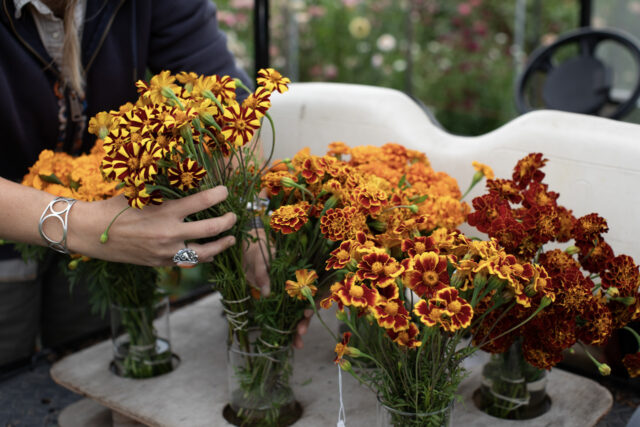
- ‘Giant Orange’: Produces 6 to 10 long, strong, branching stems topped with glowing saffron-colored, super-ruffled blooms featuring tight green centers and lacy, scented foliage.
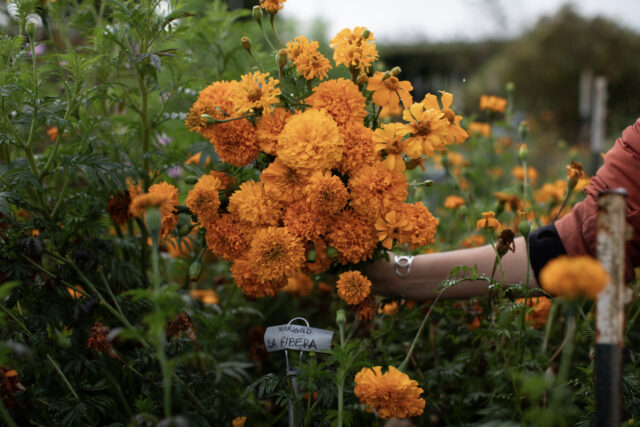
- ‘La Ribera’: A vigorous garden favorite featuring enormous, fuzzy tangerine flowers in mixed forms (double, semi-double, and single). While too inconsistent for strict commercial cut-flower production, its sheer size makes it a standout garden spectacle.
2. French Marigolds (Tagetes patula)
French marigolds are prized for their compact, bushy habits and stunning color combinations, though their shorter stems traditionally relegated them to containers or garden borders.
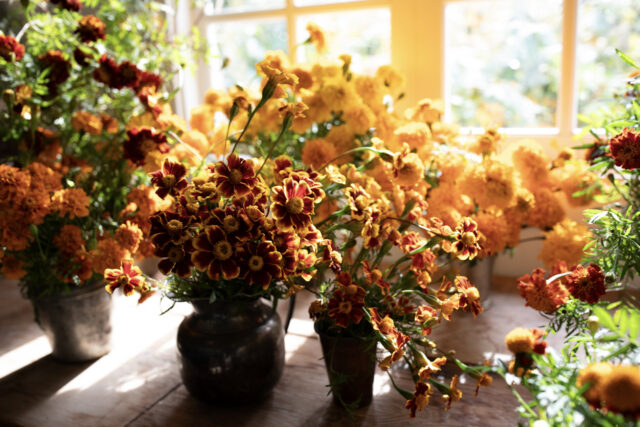
- ‘Brocade Mix’: Stocky, low-growing plants producing small, double, red-orange bicolor flowers.
- ‘Fireball’: A striking color combination of blackish-red and burnt orange, ideal for containers due to its compact stature.
- ‘Harlequin’ (or ‘Court Jester’): A unique heirloom featuring medium-size, maroon-and-gold-striped single blooms on airy, branching stems that add a dynamic twist to late-season bouquets.
- ‘Tiger Eyes’: Features exaggerated, fuzzy golden-orange centers surrounded by short burgundy petals, reaching roughly two feet by season’s end.
3. Peace Seedlings Introductions (French-African Crosses)
Bred through meticulous cross-pollination, these innovative varieties merge French coloration with African vigor, yielding tall, slender stems ideal for contemporary floral design.
- ‘Burgundy Bliss’: Deep rusty-red double flowers outlined in glowing golden-orange on strong, willowy stems.
- ‘Frances’s Choice’: A standout variety producing towering plants with densely branching, thin stems carrying medium-size single blooms of rusty red edged in gold.
- ‘Mushroom’s Sol’: Tangerine flowers featuring rich red inner stripes on plants that stretch by season’s end to yield viable bouquet stems.
- ‘Sparkler’: Tall, heavily branching plants producing medium-size golden flowers with distinct rusty-red bands down the center of each petal.
- ‘Sunbright Mix’: A bushy, vibrant mix reminiscent of candy corn, featuring sunny yellow, orange-striped, and solid tangerine colorways.
4. Gem and Signet Marigolds (Tagetes tenuifolia)
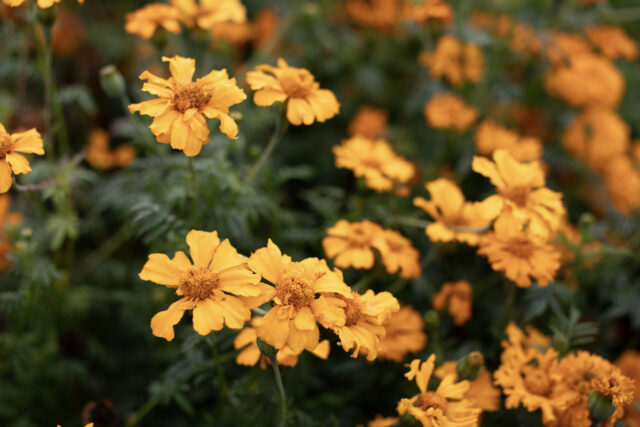
- ‘Starfire Mix’: Miniature-flowered marigolds producing branching stems over 30 inches tall, loaded with dozens of penny-sized blooms in red, orange, and gold. Their wilt-resistant, ferny foliage possesses a clean, citrusy fragrance, making them a premier summer bouquet staple.
- ‘Tangerine Gem’ & ‘Red Gem’: Compact counterparts to the Starfire mix, reaching roughly 24 inches with vibrant, glowing palettes.
Official Responses and Expert Perspectives
Agricultural experts and specialty flower growers emphasize that the marigold’s renaissance is rooted in its adaptability to changing climatic and market pressures. As traditional summer crops fade under the duress of escalating late-season heat waves and erratic weather patterns, the marigold stands out for its physiological fortitude.
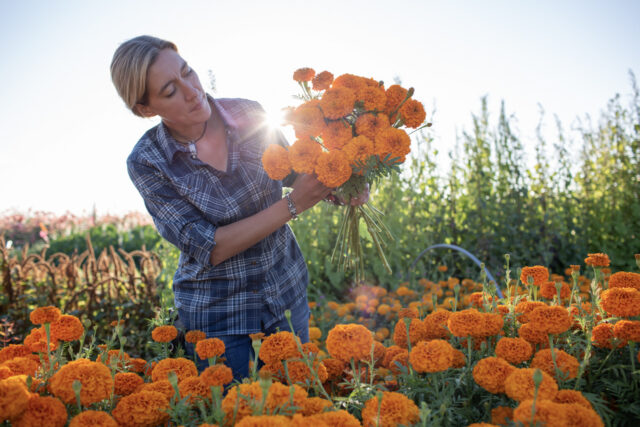
"When other crops begin to tarnish and fade as autumn approaches, marigolds step into their true glory," notes leading flower farmer and educator Erin Benzakein of Floret Flower Farm. "They are among the toughest, most abundant-flowering plants a grower can manage. The introduction of new breeding lines—particularly the interspecific crosses from independent farms like Peace Seedlings—has completely transformed what these flowers can achieve in professional floral design, bridging the gap between garden utility and high-end aesthetics."
Implications: Ecological, Economic, and Design Horizons
The expanding appreciation and cultivation of diverse marigold varieties carry significant implications for modern horticulture and sustainable floriculture.
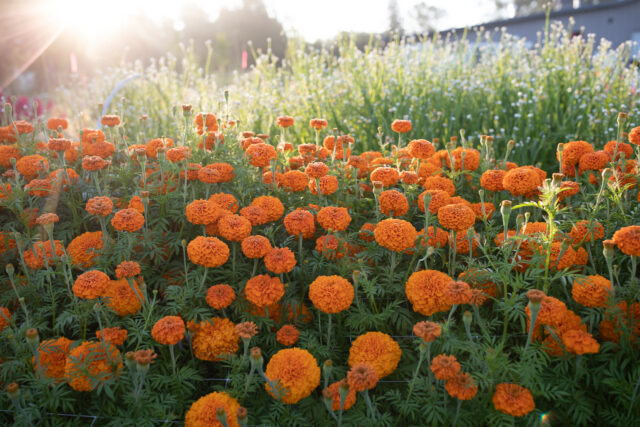
From an ecological standpoint, marigolds have long been valued in companion planting for their natural nematode-suppressing root secretions and their ability to attract beneficial predatory insects. Their extended blooming window provides a critical late-season nectar source for pollinators when alternative floral resources dwindle.
Economically, the shift toward specialty heirloom and interspecific marigold varieties offers small-scale cut-flower growers a high-yield, low-input crop that extends the profitable growing season deep into the autumn months. Florists and designers benefit from a reliable, locally sourced botanical material that introduces rich, autumnal warmth, complex textures, and exceptional vase-life reliability to end-of-season arrangements.
Ultimately, the humble marigold has proven that endurance and beauty are not mutually exclusive, securing its well-deserved place at the forefront of contemporary sustainable gardening and floral design.