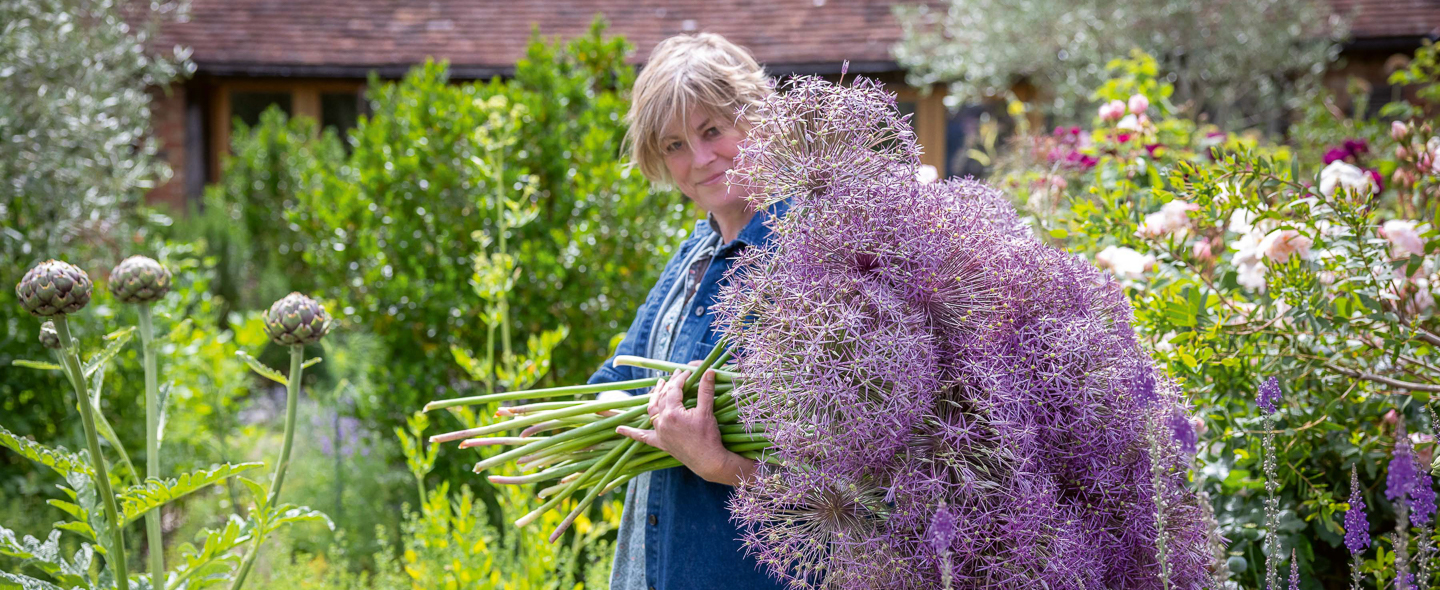
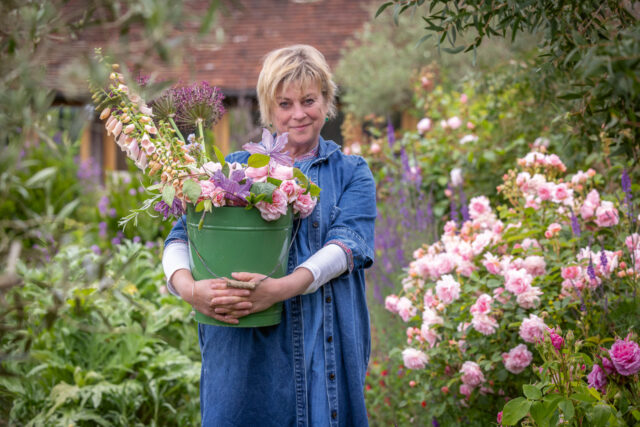
The global resurgence of the local, seasonal flower movement owes a profound debt to a small cadre of early horticultural visionaries. Among the most influential is British author, teacher, and grower Sarah Raven. Marking over three decades of hands-on cultivation at her renowned East Sussex estate, Perch Hill Farm, Raven has officially released her 14th publication in the United States: A Year of Cut Flowers: A Life of Growing and Arranging for All Seasons.
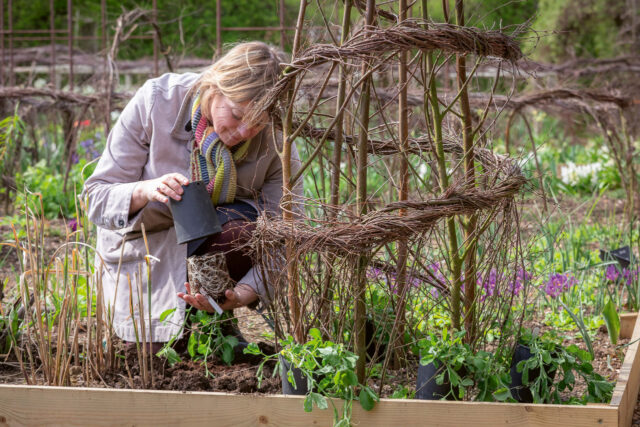
Synthesizing more than thirty years of trial, error, and institutional wisdom, the newly launched volume serves as a comprehensive masterclass in domestic horticulture. Designed explicitly to bridge the gap between novice enthusiasts and seasoned growers, the book details sequential seed-starting methodologies, budget-conscious plant selection, and strategies for stretching the domestic harvest window from early spring frosts to late autumn chills.
The publication arrives during a period of shifting demographics within the gardening community. Instructors like Raven report an influx of younger demographics turning to horticulture for mental health, sustainability, and creative fulfillment—a trend catalyzed by pandemic-era lifestyle realignments. Alongside the book’s US launch, Raven continues her lifelong advocacy for organic, chemical-free land stewardship, championing the symbiotic relationships between native bird populations, natural pest control, and thriving garden ecosystems.
Chronology: From Library Inspiration to Global Horticultural Authority
The trajectory of Sarah Raven’s influence spans decades of continuous writing, teaching, and land development:
Over Twenty Years Ago: A future industry leader discovers Raven’s foundational text, Grow Your Own Cut Flowers, at a local public library, sparking a lifelong dedication to backyard flower farming.
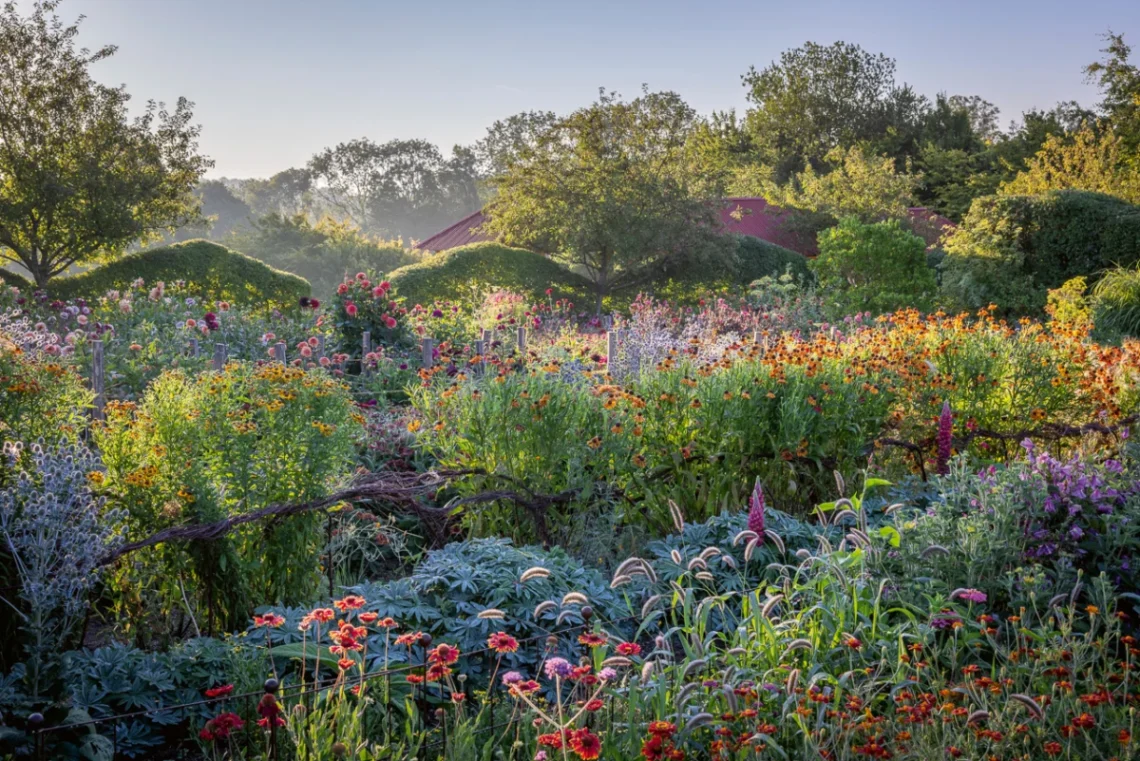
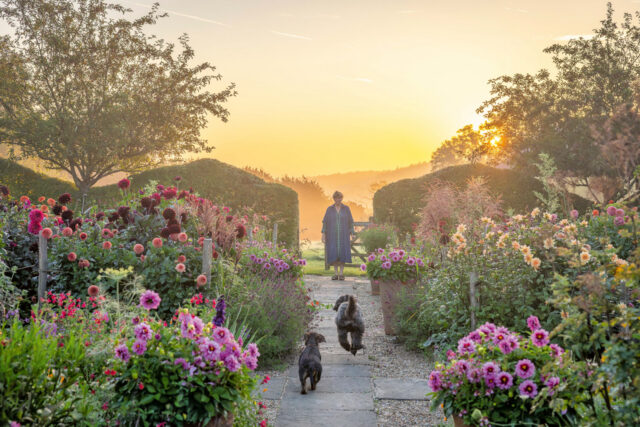
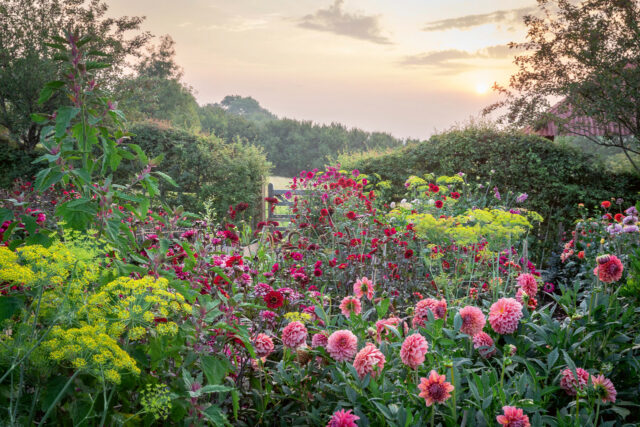
The Perch Hill Era (Past 30 Years): Raven and her husband, author Adam Nicolson, establish and cultivate Perch Hill Farm in East Sussex, turning a raw plot of land into an internationally recognized experimental garden and cutting ground.
The 30-Year Photography Partnership: Throughout three decades of continuous documentation, photographer Jonathan Buckley works alongside Raven, compiling an archive of more than 60,000 images capturing the seasonal evolution of Perch Hill.
2016 & 2021: Raven is featured in major retrospective interviews for the "Farmer & The Florist" series, documenting her expanding influence on the artisanal floral design space.
Recent Years: Following a challenging personal year, Raven embraces a renewed perspective on work-life balance, transitioning into the role of a grandmother at age 63 while mentoring a younger generation of horticulturists at Perch Hill.
Present Day:A Year of Cut Flowers officially debuts in the United States, accompanied by extensive promotional features, community giveaways, and international acclaim.
Supporting Data & Horticultural Insights
A Year of Cut Flowers is underpinned by decades of empirical research conducted across Perch Hill’s diverse micro-climates, trial beds, and cutting gardens. Key data points and operational methods highlighted in the book include:
The Cut-and-Come-Again Methodology: The core thesis of Raven’s agronomy focuses on maximizing axillary buds. By harvesting flowers at precise developmental points on the plant’s growth curve, growers stimulate rapid regeneration, ensuring secondary and tertiary blooms within days.
Dahlia Breeding Metrics: Raven’s annual sourcing expeditions to the Netherlands—conducted alongside head gardener Josie Lewis, online horticulture head Tom Stimpson, and bulb buyer Ruth Smith—prioritize four strict criteria:
Dramatic Aesthetics: Unusual colorways and deeply curved petals, modeled after cultivars like ‘Labyrinth’.
Extended Vase Life: While traditional dahlias fade after four days, selective breeding programs at Perch Hill—such as the new cultivar ‘Sissinghurst’, named in honor of Adam Nicolson’s ancestral family garden—target a vase life of seven days or more.
Ideal Scaling: Compact forms suited for container gardening (between 45cm and 90cm in height) that avoid heavy, disproportionate top-growth.
Pollinator Support: Single and semi-double blooms that provide abundant forage for local insects and seed stocks for small birds.
The Photographic Archive: Over a 30-year collaboration, Raven and Jonathan Buckley have produced over 60,000 documented images of Perch Hill, utilizing strict seasonal checklists and early-morning light windows between mid-March and mid-September.
Official Responses and Direct Commentary
In an extensive interview reflecting on her career, creative process, and latest publication, Sarah Raven shares direct insights into her philosophy of land stewardship, writing routines, and ecological balance:
On the Intent Behind A Year of Cut Flowers:
"It’s more personal—and a kind of call-to-gardening. Gardening has been one of the best and strongest strands in my life, bringing me so much contentment and fulfillment, so I want to convince non-gardeners/beginners that it is one of the easiest and most immediate life enhancers you can find. I hope this latest book is accessible. That was my plan when I wrote it, to assume that readers have no or minimal gardening knowledge…"
On Managing a Prolific Writing Career:
"I write in the winter—when the garden is quiet—as well as in the early mornings between 5:30 a.m. and 8-ish through the rest of the year… Once the days get longer, I’ll alternate early-morning writing with wandering round the garden taking notes and photographs—which all feed into my research for teaching, my next book, and our online plant nursery."
On the Ecological Role of Birds and Organic Pest Control:
"We are organic, and by adding in other layers of things to nurture nature… the dawn chorus here is soooo loud in April—that’s deeply and utterly confirming that we’re doing something right. And the birds eat the slugs and snails just when we want them to in mid-spring. In the very wet spring we had here in 2024 and the slug explosion which went with that, many people struggled growing dahlias. We didn’t, and that made us pretty sure it was almost certainly our large small-bird population which was responsible."
On Current Industry Shifts and Chemical Use:
"I do struggle with the use of chemicals in the garden to, e.g., kill insects or weeds. You walk into any garden center here and these chemicals still fill the shelves, yet they just are not necessary. I think those who use them just don’t realize what’s truly happening for the whole environment… That upsets me, but I try not to preach, but show."
On Evolving Life Perspectives and Mentorship:
"I had a difficult year last year, and funnily enough—as a result I think it’s given me more perspective on what I’ve done and . . . that that’s quite a lot and it’s all ok to not want to do so much more. I don’t think I’ll ever retire entirely… but I’m hugely enjoying teaching colleagues all I know and being able to sit back and not rush around quite so much and watch them a bit more! Also, I’m now a grandmother—and that’s the most amazing thing which I truly love, connecting and reconnecting with what’s important."
Implications for the Horticultural Industry
The release of A Year of Cut Flowers and the ongoing evolution of Perch Hill carry significant implications for the broader landscape of home gardening, commercial floriculture, and environmental conservation:
Democratization of Horticulture: By designing a text that assumes zero baseline gardening knowledge, Raven directly addresses the post-pandemic surge of interest in domestic food and flower production. The emphasis on container-friendly varieties and "cut-and-come-again" perennials lowers the barrier to entry for urban and suburban dwellers with limited square footage.
Shifting Retail and Agricultural Standards: Raven’s vocal critique of chemical weed and pest killers highlights an ongoing ideological battle within the retail gardening sector. As more educational leaders demonstrate that high-yield, aesthetically stunning gardens can be maintained through biological balance—such as encouraging avian predators to manage mollusk populations—consumer demand for organic alternatives is projected to rise.
The Rise of Slow Floral Design: The integration of sustainable, seasonal harvesting methods directly challenges the carbon-heavy industrial cut-flower supply chain. By encouraging individuals to cultivate even a single window box or backyard cutting patch, authorities like Raven reinforce the foundational tenets of the localized flower movement: minimizing food and floral miles while maximizing personal well-being, ecological resilience, and aesthetic engagement with the natural world.