By Zac Cadwalader
Enriched and Expanded Edition
Main Facts
For generations, the morning ritual has revolved around a plume of steam rising from a ceramic mug. The sensory experience of a piping-hot brew is woven into the daily routines of millions worldwide. However, a compelling body of scientific research suggests that our collective appetite for scalding-hot beverages may carry a hidden, severe health cost.
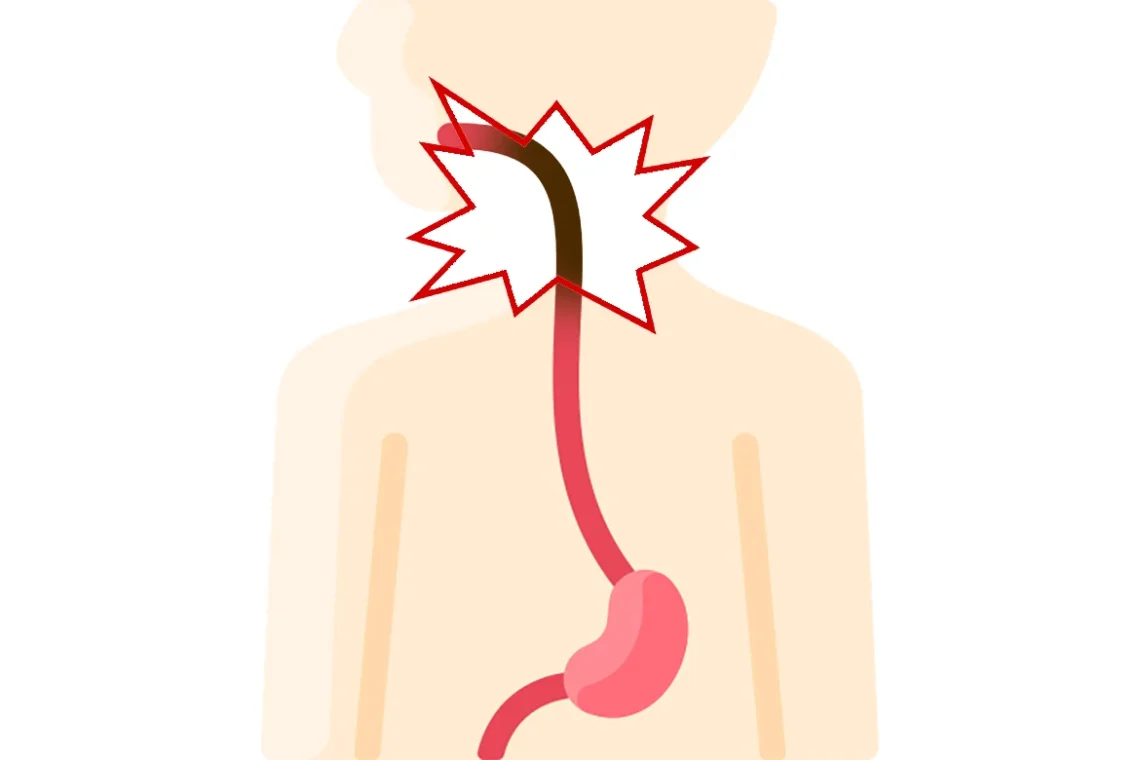
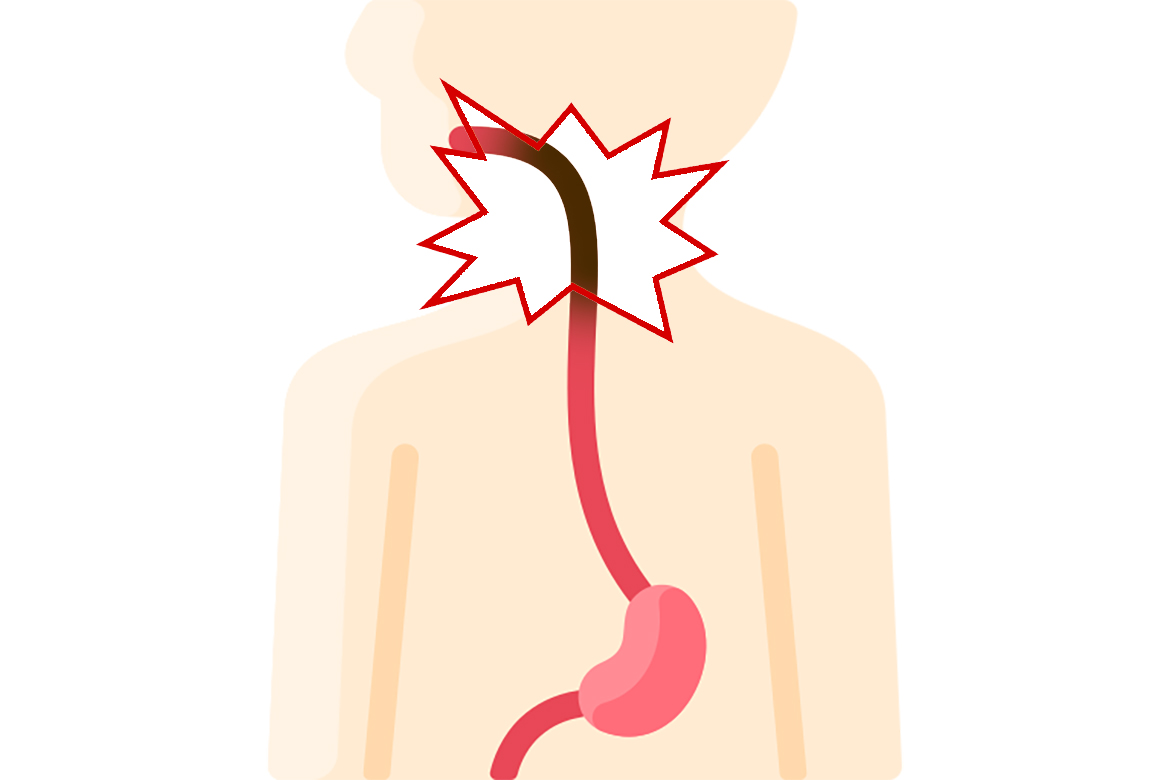
According to a landmark study recently published in the International Journal of Cancer by researchers at the University of Oxford, consuming beverages at extremely high temperatures is linked to a threefold increase in the risk of developing esophageal cancer.
Analyzing data drawn from a massive cohort of nearly one million middle-aged participants, the Oxford research team established a precise thermal threshold for danger. Drinks served at or above 65°C (149°F) are categorized as "very hot." Individuals who routinely consume coffee and tea at or above this temperature face a staggering three times higher likelihood of developing esophageal malignancies compared to those who prefer warm beverages. Furthermore, this risk compounds significantly for heavy consumers—those who indulge in six or more very hot drinks on a daily basis face even more pronounced odds.
Despite these alarming figures, public health experts emphasize essential context: while the relative risk multiplier is high, the absolute baseline risk of developing esophageal cancer remains relatively low for the general population. Factors such as tobacco use and heavy alcohol consumption continue to be the primary drivers of the disease. Nevertheless, the physiological toll of chronic thermal injury to the esophagus is a variable that consumers can easily control simply by letting their brew cool.
Chronology of Research
The investigation into the link between thermal beverage consumption and esophageal cancer did not materialize in a vacuum. It represents the continuation of decades of epidemiological observation regarding gastrointestinal health and diet.
- Early Observations: For years, oncologists and gastroenterologists noted geographic anomalies in the prevalence of esophageal squamous cell carcinoma, particularly in regions of South America, the Middle East, and Asia, where traditional cultures consume exceptionally hot maté, tea, or porridge.
- The 2020 Benchmark: Four years prior to the recent Oxford publication, a landmark study sounded a similar alarm within the coffee and tea industries, establishing initial statistical correlations between high-temperature drink consumption and elevated cancer rates.
- The Present Study: Building upon past findings, researchers at the University of Oxford launched an expansive epidemiological review. By analyzing health and dietary data from over 977,000 middle-aged participants—nearly doubling the sample size of previous benchmarks—the research team published their definitive findings in the International Journal of Cancer. This updated data solidified the 65°C (149°F) threshold and quantified the triple-risk factor with unprecedented statistical power.
Supporting Data and Thermal Dynamics
To understand how these findings apply to daily life, it is helpful to examine the physics of brewing and serving coffee.
When water is heated for extraction, standard brewing guidelines—such as those promoted by the Specialty Coffee Association (SCA)—recommend water temperatures hovering around 205°F (96°C). Consequently, freshly brewed coffee can sit at a searing 185°F (85°C) inside the brewing vessel or filtering device.
However, liquids exposed to ambient room temperatures undergo rapid thermal dissipation. Within just a few minutes of pouring, a fresh cup of coffee drops significantly from its boiling peak.
According to the SCA, the ideal drinking temperature range is actually between 120°F and 150°F (approx. 49°C to 65°C). This specific window is not merely recommended for safety; it is the optimal thermal range for human sensory perception. At temperatures below 150°F, the human palate is no longer overwhelmed by heat, allowing the delicate volatile aromatics, acidity, and nuanced flavor profiles of specialty coffee to fully emerge.
Supporting this sensory science, a separate study published in scientific literature examined human physiological responses to hot liquids and noted that temperatures reaching 70°C (158°F) were universally perceived by test subjects as uncomfortably and disruptively hot, triggering natural biological aversion reflexes.
Official Responses and Expert Perspectives
The release of the Oxford study has sparked conversations across the medical, culinary, and specialty coffee communities.
Public health officials have been careful to balance the study’s conclusions without inducing panic among coffee drinkers. Representatives from the International Journal of Cancer have clarified that while the three-fold risk increase is statistically robust, thermal injury is rarely the solitary cause of esophageal cancer. Medical professionals stress that the most effective lifestyle interventions for mitigating esophageal cancer risk remain well-documented: smoking cessation and the reduction of alcohol intake.
Meanwhile, specialty coffee professionals have welcomed the intersection of health science and flavor optimization. Baristas and roasters have long advocated for resting hot beverages, noting that scalding coffee essentially numbs the tongue’s taste buds, masking origin characteristics and roasting notes. By allowing a cup to cool to the SCA-recommended temperature zone, consumers not only protect their delicate esophageal lining but also unlock a vastly superior sensory experience.
Implications for Daily Habits
Ultimately, the takeaway from the latest Oxford research is straightforward and actionable.
There is no need to abandon the beloved morning cup, nor is there any scientific backing for the polarizing notion that cold brew is inherently superior (though personal preferences certainly vary). The issue is purely thermal.
Drinking coffee while it is detrimentally hot is a lose-lose proposition: it inflicts chronic, microscopic trauma on the sensitive tissues of the throat, and it actively compromises the taste profile of the beverage. By exercising a little patience—waiting a few short minutes for the steam to subside and the temperature to drop below the 149°F danger zone—coffee drinkers can safeguard their health while enjoying a richer, more flavorful cup.
Zac Cadwalader is the managing editor at Sprudge Media Network and a staff writer based in Dallas.