

Home to a thriving population of approximately 3.5 million residents, Madrid stands not only as the geographical and political capital of Spain, but as its pulsating cultural heart. While coastal powerhouses like Barcelona often dominate international headlines, Madrid quietly commands the allegiance of over 10 million annual visitors through an intoxicating blend of world-class art institutions, architectural majesty, and an irrepressible nocturnal energy that routinely stretches toward the dawn.
For the uninitiated traveler, navigating Spain’s sprawling capital can prove daunting. Embracing Madrid requires surrendering to its distinct chronological rhythm: a culture of night owls where dinners commence late, social gatherings unfurl in the small hours, and afternoons honor the sacred tradition of the pause. By aligning with this unhurried, authentic pace, visitors unlock the true essence of a city that seamlessly bridges centuries of imperial history with contemporary cool.
Main Facts: The Anatomy of Modern Madrid
To understand Madrid’s enduring appeal is to recognize its unique structural evolution. Designated a UNESCO World Heritage site in 2021, the city’s core fuses the medieval and Renaissance layouts of Habsburg Madrid (Madrid de los Austrias) with monumental green spaces like the "Landscape of Light" (Paisaje de la Luz), which unites the Paseo del Prado and El Retiro Park.
- Population: ~3.5 million (metropolitan area exceeding 6.5 million).
- Annual Tourism: Over 10 million visitors pre- and post-pandemic markers.
- Key Chronological Eras: Habsburg (16th–17th centuries), Bourbon/Neo-Classical (18th century), and Modern expansions.
- Core Cultural Identifiers: World-leading museum density per square kilometer, a rapidly expanding plant-based culinary scene, and a preserved architectural legacy spanning palaces, monasteries, and wine caves dating back to the 17th century.
Chronology: The Ultimate 5-Day Exploration Strategy
Day 1: Immersion in the Art Walk and Historic House Museums
The inaugural day centers on the prestigious UNESCO-designated Art Walk, an avenue boasting over 40 historic monuments and architectural marvels.
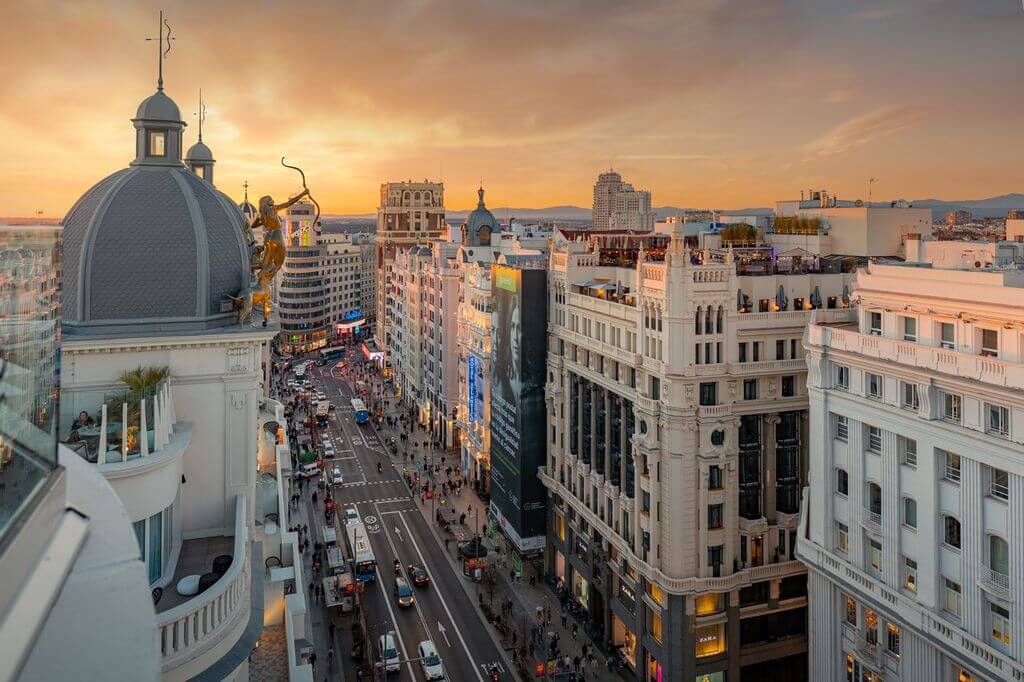
- Morning at the Prado Museum: Commence your journey at the Museo del Prado, universally ranked among the planet’s premier fine art institutions. Allocate a minimum of three hours to absorb masterworks by El Greco, Velázquez, Goya, Rubens, Botticelli, and Caravaggio.
- The Paseo del Prado to Reina Sofía: A brief ten-minute stroll leads past the Thyssen-Bornemisza Museum—spanning the Renaissance to Pop Art—and culminates at the Reina Sofía National Art Center. Here, modern art masters like Picasso, Miró, Dalí, and Bacon converge, anchored by Pablo Picasso’s monumental 1937 anti-war masterpiece, Guernica.
- Culinary Interludes: Break for lunch at Taberna La Fragua de Vulcano for traditional cocido madrileño, sample renowned croquetas at Arzábal’s vibrant garden terrace, or descend into the 17th-century restored wine caves of Bodega de los Secretos.
- Afternoon House Museums: Conclude the daylight hours exploring private palaces turned museums. Highlights include the newly renovated Sorolla Museum (showcasing the sun-drenched canvases of "the painter of light"), the Museum of Romanticism with its hidden garden café, or the Lázaro Galdiano Foundation, housing Goya and Bosch in a neo-Renaissance mansion.
Day 2: The Grandeur of the Historic Center (Madrid de los Austrias)
Day two delves deep into the medieval and Renaissance foundations of the capital.
- Puerta del Sol & Kilometer Zero: Begin at the bustling central square to photograph Kilometer Zero—the official geographic origin point for all Spanish national highways and railways—and the iconic Bear and the Strawberry Tree (El Oso y el Madroño) statue representing Madrid’s civic coat of arms.
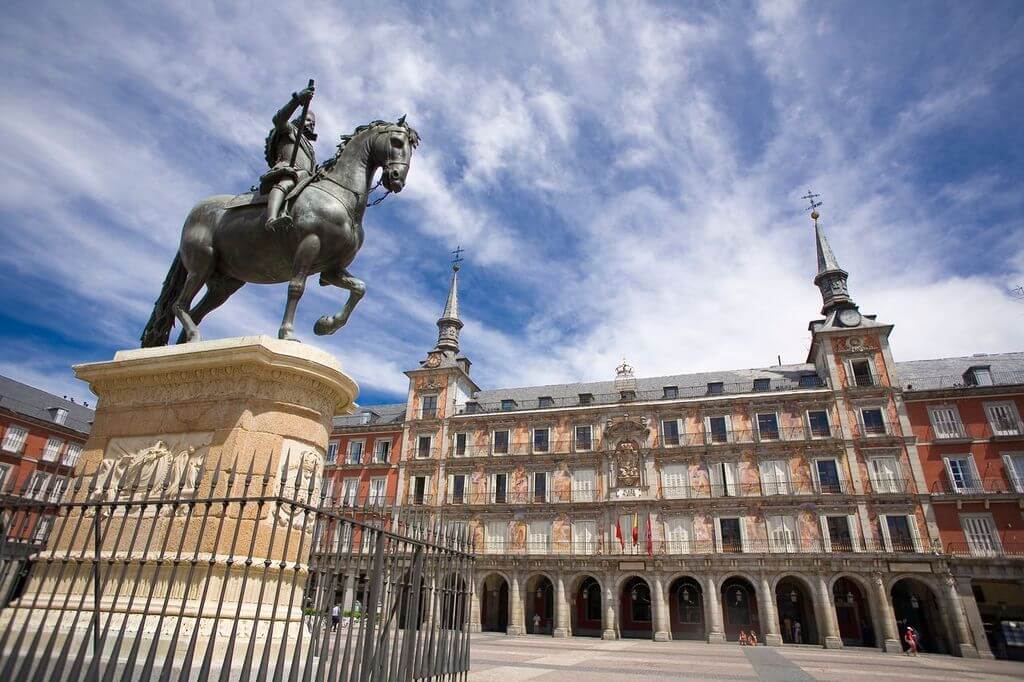
- Plaza Mayor & Local Bites: Meander toward the porticoed Plaza Mayor, once the historic site of bullfights, royal ceremonies, and public executions. Sample a quintessential local delicacy: a freshly pressed calamari sandwich from a surrounding alleyway vendor.
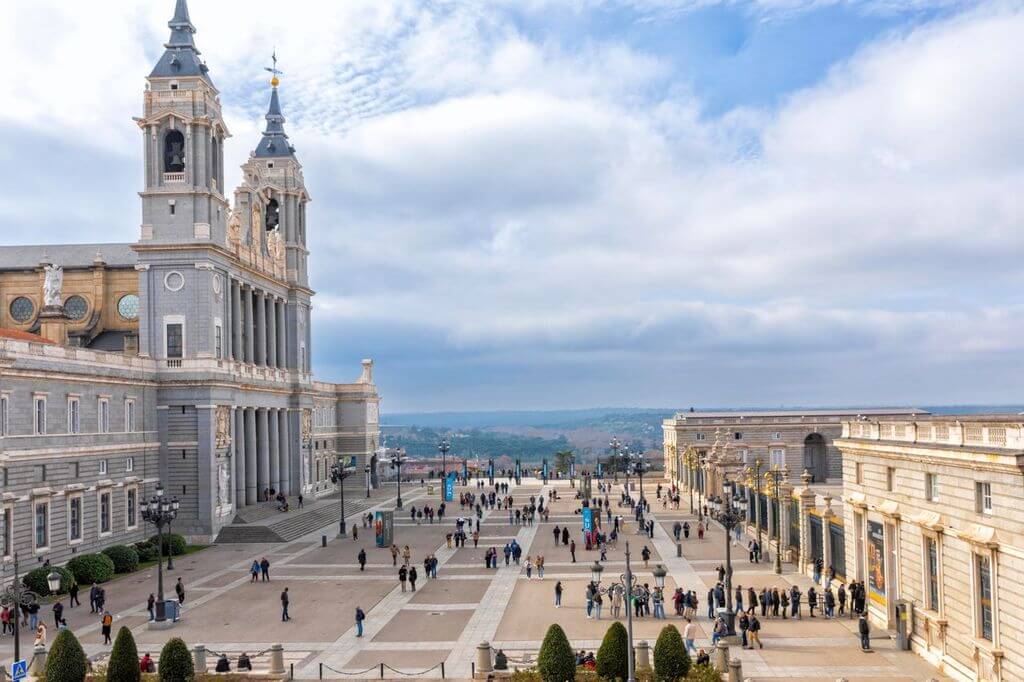
- The Royal Palace & Almudena Cathedral: Explore Western Europe’s largest operational royal palace. Built in the 18th century on a 9th-century Muslim fortress site, its 3,400 rooms house artistic treasures and a medieval armory. Finish the afternoon at the Neo-Classical and Neo-Romanesque Almudena Cathedral, ascending its dome for panoramic urban vistas.
Day 3: Gastronomic Discovery and Rooftop Culture
Madrid operates as an undisputed paradise for culinary adventurers.
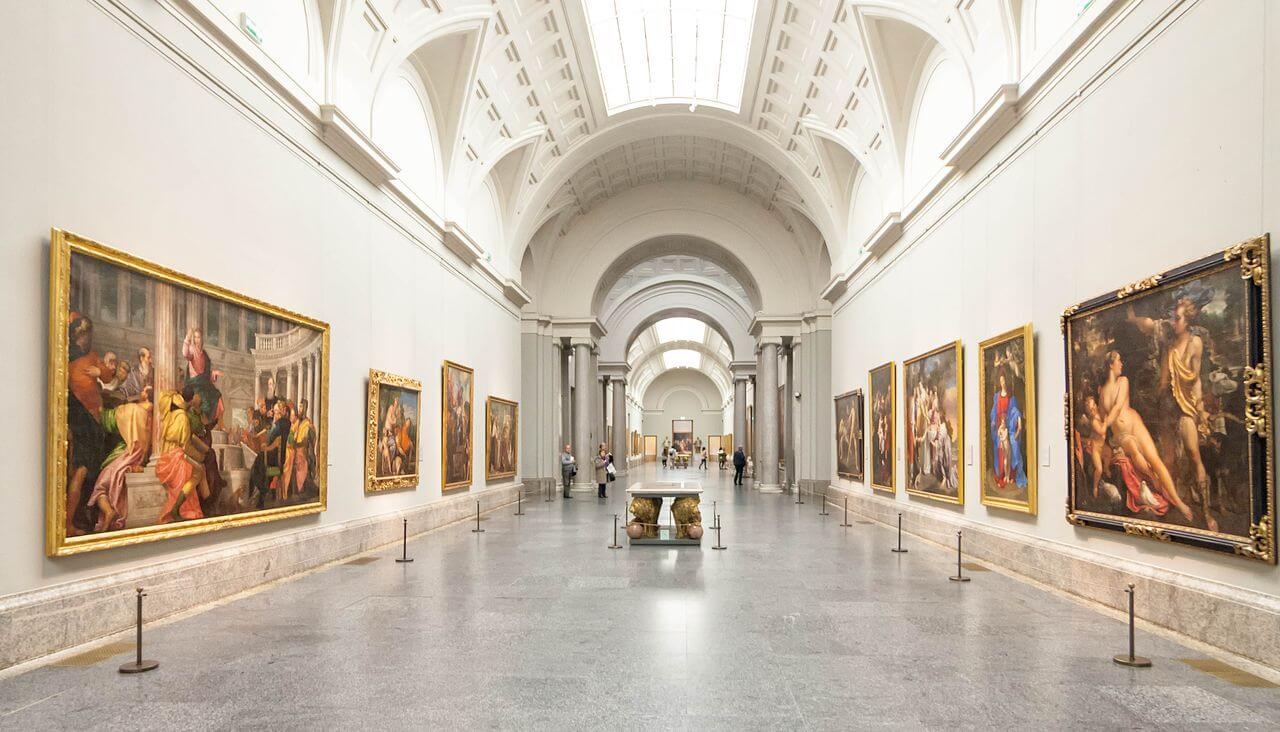
- Gastronomic Markets: Initiate the day at the glass-walled Mercado de San Miguel for gourmet tapas near Plaza Mayor, followed by neighborhood explorations at Mercado de San Antón in Chueca or Mercado de Vallehermoso.
- Historic Dining & Plant-Based Evolution: Secure a reservation at Sobrino de Botín, officially logged in the Guinness World Records as the world’s oldest continuously operating restaurant (and a favored haunt of Ernest Hemingway). Alternatively, navigate the thriving vegan and vegetarian hubs burgeoning in Malasaña.
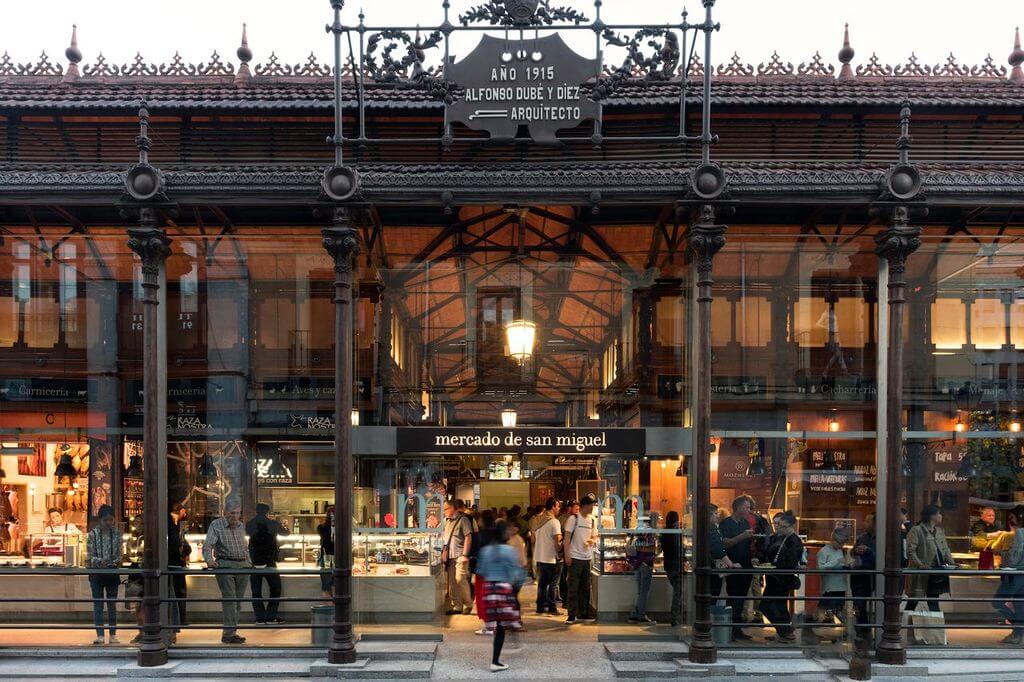
- Skyline Sunsets: As evening falls, ascend to Gran Vía’s premier rooftop bars—such as The Roof at Picalagartos or the RIU 360º Sky Bar—to experience Madrid’s thriving vertical nightlife against a 360-degree city skyline.
Day 4: Monumental UNESCO Day Trips
Venture beyond the metropolitan boundaries to explore the sweeping imperial architecture surrounding the capital.
- San Lorenzo de El Escorial: Located one hour away by car, this sprawling 16th-century granite monastery and royal pantheon commissioned by Philip II exemplifies austere, symmetrical Renaissance majesty.
- Aranjuez Royal Palace and Gardens: Situated south of Madrid, this former royal spring residence blends Renaissance and Baroque design, featuring lavish tapestries and horticultural landscapes that rival Versailles.
- Alcalá de Henares: A 45-minute journey delivers travelers to the birthplace of Don Quixote author Miguel de Cervantes, offering a remarkably preserved window into the Spanish Golden Age (1492–1659).
Day 5: Off-the-Beaten-Path Treasures and Urban Parks
Conclude the expedition by uncovering hidden cloistered convents and expansive green preserves.
- Monasteries of Art: Visit the Monastery of Las Descalzas Reales—founded in 1559 by Joanna of Austria and housing centuries of accumulated aristocratic art treasures—and the Royal Monastery of La Encarnación, renowned for its colorful frescoes and sacred relics.
- Casa de Campo: Wrap up your five-day itinerary in Madrid’s largest public park. Spanning 17 square kilometers (6.5 square miles), this historic green space features an artificial lake and scenic terraces overlooking the distant silhouette of the Royal Palace and Almudena Cathedral.
Supporting Data and Comparative Metrics
| Destination Metric | Madrid | Barcelona |
|---|---|---|
| Metropolitan Population | ~6.5 Million | ~5.7 Million |
| Annual International Visitors | 10M+ | 12M+ |
| Primary Architectural Style | Habsburg / Neo-Classical / Bourbon | Catalan Modernism / Gothic |
| Museum Density (Per Sq Km) | Extremely High (Prado, Thyssen, Reina Sofía core) | High (Picasso, Miró focus) |
| Pace of Daily Life | Late dinners, deep cultural immersion | Coastal, cosmopolitan, tourist-centric |
Data compiled from municipal tourism boards and European urban planning indices.
Official Responses and Tourism Implications
As European tourism patterns shift toward sustainable, decentralized urban exploration, Madrid’s municipal authorities and cultural ministries have enacted targeted strategies to protect the city’s historical integrity while accommodating rising visitor numbers.
In official statements released alongside infrastructural updates for major cultural anchors—such as the multi-year architectural restoration of the Sorolla Museum—city planners emphasize the decentralization of tourism. By promoting lesser-known institutions like the Museum of Romanticism and the monastic complexes of Las Descalzas Reales, Madrid aims to mitigate localized congestion around core landmarks like the Prado Museum and Plaza Mayor.
Furthermore, economic analysts note that Madrid’s deliberate cultivation of its culinary, plant-based, and neighborhood-level markets has successfully extended the average visitor length of stay from 2.8 days to over 4.2 days over the past decade. This shift signals a broader economic implication: travelers are increasingly treating Madrid not merely as a transit hub or a brief weekend stopover, but as a primary, multi-layered European destination requiring deep, unhurried engagement.