GLOBAL TRAVEL INDUSTRY — For decades, staying connected while crossing international borders involved a tedious ritual: hunting down local SIM cards at airport kiosks, swapping tiny pieces of plastic, dealing with exorbitant carrier roaming fees, or managing a patchwork of short-term digital profiles.
In recent years, the rise of embedded subscriber identity modules (eSIMs) revolutionized travel tech, allowing users to digitally download a local carrier profile via an app or QR code. Yet, until recently, even the best eSIM products remained transactional: buy a package for a specific country, use it up, and repeat the process when moving to the next destination.
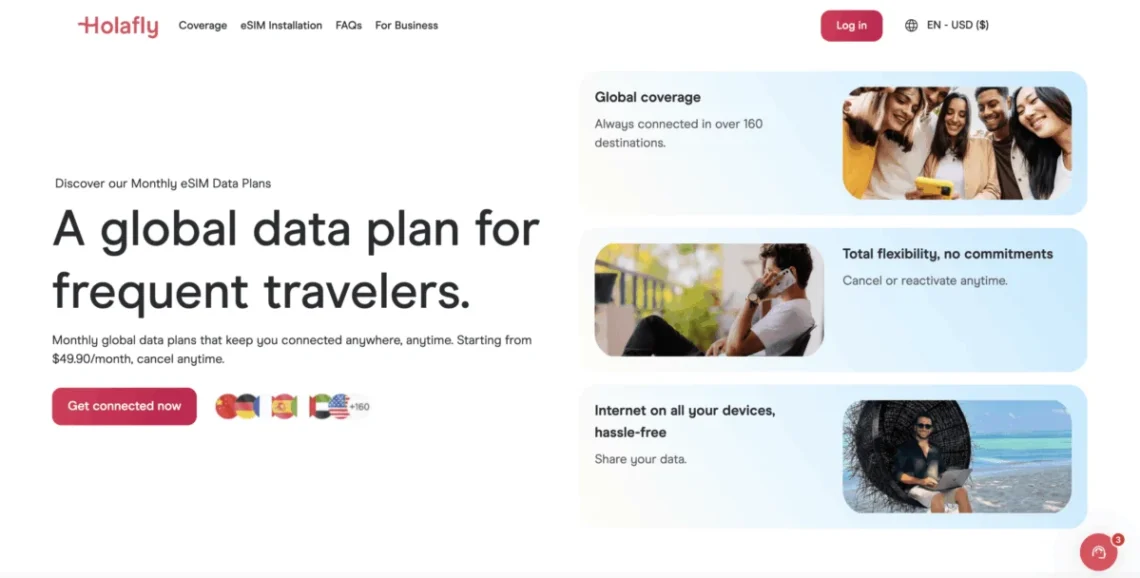
Now, the digital nomad and frequent flyer market is experiencing another structural shift. Travel tech provider Holafly has officially launched Holafly Plans, an ongoing, multi-destination subscription service designed to eliminate the friction of cross-border data management. Long-term travelers, remote workers, and travel advocates are closely watching how this subscription-first architecture compares to legacy carrier models and single-trip eSIM products.
Main Facts: What Are Holafly Plans?
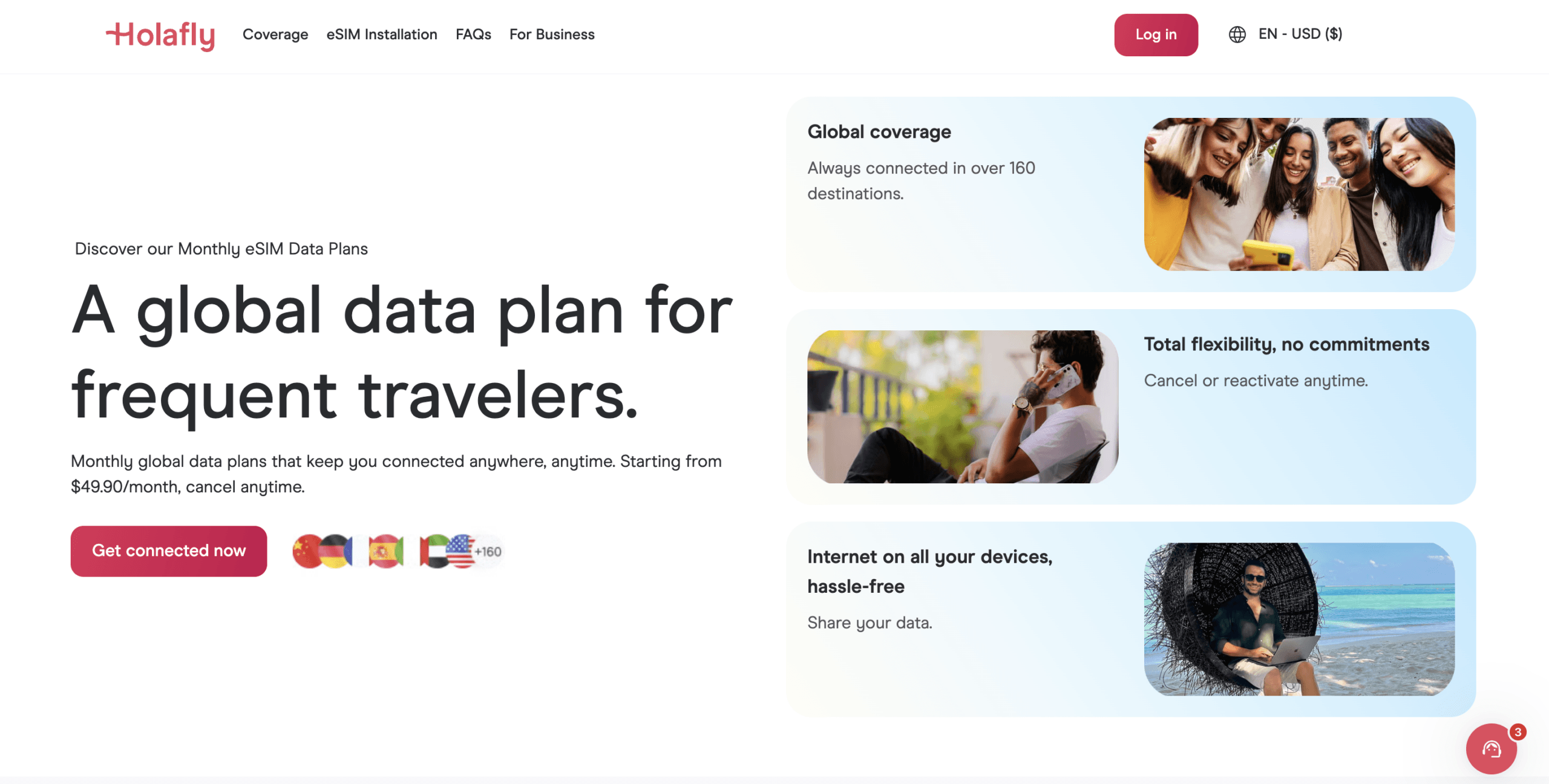
At its core, Holafly Plans introduces a software-based global subscription model that spans over 160 destinations under a single eSIM profile. Unlike traditional prepaid eSIMs that require users to buy a new package for every country visited, Holafly Plans utilizes an ongoing connection that automatically re-establishes network service upon arrival in a new country.
Key architectural features of the product include:

- Global Coverage: Seamless connectivity across 160+ countries without the need to switch profiles, scan new QR codes, or purchase regional add-ons.
- Two Core Tiers:
- The Unlimited Plan: Features uncapped data, an unlimited mobile hotspot for tethering laptops and other devices, and an included local phone number (from the US, UK, or Canada) capable of receiving SMS messages.
- The Light Plan: Offers a structured allowance of 25GB of high-speed data per month, complete with hotspot capabilities and the same 160+ destination coverage.
- Flexible Billing: Available in monthly, quarterly (approx. 10% savings), and annual (approx. 15% savings) payment structures with no long-term carrier contracts required.
- "Always On" Safety Net: Both plans include 1GB of monthly backup data for life, which remains active even if the user completely cancels their paid subscription.
Chronology: The Shift from Physical Cards to Global Subscriptions
The journey toward frictionless international roaming has evolved rapidly over the past decade:
- The Era of Physical Roaming (Pre-2018): Travelers relied heavily on home-country carrier packages—often costing $10 per day—or navigated language barriers in foreign airports to purchase local physical SIM cards.
- The Rise of Prepaid eSIMs (2018–2023): Technology companies and travel startups introduced digital eSIMs. Consumers could pre-purchase country-specific data bundles online, scanning a QR code before departure. While cheaper than traditional roaming, multi-country itineraries still required purchasing multiple distinct eSIMs.
- Regional and Global Bundles (2023–2025): Providers introduced regional packages (e.g., "Europe" or "Asia" passes), which simplified travel within continents but still maintained expiration dates and hard data caps, necessitating frequent repurchasing.
- The Subscription Model Launch (2026): With the introduction of Holafly Plans, the industry has transitioned into a standing utility model. By moving to a recurring subscription framework that mirrors domestic mobile plans, the product targets continuous travelers who view data as an essential, uninterrupted utility rather than a temporary vacation add-on.
Supporting Data: Cost and Utility Comparison
For digital nomads, remote workers, and multi-destination travelers, the financial and logistical burden of data has historically been high. Traditional domestic carriers in major markets like the United States often charge prohibitive monthly rates for international roaming, or severely throttle speeds after a low initial threshold.
A comparative breakdown highlights the structural differences between Holafly’s new subscription model, legacy carrier roaming passes, and traditional single-trip eSIMs:
| Feature / Metric | Holafly Plans (Unlimited Tier) | Major US Carrier Roaming Pass | Traditional Single-Trip eSIMs |
|---|---|---|---|
| Average Monthly Cost | ~$55 – $65 USD (depending on billing cycle) | $100 – $300+ USD ($10/day add-on model) | $60 – $120 USD (variable by region/usage) |
| Data Allowance | Truly Unlimited (No caps) | Capped at high speeds, then aggressively throttled | Varies by package (typically 5GB–10GB bundles) |
| Setup & Friction | Zero. Installed once; auto-updates across 160+ countries. | Low logistical friction, but exceptionally high cost. | High. Requires constant repurchasing, QR scanning, and swapping. |
| Hotspot Tethering | Fully included for multiple devices. | Frequently restricted, metered, or throttled. | Varies widely by local network operator rules. |
| Contract Flexibility | Monthly, quarterly, or annual options; cancel anytime. | Typically tied to domestic post-paid carrier contracts. | One-off transactional purchase per trip. |
Official Responses and Industry Reception
Travel industry analysts and frequent travelers have responded positively to the launch, noting that the subscription approach bridges the gap between expensive domestic carrier plans and cumbersome prepaid tourist cards.
Travel commentators and industry experts have pointed out that traditional carriers have long overcharged consumers for international data access. By offering an unlimited tier complete with hotspot sharing—crucial for professionals running laptops abroad—Holafly addresses a major pain point for the digital nomad community. Furthermore, the inclusion of a 6-month refund policy provides a level of consumer protection that exceeds standard industry practices for digital software products.
Consumer advocates, however, note certain limitations. For instance, transitioning between the Light and Unlimited tiers currently requires canceling an existing subscription and initiating a new one, as seamless in-place tier upgrades are not yet supported.
Implications for Travelers, Nomads, and the Telecom Market
The introduction of continuous global eSIM subscriptions carries significant implications for the broader telecommunications and travel ecosystems:
1. Disruption of Legacy Roaming Revenue
Major telecommunication companies have historically relied on international roaming fees as high-margin revenue streams. Products like Holafly Plans put downward pressure on these prices, forcing traditional carriers to reconsider their global value propositions or risk losing outbound travelers entirely to software-first disruptors.
2. Empowerment of the Remote Workforce
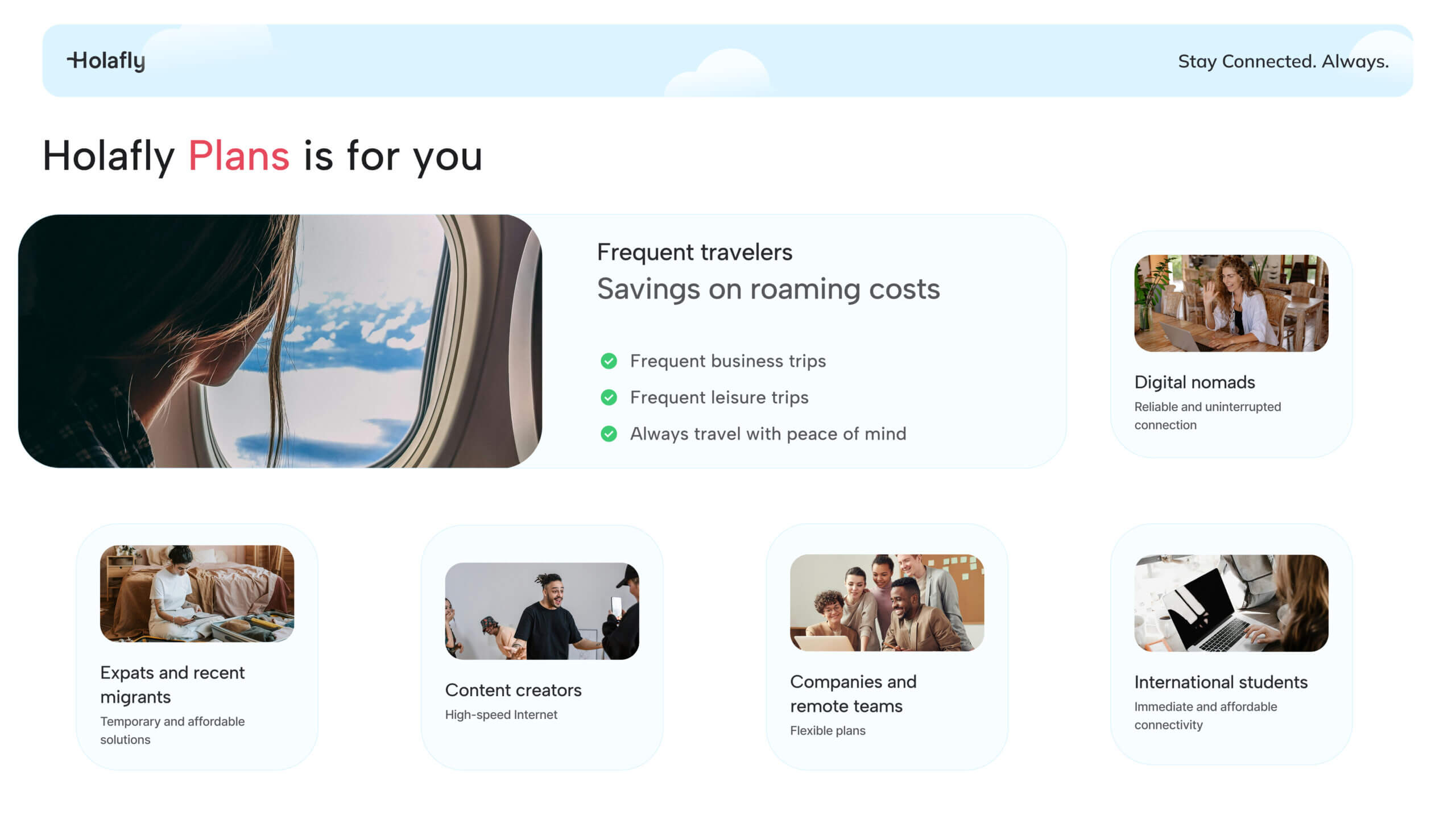
As remote work and digital nomadism mature into permanent global lifestyles, infrastructure needs to catch up. Workers who cross multiple national borders in a single month require stable, uninterrupted connections for video conferencing, cloud computing, and large file transfers. Unlimited data coupled with native hotspot capabilities removes the anxiety of sudden connectivity loss mid-workday.
3. Shift Toward "Utility" Travel Tech
Travel technology is increasingly moving away from transactional, trip-by-trip purchases toward recurring utility models. Much like streaming services or cloud storage, consumers increasingly expect their digital services—including connectivity—to function seamlessly across geographic boundaries without requiring manual maintenance.
Summary and Final Verdict
Holafly Plans represents a logical maturation of the eSIM market. For travelers taking a single, two-week vacation to one country, traditional single-destination eSIMs remain the most cost-effective solution.
However, for long-term travelers, frequent fliers, and digital nomads who spend months away from their home countries, a standing global subscription offers unmatched convenience, significant cost savings, and freedom from data anxiety. By combining multi-country coverage, unlimited data, hotspot support, and an ongoing subscription framework, the product establishes a new benchmark for international mobile connectivity.