
For decades, the standard Western toilet has remained a silent, ubiquitous fixture in our lives. Yet, emerging research suggests that our modern bathroom architecture may be fundamentally at odds with human anatomy. As we navigate a global crisis of digestive health, from chronic constipation to more severe colonic issues, scientists are increasingly turning their attention to a seemingly trivial subject: the angle at which we sit.
The Anatomy of the Anorectal Angle
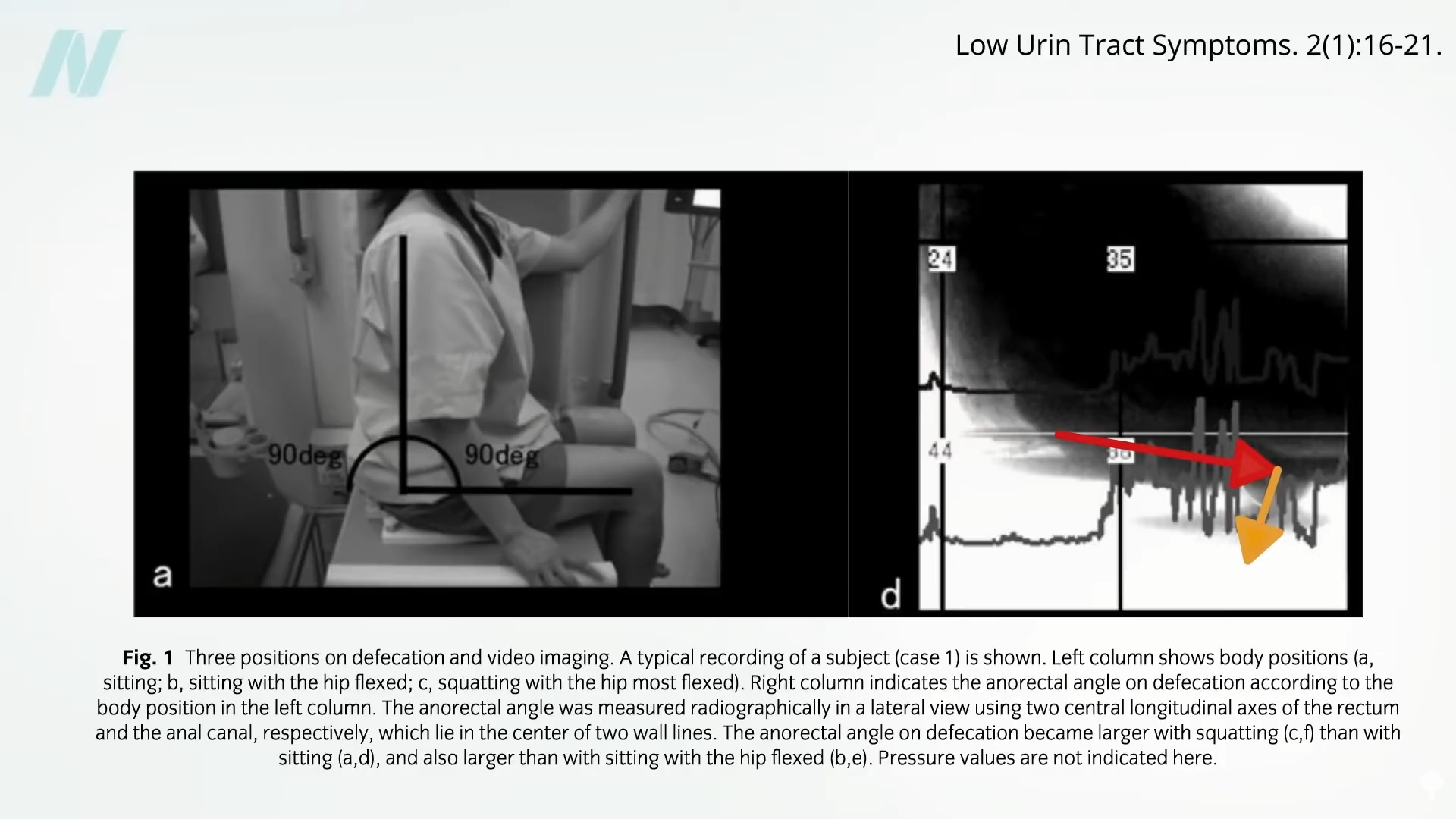
To understand why the "sitting" position is increasingly viewed as problematic, one must first look at the human body’s internal plumbing. In the standard, upright seated position common to most Western households, the body maintains what is known as an "anorectal angle."
This angle, essentially a 90-degree bend in the rectum, serves a vital evolutionary purpose. It acts as a physiological "parking brake," preventing involuntary evacuation and maintaining continence. When we sit upright on a traditional toilet, this muscle remains partially constricted, requiring the individual to strain to overcome the resistance. In essence, the modern toilet design forces the body to work against its own mechanical efficiency, creating a bottleneck that can lead to incomplete evacuation, hemorrhoids, and the widespread reliance on laxatives.
In contrast, the squatting position—the global standard for much of human history and still the norm across vast regions of Asia and Africa—naturally straightens the rectum. By bringing the knees closer to the chest, the anorectal angle relaxes, allowing for a straight-shot, gravity-assisted passage of stool.
A Chronology of the "Squatting" Movement
The debate over bathroom ergonomics is not entirely new, but it has gained significant momentum in the last decade.
- 1970s–1980s: Early medical literature began to note the discrepancy between Western constipation rates and those in non-industrialized nations. Experts hypothesized that the "porcelain throne" was a contributing factor to the rise of conditions like diverticulitis and hemorrhoids in the West.
- 2003: A pivotal study published in the Journal of Clinical Gastroenterology investigated the impact of different positions on bowel evacuation. While the study was inconclusive regarding self-reported difficulty, it sparked a broader conversation about the biomechanics of the pelvic floor.
- 2010s: The rise of commercial "Defecation Posture Modification Devices" (DPMDs), most notably the Squatty Potty, brought the topic into the mainstream consumer market. These devices promised to bridge the gap between the comfort of a chair and the efficacy of a squat.
- 2018: Research published in the Journal of Clinical Gastroenterology provided a more robust validation of DPMDs, demonstrating that users experienced higher feelings of bowel emptiness and a measurable reduction in straining.
The Evidence: From "Squatty" to "The Thinker"
The implementation of the Squatty Potty, a six-to-seven-inch riser designed to elevate the knees, has yielded promising results. In controlled observations, participants using such devices reported a decrease in the time spent on the toilet—often by as much as a minute per session.

However, there is a catch: comfort. Early studies into six-inch risers were met with significant pushback from participants who found the position physically demanding, leading to high dropout rates in clinical trials.
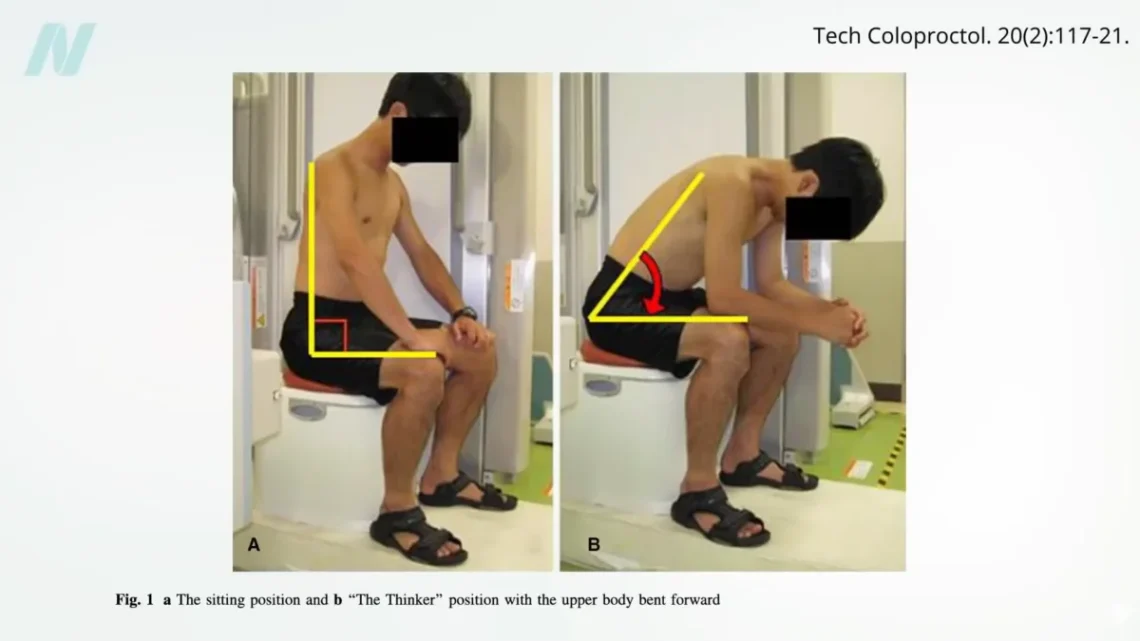
This led researchers to investigate alternative methods to achieve the same anatomical alignment without the need for bulky equipment. Enter "The Thinker" position—a posture inspired by the famous Auguste Rodin sculpture. By leaning forward with the elbows resting on the knees, the body naturally pivots into an angle that mimics the benefits of squatting.
Cleveland Clinic researchers employed cinedefecography—a specialized X-ray technique that captures the internal movement of the rectum during defecation—to analyze this position. The results were striking: "The Thinker" posture was found to open the anorectal angle to over 130 degrees. This significantly outperformed standard foot-raising stools, which typically only reach the 90-degree range. While "The Thinker" has yet to be subjected to large-scale clinical trials for constipation, the preliminary data on the anorectal angle suggest it may be the most efficient, non-invasive method for bowel evacuation currently identified.
The Hidden Dangers of Straining
The implications of poor posture extend beyond mere inconvenience. Straining on the toilet is not just uncomfortable; it is a cardiovascular event.
When an individual pushes to overcome the anatomical resistance of an upright position, it triggers a spike in blood pressure within the heart and brain. In the elderly or those with compromised cardiovascular health, this Valsalva maneuver can be dangerous. Data from Japan has suggested that the act of straining is a common precipitating event for cardiac emergencies, including strokes and heart attacks, particularly among those who are bedridden or using a bedpan. Ensuring patients are positioned correctly—ideally as upright and supported as possible—is a critical, yet often overlooked, component of clinical nursing care.
The Fiber Factor: Are We Blaming the Wrong Thing?
Despite the enthusiasm for "squatting," some experts urge a measured perspective. A 50-year-old commentary remains relevant today: Is the position to blame, or is it the diet?
In many cultures where squatting is the norm, the diet is significantly higher in fiber, consisting of unprocessed, natural foods. High-fiber diets produce larger, softer stools that pass with minimal effort, regardless of whether one is perched on a hole or sitting on a throne.
Critics of the "squatting movement" argue that if Westerners addressed the fundamental lack of fiber in their diets, the need for bathroom modifications would vanish. The "modern plague" of constipation may be less about our plumbing and more about our processed, fiber-deficient food environment. In this view, changing the design of our dinner plate is just as important—if not more so—than changing the design of our bathroom.
Implications for Public Health
The movement toward "natural" defecation postures highlights a broader shift in medicine: the return to evolutionary biology to solve chronic lifestyle diseases. While physicians have historically been hesitant to discuss bowel habits—often dismissed as an "unmentionable" topic—the growing body of research suggests that this reticence may be doing patients a disservice.
Key Takeaways for the Consumer:
- Posture Matters: If you are experiencing difficulty, a simple adjustment in posture—leaning forward in a "Thinker" pose—can significantly alter your internal anatomy to favor easier evacuation.
- Equipment vs. Mechanics: While DPMDs like the Squatty Potty are effective, they are not a silver bullet. Comfort is a factor, and if a device causes physical strain, it may not be the right solution for you.
- Diet is the Foundation: No amount of squatting can compensate for a diet devoid of fiber. Before investing in hardware, ensure your intake of legumes, whole grains, and fruits is optimized.
- Listen to Your Body: Straining is a sign that something is not right. If you find yourself consistently needing to force a bowel movement, it is a medical symptom that warrants a conversation with a healthcare professional, rather than just an adjustment in bathroom furniture.
Ultimately, the goal is to align our modern lifestyles with the constraints of our biological design. Whether that means a footstool, a specific leaning technique, or simply eating more prunes and fiber, the path to a healthier digestive system lies in recognizing that our bodies were never designed for the rigid, 90-degree constraints of the Western toilet. By taking a step back and looking at the mechanics of our daily routines, we can turn a routine, "unmentionable" task into a more efficient, safer, and healthier habit.