For many, the first sign of spring is the sudden, defiant emergence of bright yellow trumpets poking through the thawing soil. Yet, to dismiss the Narcissus—commonly known as the daffodil—as a mere harbinger of warmer weather is to overlook one of the most diverse, resilient, and sophisticated genera in the botanical world. At the forefront of this floral renaissance is a growing movement of horticulturists and specialty growers who are transforming our understanding of this humble bulb, moving far beyond the mass-market, uniform varieties of the past.
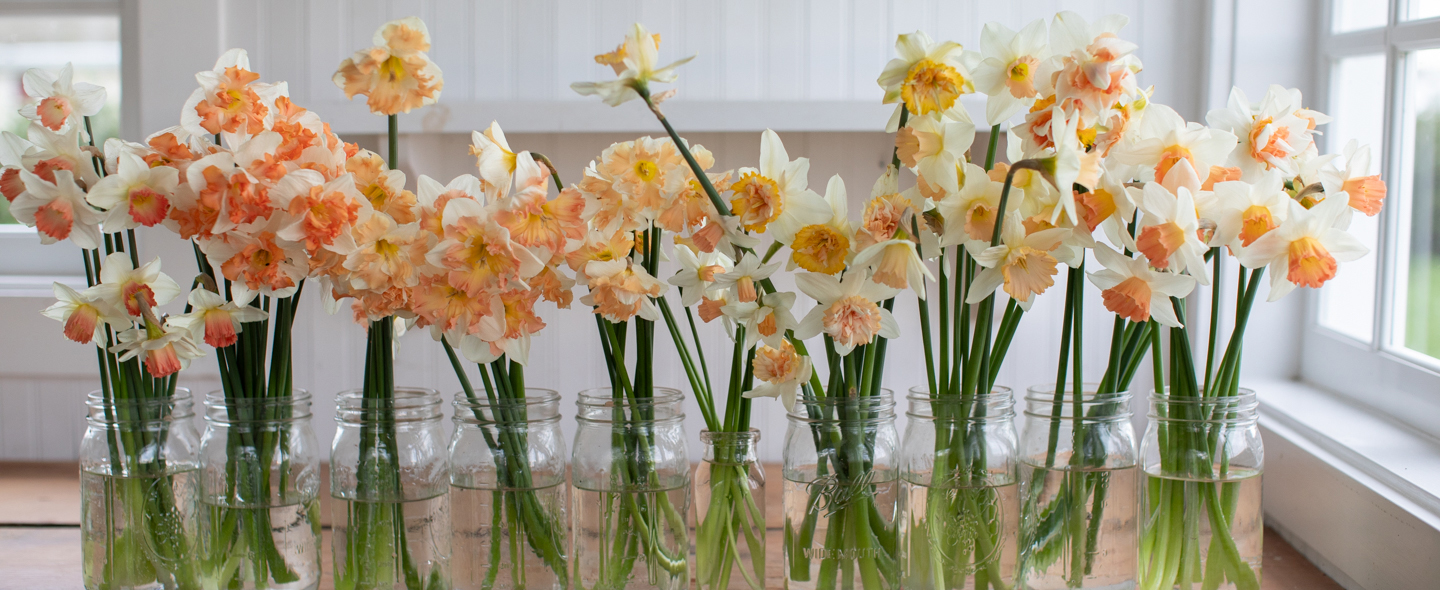
Main Facts: The Resilience and Versatility of Narcissus
The appeal of the daffodil is grounded in its extraordinary biological tenacity. As a cold-hardy perennial, the Narcissus genus is uniquely suited to a vast array of climate zones. Unlike many delicate spring bulbs that require constant intervention, daffodils are noted for their ability to perennialize, meaning they return year after year, often multiplying into dense, thriving colonies.
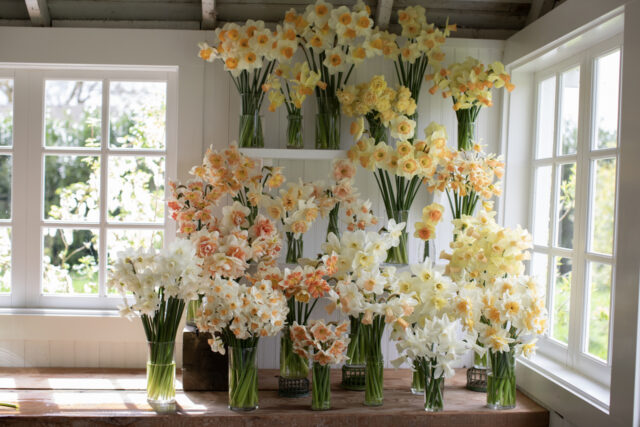
Their practical benefits for the home gardener and professional florist are manifold:
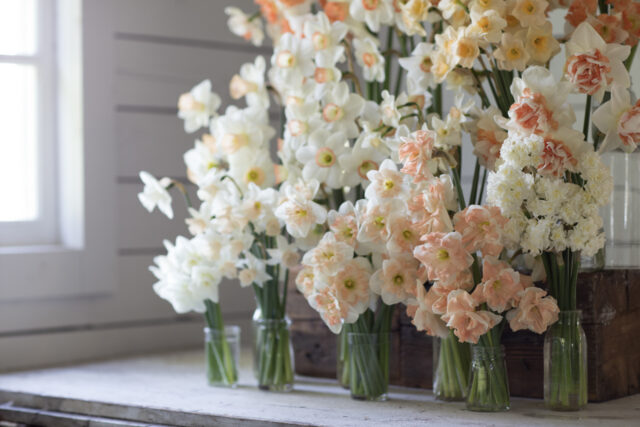
- Climate Resistance: They possess a remarkable tolerance for the erratic, wet, and freezing conditions that define early spring, making them a reliable staple in volatile climates.
- Pest Deterrence: In an era where deer and rodent damage can devastate a garden, daffodils remain largely untouched, thanks to the natural toxicity of their sap.
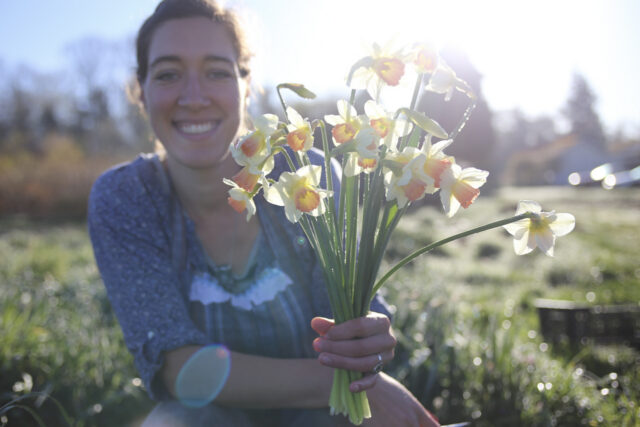
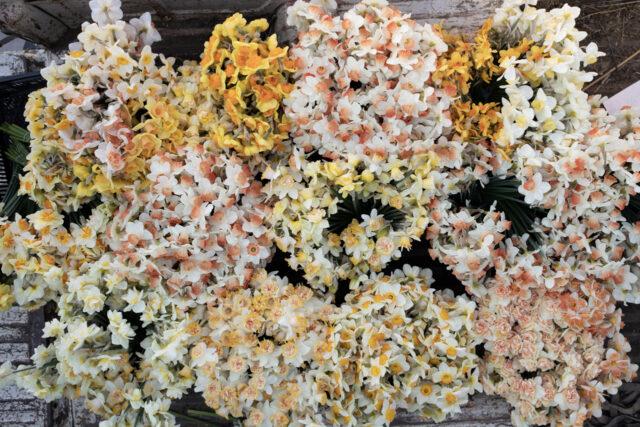
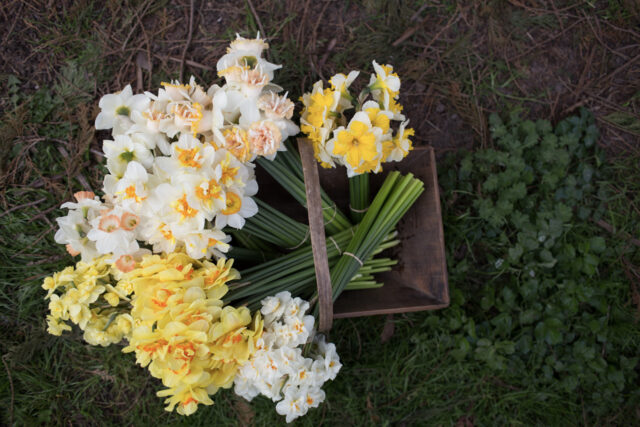
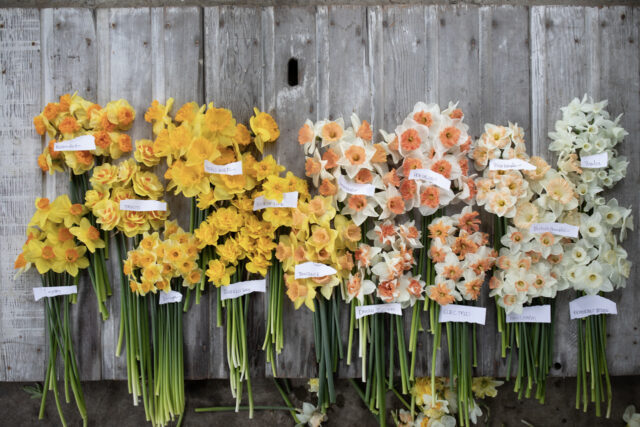
- Fragrance and Form: Modern breeding has pushed the envelope of the species. Beyond the classic trumpet shape, cultivars now feature shaggy, double blooms, delicate bell-like clusters, and iridescent color palettes that include soft blushes and deep, strawberry-hued throats.
A Chronological Shift: From Commodity to Cultivar
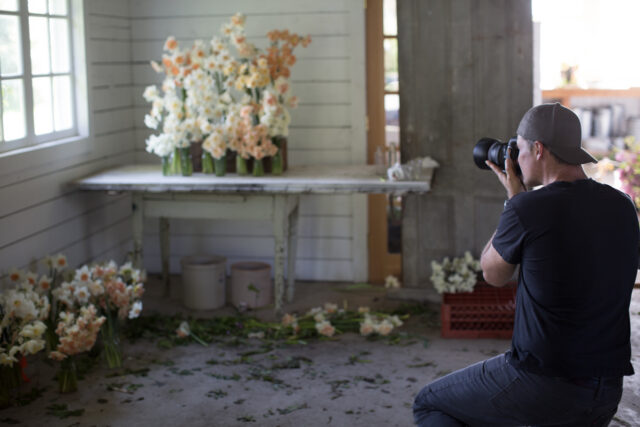
The perception of the daffodil has undergone a significant evolution over the last two decades. For many early-career flower farmers, the daffodil was seen as a commodity—a "plastic-looking" staple produced for wholesale markets. However, a pivotal shift occurred through international collaboration, specifically with traditional Dutch flower farmers who have spent generations honing the genetics of bulbous plants.
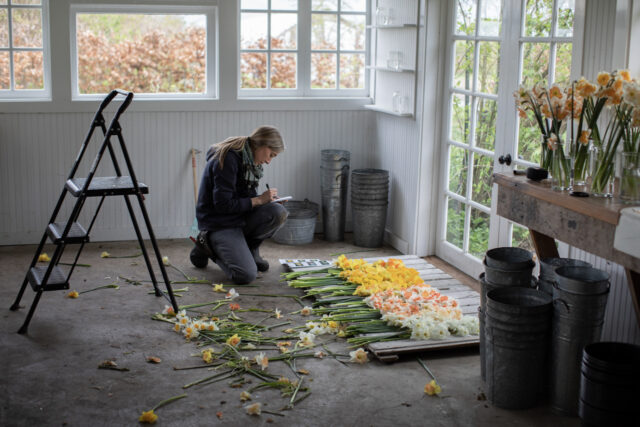
Exposure to these specialized fields—where dozens of unique, heirloom, and experimental cultivars reside—revealed a hidden world of biodiversity. This transition from "one-size-fits-all" yellow blooms to a curated collection of over 240 distinct varieties marks a shift in the industry’s aesthetic. What began as a search for long-stemmed, showy flowers for commercial cutting has morphed into a passionate pursuit of botanical artistry, where the criteria for a "great" flower now include nuanced petal texture, fragrance, and the intricate architecture of the bloom.
Supporting Data: Managing the "Slimy" Secret
While daffodils are undeniably robust, their integration into floral arrangements requires a specific, scientifically understood technique. The primary challenge for designers is the "slimy" sap that characterizes the Narcissus stem. This substance, which serves as a natural defense mechanism against herbivores, is paradoxically toxic to other cut flowers.
The Conditioning Protocol
To utilize daffodils in mixed bouquets without compromising the longevity of other stems, professional florists adhere to a strict conditioning process:
- Isolation: Freshly cut stems must be placed in a dedicated container of cool water, away from other flowers, for a period of two to three hours.
- Callusing: During this window, the cut end of the stem forms a callus, effectively sealing the vascular system and stopping the flow of the toxic sap.
- The "No-Recut" Rule: Once conditioned, these stems can be safely added to mixed arrangements. Crucially, the stems must not be recut, as doing so would break the seal and re-initiate the flow of sap, jeopardizing the arrangement.
When these steps are followed, the vase life of a properly harvested daffodil—ideally picked at the "gooseneck" stage before the bud fully opens—can reach upwards of seven days.
Horticultural Implications: Naturalizing the Landscape
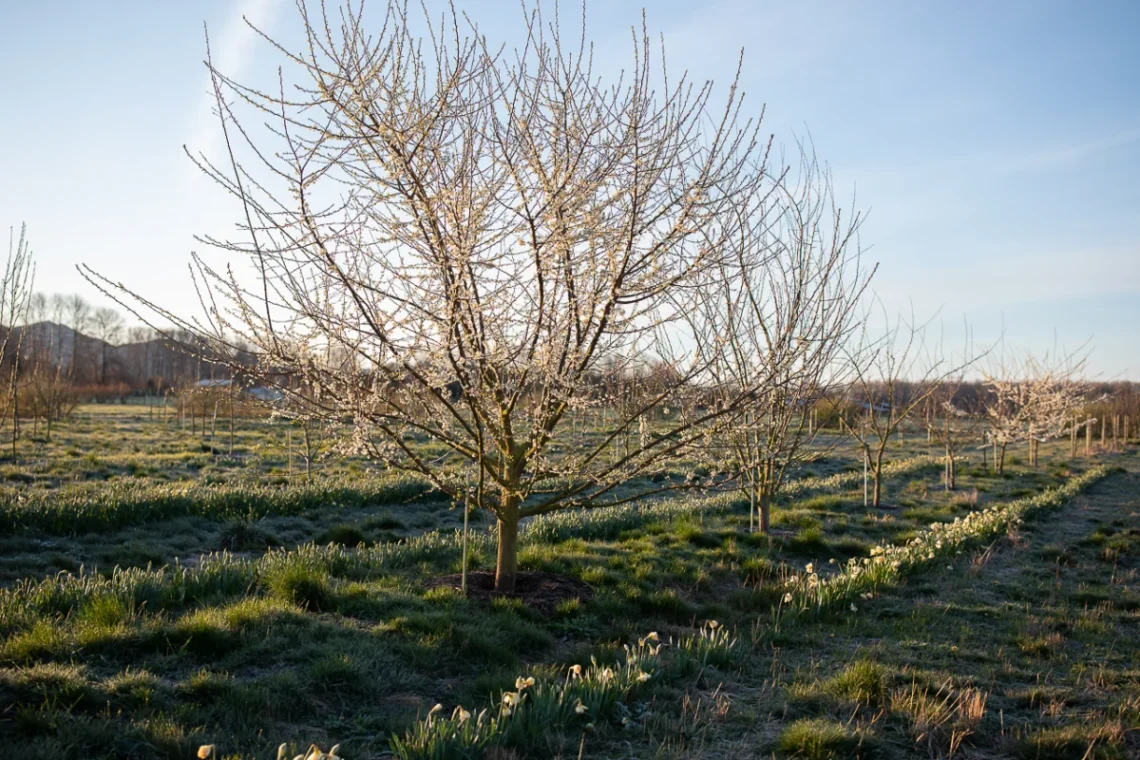
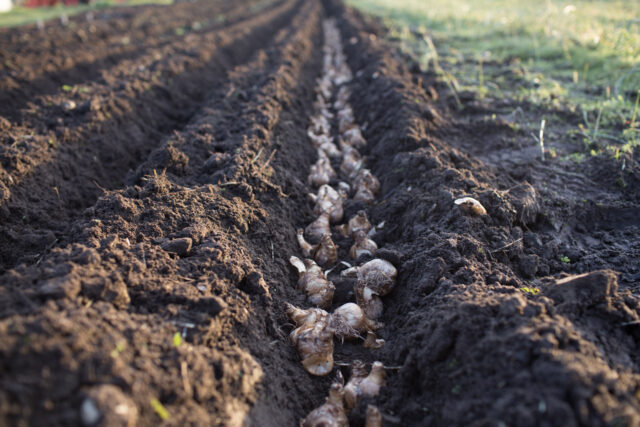
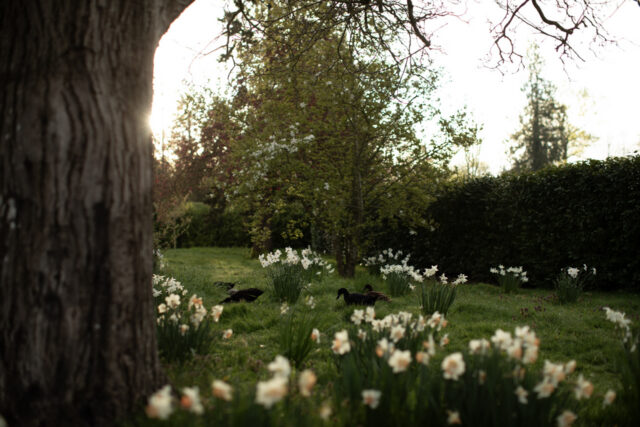
The method of planting has also seen a departure from the rigid, industrial-style row cropping of the past. Influenced by the philosophy of legendary gardeners like Tasha Tudor, there is a growing trend toward "naturalizing"—the practice of planting bulbs in informal, sweeping drifts that mimic wild growth patterns.
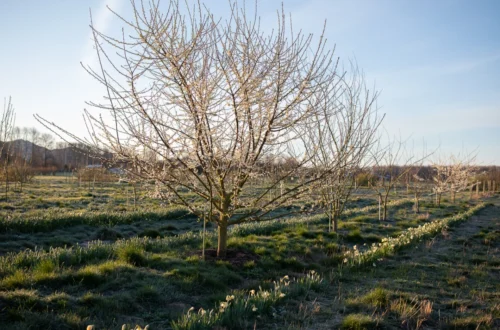
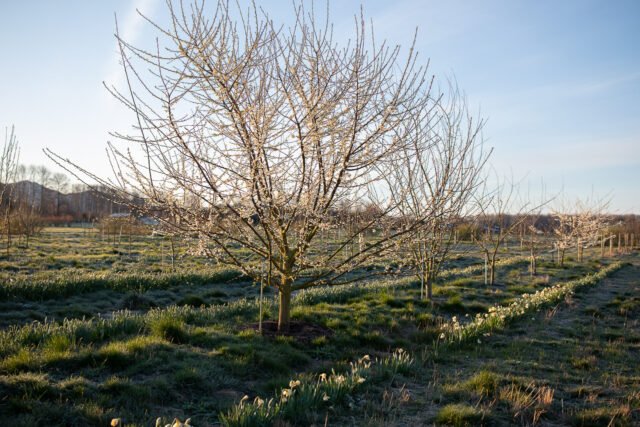
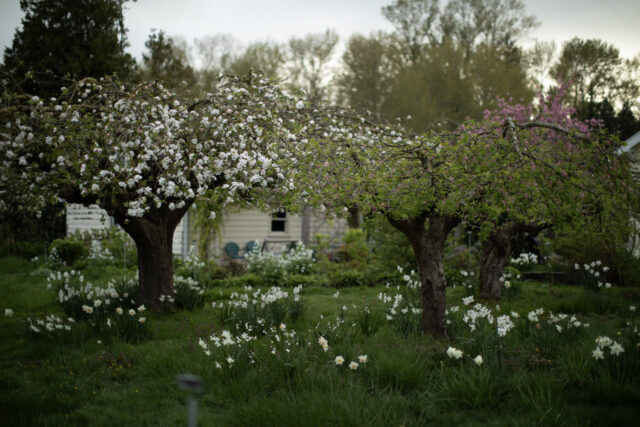
In large-scale operations, such as those maintained by premier flower farms, this has led to the integration of bulbs into non-traditional spaces, such as orchards. By planting tens of thousands of bulbs at the base of fruit trees, growers create a symbiotic aesthetic: the daffodils bloom in harmony with the apple blossoms, providing a visual spectacle that feels organic rather than manufactured. This approach not only maximizes land utility but also promotes a healthier, more sustainable soil environment by minimizing the need for constant tilling and disruption.
Expert Perspectives on Future Sourcing
For those looking to expand their own collections, the current market is more accessible than ever, yet it remains competitive. Leading experts suggest that the most effective way to secure rare and high-quality bulbs is through strategic early-season ordering.
Specialty breeders often release their limited stock simultaneously with the bloom season of the previous year. For enthusiasts, this creates a window of opportunity to scout specific traits—such as color saturation or stem strength—in real-time, then place orders immediately for autumn planting. The consensus among top-tier growers is that while wholesale distributors offer volume, the true "treasures" of the gardening world are found in the catalogs of small, specialty breeders who prioritize genetic diversity over mass-market appeal.
Conclusion
The daffodil is no longer the predictable, static flower of our grandparents’ gardens. Through a combination of intentional breeding, better understanding of plant physiology, and a move toward naturalized, ecological gardening, the Narcissus has reclaimed its place as a sophisticated, versatile, and essential component of the modern landscape. Whether it is the subtle iridescence of a new cultivar or the wild, sweeping beauty of a naturalized drift, the daffodil remains a testament to the enduring power of nature’s most reliable spring arrival.
As we look toward the future of horticulture, the focus on diversity and intentionality ensures that this "standout in the garden" will continue to evolve, offering new layers of beauty to those willing to look past the surface of the standard yellow bloom.