Main Facts
Mashed potatoes have long reigned supreme as the ultimate comfort food. Creamy, buttery, and deeply savory, they are a fixture of holiday tables, Sunday roasts, and casual weeknight dinners alike. However, despite their widespread culinary appeal, traditional mashed potatoes suffer from a significant nutritional limitation: they are notoriously low in protein. For health-conscious home cooks striving to meet specific daily macronutrient goals, a standard helping of mashed potatoes often feels like an indulgence that doesn’t pull its weight nutritionally.
Enter a remarkably simple, budget-friendly solution hiding in plain sight on pantry shelves everywhere: canned tuna.
By combining creamy mashed potatoes with tinned fish, home cooks can instantly transform a carbohydrate-heavy side dish into a protein-packed, balanced meal. Canned tuna is a uniquely convenient ingredient. Because it is shelf-stable and fully cooked during the canning process, it requires zero prep work or temperature monitoring before consumption. Furthermore, it packs an extraordinary nutritional punch. Depending on the brand and variety, a single can of tuna can deliver anywhere from 23 to over 33 grams of protein.
Integrating these two ingredients requires very little culinary wizardry. Whether layered together into a warm, cheese-topped casserole or combined and pan-fried into crispy golden patties, mashed potatoes and canned tuna offer a versatile canvas for quick weeknight dinners that satisfy both comfort food cravings and nutritional requirements.
Chronology
The intersection of tinned fish and carbohydrate-based comfort foods is not a novel concept, though its modern resurgence is closely tied to shifting consumer habits.
- The Mid-20th Century Pantry Era: Canned tuna established itself as a cornerstone of Western domestic cooking following World War II. Valued for its long shelf life, affordability, and high protein content, it quickly found its way into staples like tuna noodle casseroles and tuna salad sandwiches. However, its pairing with potatoes remained largely relegated to frugal household cooking rather than mainstream culinary innovation.
- The Pandemic-Era Tinned Fish Renaissance: Between 2020 and 2022, social media platforms experienced a massive surge in the popularity of tinned seafood. Consumers sheltering at home rediscovered gourmet canned fish, transforming simple pantry items into trendy, aesthetic meals. This cultural shift destigmatized canned seafood, paving the way for creative crossovers with everyday staples like potatoes.
- The Modern Nutritional Pivot: In recent years, public focus has increasingly shifted toward protein optimization, muscle recovery, and blood sugar management. As consumers look for ways to boost protein intake without heavily increasing grocery budgets, culinary experts have begun re-evaluating traditional comfort foods, leading to the popularization of protein-boosted mashed potato variations utilizing canned fish.
Supporting Data
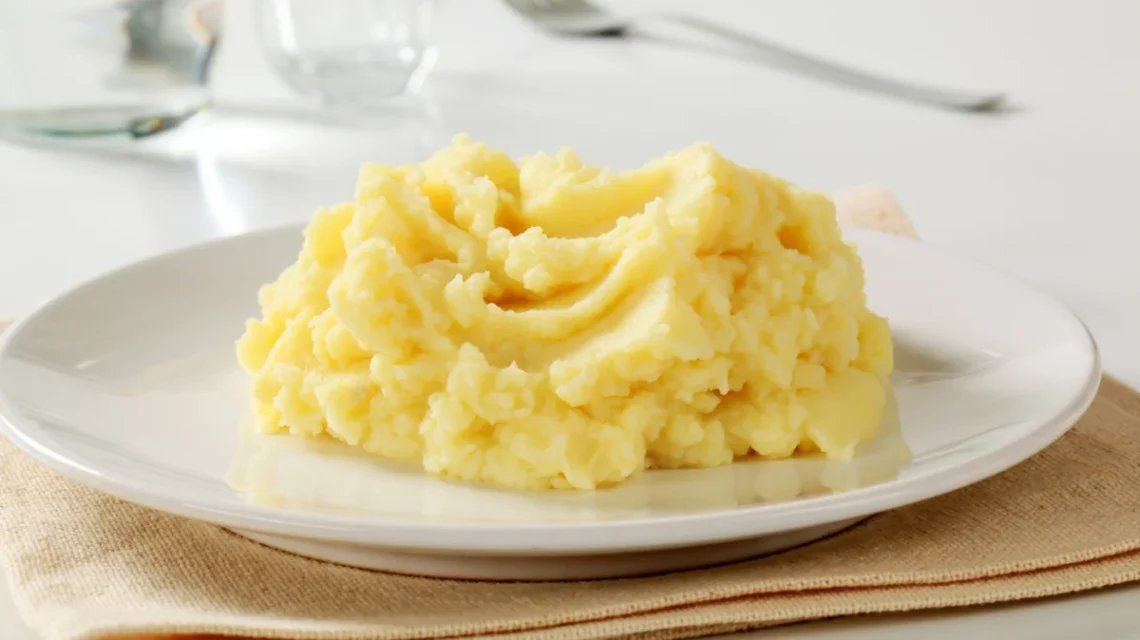
To understand the profound impact of adding canned tuna to mashed potatoes, one must look closely at the nutritional data. A standard one-cup serving of homemade mashed potatoes (made with whole milk and butter) contains roughly:
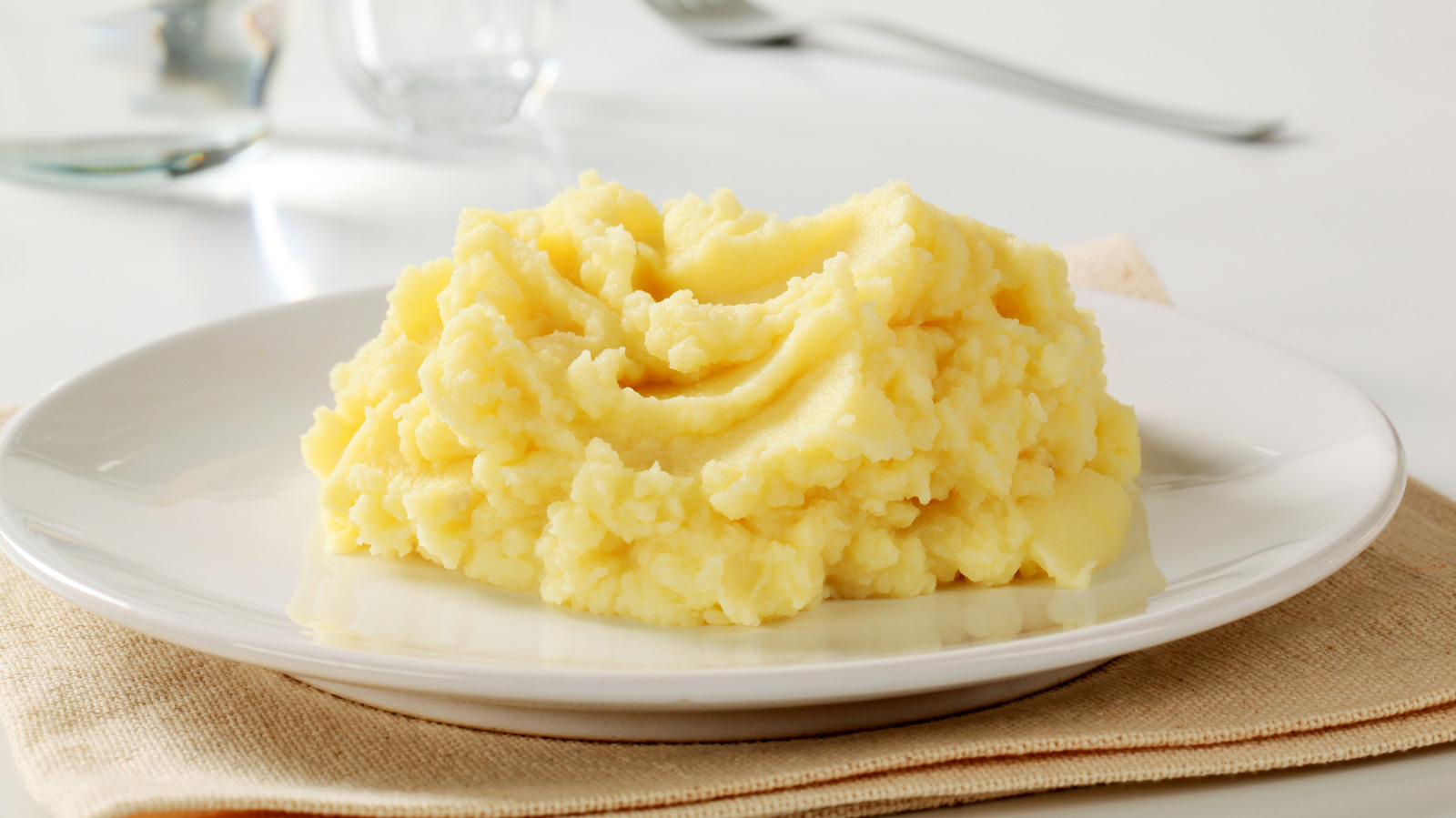
- Calories: 210 to 240
- Carbohydrates: 30 to 35 grams
- Fat: 8 to 10 grams
- Protein: 3 to 4 grams
While rich in potassium and Vitamin C, the protein content is clearly minimal. By incorporating a standard 5-ounce can of tuna into the dish, the nutritional landscape shifts dramatically. Here is how various popular brands stack up in terms of protein content per serving:
- Bumble Bee Chunk Light Tuna (in water): Delivers approximately 23 grams of protein per can, along with a mild flavor profile that blends seamlessly into potato mixtures.
- StarKist Solid White Albacore Tuna (in water): Offers roughly 26 grams of protein, boasting a firmer texture and a slightly richer taste.
- Wild Planet Premium Wild Albacore Tuna: Tops the chart at an impressive 33 grams of protein per can, sustainably caught and rich in omega-3 fatty acids.
By folding even half a can of tuna into a standard portion of mashed potatoes, a diner can easily double or triple their protein intake, turning a carbohydrate-heavy side dish into a macronutrient-balanced meal.
Culinary Applications and Recipes
Integrating canned tuna and mashed potatoes can be approached in several distinct ways, depending on desired textures, flavor profiles, and preparation times.
The Comfort Casserole
One of the most straightforward methods is constructing a layered casserole. Cooks can utilize either leftover homemade mashed potatoes or a reliable boxed variety.
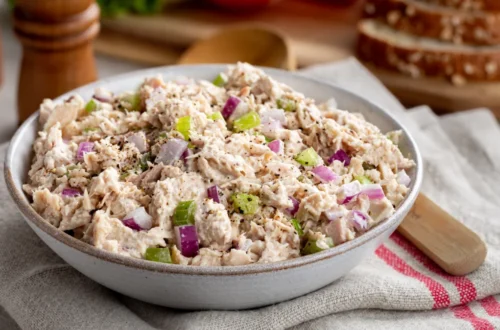
- Prepare the Base: Flake the canned tuna with a fork and mix it with complementary aromatics—such as finely diced celery, red onions, or fresh herbs like dill and parsley. A dollop of mayonnaise, Dijon mustard, or a splash of lemon juice can bind the tuna mixture together.
- Layer: Spread a hearty layer of the tuna mixture into a greased baking dish. Cover it evenly with a thick blanket of warm mashed potatoes.
- Bake and Broil: Sprinkle shredded cheddar, Gruyère, or parmesan cheese over the top. Bake at 375°F (190°C) until the potatoes are heated through and the cheese is melted and bubbling. For a restaurant-quality finish, switch the oven to broil for the final two minutes to achieve a golden-brown crust.
Crispy Pan-Fried Tuna and Potato Patties
For those who prefer texture and finger foods, pan-fried patties offer an exceptional alternative.
- Combine: In a large mixing bowl, thoroughly mix equal parts cold mashed potatoes and drained, flaked canned tuna. Add an egg to act as a binder, along with salt, pepper, and optional mix-ins like green onions or minced garlic.
- Form: Shape the mixture into uniform, round, puck-shaped discs.
- Coat and Fry: For an extra-crispy exterior, dredge the patties in panko breadcrumbs. Heat a skillet with a generous layer of neutral oil over medium-high heat and fry the patties until they are deep golden-brown and crispy on both sides (about 3 to 4 minutes per side).
Global Flavor Variations
The neutral flavor profile of mashed potatoes and tuna makes them an ideal blank canvas for international flavor profiles:
- The Mediterranean Twist: Mix in capers, lemon zest, and chopped Kalamata olives. Serve the resulting patties alongside a homemade garlic-and-cucumber tzatziki sauce.
- The Asian-Inspired Fusion: Incorporate soy-ginger flavored gourmet tinned fish, sesame oil, and finely sliced scallions into the potato base. Top the finished patties with a drizzle of spicy Sriracha-Kewpie mayonnaise or sweet chili sauce.
- The Gourmet Upgrade: Utilize artisanal tinned fish brands—such as Fishwife’s Spanish Lemon or Olive Oil with Chili varieties—to elevate a humble weeknight dinner into a sophisticated bistro-style meal.
Implications
The trend of merging pantry staples like canned tuna with comfort foods like mashed potatoes carries several broad implications for modern consumers, ranging from economic relief to nutritional wellness.
Economic Resilience and Food Inflation
As grocery prices continue to fluctuate, consumers are increasingly seeking ways to maximize the value of their pantry items. Canned tuna remains one of the most cost-effective sources of lean animal protein available on the market. By pairing it with potatoes—arguably one of the cheapest and most versatile root vegetables available—households can produce dense, filling, and nutritious meals for a fraction of the cost of fresh meat or seafood. This culinary crossover offers a practical roadmap for budget-conscious cooking without sacrificing flavor or satisfaction.
Sustainability and Mindful Eating
The growing popularity of tinned seafood aligns closely with broader sustainability goals. Canned fish, particularly when sourced from fisheries practicing responsible catch methods (such as pole-and-line or FIP-verified fisheries), often has a lower environmental footprint compared to certain types of land-based livestock. Furthermore, using up pantry staples reduces household food waste, encouraging home cooks to creatively reinvent leftovers rather than discarding them.
Redefining Comfort Food for Nutritional Goals
Historically, comfort food has been mentally compartmentalized as a guilty pleasure—delicious, but nutritionally vacant. However, contemporary nutritional philosophy emphasizes nutrient density and balance over rigid restriction. By demonstrating that traditional comfort dishes can be modified to support active lifestyles and protein targets, food trends like the tuna-and-mashed-potato pairing empower consumers to enjoy their favorite comfort foods guilt-free. Ultimately, this approach bridges the gap between culinary nostalgia and modern health consciousness, proving that wholesome eating does not require abandoning the hearty, savory flavors we love.