In the often-contentious landscape of sandwich condiments, few items divide culinary loyalties quite like mayonnaise. On one side are the staunch traditionalists—devotees who slather it onto everything from burgers to BLTs, endlessly debate the merits of store-bought brands, and even whip up artisanal batches from scratch. On the other side stand the detractors: a vocal contingent who recoil at its aroma, texture, and heavy oil base.
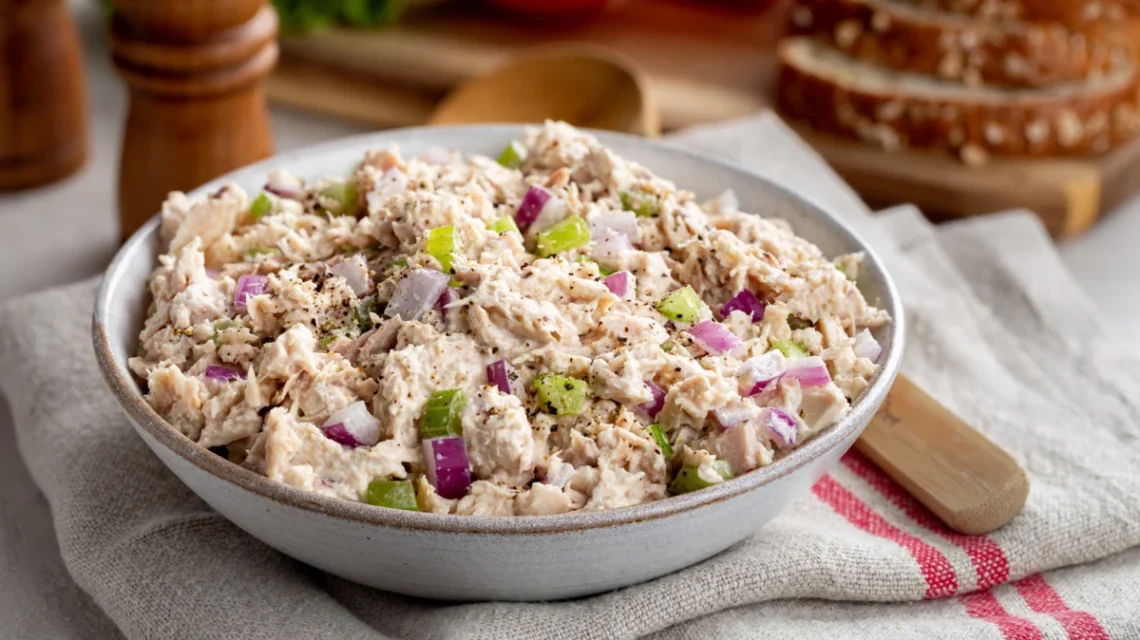
Unfortunately for the mayo-averse, their aversion has historically meant missing out on beloved comfort foods, most notably the classic tuna salad sandwich or a cool scoop served over crisp greens. For decades, skipping the mayo meant resorting to dry, lackluster tuna or awkwardly substituting plain, watery yogurt that lacked the body and richness required to bind the dish together.
Enter labneh—a thick, strained Middle Eastern dairy staple that is rapidly reshaping how home cooks and professional chefs approach sandwich spreads. Offering a velvety texture, a signature savory tang, and an impressive nutritional profile, labneh is quickly becoming the ultimate secret weapon for anyone looking to ditch mayonnaise without sacrificing flavor, creaminess, or protein.
Main Facts: The Rise of Labneh in Modern Kitchens
At its core, labneh is closely related to yogurt; in fact, it is derived directly from it. Often described as a "yogurt cheese," labneh is simply regular yogurt that has been subjected to an intensive straining process to remove its liquid whey. The result is a dense, highly spreadable product with a consistency similar to cream cheese or sour cream, but with a uniquely vibrant, tangy flavor profile.
While traditionally served as part of a Middle Eastern mezze platter—drizzled with extra-virgin olive oil and scooped up with warm pita bread—labneh has crossed over into mainstream Western cooking as a versatile, health-conscious alternative to traditional fats.
When applied to tuna salad, labneh solves two major culinary problems at once:
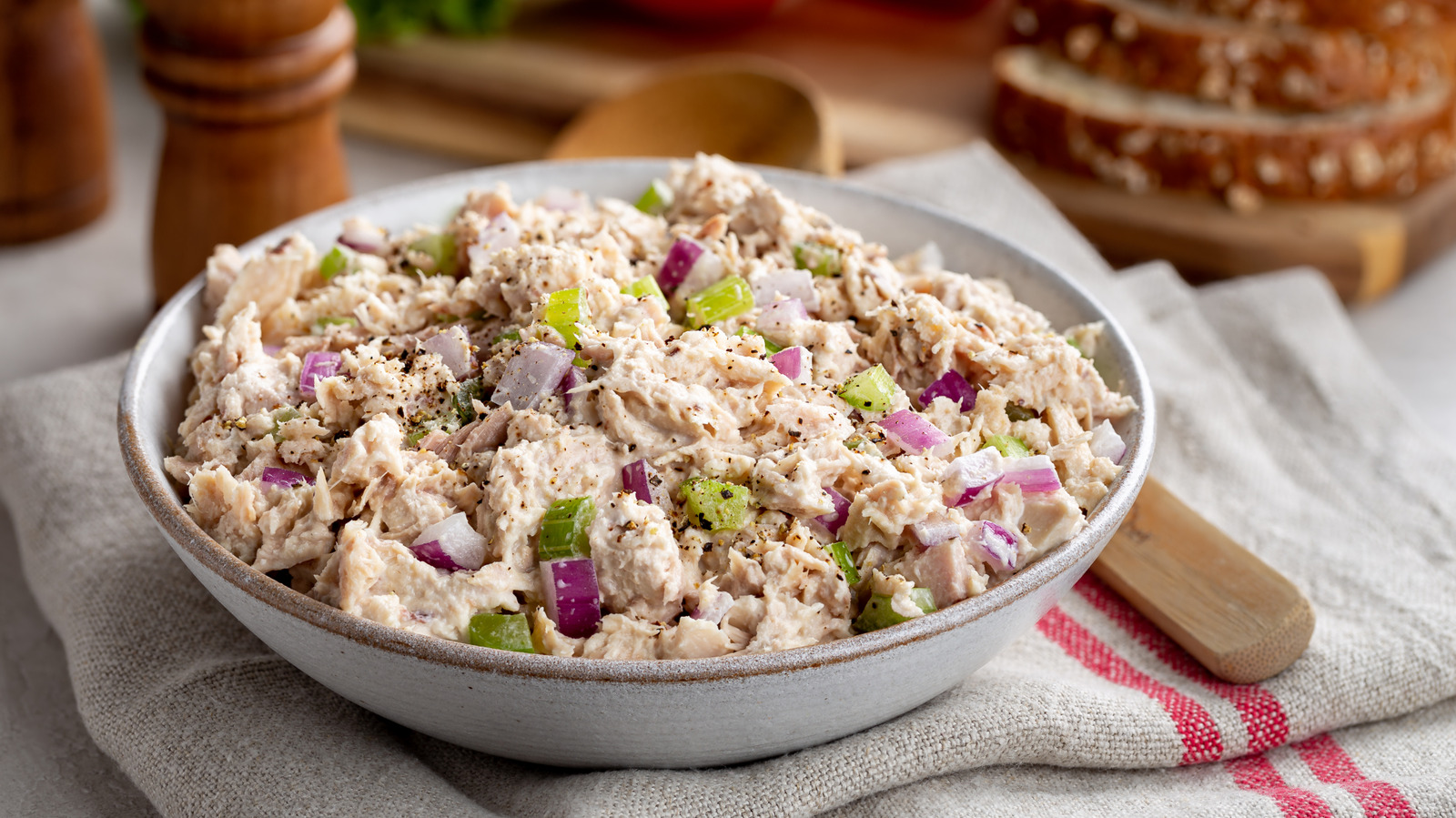
- The Texture Challenge: It provides the rich, creamy binding agent necessary to hold flaky tuna together without feeling greasy.
- The Nutritional Boost: Unlike standard mayonnaise, which is calorie-dense and loaded with processed oils, labneh is rich in calcium, probiotics, and protein. Depending on the brand, labneh can pack roughly 5 grams of protein per ounce, making it a powerful addition for fitness enthusiasts and health-conscious eaters aiming to hit daily nutritional milestones.
Chronology: From Ancient Staple to Modern Culinary Trend
The integration of labneh into Western lunchboxes and sandwich routines is part of a broader cultural and culinary evolution.
- Ancient Beginnings: Labneh has roots stretching back centuries across the Levant, the Eastern Mediterranean, and the Arabian Peninsula. Historically, pastoral communities strained goat’s or cow’s milk yogurt in cloth bags to preserve it in warm climates without refrigeration, creating a dense, nutrient-dense staple.
- The Global Food Movement (2010s): As interest in Middle Eastern cuisine grew globally—fueled by acclaimed cookbooks and chefs highlighting the flavors of Lebanon, Israel, Greece, and Turkey—ingredients like labneh transitioned from specialty ethnic grocers to mainstream supermarket chains.
- The DIY Social Media Boom (2024): Labneh experienced a massive surge in visibility during 2024, thanks in part to viral food trends on platforms like TikTok. Home cooks began experimenting with "dry yogurt" and quick-straining techniques at home using cheesecloth and standard Greek yogurt. This digital exposure demystified the product, teaching a new generation of cooks how easily yogurt could be transformed into a thick, spreadable cheese.
- The Condiment Revolution (Present Day): Today, home cooks are pushing beyond traditional uses, swapping out mayonnaise, sour cream, and cream cheese for labneh in everything from dips and dressings to classic American tuna and chicken salads.
Supporting Data: Nutrition, Texture, and Culinary Chemistry
Replacing mayonnaise with labneh is not just a stylistic choice; it fundamentally alters the chemistry and nutritional makeup of your meal. Understanding how labneh behaves in the kitchen ensures the best possible culinary results.
Nutritional Comparison
- Mayonnaise: Primarily composed of oil and egg yolks, standard commercial mayonnaise is exceptionally high in total fat and calories, with minimal protein. While it delivers rich mouthfeel, it offers very few micronutrients.
- Labneh: Offers a starkly different profile. Because it is strained yogurt, it retains high amounts of protein and calcium while naturally containing less fat than a pure-oil emulsion like mayo. Furthermore, labneh provides beneficial probiotics that support gut health—something processed condiments cannot claim.
Culinary Adjustments for the Best Tuna Salad
Because labneh lacks the heavy oil content of mayonnaise, making a successful labneh-based tuna salad requires a few intentional recipe tweaks:
- Choose Oil-Packed Tuna: Traditional tuna salad recipes often call for tuna packed in water because mayonnaise supplies plenty of oil on its own. Because labneh is oil-free, using water-packed tuna can result in a dry, chalky texture. Opting for high-quality tuna packed in olive oil maintains moisture and complements labneh’s natural tang.
- Fine-Mince the Fish: Mayonnaise easily coats chunky pieces of fish. Labneh requires a bit more mechanical help to distribute evenly. Breaking the tuna down into smaller flakes before folding in the labneh ensures a smooth, uniform texture.
- Acid and Aromatics: Labneh features a pronounced, savory tang. To balance this, incorporate bright, fresh elements such as lemon juice, lemon zest, finely chopped pickles, or fresh herbs like dill and parsley. Savory crunch from minced red onions or celery also elevates the final dish.
Official Responses and Culinary Expert Insights
Food scientists, dietitians, and professional chefs have increasingly thrown their weight behind the use of strained yogurt products as functional cooking substitutes.
Registered dietitians frequently praise the swap for its cardiovascular and digestive benefits. "Moving away from heavy oil-based spreads toward fermented dairy options allows consumers to increase their protein intake effortlessly while introducing gut-friendly probiotics into everyday meals," notes clinical nutritionist Dr. Elena Vance. "For individuals monitoring their saturated fat or caloric intake without wanting to sacrifice the satisfaction of a creamy sandwich, labneh is an exceptional middle ground."
Meanwhile, chefs who specialize in fusion cuisine emphasize the flavor dimension. Culinary instructor Marcus Sterling points out that mayonnaise can sometimes coat the palate too heavily, muting the delicate flavor of the seafood. "Mayonnaise is essentially fat masking flavor," Sterling explains. "Labneh, on the other hand, brings acidity and brightness. The natural lactic acid in labneh cuts right through the richness of the tuna, making the entire dish taste lighter, fresher, and far more dynamic."
Implications: The Future of Sandwich Culture
The growing popularity of labneh as a mayonnaise substitute signals a broader shift in consumer preferences. Modern diners are increasingly looking for foods that are functional, nutrient-dense, and culturally diverse, moving away from ultra-processed condiments in favor of whole-food alternatives with deep historical roots.
What This Means for the Grocery Aisle
As demand for high-protein, lower-fat spreads continues to climb, major dairy manufacturers are expanding their distribution of labneh, making it readily available next to cottage cheese, sour cream, and Greek yogurt. For consumers who cannot find it locally, the internet has provided foolproof guides to making it at home overnight using simple grocery store ingredients.
A Gateway to Global Flavors
Beyond tuna salad, the normalization of labneh in everyday American cooking encourages home cooks to experiment with other Middle Eastern ingredients—such as za’atar, sumac, and preserved lemons—enriching home cooking routines with bolder, more complex flavor profiles.
Ultimately, whether you are a dedicated carnivore seeking a post-workout protein boost, someone managing dietary restrictions, or simply a foodie looking to upgrade a brown-bag lunch, trading your mayo jar for a tub of labneh offers a simple, delicious pathway to a better sandwich.