By Paul Clarke
Published: September 11, 2026
Main Facts: The Resurgence of a Cult-Classic Bourbon
In the ever-evolving landscape of American whiskey, few names evoke as much mystique, reverence, and speculative fervor as Black Maple Hill. Around the turn of the century, the brand entered the market as an enigmatic independent bottling—a concept foreign to most consumers at a time when the modern bourbon craze was merely a faint whisper. It featured no distillery identifier on its label, leaving drinkers to guess at the origins of its amber liquid.
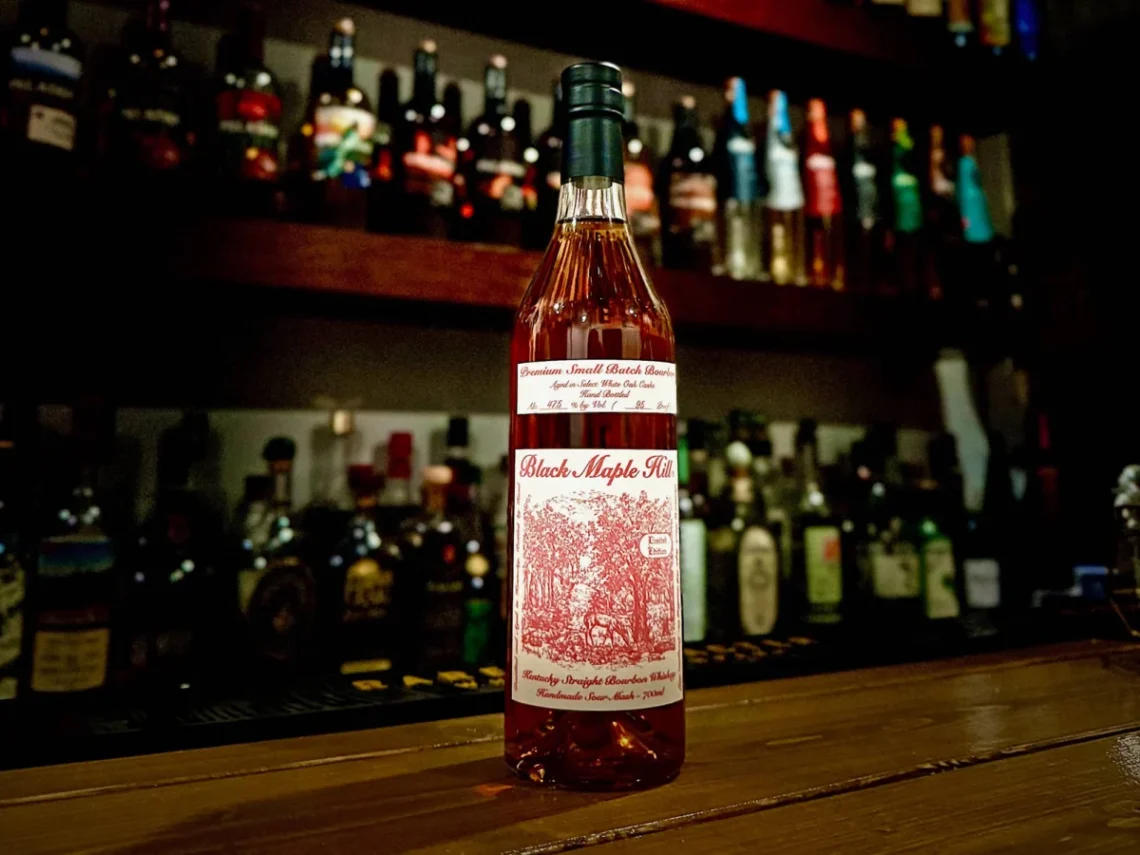
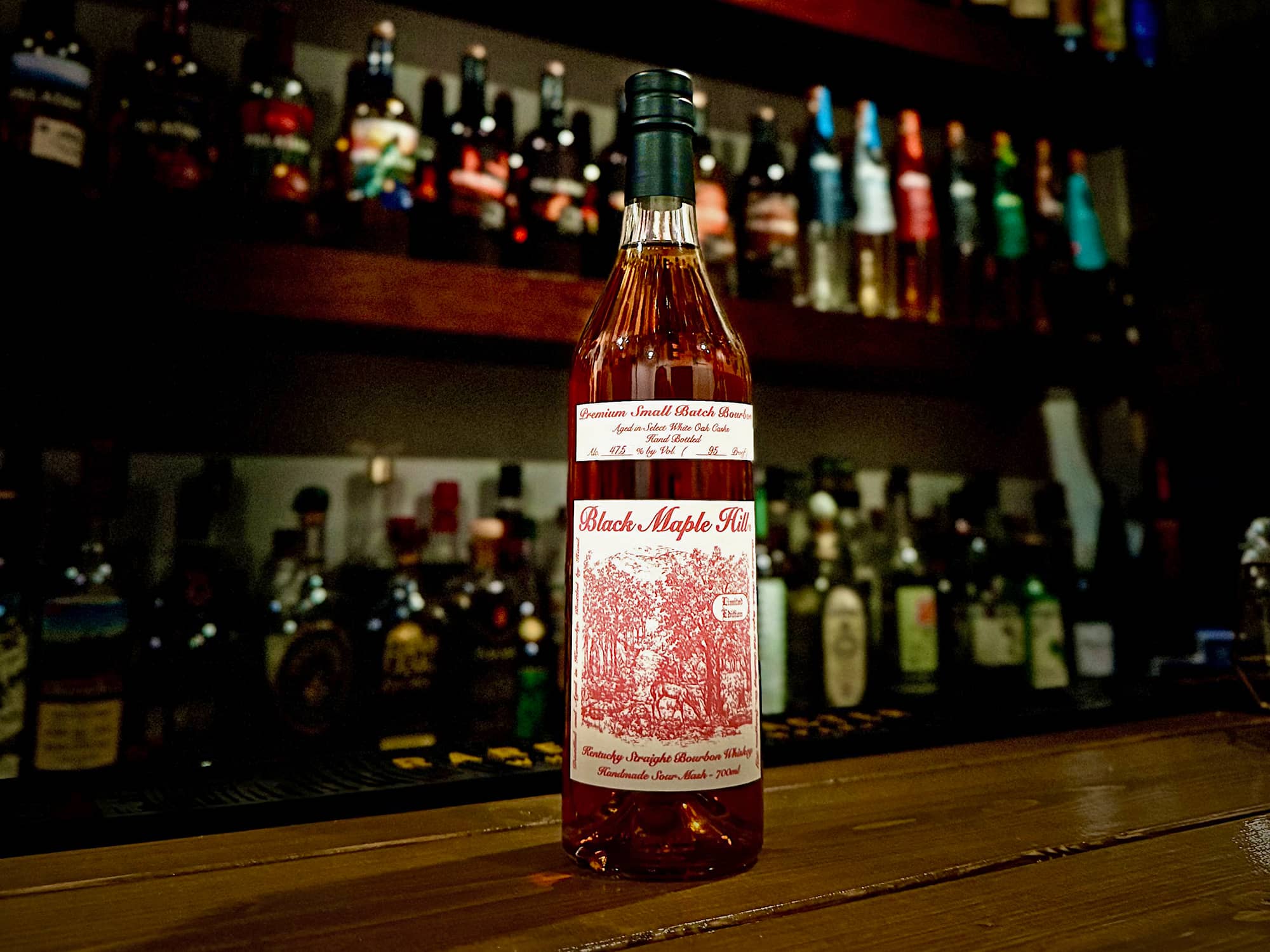
Today, the whiskey world is witnessing a resurrection. Black Maple Hill is officially back, returning to the market under the stewardship of Rare Character Whiskey. Founded by Imbibe 75 alumni Pablo Moix and Peter Nevenglosky, Rare Character has stepped in to revive the storied label. Faithful to its origins, the newly reintroduced Black Maple Hill Kentucky Straight Bourbon returns to its Bluegrass State roots, aiming to recapture the character, depth, and quality that defined its earliest, highly coveted releases.
Priced at an approachable $79.96 and rolling out to approximately 40 states, this modern iteration attempts a difficult balancing act: satisfying contemporary consumers seeking accessible, high-grade spirits while honoring the legacy of a brand that has attained mythical status among elite collectors.
Chronology: From Independent Pioneer to Unicorn, and Back Again
To understand the weight of Black Maple Hill’s return, one must trace its complex, decades-long history across the shifting tides of the American whiskey industry.

Phase 1: The Early Days and Van Winkle Era (Early 2000s)
When Black Maple Hill first appeared on shelves around 2000, the concept of independent non-distiller producers (NDPs) sourcing and bottling mature stocks was in its infancy. In these early days, the brand was bottled by Julian Van Winkle III—the legendary figure behind Old Rip Van Winkle. Sourcing exceptional barrels before the market exploded, these initial batches delivered a caliber of whiskey that easily outpaced consumer demand during a period when surplus bourbon was common.
Phase 2: The Willett Transition and the Dawn of the Boom
As the years progressed, production shifted to Kentucky Bone & Bourbon operations, specifically partnering with Willett (KBD). During this era, Willett had access to exceptional, mature barrels of whiskey distilled at legendary shuttered facilities like Heaven Hill and Stitzel-Weller. Black Maple Hill benefited immensely from these stocks, producing exceptional expressions that accidentally caught the leading edge of the nascent bourbon boom.
Phase 3: Scarcity, Craft Pivots, and Collector Infatuation
As global demand for bourbon skyrocketed, the landscape shifted dramatically. Access to the ultra-rare, aged stocks that powered early batches dried up as legacy distilleries began retaining their liquid to launch proprietary brands.
Faced with dwindling Kentucky stocks, Black Maple Hill shifted its focus westward, temporarily moving its operations to bottle craft whiskey sourced from Oregon. Eventually, the brand faded from mainstream distribution. Meanwhile, the original Kentucky-bottled releases attained "unicorn" status. Secondary market prices surged, with collectors paying astronomical figures for surviving bottles from the Van Winkle and Willett eras.
Phase 4: The Rare Character Revival (2026)
Enter Rare Character Whiskey. Recognizing the immense equity and nostalgia attached to the name, Moix and Nevenglosky acquired and steered the revival of Black Maple Hill. By pivoting back to Kentucky and obsessively chasing the flavor profile of the original runs, the brand has successfully bridged a twenty-year gap, bringing a piece of bourbon history back to modern backbars and retail shelves.
Supporting Data: Tasting Notes and Market Positioning
For enthusiasts weary of hype-driven releases that command triple-digit price tags while disappointing in the glass, Black Maple Hill’s latest offering grounds itself in classic craftsmanship and transparent specifications.
- Proof: 95 (47.5% ABV), matching the exact proof point of the original historical releases.
- Price Point: $79.96 retail.
- Distribution Footprint: Available across approximately 40 U.S. states, ensuring broad consumer access rather than hyper-exclusive allocation.
- Tasting Profile:
- Nose: Distinctly classic, led by aromatic notes of toasted coconut and warm baking spices.
- Palate & Finish: Deep and complex, showcasing rich layers of traditional caramel, sweet vanilla, bright citrus peel, and dark dried fruits.
In a market saturated with high-proof, younger "cask strength" releases designed to cater to adrenaline-seeking collectors, Black Maple Hill’s deliberate choice of a balanced 95 proof highlights an appreciation for traditional blending and maturity.
Official Responses and Industry Perspectives
The resurrection of a ghost brand naturally invites scrutiny from industry veterans and whiskey purists alike. However, the pedigree of Rare Character Whiskey has largely quieted skeptics.
Pablo Moix and Peter Nevenglosky have built a stellar reputation within the American craft and independent bottling sectors through Rare Character, earning industry-wide acclaim for their single-barrel selections and transparent blending philosophy. According to the team behind the revival, the goal was never to exploit consumer nostalgia for a quick cash grab, but rather to painstakingly reconstruct an authentic experience.
"We wanted to honor what made those early bottles special without hiding behind smoke and mirrors," industry insiders close to the project note. By securing liquid that respects the heritage of the Kentucky style, Rare Character aims to show that historical reverence can successfully merge with modern sourcing expertise. Retailers like Astor Wines have enthusiastically backed the launch, positioning the $79.96 bourbon as a premier option for drinkers looking for sophistication without navigating the treacherous waters of secondary collector markets.
Implications: What Black Maple Hill’s Return Means for the Bourbon Market
The re-emergence of Black Maple Hill carries significant implications for the broader American whiskey landscape, touching upon collector culture, the role of independent bottlers, and the valuation of heritage brands.
1. The Normalization of Accessible Quality
For years, the narrative surrounding classic or revived bourbon brands has been dominated by extreme scarcity and inflated secondary prices. By intentionally rolling out Black Maple Hill across 40 states at a sub-$80 price point, Rare Character is making a bold statement: heritage-style quality does not need to be locked behind lottery systems or exorbitant collector markups. This move could pressure other revival brands to re-evaluate their pricing and distribution strategies to cater to actual drinkers rather than speculative hoarders.
2. Validating the Independent Bottler Model
When Black Maple Hill first appeared, independent sourcing was poorly understood. Today, NDPs (Non-Distiller Producers) are the backbone of innovation in American whiskey. The success of Rare Character in resurrecting a dead label proves that blending expertise, barrel selection, and brand storytelling can breathe new life into historical intellectual property, setting a blueprint for how other vintage labels might be revived in the future.
3. Will It Be a Blip or the Start of a New Boom?
Only time will tell if Black Maple Hill’s return signals a wider market correction toward classic, approachable flavor profiles, or if it will remain a brilliant standalone nostalgic trip. However, by prioritizing long-term brand equity over short-term hype, Black Maple Hill makes a compelling case for playing the long game in an industry too often obsessed with fleeting trends.