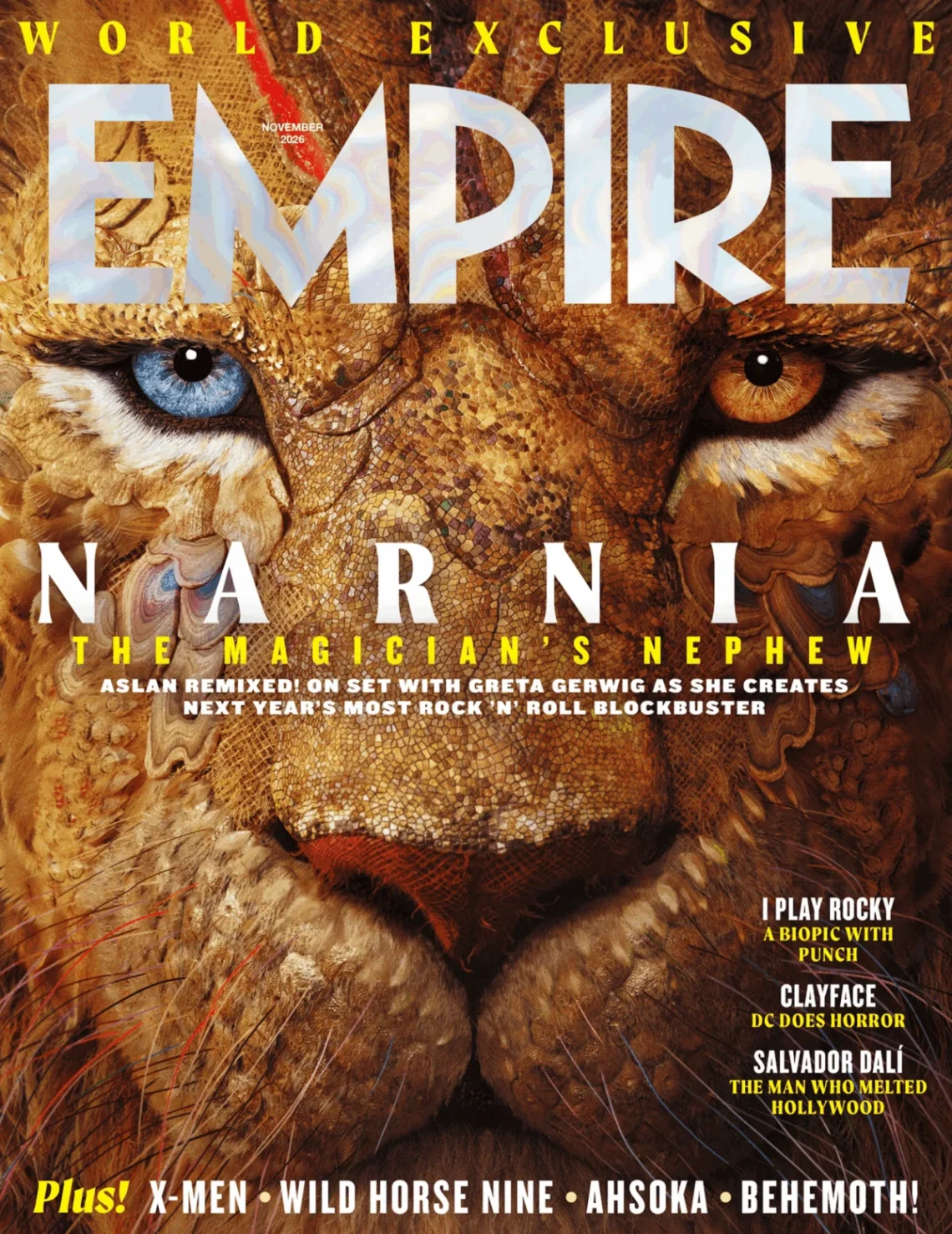
The cinematic landscape is about to shift. For years, rumors have swirled regarding Netflix’s ambitious plans to adapt C.S. Lewis’s beloved Chronicles of Narnia series. Today, those whispers have coalesced into a stunning, high-definition reality. Courtesy of an exclusive feature in Empire Magazine, we finally have our first official glimpse into Greta Gerwig’s Narnia: The Magician’s Nephew.
The images provide more than just a character reveal; they offer a manifesto of intent. From Emma Mackey’s hauntingly regal transformation into the proto-White Witch, Jadis, to the surreal, multi-textural design of Meryl Streep’s Aslan, it is clear that Gerwig is not interested in a faithful, dusty adaptation. She is crafting a mythological rock opera—a vibrant, 1950s-infused reimagining that seeks to capture the raw, existential wonder of the source material through a lens of musicality and post-war melancholy.
The Core Ensemble: A New Generation of Travelers
The casting for this production has been the subject of intense speculation, and the results suggest a blend of established icons and rising stars. The heart of the film rests on the shoulders of David McKenna and Beatrice Campbell, who step into the roles of Digory Kirke and Polly Plummer, respectively.
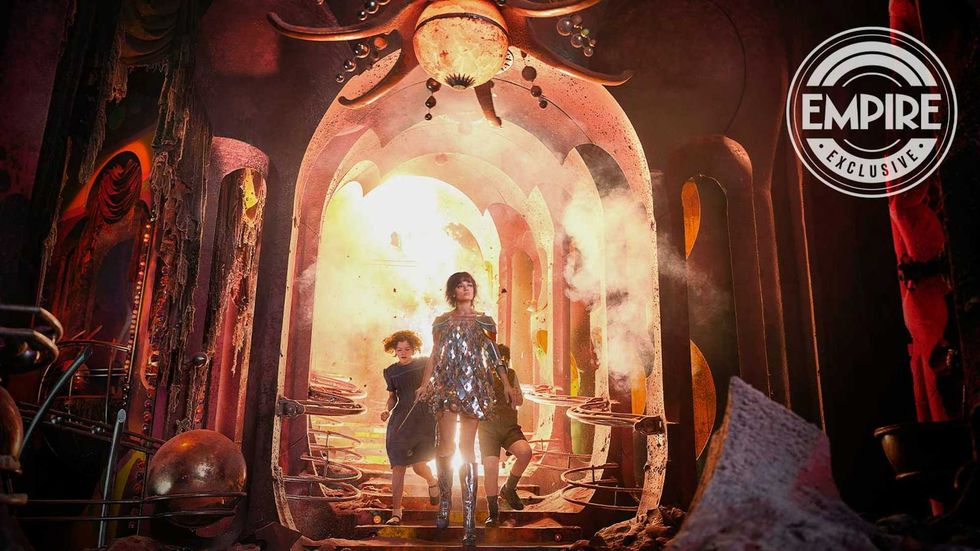
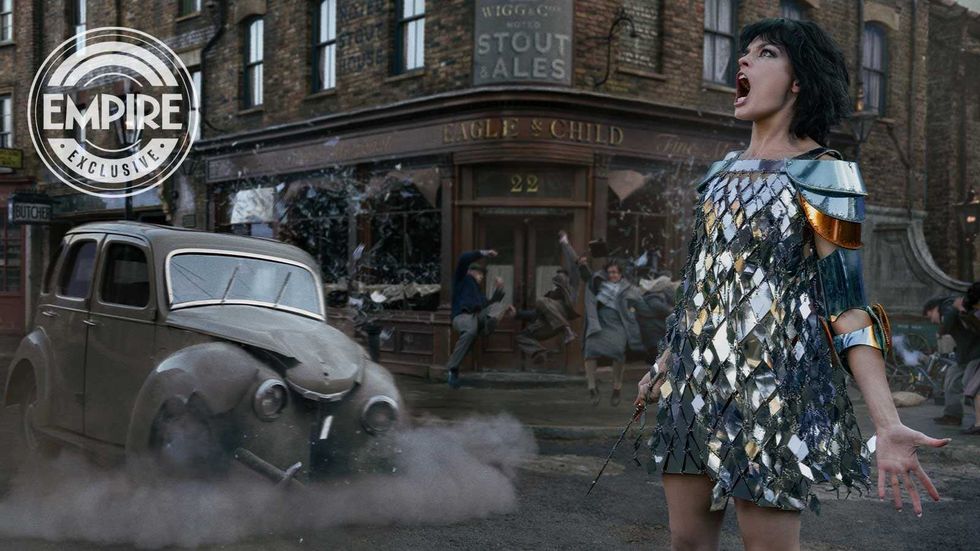
The first-look stills show the duo in what appears to be the decaying, obsidian-slick world of Charn. The visual language here is striking: while the original text places these children in the turn-of-the-century London of 1900, Gerwig has shifted the timeline to the 1950s. This isn’t a mere aesthetic choice; it is a thematic one. By placing Digory and Polly in the shadow of post-WWII reconstruction, Gerwig invites us to consider how children navigate a world defined by rubble and the promise of rebuilding.
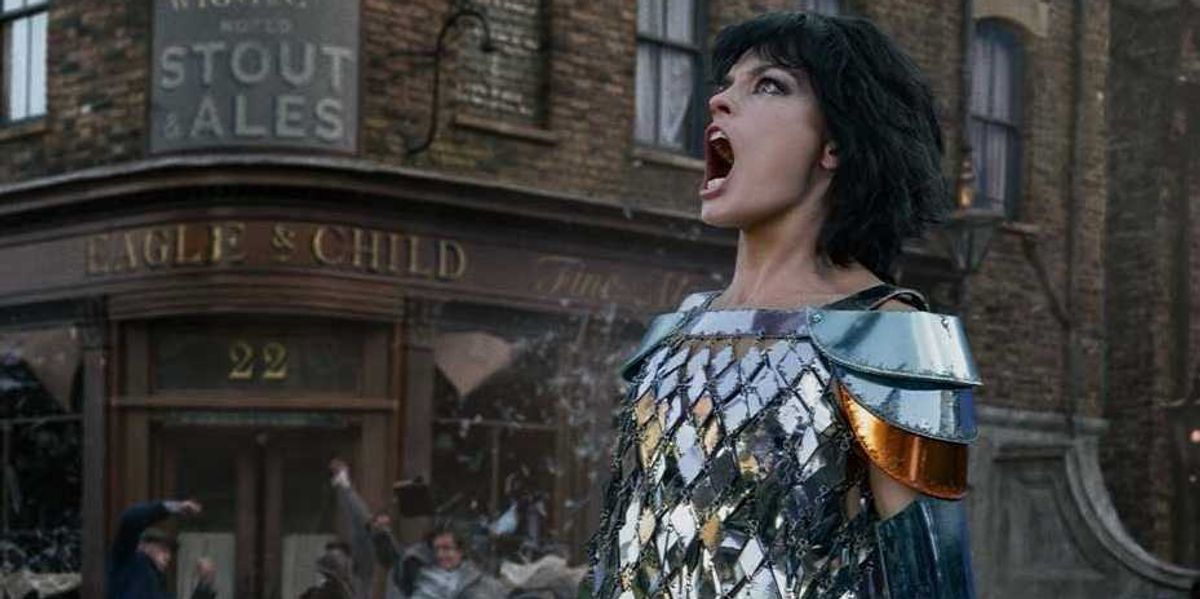
Complementing the young leads is the formidable Emma Mackey as Jadis. Mackey’s portrayal of the Queen of Charn is already generating significant buzz. Clad in armor that feels both ancient and curiously reminiscent of 1950s high-fashion disco, Mackey’s Jadis is cold, calculated, and terrifyingly magnetic. It is the Jadis we know—the woman who would eventually plunge Narnia into a hundred-year winter—but seen here in her prime, an imperial force of nature before her inevitable descent into villainy.
A Chronological Shift: Why the 1950s Matter
The decision to relocate the story’s primary human timeline from 1900 to the 1950s has raised eyebrows among purists, but Gerwig’s rationale is deeply poetic. In her interview with Empire, the director draws a direct line between the psychological state of children in the mid-century and the creative explosion that defined the era’s pop culture.
"Post-WWII kids had this relationship to pain and loss and something as unpromising as a bomb site, and they made a castle," Gerwig explains. "They made a universe. They made something you could live inside of."
This shift serves as a bridge to the music. Gerwig has been vocal about the influence of rock ‘n’ roll on her vision for the film. For the director, the transition from the mid-century doldrums to the vibrant, transformative power of music—personified by the likes of David Bowie and Pete Townshend—mirrors the transition from our world to Narnia. "I don’t know how you went from David Jones to David Bowie unless you went to Narnia and you saw something," she muses.
By grounding the film in the 1950s, Gerwig is creating a cultural resonance that makes the magic of Narnia feel like a necessary escape, a frequency that only those who have seen the "bomb sites" of reality can truly hear.
The Design of Divinity: Meryl Streep as Aslan
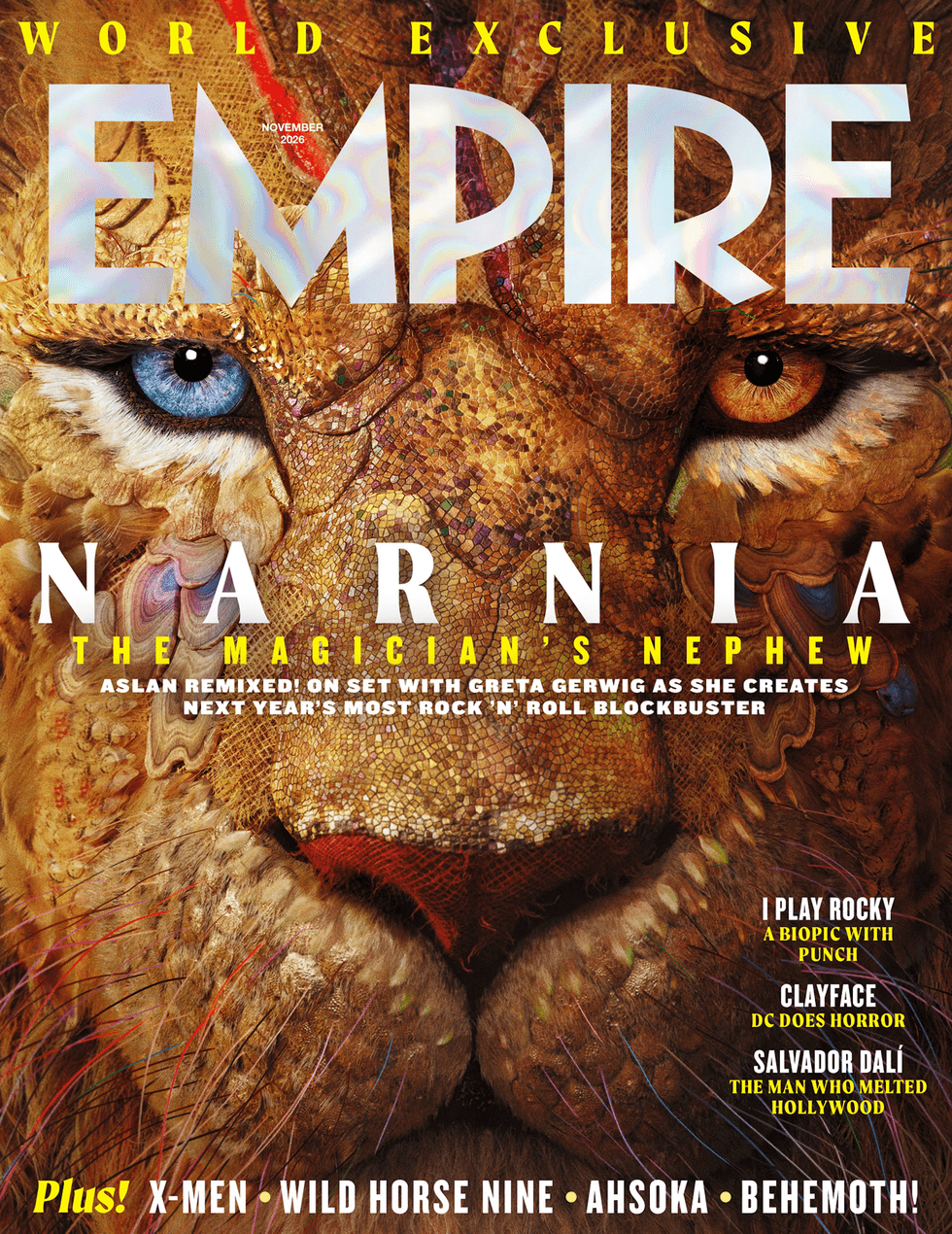
Perhaps the most ambitious creative choice in the entire production is the casting of Meryl Streep as the voice and spirit of Aslan. In a departure from the purely feline designs of previous iterations, the Empire images reveal an Aslan that is a collage of the natural world.
The character design is breathtakingly intricate. The lion’s nose features the texture of reptilian scales, while the fur surrounding his eyes mimics the concentric rings of a tree. Hints of butterfly wings and iridescent bird feathers are woven into his mane, creating a deity that feels like a manifestation of all life rather than a singular beast.
Gerwig’s reasoning for casting Streep is as deliberate as the design. "I wanted someone who was profound but not pretentious, who had gravitas but not morose self-seriousness," she says. "I wanted someone who was older than 70, so there was a wisdom of experience, but who also had the capacity of fresh wonder, like a child." For Gerwig, Streep was the only choice who could hold the weight of a world-creator while maintaining the spark of curiosity required to lead children through the birth of a universe.
The Supporting Cast and Production Scope
The ensemble cast is bolstered by a wealth of talent that reinforces the film’s high-stakes ambition. Beyond the primary trio, the cast includes:
- Daniel Craig as the eccentric, dangerous Uncle Andrew, whose thirst for forbidden knowledge sets the plot in motion.
- Carey Mulligan and Kobna Holdbrook-Smith, whose roles remain shrouded in mystery but are expected to add layers of emotional complexity to the narrative.
The production design team has clearly been given free rein to lean into the "rock opera" aesthetic. From the brutalist architecture of Charn to the lush, vibrant color palette of the newly sung-into-existence Narnia, every frame suggests a film that prioritizes sensory experience. It is a world that feels "sung to life," as Gerwig puts it—a tactile, auditory, and visual feast.
Implications for the Franchise
The implications of this film are massive. By starting with The Magician’s Nephew—the prequel that explains the origin of the White Witch, the wardrobe, and the lamp-post—Gerwig is setting the stage for a long-term, interconnected cinematic universe.
The fear among some fans—that the 1950s shift will alienate them—is being met with a counter-narrative of creative necessity. If this film succeeds, it will prove that the Narnia franchise can survive and thrive by evolving its aesthetic to meet the cultural anxieties of the present. Gerwig is not just adapting a book; she is interpreting a mythos through the lens of modern rock and post-war history, a gamble that could redefine how we view classic fantasy adaptations.
Looking Ahead: The Road to 2027
The wait for Narnia: The Magician’s Nephew is long, with a scheduled theatrical release of February 12, 2027, followed by a wide release on Netflix. This rollout strategy acknowledges both the scale of the production—which demands the immersive quality of a cinema screen—and the convenience of the streaming age.
As we look toward 2027, the conversation surrounding Narnia will undoubtedly continue to evolve. Is the "rock opera" approach the right one for C.S. Lewis’s earnest, Christian allegory? Will the 1950s setting create a cohesive timeline for the subsequent films? For now, we have the images, the quotes, and the promise of a director who is deeply invested in the "why" of her storytelling.
Greta Gerwig has shown with Barbie that she can navigate the line between intellectual depth and pop-culture spectacle. With Narnia, she appears to be attempting to scale the summit of that talent. We are moving toward a world of music, of strange, beautiful deities, and of children finding their way through the ruins to build something better.
Whether you are a lifelong devotee of the books or a newcomer drawn in by the star-studded cast and the promise of a fresh, bold vision, one thing is certain: the wardrobe door is open, and what lies on the other side is unlike anything we have seen before.
For more updates on Greta Gerwig’s Narnia project and exclusive behind-the-scenes content, stay tuned to our ongoing coverage. Let us know your thoughts on the casting and the 1950s shift on our social media channels.