Introduction and Main Facts
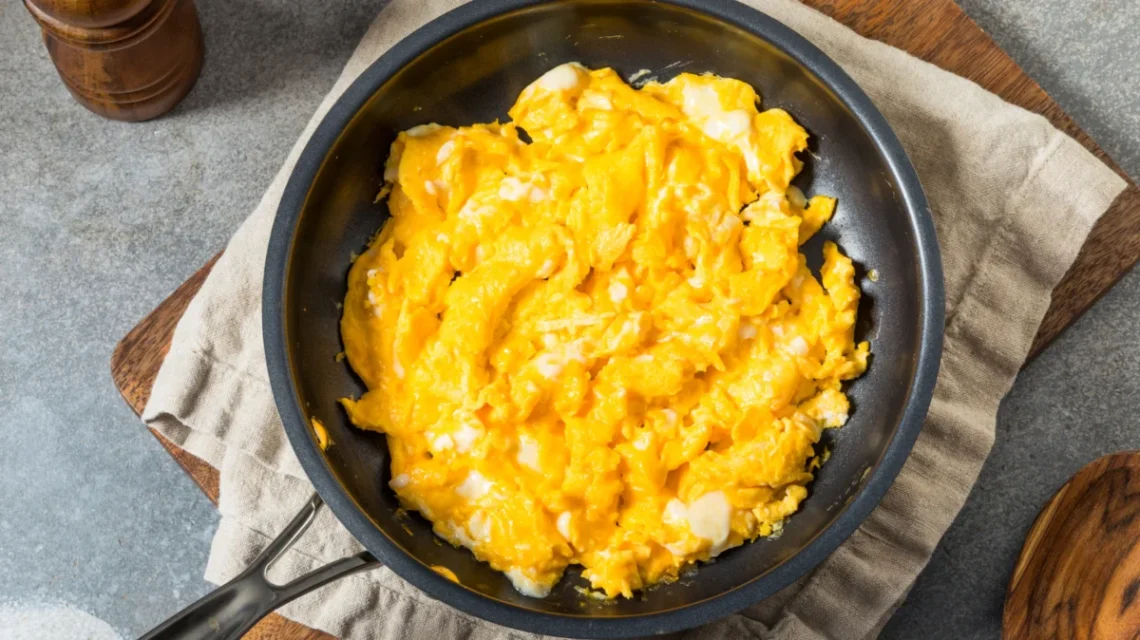
Scrambled eggs have long held their status as the ultimate breakfast of champions. They offer a quick, reliable, and savory way to kick-start the morning while delivering a robust serving of protein—all without the need to fire up the stove for chicken breasts or heavy cuts of steak before 9 a.m. Yet, even the most dedicated culinary traditionalists occasionally grow weary of the standard salt-and-pepper routine.
For those looking to breathe new life into their morning routine, the solution does not lie in an expensive artisanal market, but rather in the pantry aisle: a humble can of Spam.
While Spam has frequently been the butt of culinary jokes and unfairly maligned as "mystery meat" over the decades, a quiet renaissance is underway. Composed primarily of pork shoulder and ham, alongside salt, water, potato starch, sugar, and sodium nitrite, this canned luncheon meat boasts a dedicated global following. Nutritionally, it holds its own at breakfast time, offering roughly 7 grams of protein per standard serving.
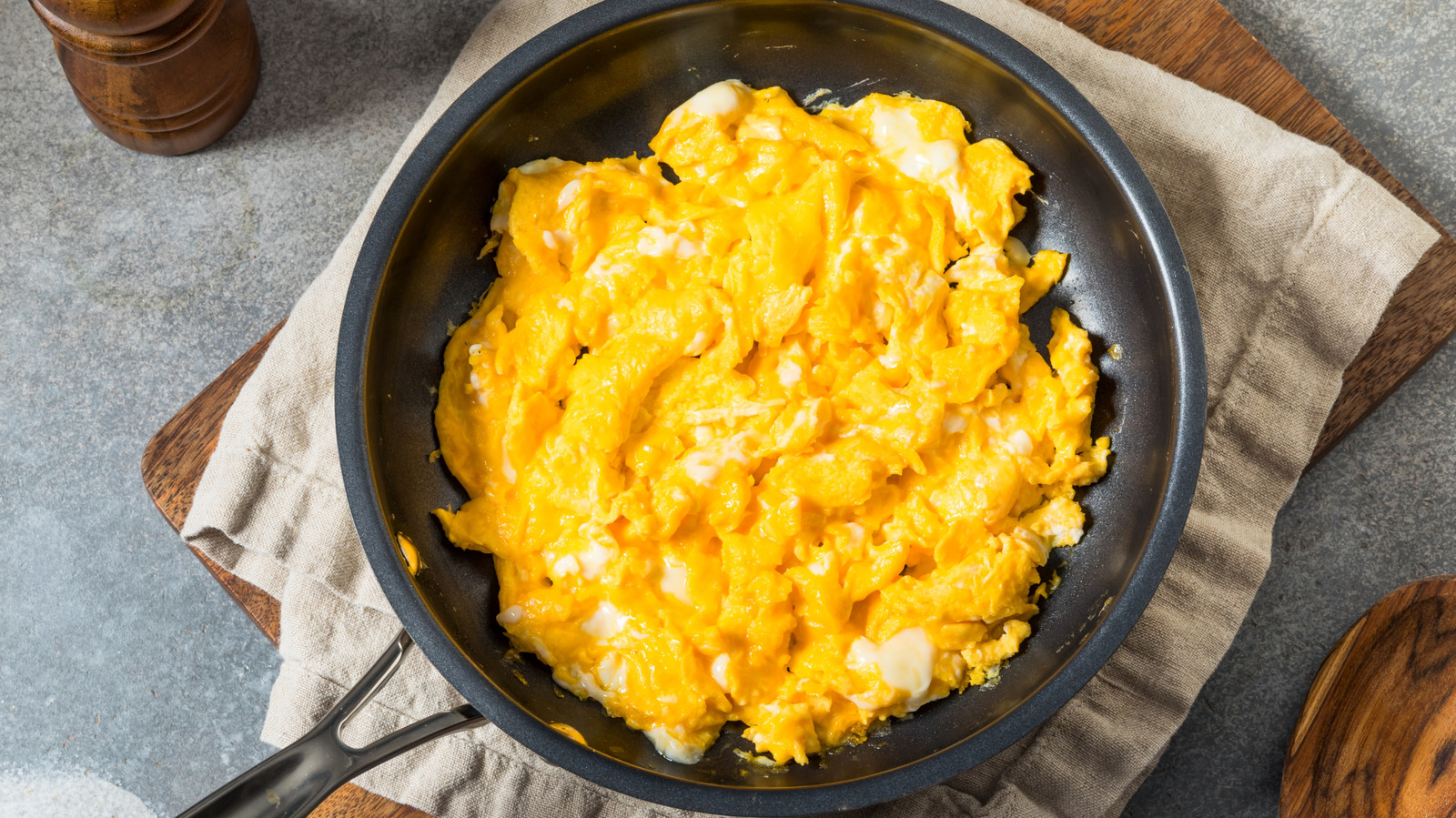
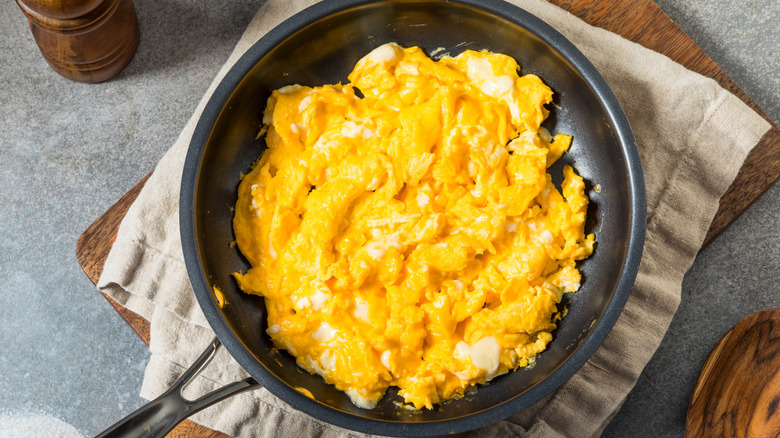
However, Spam’s true superpower lies not in its protein count, but in its dynamic flavor profile. High fat and salt contents render Spam a masterclass in savory depth. When sliced thin and fried until the edges turn golden and delightfully crispy, Spam transforms into a flavor engine. Instead of discarding the rendered fat, home cooks can scramble their eggs directly in the pan, allowing the eggs to soak up the rich, porcine essence. Better yet, the inherent saltiness of the meat does most of the heavy lifting, effectively seasoning the eggs and eliminating the need to reach for the salt shaker.
Chronology of an Icon: From Wartime Ration to Global Phenomenon
To understand how Spam found its way into elite breakfast pans alongside scrambled eggs, one must trace its historical trajectory—a fascinating journey that spans nearly a century.
1937: The Birth of a Shelf-Stable Miracle
Spam was introduced to the world by Hormel Foods in 1937, created by Jay C. Hormel. Initially marketed as "Hormel Spiced Ham" (with the name "Spam" later coined as a portmanteau of "spiced" and "ham" following a company-wide naming contest), the product was designed to solve a major economic and logistical puzzle: what to do with surplus shoulder pork. Because refrigeration was still a luxury in many American households, the fully cooked, canned meat became an immediate hit for its convenience and long shelf life.
1941–1945: World War II and Global Distribution
The true turning point for Spam arrived with World War II. The U.S. government purchased massive quantities of Spam to feed Allied troops stationed around the globe. Millions of cans were shipped to Europe, the Pacific, and Asia. While American soldiers eventually grew fatigued by eating the canned meat day in and day out, the foreign populations stationed alongside or liberated by Allied troops were introduced to a caloric, shelf-stable commodity that could withstand harsh tropical climates and disrupted supply chains.
Post-WWII to the Late 20th Century: Cultural Assimilation
In the decades following the war, regions touched by the U.S. military presence—most notably South Korea, Hawaii, Guam, and Hong Kong—began to creatively adapt Spam into their local culinary landscapes. What started as an emergency wartime ration gradually evolved into a staple comfort food. In Hawaii, it became the foundation of musubi; in South Korea, it became central to survival and comfort foods born out of the Korean War; and in Hong Kong, it became an indispensable fixture of post-colonial café culture.
The Modern Era: Gourmet Reclamation
In the 21st century, Spam has shed much of its ironic, novelty status. Chefs and home cooks alike are embracing the ingredient for what it is: a versatile, texturally complex protein that lends itself brilliantly to high-low culinary mashups, brunch innovations, and elevated comfort food.
Supporting Data: Nutrition, Varieties, and Global Consumption
When analyzing Spam’s place in the modern kitchen, the data reveals a product that is far more versatile than its critics might assume.
- Nutritional Breakdown: A standard 2-ounce (56-gram) serving of traditional Spam contains approximately 180 calories, 16 grams of total fat (of which roughly 6 grams are saturated), 790 milligrams of sodium, 1 gram of carbohydrates, and 7 grams of protein.
- Sodium Management: Recognizing modern health concerns regarding sodium, Hormel has successfully introduced lower-sodium and Turkey varieties, allowing health-conscious consumers to enjoy the signature flavor profile with reduced salt intake.
- Flavors and Rankings: The Spam product line has expanded dramatically over the years. Beyond the classic recipe, consumer food studies and culinary rankings routinely highlight varieties such as Spam Lite, Jalapeño Spam, Teriyaki Spam, and Tocino (sweet Filipino-style pork) Spam as top-tier choices for pairing with eggs, rice, and noodles.
- Global Footprint: Over 9 billion cans of Spam have been sold worldwide since its inception. Hawaii alone consumes upwards of 7 million cans of Spam annually, translating to roughly five cans per resident per year—the highest per capita consumption rate in the United States.
Culinary Traditions: Global Ways to Pair Spam and Scrambled Eggs
While a simple pairing of pan-fried Spam and scrambled eggs yields exceptional results on its own, food lovers across the globe have developed sophisticated frameworks for combining these ingredients. Looking beyond domestic borders reveals rich traditions that elevate the humble breakfast.
Hong Kong’s Cha Chaan Teng Culture
In the bustling, retro tea cafes known as cha chaan tengs throughout Hong Kong, Spam and eggs are treated as culinary royalty. At these establishments, thick-cut slices of Spam are pan-fried until crisp and paired with pillowy, soft scrambled eggs. This golden combination is frequently piled high between thick slices of lightly toasted, sweet milk bread—creating a sandwich that balances crispy, savory, and soft textures. Alternatively, the combination is served atop bowls of steaming instant noodles or white rice, often crowned with a drizzle of soy sauce or sesame oil.
South Korean Comfort: Budae Jjigae and Rice Bowls
South Korea’s affection for Spam is legendary. During the post-war era, surplus Spam from U.S. army bases was integrated into local cooking out of necessity, giving birth to budae jjigae (often translated as "army base stew"). This bubbling, spicy hot pot combines Spam, sliced frankfurter sausages, baked beans, kimchi, and instant noodles in a rich, gochujang-based broth.
For breakfast or quick weeknight meals, South Koreans also turn to kimchi bokkeumbap (kimchi fried rice) enhanced with diced Spam, or Spam egg deopbap—a comforting rice bowl featuring pan-fried Spam slices laid over a bed of rice, accompanied by either fried or soft scrambled eggs and a savory-sweet glaze.
Implications: The Future of High-Low Cooking and Pantry Staples
The growing embrace of ingredients like Spam in gourmet breakfast settings points to broader cultural and economic shifts in modern gastronomy.
The Rise of "High-Low" Gastronomy
Culinary trends increasingly favor the blending of high-end techniques with accessible, nostalgic, or budget-friendly pantry staples. Just as chefs have elevated tinned fish, instant ramen, and American cheese, the rehabilitation of Spam represents a rejection of culinary snobbery. By applying careful preparation—such as scoring the meat to maximize crispiness, rendering the fat properly, and balancing the sodium with creamy, unsalted eggs—cooks can turn an inexpensive canned product into a gourmet experience.
Economic Resilience in the Kitchen
In periods of economic uncertainty and rising grocery costs, consumers are constantly searching for ways to maximize flavor without breaking the bank. Shelf-stable proteins offer a reliable safety net. Knowing how to utilize ingredients like Spam not only reduces food waste and grocery expenses but also expands the home cook’s repertoire, proving that great cooking is a function of technique and creativity rather than the price tag of the ingredients.
Ultimately, whether you enjoy it tucked inside a Hong Kong-style milk bread sandwich, chopped into a Korean rice bowl, or simply sizzling next to a pan of buttery scrambled eggs, Spam proves that delicious food can come from the most unexpected places.