
Main Facts: The Decline of an Isolated Haven
For nearly two decades, Ko Lipe held a near-mythic status in the annals of independent global travel. Once a remote speck of sand tucked into the Andaman Sea near the Malaysian border, the Thai island was a masterclass in rustic simplicity. In 2006, electricity was a luxury restricted to a few evening hours, beachside bamboo bungalows could be secured for roughly $2 a night, and navigating its shores meant syncing your itinerary with the literal "last boat of the season."
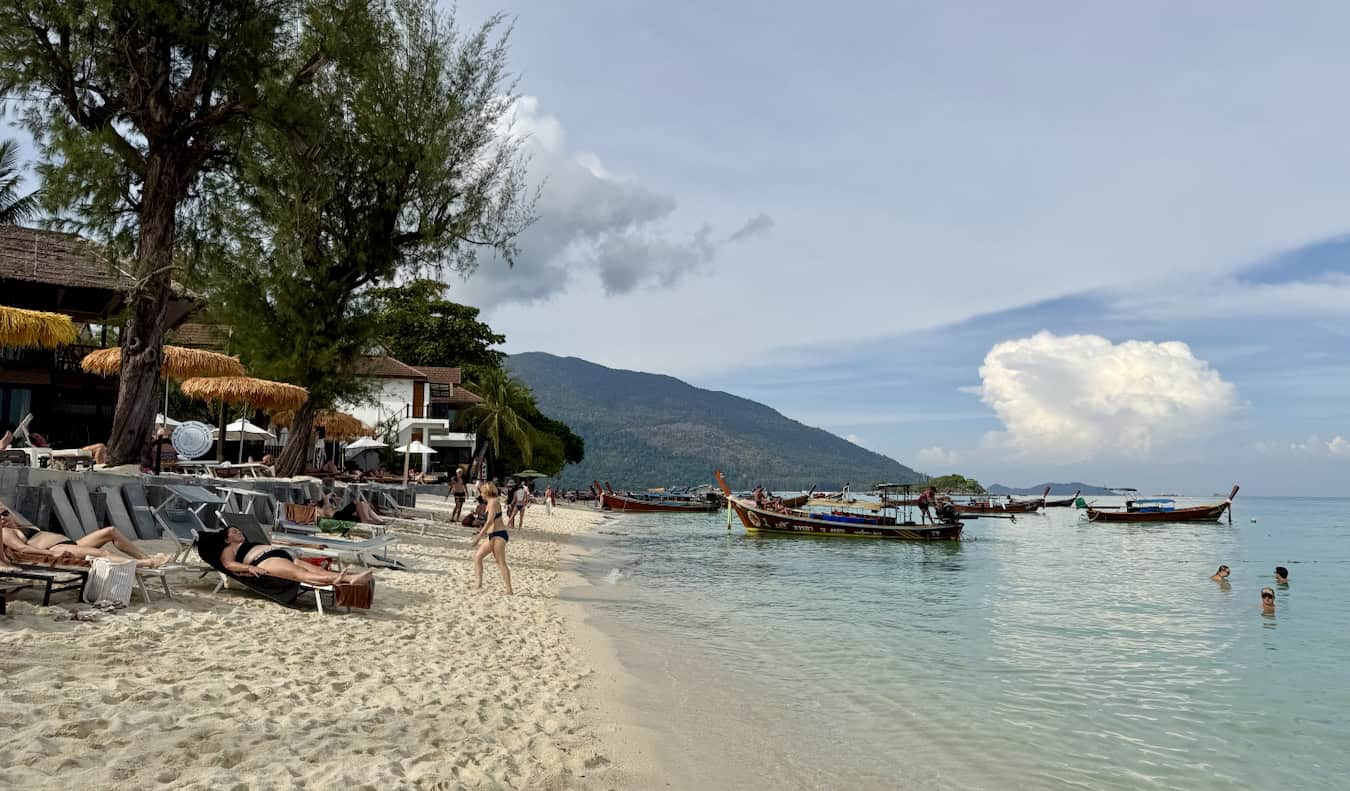
Today, that idyllic isolation is a relic of the past. A recent return to the island after 19 years paints a sobering picture of overdevelopment, environmental degradation, and socioeconomic displacement. Ko Lipe has effectively mirrored the trajectory of Thailand’s more notorious over-tourism casualties, such as Ko Phi Phi. Ancient dirt footpaths have been paved over into concrete arteries meant to accommodate cars and heavy construction trucks. Fragile coral reefs are suffocating under the weight of boat anchors, fuel pollution, and overfishing, while high-end resorts with swimming pools—built on an island entirely devoid of natural freshwater reserves—proliferate at an alarming pace.
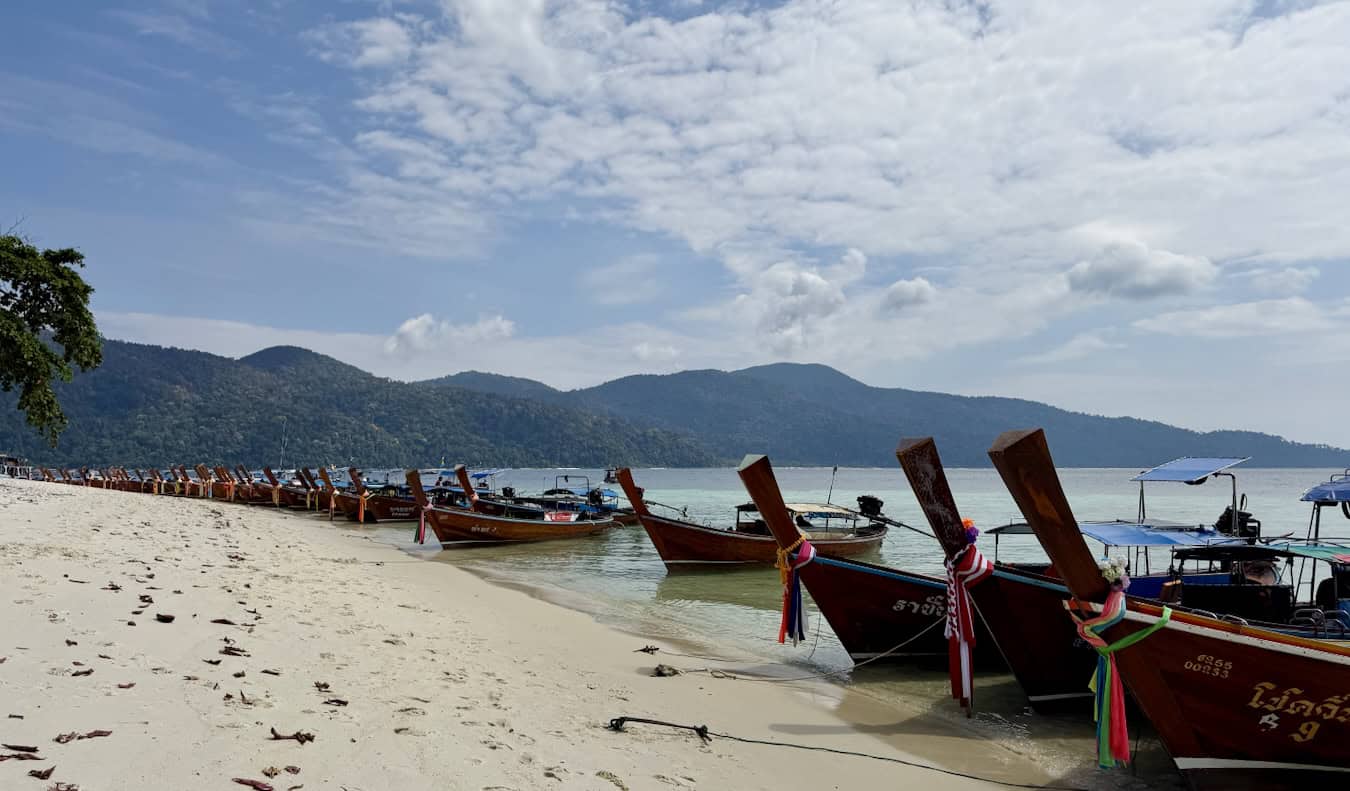
While first-time visitors may still be captured by the undeniable aesthetics of azure waters and powder-white sands, veteran travelers and environmental analysts argue that the long-term ecological and cultural toll far outweighs the immediate visual appeal. The central dilemma facing Ko Lipe is no longer just about managing visitor volume; it is a fundamental crisis of sustainable resource management and ethical tourism.
Chronology: From Backpacker Secret to Concrete Jungle
To understand the current state of Ko Lipe, it is essential to trace its evolution from an undiscovered frontier into a cautionary tale of rapid commercialization.
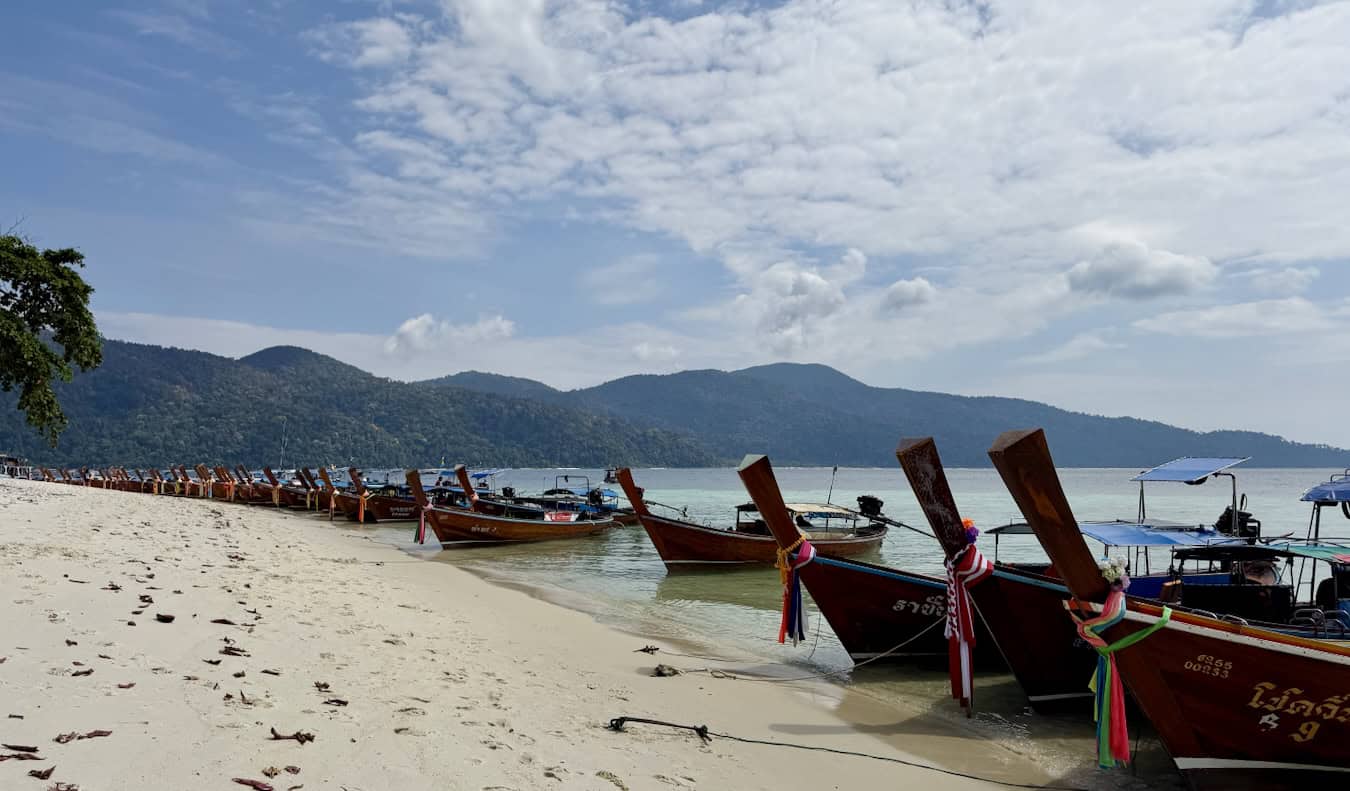
- 2006 (The Golden Era): The island operates almost entirely off the grid. Visitors spend their days reading, snorkeling, and interacting closely with a small local community. A handful of family-run restaurants supply basic meals, and the pace of life moves to the rhythm of the tides. Electricity is intermittent, and modern vehicular traffic is non-existent.
- The 2010s (The Turning Point): As budget travel booms globally and online guidebooks democratize remote destinations, Ko Lipe’s word-of-mouth appeal attracts increased capital investment. Ferries increase in frequency, extending the tourist season year-round and sparking a land grab by mainland developers.
- The Mid-2010s to 2020s (Infrastructure Expansion): Traditional bungalows are systematically demolished to make way for multi-story concrete resorts. Dirt tracks are paved to facilitate the transport of heavy building materials. The island’s fragile water table and waste management systems are pushed past their breaking points.
- Present Day (The Reckoning): Ko Lipe functions as a bustling regional transit hub connecting Thailand and Malaysia via Langkawi. However, the island’s infrastructure strains under year-round pressures, local indigenous populations have largely been displaced, and the surrounding marine ecosystem exhibits severe signs of distress.
Supporting Data & Environmental Realities
The physical transformation of Ko Lipe is not merely aesthetic; it is backed by measurable environmental strain. Islands of Ko Lipe’s geographical scale—measuring just a few square kilometers—possess strictly finite carrying capacities.
- Freshwater Depletion: Luxury resorts featuring swimming pools and modern plumbing demand massive quantities of freshwater. Because Ko Lipe lacks a natural surface water supply, aquifers are heavily tapped, leading to saltwater intrusion and diminishing water tables.
- Marine Degradation: The proliferation of longtail and speedboat traffic has turned near-shore waters into congested marine highways. Discharged fuel leaves visible sheens on the surface, while indiscriminate anchoring pulverizes surrounding coral reefs that once thrived within the Tarutao National Marine Park buffer zones.
- Waste Management Failures: Solid waste generation has vastly outpaced the local government’s ability to incinerate or transport refuse back to the mainland, leading to unmanaged waste accumulation.
- Economic Displacement: Escalating land values have forced out many original residents. A significant portion of the island’s current workforce consists of migrant laborers from the mainland who see little trickle-down benefit from the lucrative tourism yields captured by corporate developers.
Official Responses and Industry Stakeholder Perspectives
The phenomenon of over-tourism in southern Thailand has increasingly forced local authorities, environmental agencies, and tourism boards to walk a fine line between economic recovery and ecological preservation.
Local tourism associations and business owners frequently defend the development trajectory, pointing out that economic survival for island residents depends on modernization. Without high-end resorts, restaurants, and reliable transport networks, they argue, the local economy would stagnate, leaving younger generations without viable employment opportunities. From this perspective, the influx of capital is viewed as a necessary modernization to keep the region competitive against regional rivals in Malaysia and Indonesia.
Conversely, environmental ministries and marine conservation NGOs have increasingly pushed back. While Thailand’s Department of National Parks, Wildlife and Plant Conservation has occasionally implemented temporary closures of fragile bays and specific dive sites around neighboring marine zones to allow coral regeneration, comprehensive regulatory frameworks for islands like Ko Lipe remain difficult to enforce. Critics argue that regional governance often prioritizes short-term municipal tax revenues over long-term ecological sustainability, leaving civil society organizations to sound the alarm on unmitigated coastal urbanization.
Implications: The Power of Consumer Choice and Alternative Destinations
The cautionary tale of Ko Lipe holds profound implications for the future of global travel. It challenges the romanticized notion that discovery equals harmless appreciation. Every tourist dollar spent on an unsustainably managed destination casts a vote for its continued exploitation.
However, the travel landscape is shifting. Historical precedents prove that consumer consciousness can drive tangible changes in industry behavior. The dramatic global decline in elephant tourism and the meteoric rise of certified eco-lodges demonstrate that travelers possess significant leverage. When consumers actively reevaluate where they spend their money, markets respond.

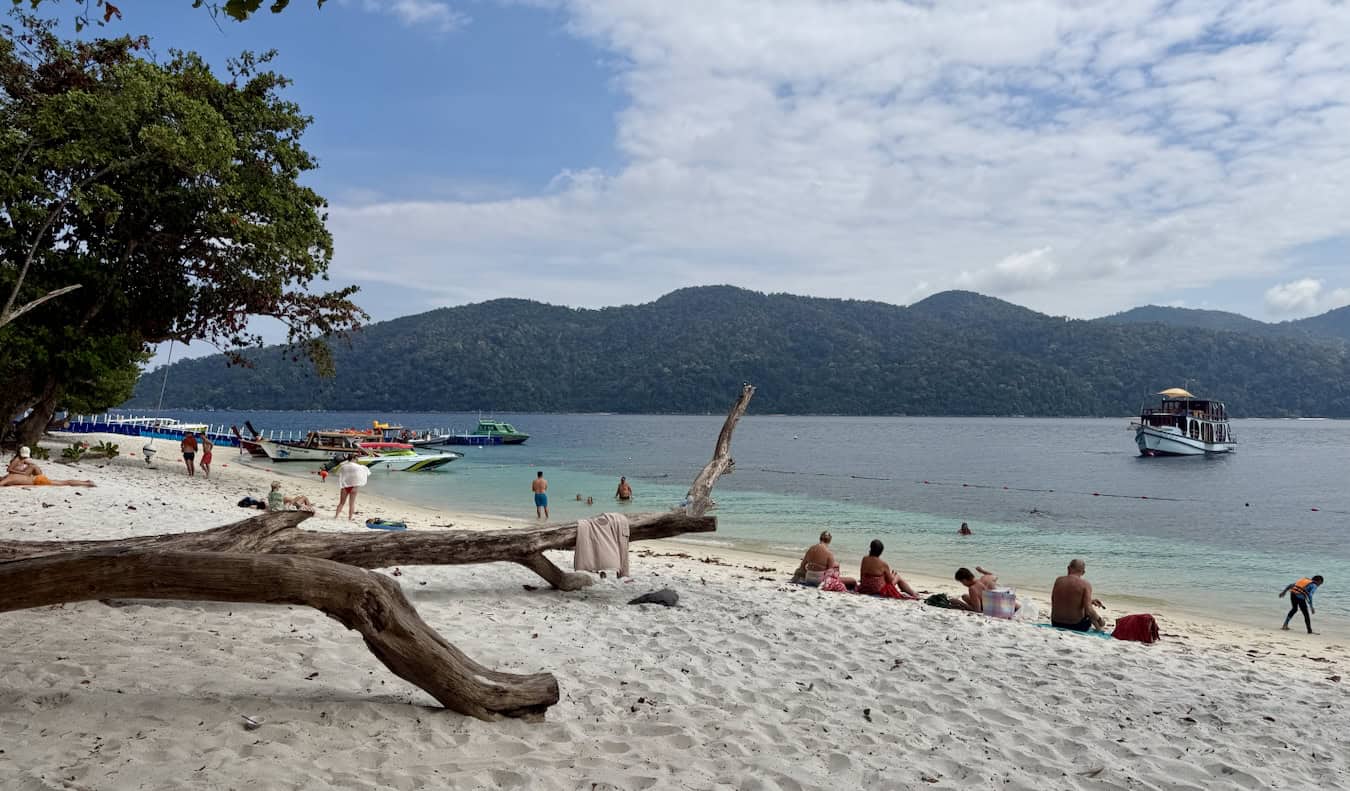
For travelers determined to experience the pristine beauty of the Andaman Sea without contributing to the collapse of fragile ecosystems, viable alternatives exist. Nearby islands such as Ko Lanta, Ko Jum, and Ko Mook have thus far maintained more rigorous zoning laws, slower development cycles, and community-led tourism initiatives that respect local carrying capacities.
Ultimately, returning to Ko Lipe serves as a poignant reminder that preservation requires restraint. Sometimes, the most responsible act a traveler can take is to walk away, acknowledge that certain paradises can be loved to death, and direct their footsteps toward destinations capable of surviving the footprint of modern tourism.