The winds of change have swept through the fictional, rugged landscape of Ransom Canyon. Netflix has officially pulled the plug on the hit Western romance drama after two seasons, leaving a devoted fanbase reeling and a compelling narrative arc abruptly silenced. For a series that captured the hearts of millions with its blend of dusty frontier charm and high-stakes romantic tension, the cancellation feels like an unexpected sting, especially given the fervent digital discourse that surrounded the show since its July 2025 debut.
While the television industry is no stranger to the "Netflix cull," the end of Ransom Canyon serves as a poignant reminder of the volatile nature of streaming success. As we bid farewell to the residents of the canyon, it is worth examining the rise, the creative pivots, and the final data points that sealed the fate of a show that promised a modern revival of the classic Western soap.
A Chronology of the Canyon’s Rise and Fall
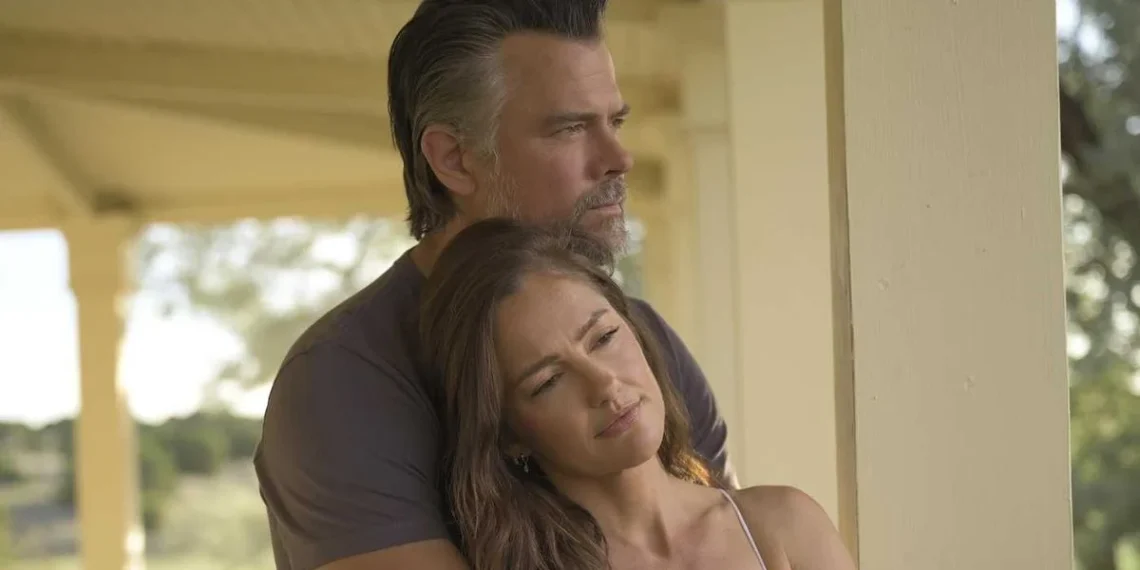
The journey of Ransom Canyon began with a massive splash. When the series premiered in July 2025, it was an immediate sensation. In its opening week, the show garnered a staggering 7.2 million views, signaling that audiences were starving for the specific brand of "Western romance" that the show delivered. It was a perfect storm of casting, with industry stalwarts Josh Duhamel and Minka Kelly providing the gravitas necessary to anchor the sprawling, multi-generational drama.
The first season was defined by a classic "will-they-won’t-they" dynamic between Staten (Duhamel) and Quinn (Kelly). Their chemistry became the show’s heartbeat, drawing viewers in week after week. However, the transition to the second season proved to be a tighter affair. The episode count was reduced from ten to eight, a structural shift that some industry analysts argue hampered the show’s ability to breathe and develop its secondary arcs.
By the time the second season arrived, the numbers told a different story. The opening week for Season 2 saw a drop to 4.1 million views. While still a respectable figure by many industry standards, the downward trajectory in a platform-driven ecosystem—where growth and sustained retention are the primary currencies—likely signaled to Netflix executives that the show had reached its ceiling rather than its potential.
Supporting Data: The Metrics of Romance
To understand the cancellation, one must look at the cold, hard numbers that underpin the modern streaming business model. Netflix operates on a "cost-per-hour-viewed" and "completion rate" basis. While Ransom Canyon possessed a dedicated core audience, the significant drop-off between the premiere of Season 1 and the premiere of Season 2 represents a nearly 43% decline in initial viewership.
Furthermore, the complexity of the show’s ensemble cast—which balanced the central romance of Staten and Quinn with the messy, often polarizing exploits of secondary characters like Lauren, Lucas, and Kit—created a fragmented viewing experience. While social media buzz remained high, the "noise" generated by fans discussing plot points like the controversial romantic entanglements of the younger generation may not have translated into the "binge-watch" completion rates that Netflix prioritizes for renewal.
Official Responses: The Actors’ Unfulfilled Vision
Perhaps the most heartbreaking aspect of the cancellation is the disconnect between the creative vision of the cast and the finality of the network’s decision. In an exclusive interview with Brit + Co, the stars of the series revealed they were already looking ahead to a potential third season, brimming with ideas for their characters’ evolution.
Minka Kelly, in particular, was eager to move past the "will-they-won’t-they" trope and explore the "nuts and bolts" of a long-term relationship. "Are you getting into the nuts and bolts of what it’s like to actually make a life together?" Kelly mused prior to the cancellation. "When things get hard, and you’re still choosing each other… you’re seeing the worst parts of each other and you’re still choosing each other. That I’m excited to explore."
Josh Duhamel echoed this sentiment, providing insight into the philosophical shift his character, Staten, was undergoing. "It seems like there’s always something sort of getting in the way," Duhamel noted. "Are they letting it get in the way, is it fate or is it their own life choices? I think that my character doesn’t believe in fate… but I think he starts to come around to it."
The cast’s enthusiasm suggests that there was no shortage of narrative gas in the tank. They were prepared to lean into the mature, gritty realities of domestic life in the West, which would have offered a refreshing contrast to the more volatile romantic drama of the first two seasons.
The Narrative Labyrinth: Highs and Lows of Season 2
Season 2 of Ransom Canyon was, by all accounts, a season of experimentation that proved to be a double-edged sword. While it provided closure to the Staten and Quinn saga, it also introduced plot points that alienated segments of the audience.
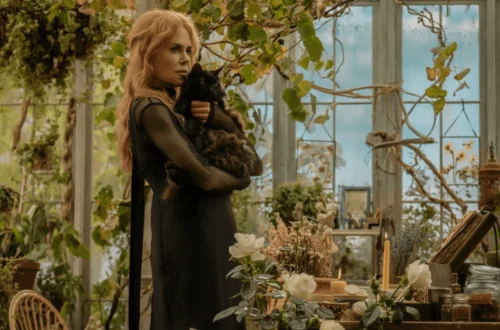
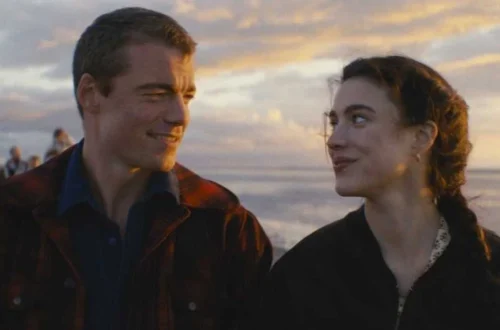
The introduction of new love interests and the erratic decision-making of the supporting cast—most notably the tangled web involving Lauren (Lizzy Greene), Lucas (Garrett Wareing), and the polarizing character of Kit (Casey W. Johnson)—created a sense of narrative fatigue. Fans were particularly vocal about the "love triangle" dynamics, specifically the questionable decision-making involving familial boundaries.
Lizzy Greene, however, stood by the character’s trajectory during her appearance at Netflix’s End of Summer bash. She argued that Lauren’s choices were reflective of a "transformative time" in her life. "I honestly think Lauren and Lucas are pretty endgame," Greene told Brit + Co. "I think that their love transcends space, time, everything. I think that Kit makes sense for her right now, and that’s what’s happening."
Despite the actors’ justifications, the complexity of these arcs may have made the show less accessible to new viewers, who were likely deterred by the necessity of untangling two seasons’ worth of increasingly labyrinthine romantic history.
Implications for the Western Romance Genre
The cancellation of Ransom Canyon raises broader questions about the viability of the Western romance genre on major streaming platforms. For years, Westerns were relegated to the dusty corners of cable television, but shows like Yellowstone and its spinoffs proved that there is a massive, untapped audience for contemporary stories set against the backdrop of the American West.
Netflix’s decision to cancel Ransom Canyon does not necessarily mean the genre is dead, but it does suggest that the platform is moving toward a more conservative content strategy. When a show with high production values and a recognizable cast fails to sustain its initial momentum, the platform is increasingly likely to prioritize new IP that can attract a broad, global audience rather than continuing to invest in a niche, albeit passionate, fanbase.
The fallout also speaks to the "Netflix Effect," where a show’s fate is often tied to its performance in the first 28 days of release. Shows that don’t reach a certain "viral" threshold are often treated as sunk costs. For fans of Ransom Canyon, the takeaway is bittersweet: the show proved that there is a massive hunger for romance set in the West, but it also highlighted the fragility of those stories when they fail to capture the fickle interest of the global streaming audience.
The Final Curtain: What’s Left for the Fans?
Ultimately, the residents of Ransom Canyon have ridden off into the sunset. For the audience, the show will remain a "what could have been" project—a story of love, fate, and the struggle to build a life in a landscape that is as beautiful as it is unforgiving.
While the cancellation is undoubtedly a blow, the legacy of the show persists in the fan communities that have formed around it. From the intense analysis of Staten and Quinn’s compatibility to the passionate debates over the show’s controversial subplots, Ransom Canyon succeeded in what all great television sets out to do: it sparked conversation.
As we look toward the future, one can only hope that the networks and streamers learn from the "Ransom Canyon experience." There is an audience waiting for grounded, character-driven romances that don’t rely on constant cliffhangers or shock value, but rather on the quiet, human struggle of choosing each other, day after day. Until then, we are left to our imaginations, wondering what might have happened had Staten and Quinn been given the chance to truly face the "nuts and bolts" of their life together.
The valley may be quiet now, but the echo of its story will likely linger in the hearts of those who walked its dusty trails for two short, memorable seasons.