Main Facts: The Evolution of the Digital Nomad Lifestyle
For the modern location-independent professional, the intersection of travel and productivity has long been a logistical tightrope. For years, the digital nomad experience was defined by compromises: hunching over cramped hostel common tables, navigating unpredictable Wi-Fi networks advertised by misleading hosts, or spending hours cafe-hopping in search of a reliable power outlet and a quiet corner.
However, the post-pandemic normalization of remote work has catalyzed a structural shift in global travel and real estate. Enter the global coliving network—a hybrid model fusing the infrastructure of a professional coworking office with the communal social architecture of a boutique hotel. At the vanguard of this movement is Outsite, a global network of curated coliving and coworking spaces designed specifically for remote workers, entrepreneurs, and digital creatives.
Founded in 2015 in Santa Cruz, California, Outsite has grown from a single surf-and-work house into a global enterprise encompassing over 5,000 members and more than 50 locations worldwide. Offering private rooms, enterprise-grade internet, and structured community management, the platform addresses the primary pain points of modern remote work: isolation, erratic productivity, and the exhaustion of constant relocation.
Chronology: From a Single Surf House to a Global Network
To understand the current coliving boom, it is necessary to examine how the market evolved from informal grassroots setups to institutionalized hospitality networks.
- 2015 (The Inception): Outsite establishes its first property in Santa Cruz, California, catering primarily to a niche market of surfers and tech entrepreneurs looking to blend lifestyle sports with continuous career output.
- 2018–2019 (Pre-Pandemic Expansion): Recognizing a broader demographic shift toward location independence, the company expands its footprint across North America and into key European hubs, proving the viability of standardized, remote-work-focused real estate.
- 2020–2022 (The Remote Work Boom): The COVID-19 pandemic permanently alters global labor markets. As corporations embrace distributed work models, the demand for reliable, plug-and-play international workspaces skyrockets. Coliving spaces transition from alternative travel trends to mainstream infrastructure.
- 2023–Present (Scaling and Membership Optimization): Outsite refines its dual-tier model, balancing non-member bookings with a robust loyalty program. Membership tiers—ranging from a $199 annual fee to a $499 lifetime pass—are introduced to offer perks such as flash-sale discounts, extended-stay reductions, and access to members-only properties. Recent property launches, such as the company’s expansion into Bordeaux, France, highlight a shift toward culturally rich, secondary European cities rather than just traditional tech capitals.
Supporting Data: Infrastructure, Economics, and Guest Demographics
The operational mechanics of spaces like Outsite reveal a calculated synthesis of hospitality and corporate efficiency. A granular look at the economics and amenities highlights why this model appeals to today’s traveling professionals:
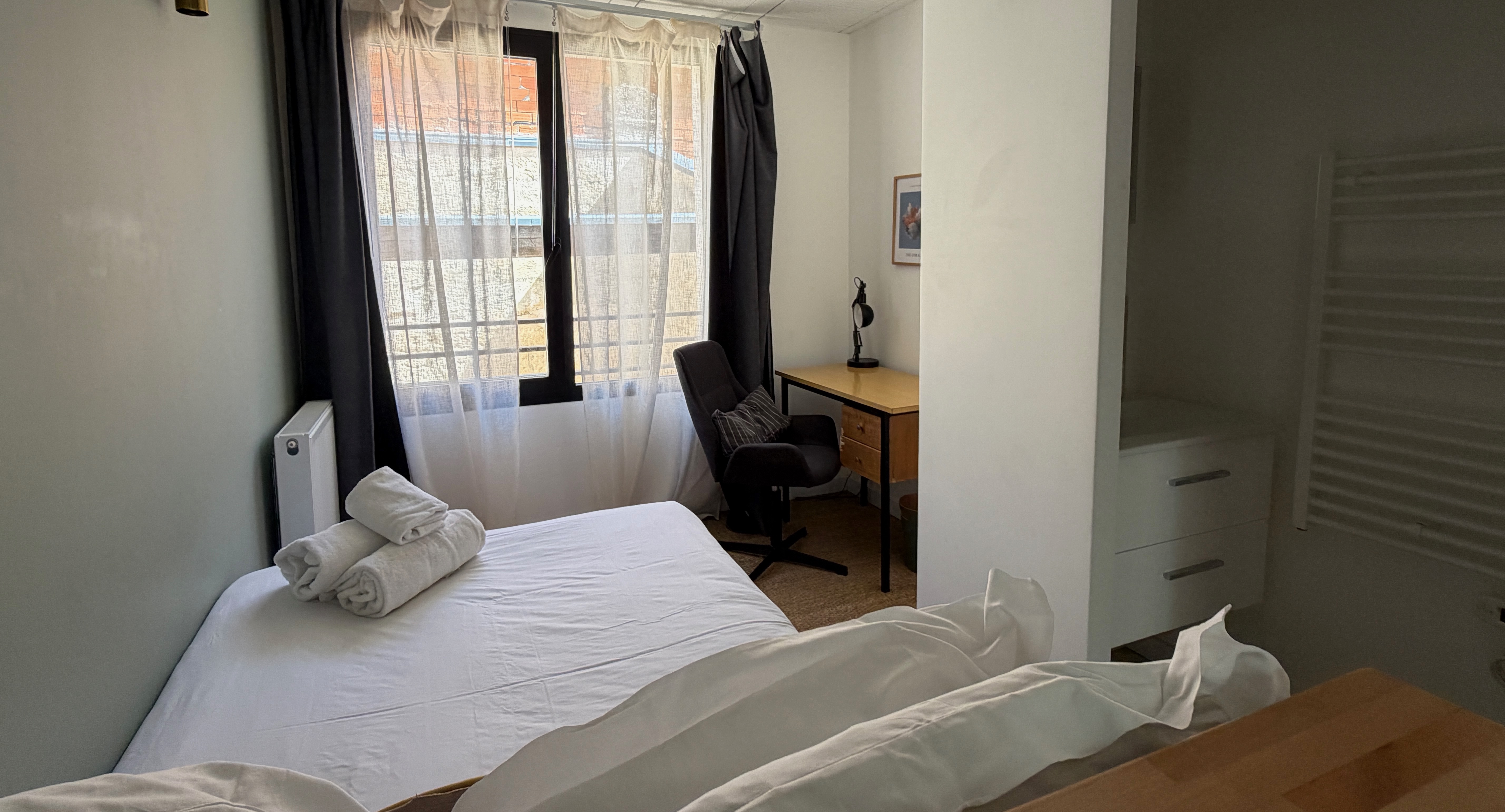
- Property Architecture: Unlike traditional hostels featuring multi-bed dormitories, Outsite models its properties around private bedrooms—many with en-suite bathrooms, though budget-friendly variants may involve sharing a bath with a single housemate.
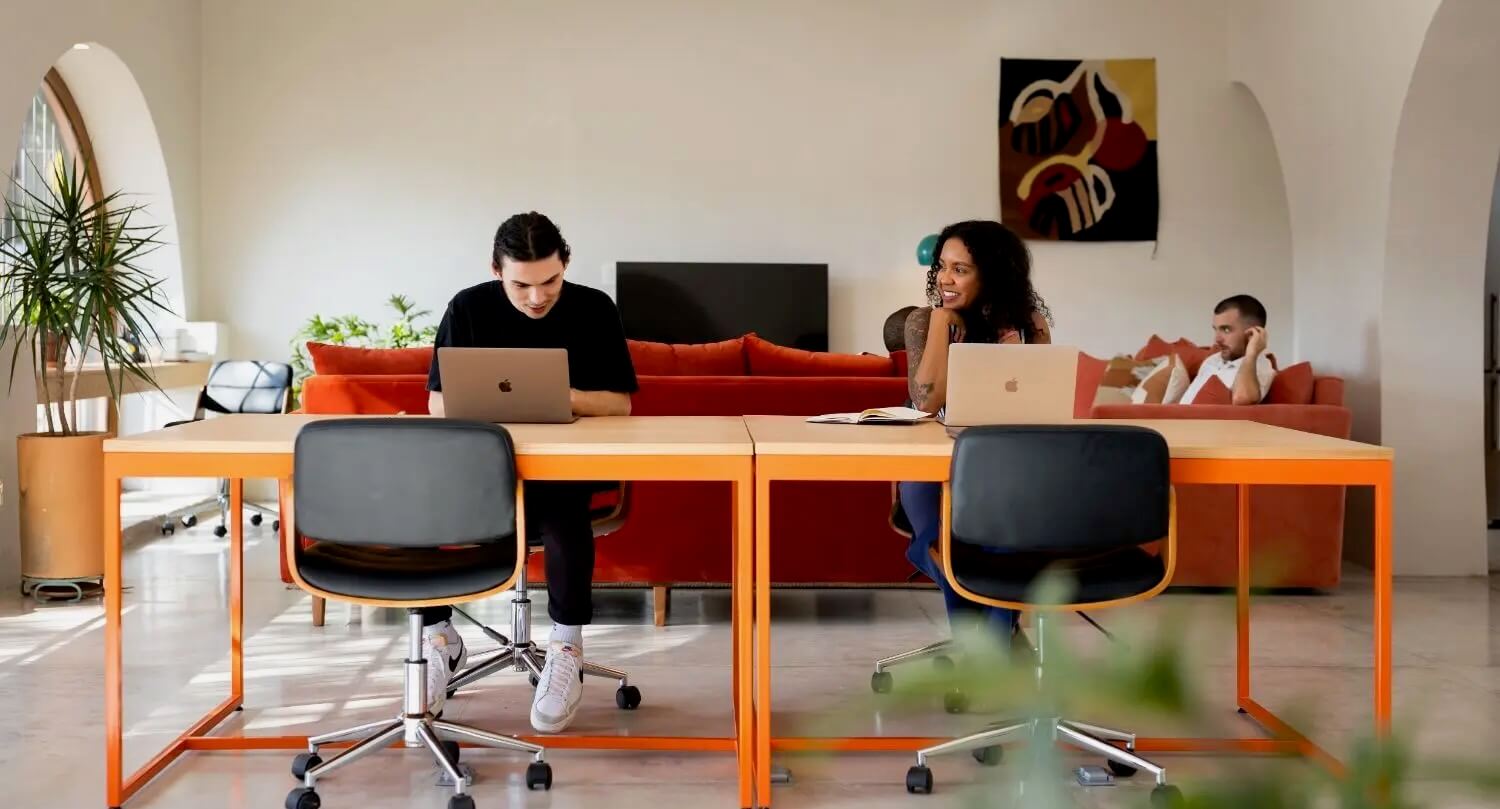
- Workspaces: Every property integrates a dedicated on-site coworking zone equipped with ergonomic chairs, external monitors, universal power outlets, and enterprise-grade, high-speed Wi-Fi designed to handle heavy data loads and video conferencing without lag.
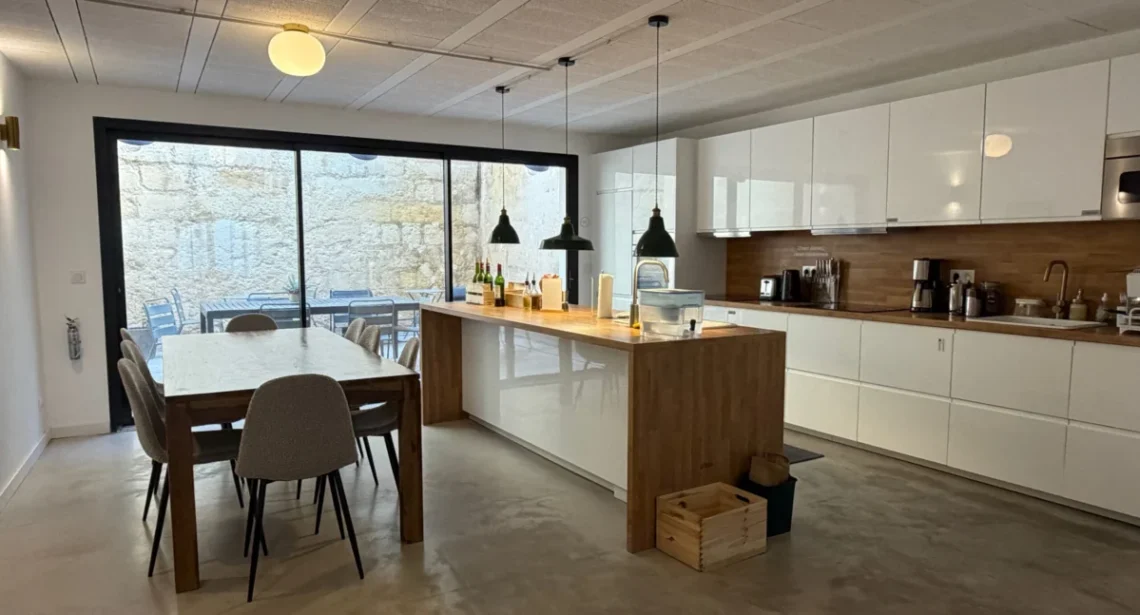
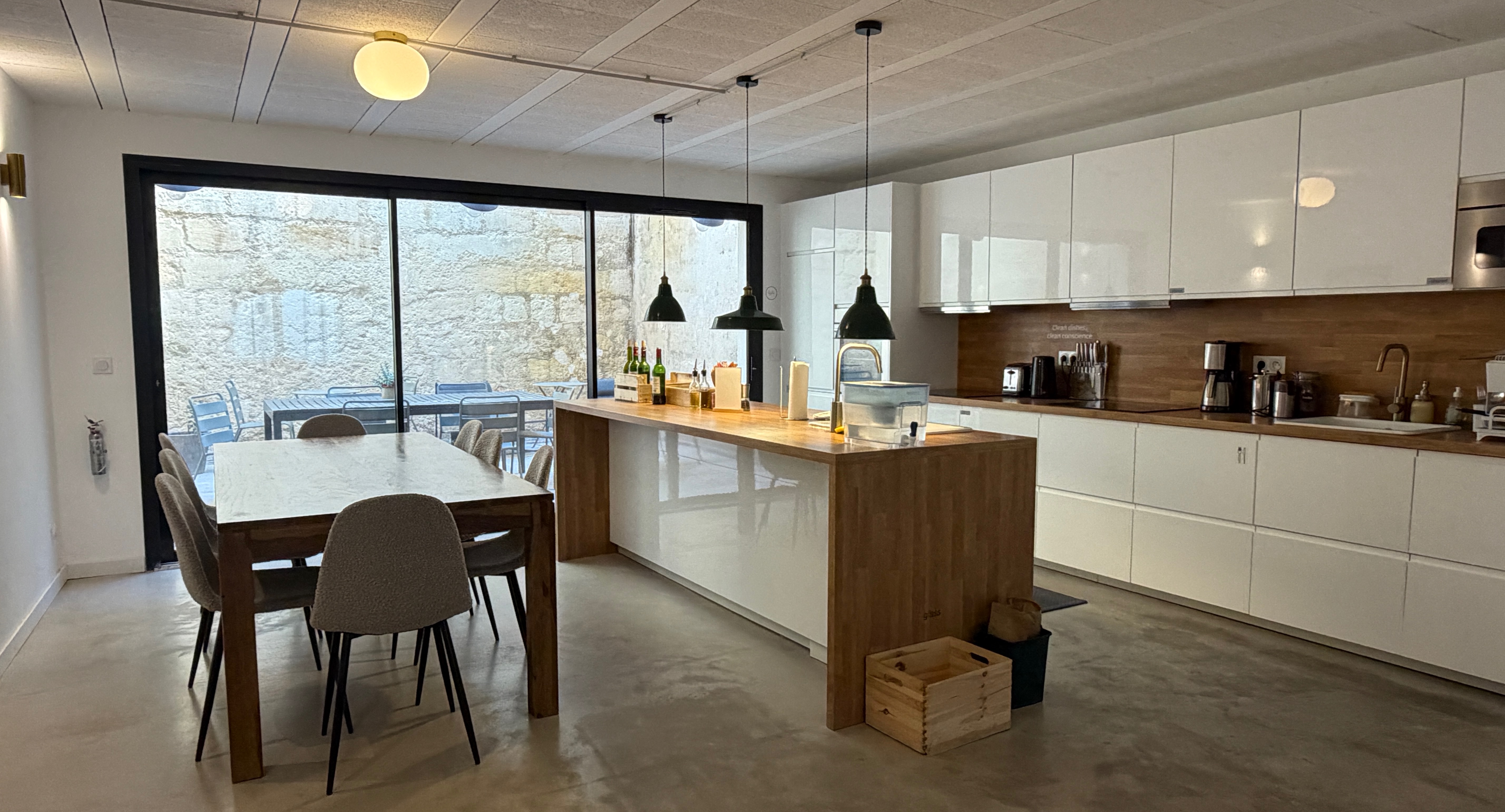
- Communal Facilities: Properties feature industrial-grade chef’s kitchens (serviced by daily cleaning staff), expansive living rooms, outdoor patios, and frequently rooftop terraces or pools.
- Pricing and Membership Economics: While daily rates place Outsite above traditional backpacker budgets, a financial breakdown reveals competitive parity when compared to renting an individual apartment and simultaneously purchasing a monthly membership at an independent coworking hub. The $199 annual membership fee quickly amortizes through discounted nightly rates and promotional weeks in newly opened destinations.
- Demographic Profile: Data from property managers indicates that the typical guest is a working professional aged between late 20s and late 40s. The minimum booking age is strictly enforced (18 or 21 depending on the jurisdiction), creating an environment tailored to career-focused adults rather than gap-year sightseers.
Official Insights and Guest Experiences: A Closer Look at Bordeaux
Evaluating the day-to-day reality of the coliving model requires examining first-hand operational accounts. During a recent stay at Outsite’s Bordeaux, France location, guests encountered an ecosystem meticulously designed to bridge the gap between local immersion and professional output.
A defining feature of the Outsite operational model is the integration of a dedicated Community Manager. Rather than acting merely as property superintendents, these managers curate the social fabric of the house. Prior to arrival, guests are integrated into localized WhatsApp channels, breaking down the social friction common to solo travel. Structured community touchpoints include family-style dinners, weekend excursions, Friday evening tapas tours, and morning wellness sessions.
Furthermore, the operational philosophy recognizes that remote workers operate on varied schedules. The presence of enterprise infrastructure allows guests to transition from sleep to deep-focus work within minutes, bypassing the trial-and-error phase of scouting local cafes. As guest testimonials note, the primary differentiator is not merely the physical hardware—such as high-pressure showers, modern minimalist design, and complimentary artisan coffee—but the psychological safety net of a built-in, like-minded professional community.
Implications: The Future of Real Estate, Labor, and Corporate Culture
The proliferation of global coliving platforms signals profound changes across multiple industries:
1. The Transformation of Commercial and Residential Real Estate
Real estate developers are increasingly rethinking urban and suburban housing models. The traditional 12-month residential lease is losing favor among younger, highly mobile knowledge workers. Coliving providers demonstrate that flexible, medium-term lease structures (ranging from two-night minimums to multi-month stays) can yield high occupancy rates and resilient revenue streams by tapping into the global talent pool.
2. Combating Remote Work Isolation
While remote work offers autonomy, psychological studies consistently highlight professional isolation as a primary drawback. Platforms like Outsite offer a structural antidote, fostering organic networking, collaborative micro-communities, and a healthy work-life balance. By curating environments where residents share similar professional challenges, these spaces foster mental well-being and reduce burnout among distributed teams.
3. The Democratization of Location-Independent Careers
As infrastructure standardizes across the globe—from Lisbon and Costa Rica to Bordeaux and New York—the friction of international relocation decreases. Professionals no longer need to sacrifice career progression to explore the world. Instead, the modern workspace travels with them, permanently altering the boundary between home, office, and vacation.