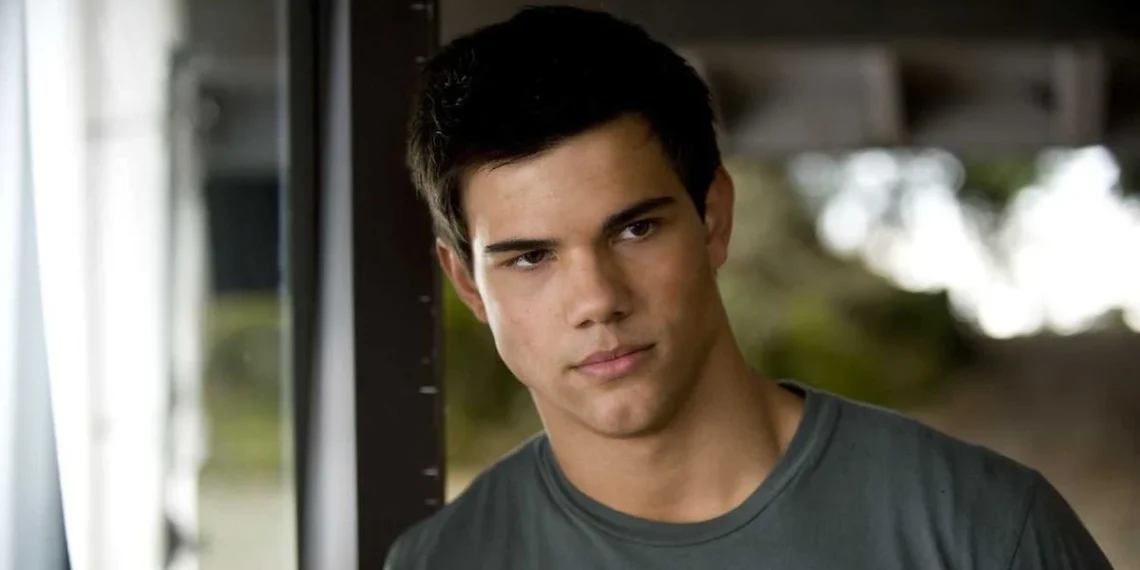
The Twilight saga, an undeniable titan of the Young Adult romance genre, reshaped the cultural landscape of the late 2000s and early 2010s. Beyond its box office dominance, the franchise catapulted Robert Pattinson, Kristen Stewart, and Taylor Lautner into the stratosphere of global superstardom, creating a binary cultural divide—Team Edward versus Team Jacob—that remains a touchstone of millennial nostalgia. Now, more than a decade after the final chapter, Amazon MGM Studios is breathing new life into this universe with a high-concept, meta-fictional twist: Taylor Lautner: Werewolf Hunter.
This upcoming series promises to be more than a simple reboot; it is a sharp, self-aware exploration of fame, typecasting, and the blurred lines between reality and fiction. By positioning Lautner as a version of himself who pivoted from teen idol to supernatural vigilante, the show invites audiences to reconsider the legacy of the werewolf character that defined a generation.
Main Facts: A Genre-Bending Premise
The premise of Taylor Lautner: Werewolf Hunter is rooted in an "alternate reality" narrative structure. Following the conclusion of The Twilight Saga: Breaking Dawn – Part 2 in 2012, the show posits that the actor did not move on to traditional Hollywood projects in the way his real-life counterpart did. Instead, he was recruited into a clandestine, global society of werewolf trackers.
The official logline establishes the show’s unique tone: "As he navigates his double life—Hollywood actor by day, supernatural warrior by night—Taylor must wrestle with the ultimate irony: fighting the very creatures that made him famous. Between saving the world, reviving his career, and falling in love, he faces the ultimate question—what happens when your biggest role becomes your greatest enemy?"
The series is spearheaded by creator and showrunner Daisy Gardner, a writer known for her keen sense of humor and narrative ingenuity. Under the Amazon MGM Studios banner, the project is being framed as a prestige comedy-thriller, designed to satisfy both die-hard Twilight fans and viewers who enjoy meta-commentary on the entertainment industry.
The Chronology of a Cult Classic
To understand the significance of this series, one must look back at the trajectory of the Twilight phenomenon.
- 2008: The release of the first Twilight film, directed by Catherine Hardwicke, introduces the world to the moody, rain-soaked aesthetic of Forks, Washington, and the supernatural rivalry between the Cullen family and the Quileute pack.
- 2009–2011: New Moon, Eclipse, and Breaking Dawn – Part 1 cement Taylor Lautner’s status as a global heartthrob. Lautner’s physical transformation and his portrayal of Jacob Black become central to the series’ marketing.
- 2012: The final film, Breaking Dawn – Part 2, hits theaters, closing the book on the main cinematic narrative. At this point, the actors move into diverse, often indie-heavy, career paths.
- 2015–2025: Lautner navigates various roles in television and film, often grappling with the long shadow cast by his breakout character. During this time, the "Team Jacob" vs. "Team Edward" debate continues to live on in digital spaces like TikTok and X (formerly Twitter).
- 2026: Amazon MGM Studios announces Taylor Lautner: Werewolf Hunter, marking a pivotal moment where the actor embraces the irony of his early career to launch a new, self-referential franchise.
Supporting Data and the Evolution of Meta-Content
The success of shows like The Unbearable Weight of Massive Talent and Curb Your Enthusiasm has proven that audiences have a voracious appetite for "meta-fiction"—stories where actors play heightened versions of themselves. Taylor Lautner: Werewolf Hunter is strategically timed to capitalize on this trend.
Industry analysts note that 2026 is shaping up to be a year of "revisit-oriented" content. With Gen Z and Millennials seeking comfort in the IP of their formative years, Amazon’s move to blend the Twilight aesthetic with a modern, satirical tone is a calculated play for engagement. Data suggests that the Twilight movies continue to perform exceptionally well on streaming platforms like Hulu, proving that the franchise has a "sticky" quality that persists long after its initial cultural saturation.
By subverting the "werewolf" trope, the series effectively turns Lautner’s primary criticism—that he was "too much" of a werewolf—into his greatest asset. This pivot transforms the character of Jacob Black from a static role into a thematic device for the show’s action-comedy beats.
Official Responses and Production Insights
While the cast list remains largely under wraps, the industry response has been one of curiosity and excitement. Showrunner Daisy Gardner has been praised for her ability to balance the inherent camp of the Twilight universe with the gritty requirements of a supernatural hunter series.
"It is a fascinating challenge," an industry insider noted during the initial announcement. "By using Taylor as the anchor, the show is able to address the elephant in the room—the sheer intensity of the Twilight fandom—while also delivering high-octane sequences that wouldn’t be out of place in a modern action thriller."
The production is also expected to feature a blend of practical effects and high-end CGI, paying homage to the iconic visual language of the original films, while updating the aesthetic for a contemporary Amazon Prime Video audience. There is significant speculation regarding whether former co-stars might make cameos, though no official confirmations have been provided at this time.
Cultural Implications: Why This Matters
The release of Taylor Lautner: Werewolf Hunter signifies a shift in how Hollywood manages its legacy IP. Rather than simply rebooting or remaking a franchise—a process that often invites backlash from purists—Amazon is choosing to "expand" the universe by reflecting on its impact.
1. The Death of the "Typecast"
For years, actors associated with massive teen franchises have struggled to shed the skin of their breakout roles. Lautner’s decision to lean into the absurdity of the werewolf narrative is a bold act of reclaiming his own public image. By owning the irony, he effectively neutralizes it.
2. The Power of Nostalgia
Nostalgia is no longer just a marketing tool; it is a structural pillar of modern television. By rooting a new series in the specific, localized history of Twilight, the show guarantees an immediate, built-in audience. It allows fans to revisit the world they love without needing to rewrite the original ending.
3. The Future of Meta-Narratives
If Taylor Lautner: Werewolf Hunter succeeds, it could set a blueprint for other franchises. We may see a rise in "actor-centric" spin-offs where former stars of long-running shows are given the creative freedom to lampoon their own careers while simultaneously providing fans with the action and drama they crave.
Conclusion: What to Expect
As we look toward the premiere of Taylor Lautner: Werewolf Hunter, the excitement is palpable. The series promises to be a riotous, high-stakes, and deeply personal exploration of what it means to be a pop-culture icon in a digital age.
For those who have spent the last 15 years debating the merits of the vampire-werewolf dynamic, this show is a long-awaited invitation to re-enter that world with a wink and a smile. Whether you are a die-hard fan who never left the forests of Forks or a newcomer intrigued by the meta-fictional premise, one thing is clear: Taylor Lautner is ready to hunt.
In the meantime, viewers are encouraged to dive back into the archives. Re-watching the original Twilight films on Hulu offers the perfect primer for what is sure to be one of the most discussed series of the 2026 season. As the production moves into its next phase, the question remains: are you ready to see the werewolf hunter emerge from the shadows?
Are you Team Jacob or Team Edward? The debate continues. Join the conversation on Brit + Co’s Facebook page and share your hot takes as we prepare for the next chapter of this supernatural saga.