In a landmark collaboration that marries Portuguese porcelain mastery with the quintessential British aesthetic, Vista Alegre and Liberty London have officially unveiled "Lotus," a vibrant new tableware collection. This partnership represents a profound intersection of two storied institutions, bridging the gap between centuries-old textile artistry and the sophisticated precision of fine porcelain manufacturing.
The collection, which encompasses a comprehensive array of dining and tea service essentials, serves as a testament to the enduring power of archival research and cross-disciplinary design. By translating the delicate, intricate world of Liberty’s legendary prints onto the robust canvas of Vista Alegre’s premium porcelain, the collaboration has created a suite of objects that are as functional as they are sculptural.
Main Facts: The Anatomy of the Lotus Collection
The "Lotus" collection is not merely a set of dishes; it is a curated experience designed to bring the heritage of London’s most famous department store to the modern dining table.
A Comprehensive Offering
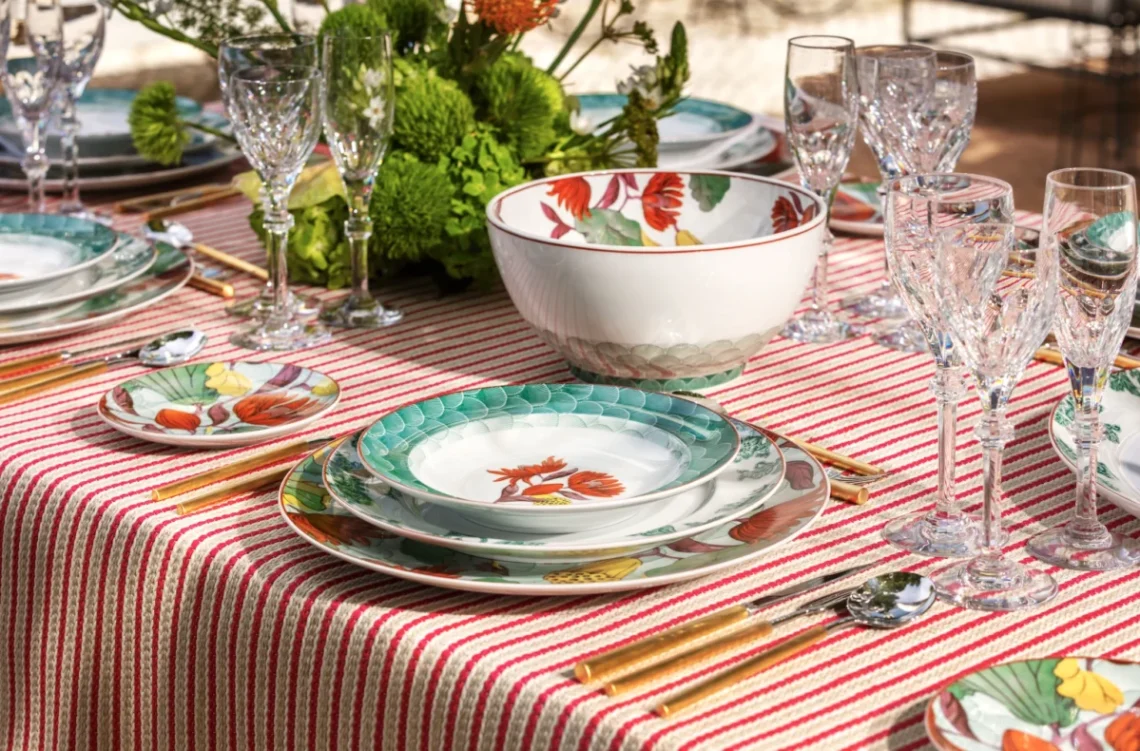
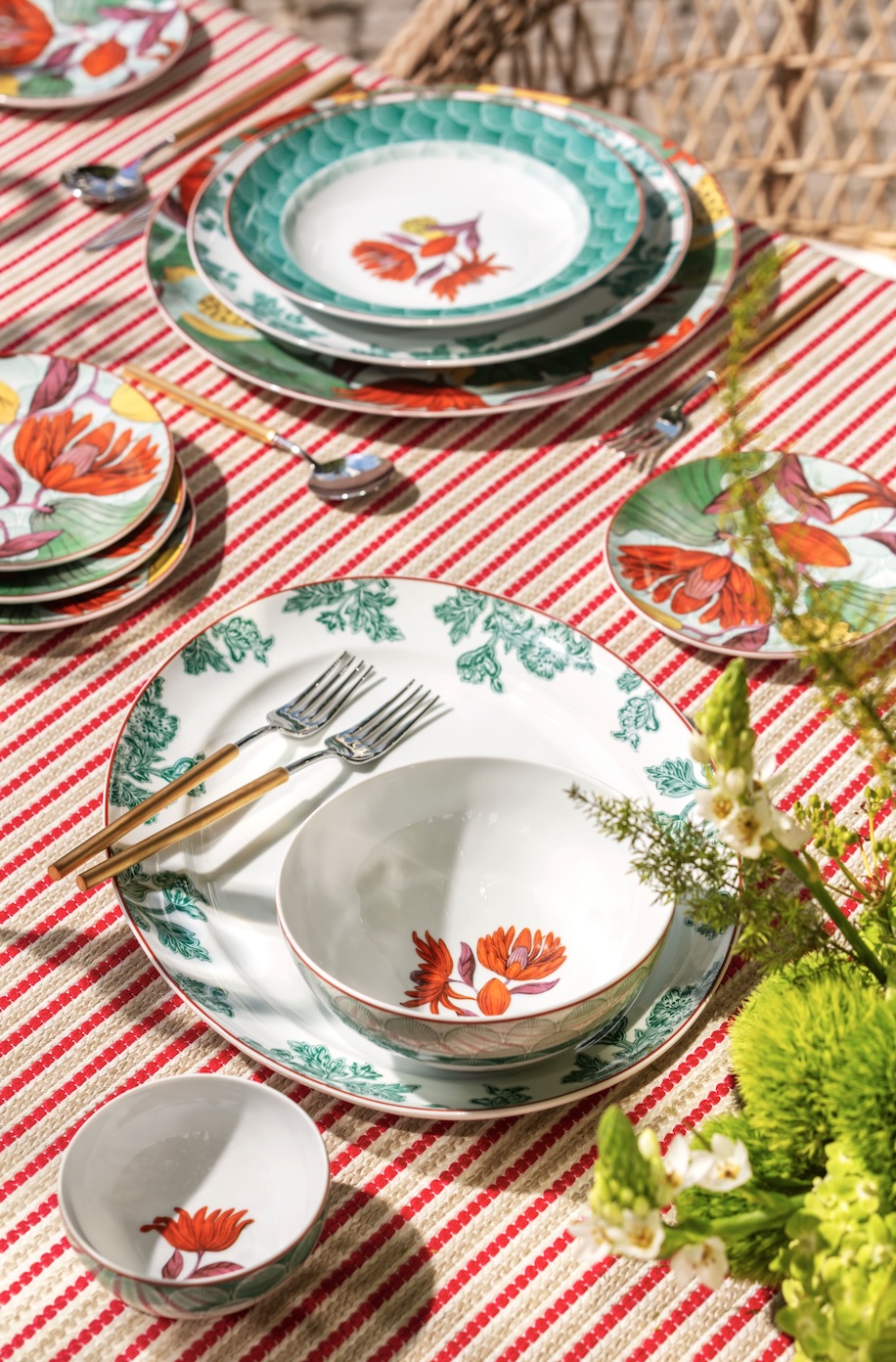
The collection provides a holistic solution for sophisticated entertaining. The range includes:
- Dinnerware Essentials: Charger plates, dinner plates, soup plates, dessert plates, and bread plates.
- Serving and Utility: Specialized bowls and an array of serving dishes designed for modern hosting requirements.
- Beverage Services: Dedicated tea and coffee services, emphasizing the ritual of the afternoon break—a nod to the traditional British tea culture synonymous with the Liberty brand.
The Design Language
The collection’s aesthetic is defined by its vibrant color palette and intricate motifs, which draw direct inspiration from early 20th-century textile fragments. Each piece acts as a vessel for historical storytelling, featuring patterns that have been meticulously adapted from Liberty’s expansive print archives. The porcelain serves to highlight the fluidity of these designs, with the glaze enhancing the depth and saturation of the motifs.
Chronology: A Century in the Making
To understand the weight of the "Lotus" collection, one must look at the timeline of the two brands involved.
The Liberty Legacy (1875–Present)
Founded by Arthur Lasenby Liberty in 1875, Liberty London quickly became the epicenter of the Arts and Crafts movement. Over the last 150 years, the store has amassed an unparalleled archive of over 60,000 pattern books, original paintings, and textile drawings. This archive is not merely a historical repository; it is a living, breathing design resource that informs the brand’s output today.
The Vista Alegre Heritage (1824–Present)
Vista Alegre, founded in 1824 in Ílhavo, Portugal, is one of the oldest and most respected porcelain manufacturers in the world. Having survived political upheaval, industrial revolutions, and changing tastes, the brand has maintained its status through constant technological innovation and an unwavering commitment to artisanal craftsmanship.
The Collaborative Process (2023–2025)
The "Lotus" collection was born from a two-year intensive development cycle.
- Phase 1 (2023): Initial conceptualization meetings between Vista Alegre’s creative directors and the Liberty archive team. The goal was to identify textile fragments that could be translated into ceramic relief and decal application.
- Phase 2 (2024): A period of rigorous experimentation. The teams worked to ensure that the delicate prints of the textiles did not lose their integrity when wrapped around the complex curvatures of plates and cups.
- Phase 3 (2025): The official launch. Following months of testing for kiln temperature stability and color fidelity, the collection moved into mass production, culminating in the current global release.
Supporting Data: The Archives as a Design Foundation
The partnership hinges on the "archive-first" philosophy. The 60,000+ items stored in the Liberty archives constitute a visual timeline of British decorative history.
Technical Adaptation
Translating a textile print—traditionally applied via rotary screen printing or digital ink-jet to fabric—onto porcelain requires a different chemical and physical process.
- Decal Complexity: The patterns are applied using high-resolution decals that are fired at temperatures exceeding 1,000°C.
- Research and Experimentation: The Vista Alegre creative team conducted over 50 iterations of the "Lotus" motif to ensure the colors remained true to the original textile samples found in the archive, accounting for the chemical reaction of pigments during the firing process.
Market Positioning
With the luxury home goods market projected to continue its upward trajectory, the "Lotus" collection is positioned as a "bridge-luxury" product. It offers the exclusivity of a designer collaboration while maintaining the accessibility of a brand available in international flagship stores.
Official Responses: Voices from the Collaboration
The collaboration has been hailed by leadership on both sides as a milestone in the "creative dialogue" between two European design titans.
"Working with the Liberty archives is like being a cartographer of beauty," noted a lead designer from Vista Alegre during the launch. "Our goal was never to simply print a pattern onto a plate. We wanted the porcelain to feel as though it were the fabric itself—soft, fluid, and historical. We spent months ensuring the ‘Lotus’ motifs felt grounded on the porcelain surface."

A spokesperson for Liberty London added, "Vista Alegre’s dedication to technical perfection allowed us to take risks with our prints that we otherwise might not have considered. This collection is a celebration of our history, but it is also a forward-looking statement on how we can adapt our heritage for the modern dining experience."
Implications: The Future of Tableware and Collaboration
The launch of "Lotus" carries significant implications for the wider tableware and interior design industry.
The Rise of "Heritage Hybridity"
The success of this collaboration suggests that the consumer market is increasingly drawn to "heritage hybridity"—the act of combining two established legacies to create something entirely new. Brands that can effectively leverage their archives while collaborating with external experts in different mediums are likely to capture a larger share of the luxury market.
A Renewed Interest in Maximalism
The vibrant, pattern-heavy aesthetic of the "Lotus" collection signals a potential move away from the minimalist, monochrome dining trends that dominated the 2010s. By embracing bold prints and historical narratives, Vista Alegre and Liberty are encouraging consumers to treat their dining tables as stages for personal expression and cultural appreciation.
Economic and Retail Impact
By releasing the collection simultaneously in physical flagship stores and through their respective online portals, the brands are utilizing an omnichannel strategy that meets the modern consumer where they are. The availability of the collection online allows for a global reach, effectively democratizing access to high-end design without diluting the brand’s luxury status.
Conclusion: A New Chapter in Design
The "Lotus" collection is more than a commercial endeavor; it is a preservation project. By re-interpreting early 20th-century textile fragments, Vista Alegre and Liberty have ensured that these patterns continue to have a place in contemporary life. As these plates and tea sets find their way into homes around the world, they carry with them the legacy of the Industrial Revolution’s design pioneers and the modern precision of Portuguese porcelain manufacturing.
For the collector and the casual diner alike, "Lotus" offers an opportunity to own a piece of history—a tangible, usable bridge between the archives of the past and the dinner tables of the future. The collection is currently available for purchase at Vista Alegre boutiques and through the official online portal, inviting a new generation of design enthusiasts to set their tables with the art of the ages.