If there is a single botanical mascot for the arrival of spring, it is the daffodil. Once dismissed by many as a pedestrian, ubiquitous staple of suburban landscaping, the Narcissus genus has undergone a radical transformation in the eyes of professional florists and home gardeners alike. What was once considered a "plastic-looking" roadside filler is now a high-value, diverse, and highly sought-after component of modern floral design.
As the horticultural community re-evaluates the potential of these hardy bulbs, leading flower farmers are documenting a transition from simple mass-market varieties to a staggering array of rare, fragrant, and visually complex cultivars.
Main Facts: The Versatility of the Narcissus
The daffodil is arguably one of the most resilient and rewarding perennials available to the temperate-zone gardener. Its appeal is rooted in a unique combination of biological toughness and aesthetic variety.
- Hardiness and Perennialization: Daffodils are famously cold-hardy, capable of thriving across a vast majority of planting zones. Unlike many annuals that require costly replacement, these bulbs perennialize, returning—and often multiplying—year after year with minimal intervention.
- Environmental Resistance: They possess an innate ability to withstand the volatile weather patterns characteristic of early spring, including late-season frosts and oversaturated, muddy soil.
- Pest Deterrence: Perhaps their most practical attribute is their natural resistance to deer and rodents, which often find the bulbs and foliage unpalatable, making them an ideal choice for rural landscapes.
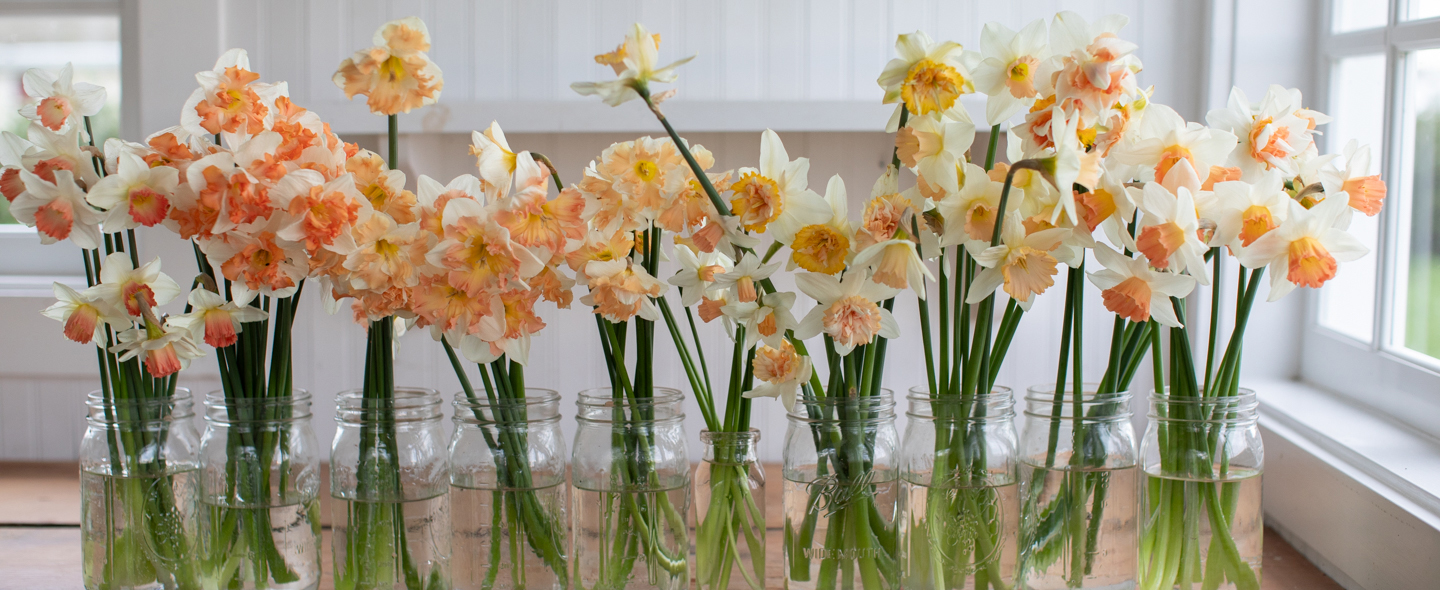
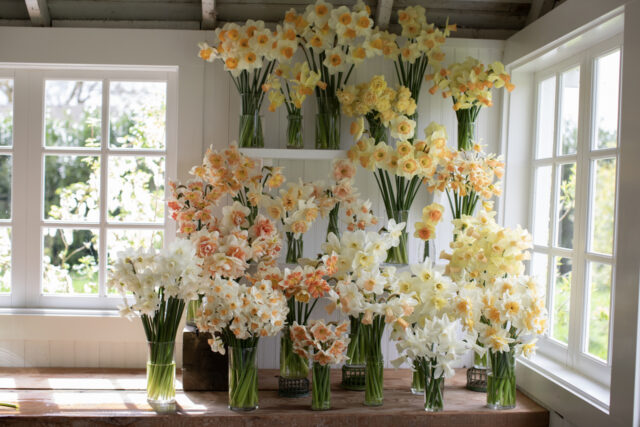
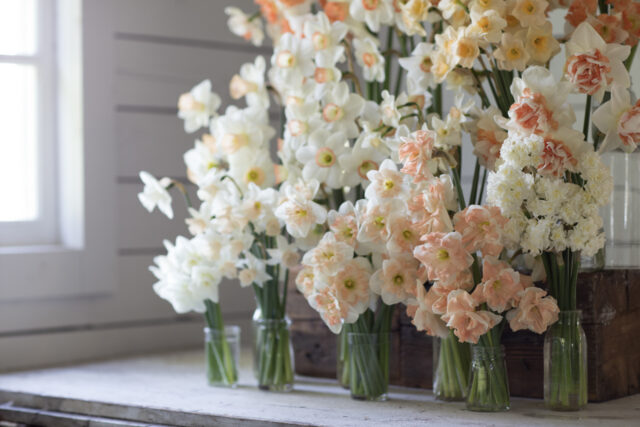
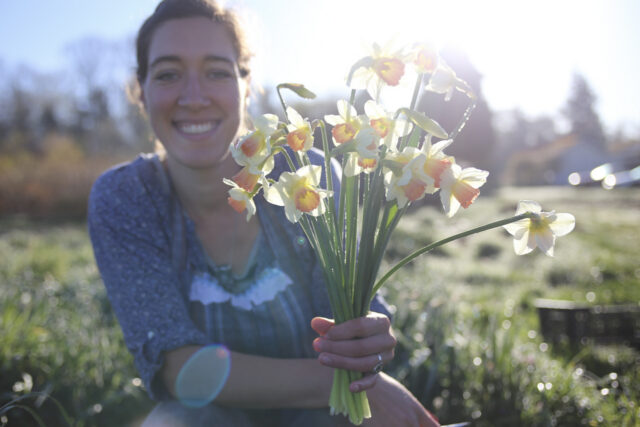
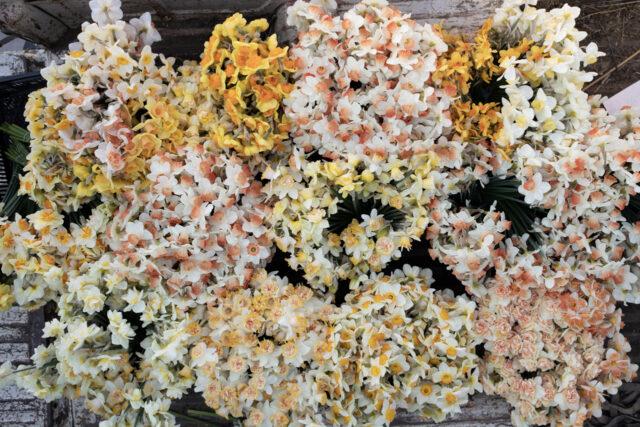
- Diversity of Form: Modern collections include everything from miniature, bell-like clusters to massive, showy blooms with fringed petals. Colors have expanded well beyond the classic "daffodil yellow," now encompassing soft blushes, deep strawberry-toned throats, and iridescent, glittery textures.
A Chronological Evolution: From Rows to Orchards
The journey of the daffodil within the professional cutting garden has been a multi-decade evolution. Initially, the approach to cultivation was strictly utilitarian: planting in long, regimented rows designed for maximum production efficiency. During this early phase, selection criteria were narrow. Florists prioritized tall, stiff stems and large, dramatic blooms, discarding anything that did not meet the "commercial standard."
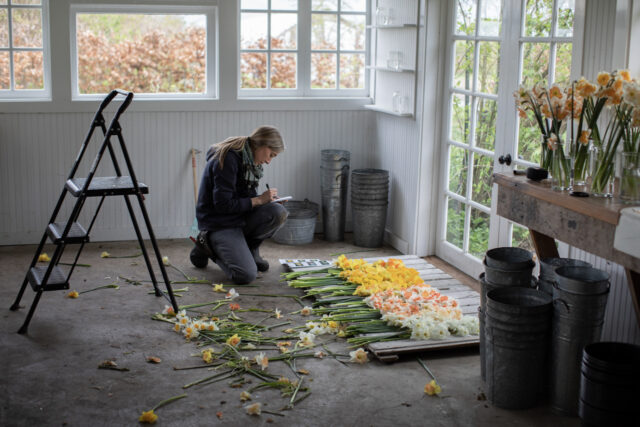
However, a pivotal encounter with a seventh-generation Dutch bulb specialist shifted this trajectory. This mentor introduced the concept of heritage and boutique cultivars—varieties that were never meant for mass production but offered superior fragrance, unique color palettes, and unconventional growth habits.
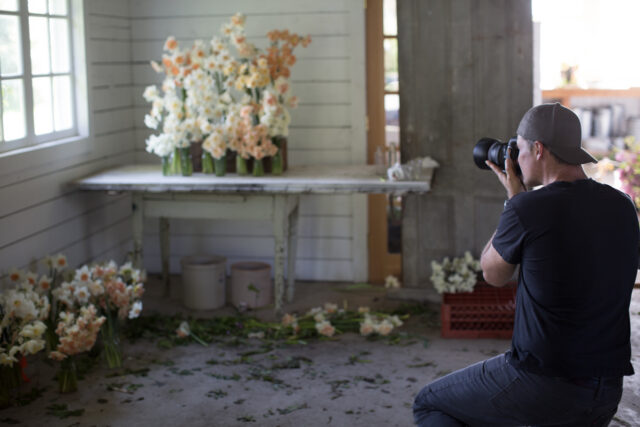
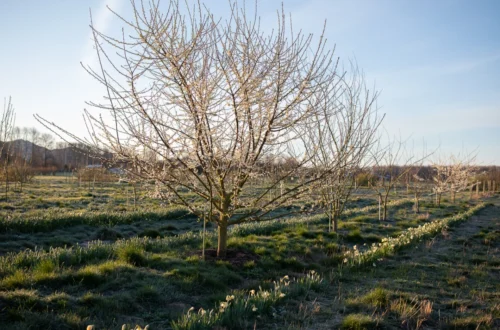
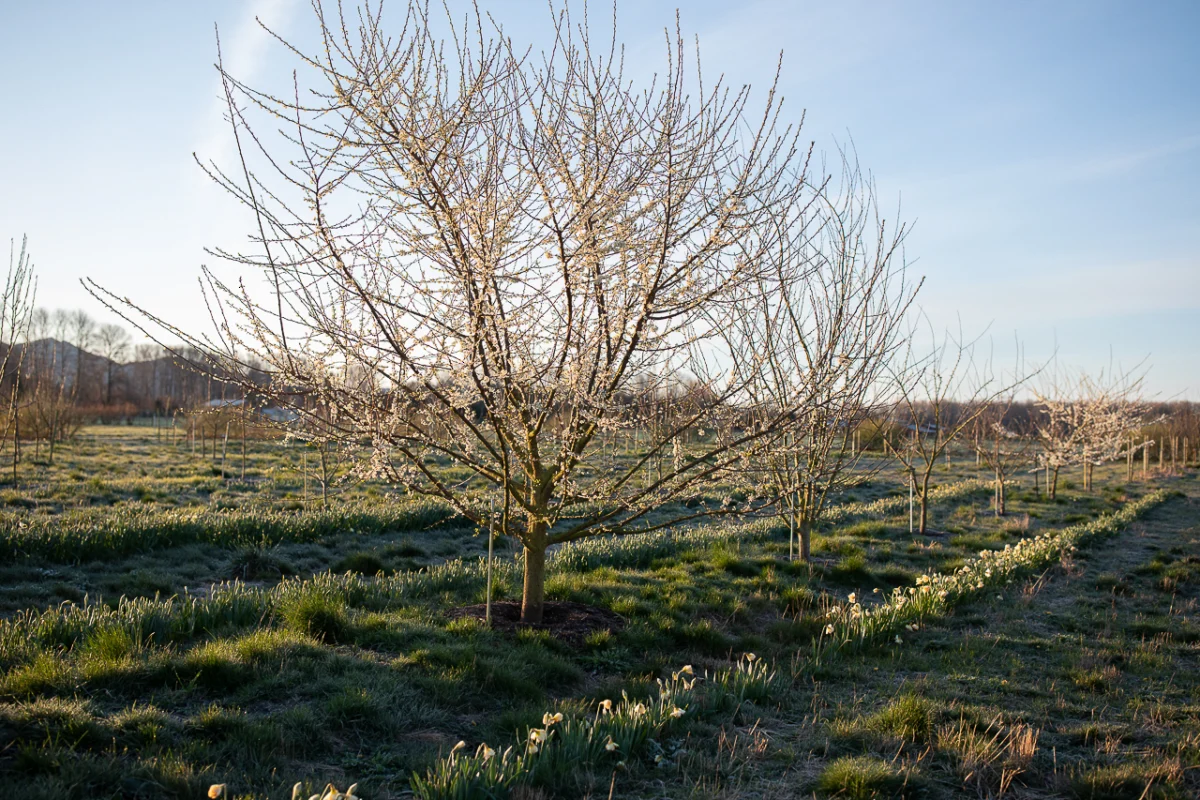
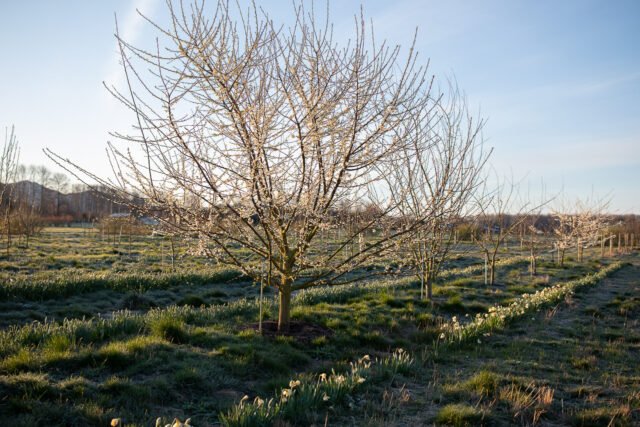
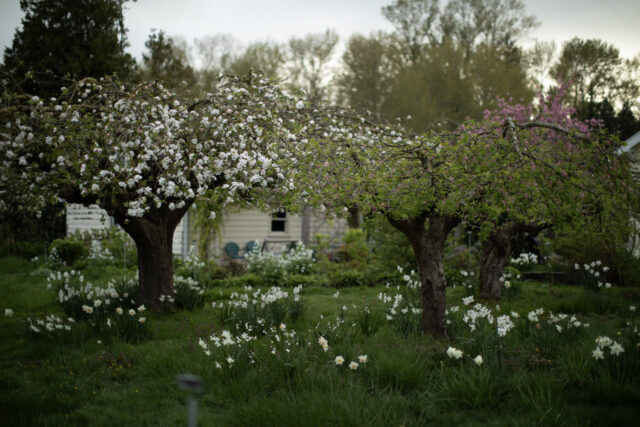
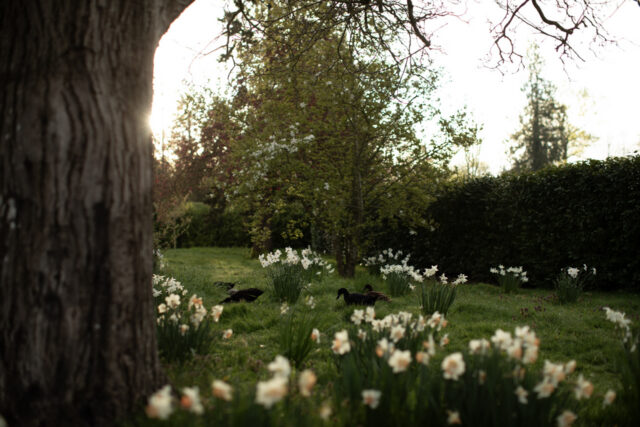
Following this influence, many growers began to pivot. The rigid, industrial rows were abandoned in favor of "naturalizing"—a technique inspired by the late horticulturalist Tasha Tudor. By planting bulbs in informal, sweeping drifts through grass or beneath the canopy of fruit trees, growers began to mimic the wild, unmanaged beauty of nature. Today, it is common to see tens of thousands of bulbs integrated into orchard floors, creating a symbiotic visual display where the daffodils bloom in tandem with the apple blossoms.
Supporting Data: The Science of the "Gooseneck" and Vase Life
While their resilience in the field is well-documented, the cut-flower performance of the daffodil is a matter of specific chemical management. The very trait that protects the plant from pests—the toxic, slimy sap secreted by the stems—is also the primary obstacle to a long vase life when combined with other flowers.
The Conditioning Protocol
For florists, the "daffodil problem" is a standard curriculum point. When a stem is cut, it releases a viscous sap that can clog the vascular systems of other delicate flowers like tulips or ranunculus. To achieve an industry-standard vase life of seven to ten days, the following steps are required:
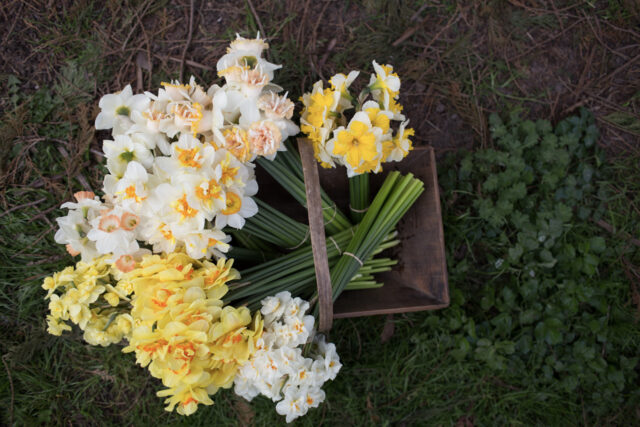
- Harvesting: The ideal time for harvest is the "gooseneck" stage—the point at which the flower bud is still nodding downward, having not yet fully unfurled.
- Solitary Conditioning: Stems must be placed in a container of cool, clean water, entirely on their own, for a duration of two to three hours.
- Callusing: During this isolation period, the cut ends of the stems callus over, effectively sealing in the sap.
- Final Arrangement: Once the stems have finished their initial conditioning, they can be safely integrated into mixed bouquets. Crucially, they must not be recut, as this would break the seal and release the sap once more.
Official Perspectives: The Hunt for Rare Cultivars
The current market for specialty bulbs has become a global pursuit. Leading voices in the industry now categorize their collections into "libraries," reflecting the archival importance of preserving rare, heirloom, and unique varieties.
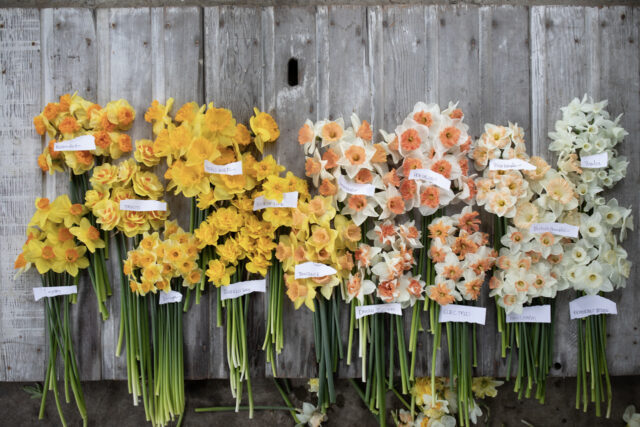
Experts emphasize that the thrill of discovery lies in moving away from wholesale distributors toward small-scale, specialty breeders. These growers act as custodians of botanical history, maintaining genetics that are increasingly rare. The current trend among high-end designers is to source these "treasures"—cultivars that display shaggy, double-layered blooms or iridescent petals that catch the spring light.
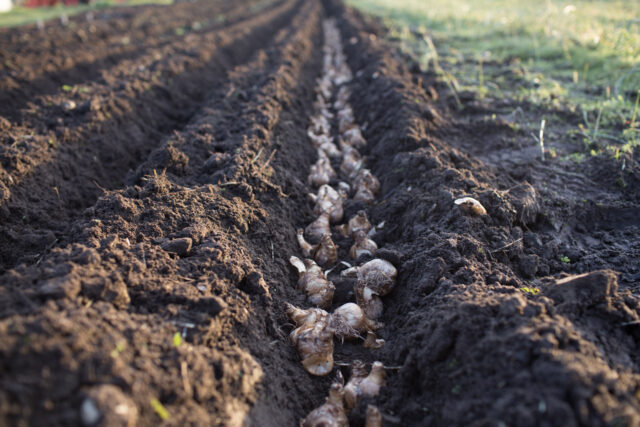
Industry experts note that the window for securing these elite varieties is narrow. Because demand for rare bulbs outstrips supply, professional and amateur growers alike are advised to align their purchasing schedules with the blooming season, placing orders well in advance to ensure the best selection.
The Broader Implications for Sustainable Gardening
The resurgence of the daffodil is not merely a trend in color palettes or floral arrangements; it represents a broader shift toward sustainable, low-input gardening.
- Ecological Benefits: By naturalizing bulbs in lawns or orchards, gardeners reduce the need for constant soil disturbance and intensive replanting. This practice supports soil health and creates consistent early-season forage for emerging pollinators.
- Economic Efficiency: For the small-scale farmer, the shift away from annuals to perennial bulb collections offers a significant reduction in labor and material costs. The ability of bulbs to multiply annually provides a "compound interest" effect on the farm’s total floral inventory.
- The Emotional Connection: Finally, the return of the daffodil signifies a move toward "slow gardening." In an era of instant, mass-produced floral imports, the act of planting a bulb in the fall and waiting for the natural, seasonal cycle to unfold in the spring provides a necessary connection to the rhythms of the earth.
Conclusion
The narrative of the daffodil is one of redemption. Once relegated to the back corners of gardens or the bargain bins of wholesale suppliers, it has been reclaimed as a symbol of sophisticated, resilient, and diverse beauty. Whether they are dancing in the breeze of an orchard or standing as the focal point of a spring arrangement, the modern daffodil is a testament to the power of botanical evolution and the enduring appeal of one of spring’s most reliable heralds.
For those looking to expand their own collections, the path forward is clear: move beyond the basic yellow, seek out the specialists, and embrace the wild, untamed potential of the genus. As the industry continues to innovate, it is likely that the daffodil will remain at the forefront of the spring floral conversation for decades to come.