Atrial fibrillation (Afib) stands as the most prevalent clinical arrhythmia globally, affecting millions of individuals and carrying a profound medical burden. Characterized by an irregular and often rapid heart rate, Afib is far more than an electrical nuisance of the heart; it is a major public health crisis recognized for significantly elevating the risk of stroke, heart failure, and premature death. For decades, standard medical management has relied heavily on pharmacotherapy and surgical interventions to control symptoms and prevent catastrophic events. However, a growing body of clinical research suggests that looking to the dinner plate may offer a powerful, foundational tool not just for managing Afib, but for targeting the underlying lifestyle mechanisms that drive it.
Main Facts: The Intersection of Diet, Lifestyle, and Heart Rhythms
At its core, atrial fibrillation is intimately linked to systemic inflammation, oxidative stress, and cardiovascular strain. Recent epidemiological and clinical data have highlighted that what we choose—and choose not—to eat plays a massive role in modulating these pathological pathways.
Medical science has increasingly spotlighted the pitfalls of restrictive, high-fat, low-carbohydrate regimens. While popular for short-term weight management, low-carbohydrate diets have been associated with an increased incidence of developing atrial fibrillation. Researchers point to several compounding factors:
- Deficiency in Anti-Inflammatory Compounds: Diets very low in carbohydrates often severely restrict whole grains, fruits, and vegetables—foods rich in antioxidants and vital nutrients that protect vascular and cardiac tissue.
- Oxidative Stress: Shifting caloric intake toward high-protein and high-fat animal products can stimulate oxidative stress and the formation of harmful free radicals, both of which are closely tied to structural remodeling in the heart.
- Elevated Cardiovascular Risk: Low-carb diets are frequently linked to a higher risk of overall mortality, specifically elevating the rates of fatal cardiovascular events and cancers, thereby setting the physiological stage for arrhythmias like Afib.
Conversely, whole-food, plant-based diets emphasize unrefined grains, nutrient-dense legumes (such as beans, split peas, chickpeas, and lentils), an abundance of vegetables, fresh fruits, and raw nuts. By maximizing protective dietary components while entirely excluding potentially harmful animal-derived foods and inflammatory oils, these regimens offer a multi-faceted defense against cardiac rhythm disorders.

Interestingly, nuances within protein sources matter significantly. Data from landmark epidemiological efforts like the Framingham Heart Study have revealed unexpected risks tied to specific aquatic foods. While fish consumption in general shows a neutral effect on Afib risk, researchers noted that individuals consuming more than four servings of "dark fish"—categorized as salmon, mackerel, swordfish, bluefish, and sardines—faced a substantially heightened risk of developing atrial fibrillation.
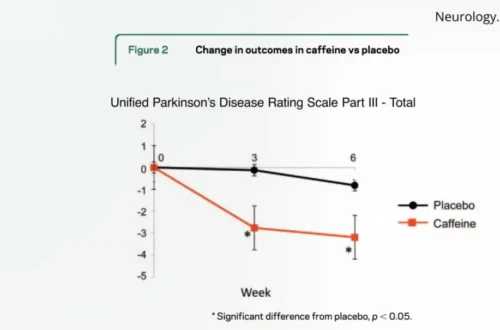
Furthermore, lifestyle factors such as alcohol intake remain clear catalysts for arrhythmias. Each daily alcoholic drink is associated with an incremental increase in the relative risk of developing Afib, by as much as 8%. Interestingly, moderate consumption of coffee and caffeine does not appear to share this adverse association.
Chronology: A Patient’s Journey from Polypharmacy to Reversal
While population studies provide robust statistical correlations, clinical proof often shines brightest through detailed case reports illustrating real-world application.
The story of an 82-year-old male patient underscores the dramatic potential of lifestyle intervention in severe, persistent cardiovascular disease. Prior to his dietary transformation, the patient presented with a near-fatal heart attack in December 2017, requiring emergency stent placement. Burdened by a complex medical history that included coronary artery disease, ischemic cardiomyopathy, high cholesterol, hypertension, and persistent atrial fibrillation, he was placed on a complex regimen of multiple medications (polypharmacy).
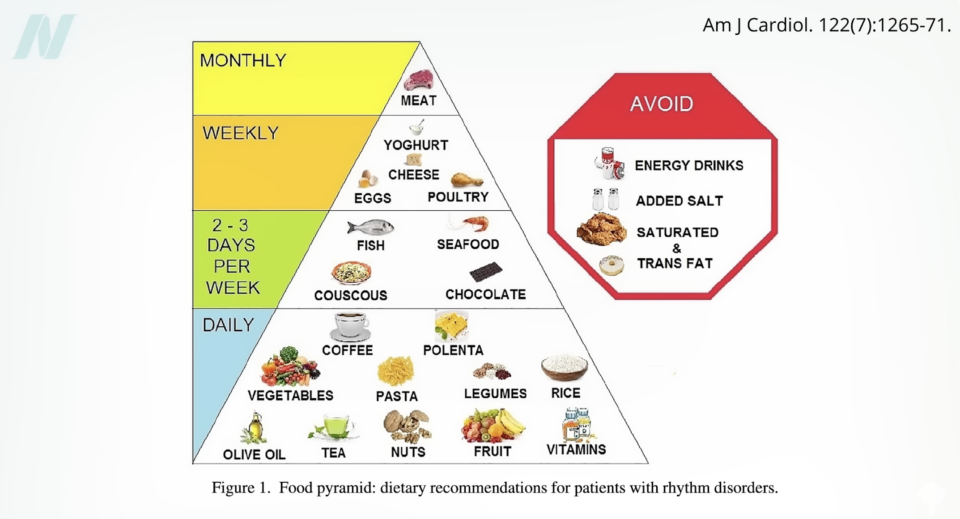
Unfortunately, the pharmaceutical approach came with severe quality-of-life costs. The patient experienced profound fatigue, weakness, light-headedness, and debilitating medication-induced brain fog that spanned four years. Realizing that drugs were merely managing symptoms without addressing the root cause of his vascular decay, he decided to make a definitive change.
- Month 1–3: Under guidance, the patient transitioned from a standard wholesome Mediterranean diet to an exclusively whole-food, plant-based diet, eliminating meat, cheese, added oils, and wine. He incorporated moderate, consistent physical activity into his daily routine.
- The Turning Point: Within three months, his low-density lipoprotein (LDL) cholesterol plummeted by 37%, dropping from a concerning 115 mg/dL down to 72 mg/dL.
- Pharmaceutical De-escalation: Impressed by his rapid clinical improvements, his primary care physician and cardiologist systematically began discontinuing his antihypertensive drugs, statins, and beta-blockers. Remarkably, even after stopping these medications, his blood pressure remained completely normal, and his cholesterol levels stayed within a healthy range.
- Long-Term Outcome: Not only did his persistent atrial fibrillation completely resolve, but his cognitive function, strength, and vitality returned. Today, he walks and runs on a treadmill for an hour daily, free from the burden of polypharmacy and chronic brain fog.
Supporting Data: Managing Traditional Risk Factors
The true power of a plant-based diet in the context of atrial fibrillation lies in its exceptional capability to manage and reverse traditional cardiovascular risk factors. Approximately 80% of all Afib cases are driven by identifiable, modifiable precursors: high blood pressure, hyperthyroidism, obesity, and diabetes.
1. Hypertension
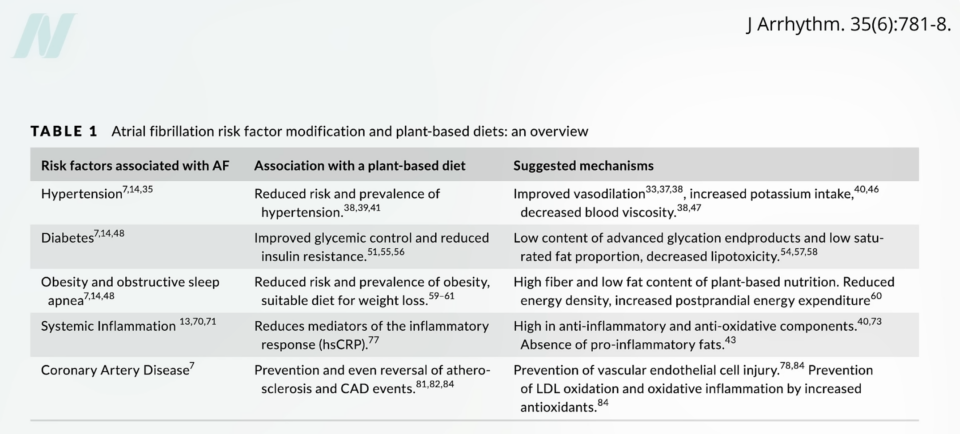
High blood pressure accounts for roughly one-fifth of all newly diagnosed Afib cases. Plant-based diets excel in combating hypertension by naturally improving vasodilation (the ability of blood vessels to expand smoothly), reducing blood viscosity (thickness), and providing a rich influx of dietary potassium and antioxidants that protect endothelial lining.
2. Hyperthyroidism
Thyroid imbalances are another known trigger for rhythm disturbances. Studies indicate that individuals following strictly plant-based diets experience roughly half the prevalence of hyperthyroidism compared to non-vegetarians, with pescatarian and vegetarian diets offering intermediate levels of protection.
3. Obesity and Weight Management
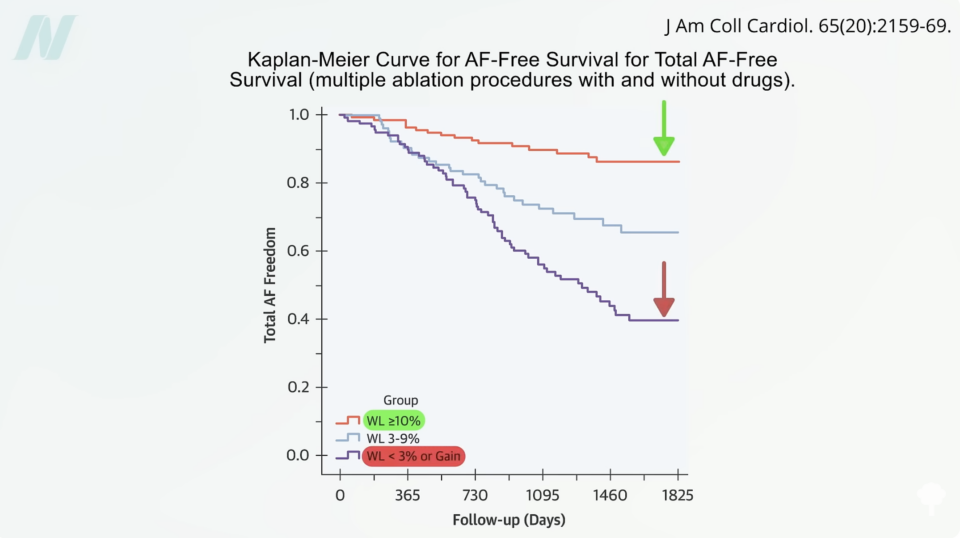
Excess body fat is responsible for another substantial portion of Afib cases. Clinical data demonstrate that aggressive, goal-directed weight loss yields staggering improvements in rhythm control. Overweight participants with Afib who successfully lost 10% or more of their body weight experienced a sixfold greater likelihood of remaining free from atrial fibrillation five years later. Conversely, those who lost less than 3% of their body weight—or gained weight—retained a 60% probability of persistent Afib.
| Risk Factor | Contribution to Afib | Impact of Plant-Based Lifestyle / Weight Loss |
|---|---|---|
| High Blood Pressure | ~20% of new cases | Improves vasodilation, lowers blood viscosity, reduces pressure. |
| Obesity / Excess Weight | ~20% of new cases | 10%+ weight loss yields a 6x greater chance of rhythm freedom. |
| Systemic Inflammation | Major underlying driver | High intake of antioxidant-rich plant foods neutralizes free radicals. |
| Type 2 Diabetes | Amplifies risk significantly | Improves insulin sensitivity and glycemic control. |
Official Responses and Medical Consensus
The medical community increasingly acknowledges that lifestyle modifications are of paramount importance in modern cardiology. While pharmacological rate- and rhythm-control agents, catheter ablations, and cardioversions remain vital acute tools in clinical practice, medical societies are placing renewed emphasis on lifestyle medicine.
Cardiologists and researchers emphasize that pharmaceutical interventions, while life-saving in acute settings, often fail to deliver substantial absolute risk reduction for chronic lifestyle-driven conditions when deployed in isolation. Furthermore, long-term polypharmacy carries cumulative risks of adverse side effects, including cognitive impairment, fatigue, and metabolic disruption.
As clinical data regarding whole-food, plant-based nutrition accumulates, mainstream medical guidelines are beginning to view dietary counseling not merely as an ancillary recommendation, but as a primary pillar of cardiovascular disease prevention and rehabilitation.
Implications for Patients and Clinical Practice
The paradigm shift toward nutritional cardiology carries profound implications for both individual patients and healthcare systems worldwide.
For patients living with or at risk for atrial fibrillation, the message is one of empowerment. Rather than viewing Afib as an inevitable, progressive consequence of aging managed solely by an expanding pillbox, individuals can actively engage in arresting and reversing the underlying metabolic conditions that feed the arrhythmia. Adopting a diet centered on whole plant foods—rich in greens, grains, legumes, and fruits—while minimizing inflammatory animal products, refined oils, and harmful dietary triggers provides a sustainable pathway to metabolic and cardiac health.
For clinicians, these insights demand a broader approach to patient consultations. Integrating comprehensive dietary and lifestyle education into cardiology clinics can help bridge the gap between acute symptom management and long-term cure. By treating the root causes of inflammation, obesity, and hypertension, healthcare providers can help patients reclaim their cardiovascular health, reduce dependency on complex drug regimens, and restore a steady, peaceful rhythm to their hearts.