Main Facts
As the calendar flips to September and temperatures stubbornly linger in the upper 80s, a familiar cultural phenomenon grips the retail and digital landscape. Fall marketing campaigns arrive with overwhelming speed, bombarding consumers with ubiquitous pumpkin spice flavor profiles, Halloween decorations, and heavy wool outerwear advertisements. For many, this premature seasonal shift feels jarringly out of step with the climate outside.
Amidst this rush toward cooler weather, home cooks and culinary writers are pushing back, advocating for a seasonal extension rooted in agriculture rather than arbitrary calendar dates. Chief among these late-summer champions is the tomato—a cornerstone of warm-weather produce that reaches its flavor peak just as autumn marketing begins its takeover.

Addressing this transitional culinary landscape, a new recipe has emerged that honors the final weeks of summer: Tomato Risotto with Frizzled Red Onions. This dish strips away the traditional complexities of classic Italian risotto—abandoning the requirement for endless stirring, rich broths, and heavy dairy—and relies instead on grated fresh tomato pulp, water, and aromatic garlic and wine. Crowned with crisp, deeply golden red onions, the dish serves as a deliberate culinary anchor for those refusing to surrender to winter stews before their time.
Chronology
The timeline of seasonal eating in contemporary food culture has compressed dramatically over the past two decades.

- Late August: Supermarkets and coffee chains begin rolling out autumn-themed promotional items, introducing cinnamon, nutmeg, and squash-flavored products months before meteorological autumn begins.
- Early to Mid-September: Despite daytime temperatures frequently exceeding 85 degrees Fahrenheit, consumer feeds are saturated with imagery of wool coats, heavy boots, and hearty root vegetable stews.
- The Present Culinary Cycle: Cooks seeking refuge from autumnal fatigue pivot back to peak-season summer produce. Inspired by classic Italian preparations—such as traditional rice-stuffed tomatoes—home kitchen innovators deconstruct these flavors into standalone, streamlined stovetop-to-oven recipes.
- The Cooking Process:
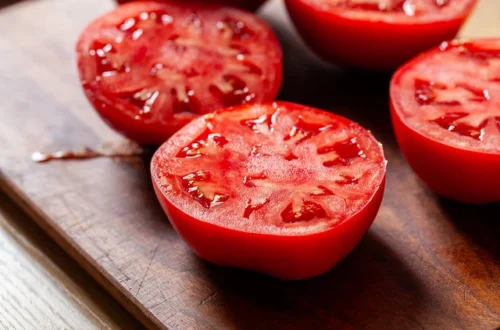
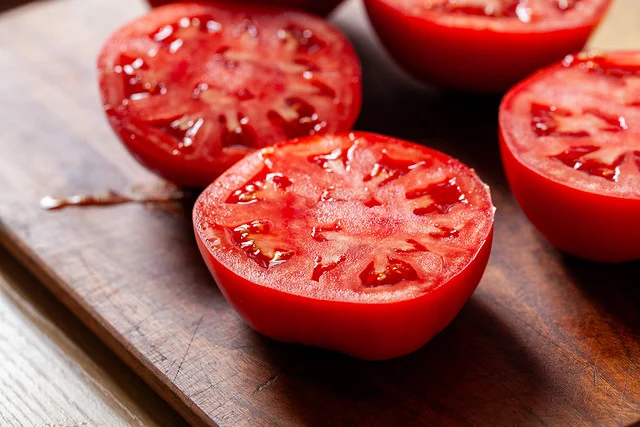
- Preparation: Fresh tomatoes are halved and grated against a box grater, yielding a rich pulp while discarding the skins. Red onions are thinly sliced.
- The Frizzing Phase: Onions are cooked in a Dutch oven or heavy braiser with olive oil over medium-high heat until they achieve a deep golden crunch, roughly 8 to 10 minutes. Half are reserved for the final garnish.
- Toasting and Simmering: Garlic, spices, and short-grain rice are toasted in the remaining onion fat. Wine is added and reduced, followed by the fresh tomato pulp and water.
- The Oven Method: The pot is covered and transferred to a 350°F oven for 25 to 30 minutes, bypassing the traditional stovetop stirring marathon.
- The Finish: The risotto is stirred off-heat to achieve a creamy texture, enriched with a knob of butter or olive oil, and topped with parmesan, fresh basil, and the reserved frizzled onions.
Supporting Data
The transition from summer produce to autumn cravings involves both psychological factors and specific culinary techniques that challenge conventional cooking dogma.
- Temperature Discrepancies: Meteorological data often shows September maintaining average afternoon highs above 80°F in many regions, directly conflicting with the physiological desire for comfort foods traditionally triggered by cooler temperatures.
- Yield Metrics: Standard preparation of the tomato risotto requires approximately 2.5 to 3 cups of fresh tomato pulp, derived directly from ripe tomatoes using a box grater.
- Cooking Times:
- Frizzling onions: 8 to 10 minutes.
- Rice toasting: 3 minutes.
- Oven baking time: 25 to 30 minutes at 350°F.
- Post-bake creaming process: 2 minutes of vigorous stirring off-heat.
- Ingredient Deviations from Tradition:
- Liquid Base: Water is utilized instead of traditional meat or vegetable broth to preserve the pure, unadulterated flavor of the fresh tomatoes.
- Stirring Method: Constant, labor-intensive stove monitoring is replaced by a sealed oven-baking technique.
- Dairy Content: The recipe can range from fully dairy-laden (butter and parmesan finish) to strictly vegan (olive oil and frizzled onions) without sacrificing structural integrity or depth of flavor.
Official Responses and Culinary Perspectives
The culinary community has increasingly spoken out against the early commercialization of autumn. Chefs, food writers, and home cooks argue that rushing the seasons diminishes the appreciation for what is currently growing in fields and gardens.

Proponents of late-summer cooking emphasize that discarding fresh tomatoes the moment the first apple or squash appears is a tactical error in the kitchen. "I miss them all winter too much to throw them out of the kitchen when the first apple arrives," notes culinary commentary surrounding the resistance to premature seasonal shifts.
Furthermore, culinary traditionalists have long debated the absolute necessity of classic risotto rules—such as continuous stirring and hot broth additions. Modern recipe development continues to validate shortcut techniques that yield identical or superior textural results. By proving that oven-baked risotto utilizing water and grated tomato pulp can achieve the requisite creaminess, home cooking experts challenge dogmatic culinary rules that often deter everyday cooks from preparing complex dishes on weeknights.

Implications
The embrace of dishes like Tomato Risotto with Frizzled Red Onions carries broader cultural, psychological, and agricultural implications.
1. Psychological Comfort Through Food
Food acts as an emotional anchor during transitional periods of the year. For individuals experiencing major life shifts—such as children starting middle school or entering their final year of high school—the kitchen provides a controllable environment. Holding onto summer produce offers a psychological buffer against the rapid passage of time dictated by commercial calendars.

2. Re-evaluating Kitchen Dogma
The ongoing dismantling of rigid cooking rules—such as the myth that risotto requires constant physical labor and complex broths—democratizes fine-cooking techniques. By demonstrating that simple ingredients like water, fresh tomato pulp, and pantry staples can produce restaurant-quality results in an oven, home cooking becomes more accessible and less intimidating.
3. Agricultural Sustainability and Seasonal Awareness
Aligning one’s diet with actual local crop cycles rather than retail marketing schedules supports sustainable agricultural practices. When consumers demand summer vegetables during the peak of the harvest rather than rushing toward imported winter squashes or artificial spice blends, they support regional farming rhythms. This mindful approach to eating fosters a deeper connection to the food supply chain, ensuring that the fleeting brilliance of summer’s final harvest is properly celebrated rather than bypassed in the rush toward winter.