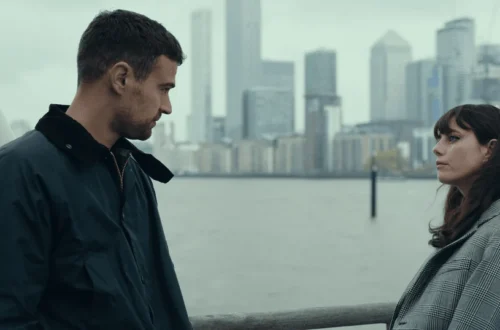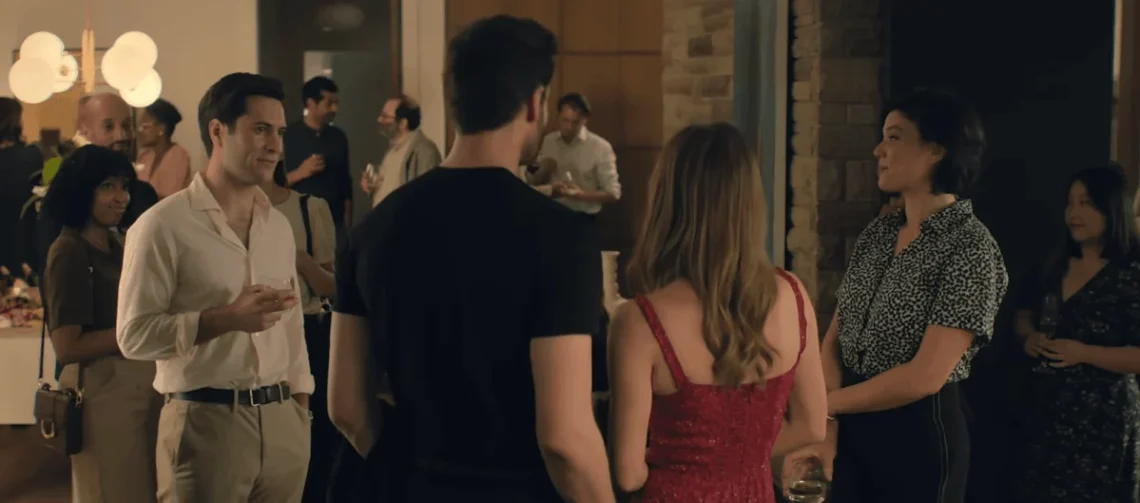
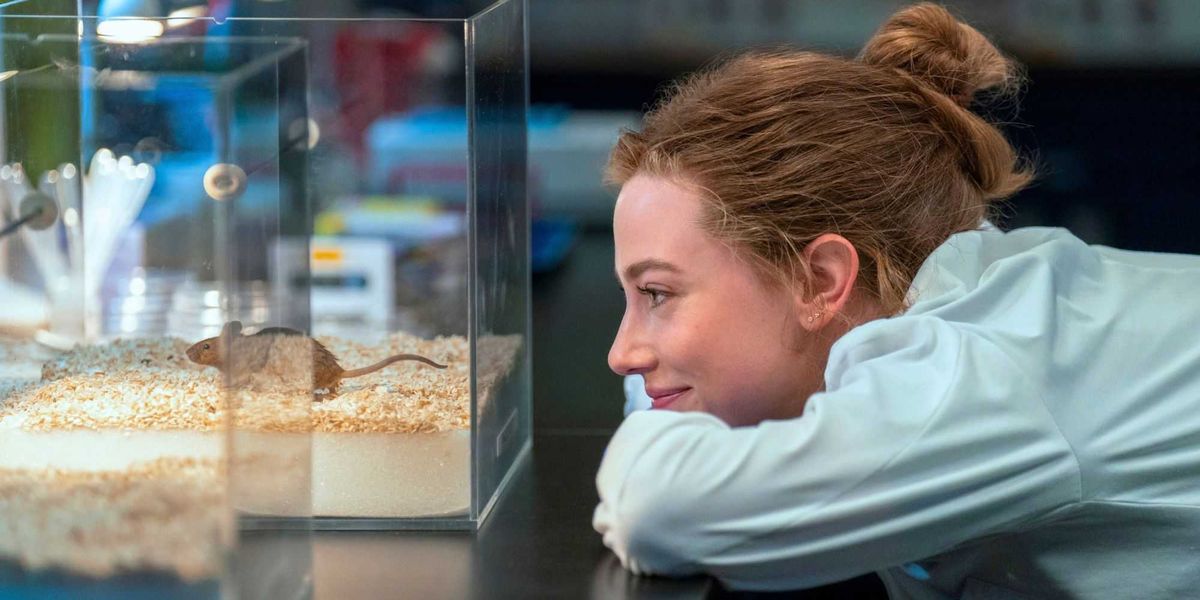
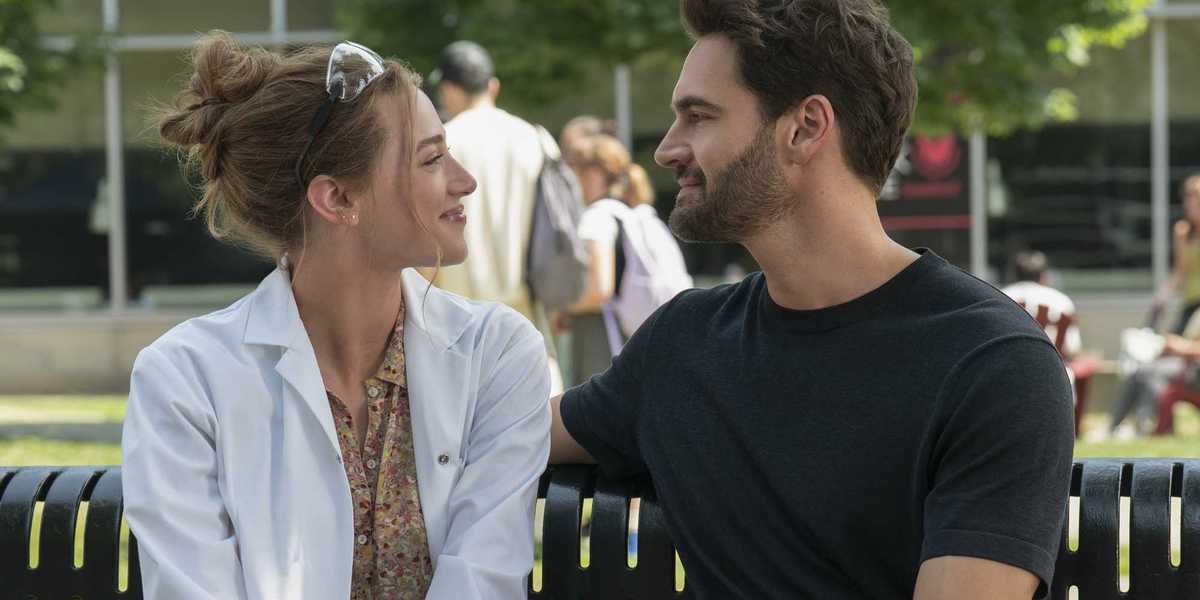
Since its release on Prime Video on September 23, the film adaptation of Ali Hazelwood’s viral sensation The Love Hypothesis has sparked a firestorm of debate among the "BookTok" community. Starring Lili Reinhart as the endearingly frazzled Ph.D. candidate Olive Smith and Tom Bateman as the stern, enigmatic Professor Adam Carlsen, the film brings the beloved academic romance to life with high production value and undeniable chemistry.
However, as is often the case when a literary phenomenon transitions to the screen, the adaptation has taken significant creative liberties. For die-hard fans of the novel, the film is a study in transformation—reimagining character arcs, intensifying conflict, and streamlining the narrative to fit a feature-film runtime. Below, we provide an in-depth analysis of the five most significant departures from the source material, exploring how these changes alter the heart of the story.
The Evolution of the Narrative: A Structural Overview
At its core, The Love Hypothesis remains a quintessential "fake dating" romp. Olive and Adam’s arrangement—designed to convince their peers that they are settled so they can focus on their respective career goals—quickly unravels as genuine affection intervenes. But while the structural skeleton remains intact, the meat of the story has been carved in a decidedly different direction.
1. The Erasure of Dr. Holden Rodrigues
Perhaps the most jarring change for long-time readers is the complete omission of Dr. Holden Rodrigues. In the novel, Holden acts as a vital foil to the main cast. His presence serves to humanize the academic environment, providing a necessary contrast to the rigid, often cold demeanor of Adam Carlsen. Furthermore, Holden’s romantic subplot with Malcolm provided a secondary layer of emotional investment for the reader.
By removing him entirely, the film narrows its scope significantly. The cinematic version of the story focuses almost exclusively on the dynamic between Olive, Adam, and the antagonist, Tom Benton. While this helps tighten the pacing, it strips the story of the broader social circle that made the university setting feel like a living, breathing ecosystem in the novel.
2. The Reimagining of Tom Benton
With Holden gone, the film’s screenwriters have seemingly funneled his narrative weight into the character of Tom Benton. In the novel, Tom is a background annoyance; in the film, he is a central, looming threat. The movie gives Tom a much larger presence, placing him in scenes where he simply did not exist in the text.
For instance, the pivotal moment where Tom discusses Olive’s research—a scene that is famously uncomfortable to watch—has been moved from the privacy of Adam’s apartment to a public, high-stakes setting in front of the faculty. This change heightens the dramatic tension, turning a personal professional betrayal into a public spectacle. The result is a character who feels more predatory and invasive, serving as a more effective, albeit more frustrating, villain for the film’s duration.
3. Malcolm’s Downward Spiral
In the pages of Hazelwood’s book, Malcolm is a pillar of support for Olive. He remains in the program, and through his friendship with Holden, he finds a way to navigate the turbulent waters of academia. The film, however, takes a much darker path.
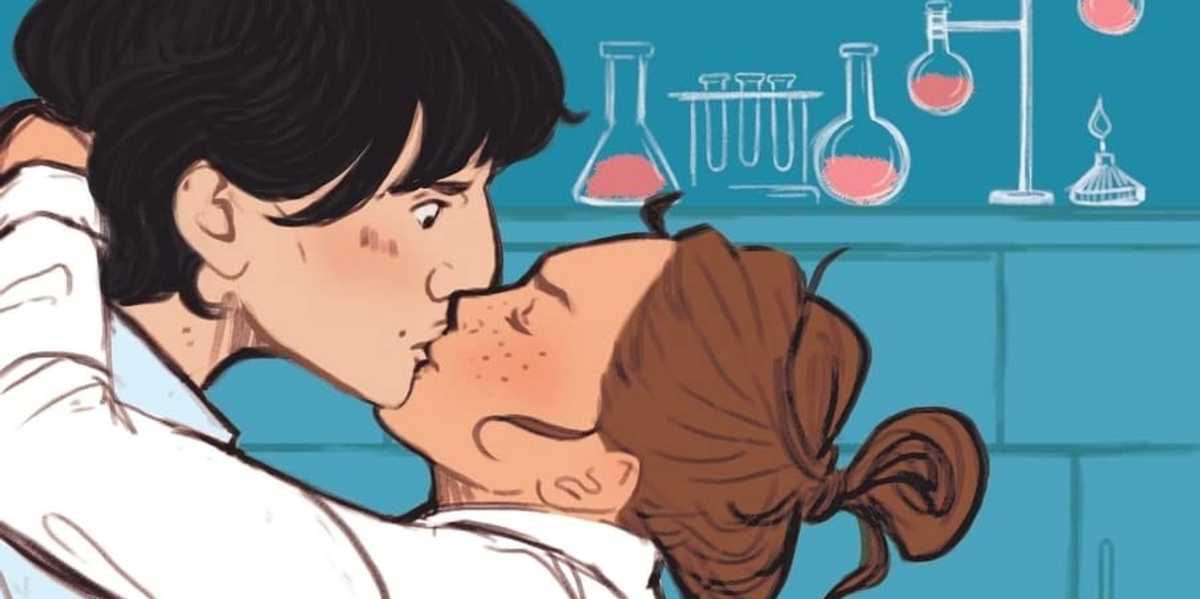
In the adaptation, Malcolm is unceremoniously kicked off the research team by Adam. This leads to a series of unfortunate events that culminate in Malcolm dropping out of school after being cut off by his parents. This shift in the narrative serves to raise the stakes of Adam’s authority and makes his eventual redemption arc feel more earned—or, depending on your perspective, more difficult to achieve. It adds a layer of grit to the film that the book largely bypassed in favor of a lighter, more whimsical tone.
4. The Anatomy of the Fake Dating Trope
The "fake dating" trope is a staple of romantic fiction because it allows for a "slow burn" that is both agonizing and rewarding. However, the film alters the dissolution of the arrangement significantly.
In the book, the impetus for ending the relationship comes from Olive. It is a moment of agency and character growth. In the movie, the power dynamic is shifted: Adam chooses to end the relationship under the guise of "letting her go" to benefit her career. While this is meant to be a noble, self-sacrificing gesture, many fans have noted that it feels somewhat inconsistent, especially given that the film also removes the crucial plot point regarding Adam’s long-standing, pre-existing crush on Olive. By stripping away the history of his feelings, the film makes Adam’s decision feel more like a plot-driven necessity than a natural emotional progression.
5. A Clash of Styles: The Final Showdown
The climax of The Love Hypothesis is one of the most debated aspects of the adaptation. In the novel, Olive takes matters into her own hands by recording evidence of Tom’s harassment and playing it for her friends. The confrontation that follows is visceral—Adam physically intervenes in a restaurant, a moment that fans of the book found deeply satisfying.
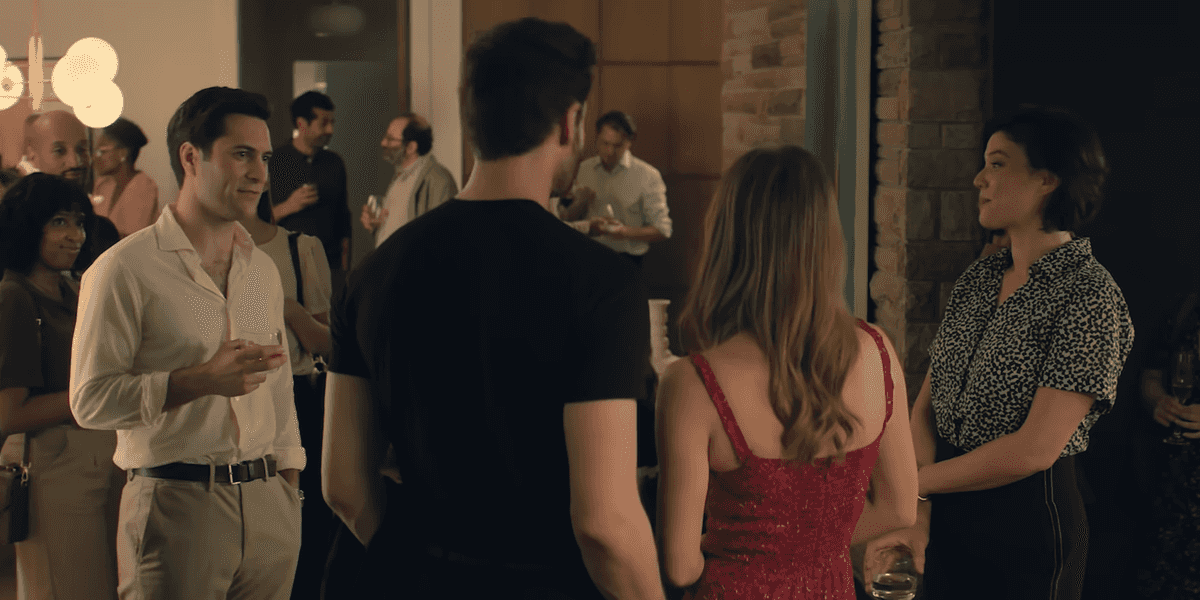
The film opts for a more digital, detached confrontation. Instead of a direct physical standoff, the news of the harassment reaches Adam via Anh, who reports it. Adam then confronts Tom during a lecture, which Olive witnesses via an Instagram live stream. This choice—while arguably more modern—lacks the punch of the book’s direct, personal conflict. It removes the agency of the victim in the moment of justice and replaces it with a spectator-based resolution.
The Implications: Why Adaptation Matters
When a book is adapted for the screen, the goal is rarely a beat-for-beat recreation. Directors and screenwriters must navigate the limitations of visual storytelling. In the case of The Love Hypothesis, the changes reflect a desire to maximize tension and minimize the "clutter" of secondary characters.
However, these changes have implications for the audience. By removing characters like Holden and altering the resolution of the harassment plot, the film moves away from the character-driven ensemble feel of the book and toward a more traditional, high-stakes romantic drama.
Critical Reception and Fan Sentiment
The reaction to these changes has been polarized. On one hand, critics have praised the film for its sharper focus on the central romance, noting that the increased screen time for the antagonists allows for a more focused conflict. On the other hand, the "BookTok" community has expressed disappointment over the loss of the source material’s nuanced character development.

The removal of the "long-standing crush" reveal, in particular, has been a point of contention. In the novel, learning that Adam had been watching over Olive long before the fake dating began was the "hook" that cemented their relationship in the reader’s mind. Without this context, the film’s romance feels more like a product of proximity than a destined connection.
The Balancing Act
The challenge of adapting a book as popular as The Love Hypothesis is immense. With a massive, pre-existing fanbase, there is no way to satisfy everyone. The producers at Prime Video have clearly opted for a "streamlined for the screen" approach, prioritizing pacing and visual drama over the intricate subplots of the novel.
Whether these changes improve the story is subjective. For those who prioritize the romantic tension and the aesthetic of the academic setting, the film is a success. For those who cherished the specific character dynamics and the agency of the female lead as written in the book, the film may feel like a departure from the story they fell in love with.
Looking Ahead: The Future of Book-to-Film Adaptations
As we look toward the landscape of 2026, the success—or struggle—of The Love Hypothesis serves as a case study for future adaptations. The shift from print to digital media is accelerating, and the demand for "BookTok" content is at an all-time high.
As studios continue to mine these popular novels for content, they will have to contend with an increasingly vocal and analytical audience. The lesson from The Love Hypothesis is clear: changes are inevitable, but they must serve the internal logic of the world the author created. When those changes alter the fundamental agency of the characters or the core themes of the narrative, the audience will notice.
For now, The Love Hypothesis stands as a vibrant, occasionally frustrating, but ultimately watchable addition to the romantic genre. It invites us to consider what we value in our stories—is it the comfort of the familiar, or the thrill of the new? In this case, the answer depends entirely on whether you’re holding the book or holding the remote.
For more updates on the latest in literary adaptations and the ever-evolving landscape of streaming cinema, follow our coverage as we track the most anticipated projects leading into 2026.