Introduction: The Modern Nomad’s Connectivity Dilemma
For decades, international travel came with an unavoidable logistical headache: communication. Touching down in a foreign country meant navigating confusing airport kiosks for physical SIM cards, paying exorbitant carrier roaming fees, or risking disconnected navigation in unfamiliar cities. While the advent of digital SIM cards—or eSIMs—revolutionized how travelers connect by eliminating physical swapping, the model still had a notable limitation. Most eSIMs remained transactional: single-use purchases tied to specific regions and capped timeframes.
For vacationers taking a week-long trip to Portugal, traditional eSIMs worked well. But for the modern digital nomad, long-term backpacker, or remote professional constantly hopping across borders, managing a patchwork of regional data packages became its own full-time job.
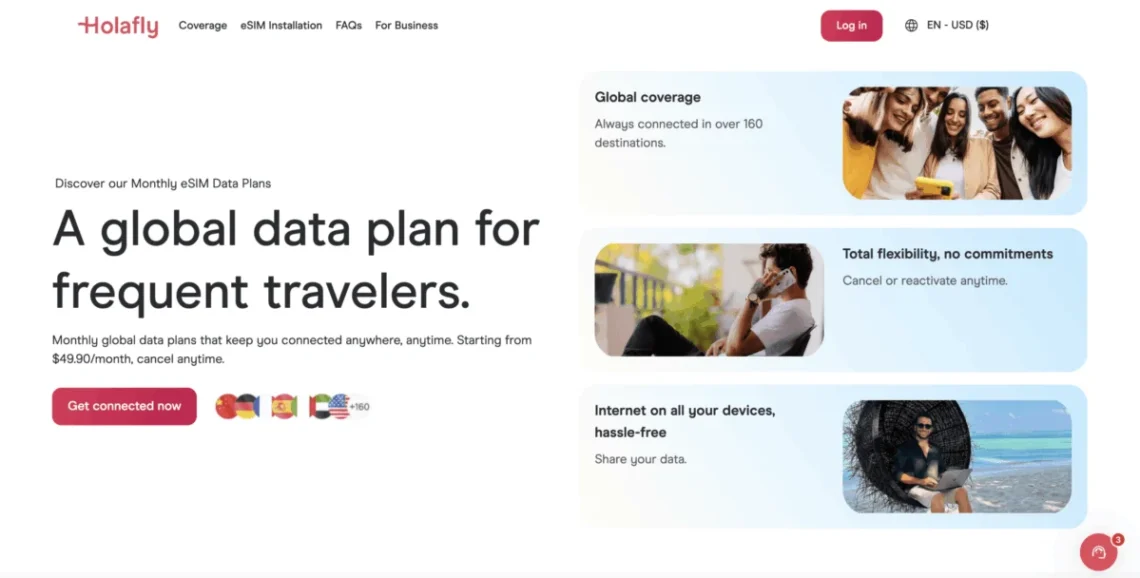
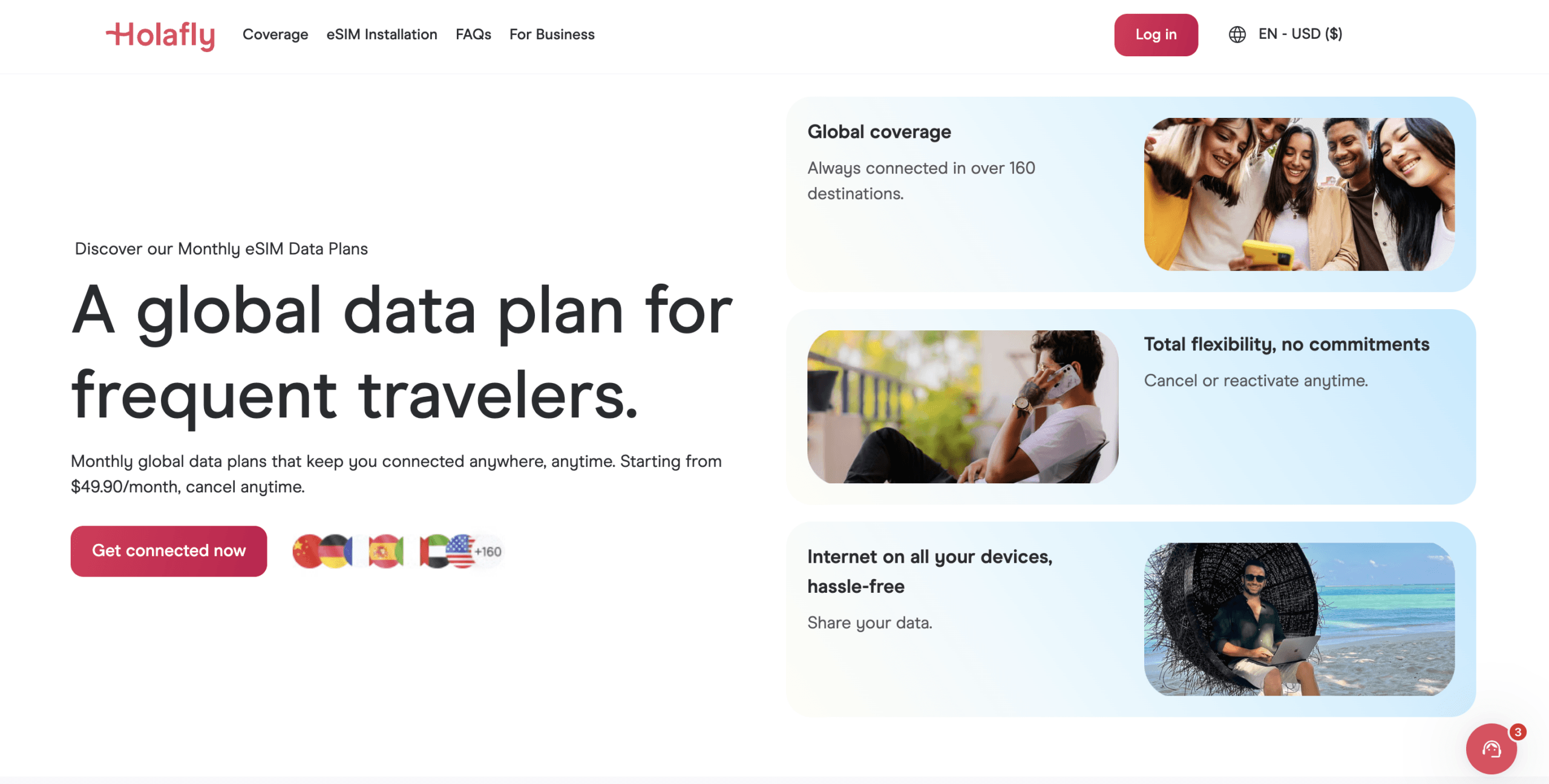
Addressing this friction point, travel tech provider Holafly has introduced Holafly Plans, an ongoing global subscription model designed to maintain seamless connectivity across more than 160 destinations through a single, persistent eSIM. Travel industry veteran and digital nomad advocate Matt Kepnes (known globally as Nomadic Matt) recently evaluated the service, signaling a potential shift in how long-term travelers approach mobile data.
Main Facts: What Are Holafly Plans?
At its core, Holafly Plans transforms mobile data from a short-term utility into a continuous utility service. Unlike traditional single-destination eSIMs, this new product functions similarly to a domestic mobile carrier subscription, but with global architecture.

Key Features of Holafly Plans:
- Global Coverage: A single eSIM connects users across more than 160 destinations worldwide.
- Continuous Operation: The profile remains active on the device, automatically reconnecting to local partner networks upon landing in a new country. There is no need to rescan QR codes, purchase new packages, or swap data profiles.
- Subscription Tiers: The service is divided into two primary tiers—Light and Unlimited—offered via monthly, quarterly, or annual billing cycles with no long-term contracts.
- Included Local Number: The Unlimited tier includes a local phone number from the United States, United Kingdom, or Canada to receive SMS verification codes and messages.
- Built-In Hotspot Capabilities: Users can tether laptops and secondary devices, addressing a historical pain point of travel-specific data packages.
- "Always On" Safety Net: Both plans include 1GB of monthly backup data for life, remaining active even if the subscriber eventually cancels their primary plan.
Chronology: The Evolution of Mobile Travel Data
To understand the significance of a global subscription eSIM, it is helpful to trace the evolution of how travelers access cellular networks abroad:
- The Era of Physical Roaming (Pre-2010s): Travelers relied heavily on domestic carriers. International roaming packs cost upwards of $10 to $15 per day, often featuring severe data throttling and sky-high end-of-month bills.
- The Local SIM Era: Travelers would land, locate a kiosk, purchase a local pre-paid physical SIM, and temporarily lose access to their primary domestic phone number. This required paper-clip toolkits and meticulous handling of tiny plastic cards.
- The Advent of Traditional eSIMs (Late 2010s–Early 2020s): Software-based SIM profiles allowed users to purchase regional data online via apps and install them via QR code. While vastly superior to physical swapping, users still had to buy a new profile every time their itinerary crossed international boundaries.
- The Subscription Era (Present): The launch of ongoing global eSIM plans shifts the paradigm toward a software-defined "borderless" carrier experience. Travelers maintain one active digital profile that follows them indefinitely across multiple continents.
Supporting Data: Comparing Cost and Convenience
For long-term travelers, the financial implications of switching from traditional roaming or single eSIMs to a global subscription model are substantial. Traditional carriers charge steep daily add-on rates, while regional eSIMs require constant repurchasing.
Comparative Analysis Table
| Feature / Metric | Holafly Plans (Unlimited Tier) | Major US Carrier Roaming Pass | Single-Destination eSIMs / Local SIMs |
|---|---|---|---|
| Approximate Cost | $55 – $65 / month (depending on billing cycle) | $100 – $300 / month ($10/day add-on fees) | $60 – $120 / month (cumulative regional purchases) |
| Data Allowance | Truly Unlimited | Capped at high speeds, then aggressively throttled | Varies by package (typically 5GB to 10GB blocks) |
| User Friction | Zero. Installed once; covers 160+ destinations seamlessly. | Low operational friction, but financially punitive. | High. Requires constant purchasing, QR code management, and border drops. |
| Hotspot Sharing | Included for multiple devices | Frequently restricted or severely throttled | Varies widely by provider |
Note: Holafly offers tiered pricing structures where quarterly billing saves approximately 10%, and annual commitments reduce overall costs by roughly 15%.
Industry Implications: Who Benefits From Global Subscriptions?
The introduction of continuous international data subscriptions carries wide-ranging implications for the travel ecosystem, remote workforce, and telecommunications sector.
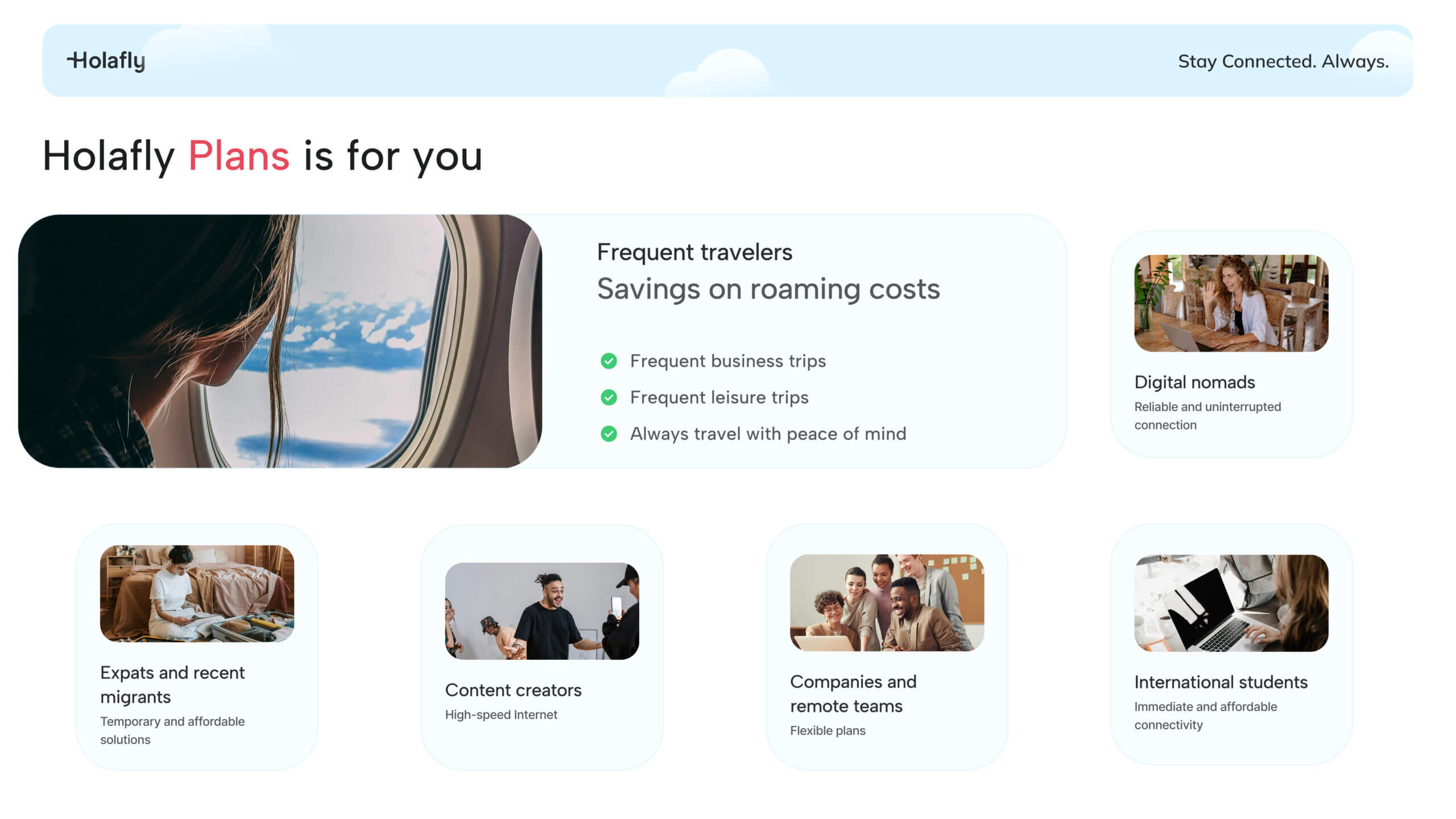
1. The Digital Nomad Economy
Remote work has scaled massively over the past five years. Professionals working from cafes in Southeast Asia, co-working spaces in Latin America, and trains in Europe require robust, uninterrupted connectivity. Tethering limitations and dropped signals can disrupt business operations. Unlimited hotspot capabilities combined with persistent global coverage solve a major operational hurdle for digital nomads.
2. Pressure on Domestic Telecom Giants
Traditional telecommunications companies have long relied on international roaming fees as high-margin revenue streams. Products like Holafly Plans—offering unlimited global data at a fraction of a legacy carrier’s monthly pass—put mounting pressure on major mobile providers to modernize or eliminate international surcharges.
3. Consumer Behavior Shift Toward "Set-and-Forget" Tech
Modern consumers increasingly favor subscription-based, software-managed services over transactional purchases. By treating international connectivity like a streaming service—active in the background until canceled—travelers experience less cognitive fatigue regarding trip logistics.
Potential Drawbacks and Considerations
Despite the advantages of a global subscription model, industry analysts note certain limitations that consumers should weigh before subscribing:
- Overkill for Short Trips: For travelers taking a single, isolated vacation per year, traditional destination-specific eSIMs remain cheaper and more practical.
- Tier Switching Limitations: Current system limitations require subscribers to cancel their existing tier if they wish to transition between the Light and Unlimited options, rather than executing an instant in-place upgrade.
- Device Compatibility: While most modern flagship smartphones (iPhone XS and newer, recent Google Pixel and Samsung Galaxy devices) support eSIM technology, older or budget hardware may lack the necessary integrated hardware.
Conclusion: The Future of Borderless Communication
The rollout of unified, ongoing global eSIM plans marks a mature milestone in travel technology. By removing the administrative burdens of physical SIM cards, mitigating the shock of traditional roaming bills, and providing continuous coverage across more than 160 countries, services like Holafly Plans reflect how the mechanics of global mobility are catching up to the lifestyle of the modern traveler.
For occasional vacationers, traditional single-use eSIMs will likely remain the standard. However, for digital nomads, frequent flyers, and long-term explorers, the shift toward a single, borderless digital subscription represents a permanent and welcome evolution in staying connected.