In an era defined by convenience, fast-food drive-thrus, and heavily processed meals, modern diets have become a quiet hazard to human health. While society has long understood the long-term dangers of chronic poor nutrition—such as obesity, Type 2 diabetes, and long-term heart disease—medical science is increasingly focusing on the acute, immediate trauma inflicted on the body by a single heavy meal.
Recent clinical research reveals a startling reality: eating just one meal high in saturated fats and sodium can instantly impair your arterial function, turning your blood thick and sluggish within hours. Fortunately, science also points to a narrow window of opportunity where targeted physical activity can help mitigate this acute damage.
Main Facts: The Immediate Toll of Fats and Sodium
When people think of cardiovascular disease, they typically picture decades of plaque buildup slowly constricting blood vessels. However, studies show that vascular damage begins on a meal-by-meal basis.
A single meal rich in saturated fat—such as a fast-food breakfast featuring sausage, eggs, pancakes, hash browns, and a milkshake—does more than add calories; it temporarily cripples your cardiovascular system. Within hours of consumption, blood flow to the heart wall drops significantly.

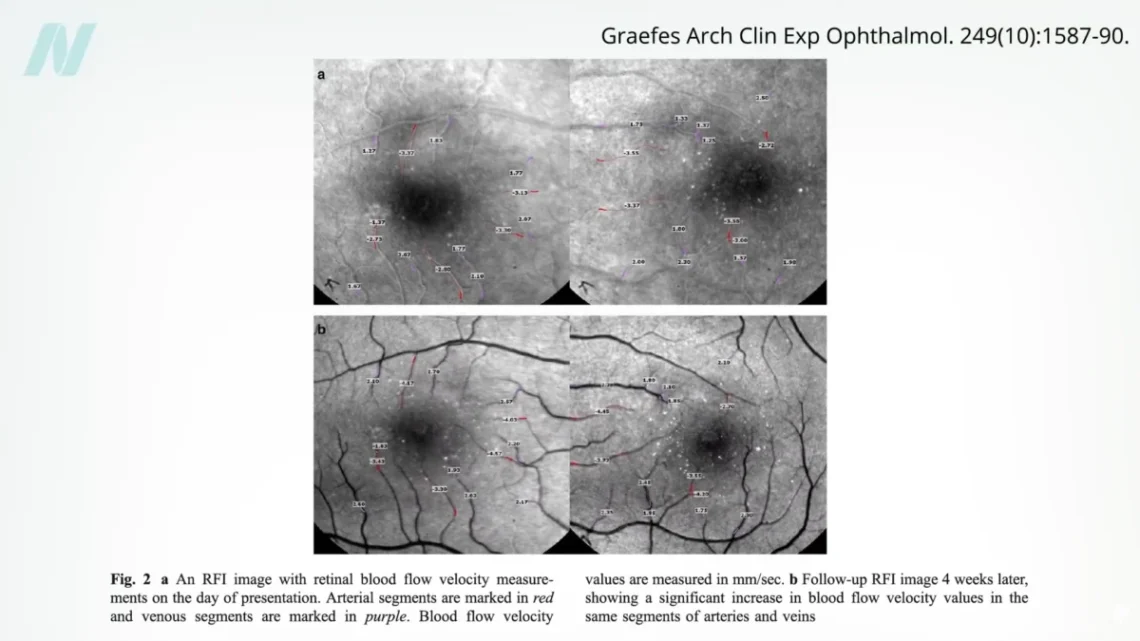
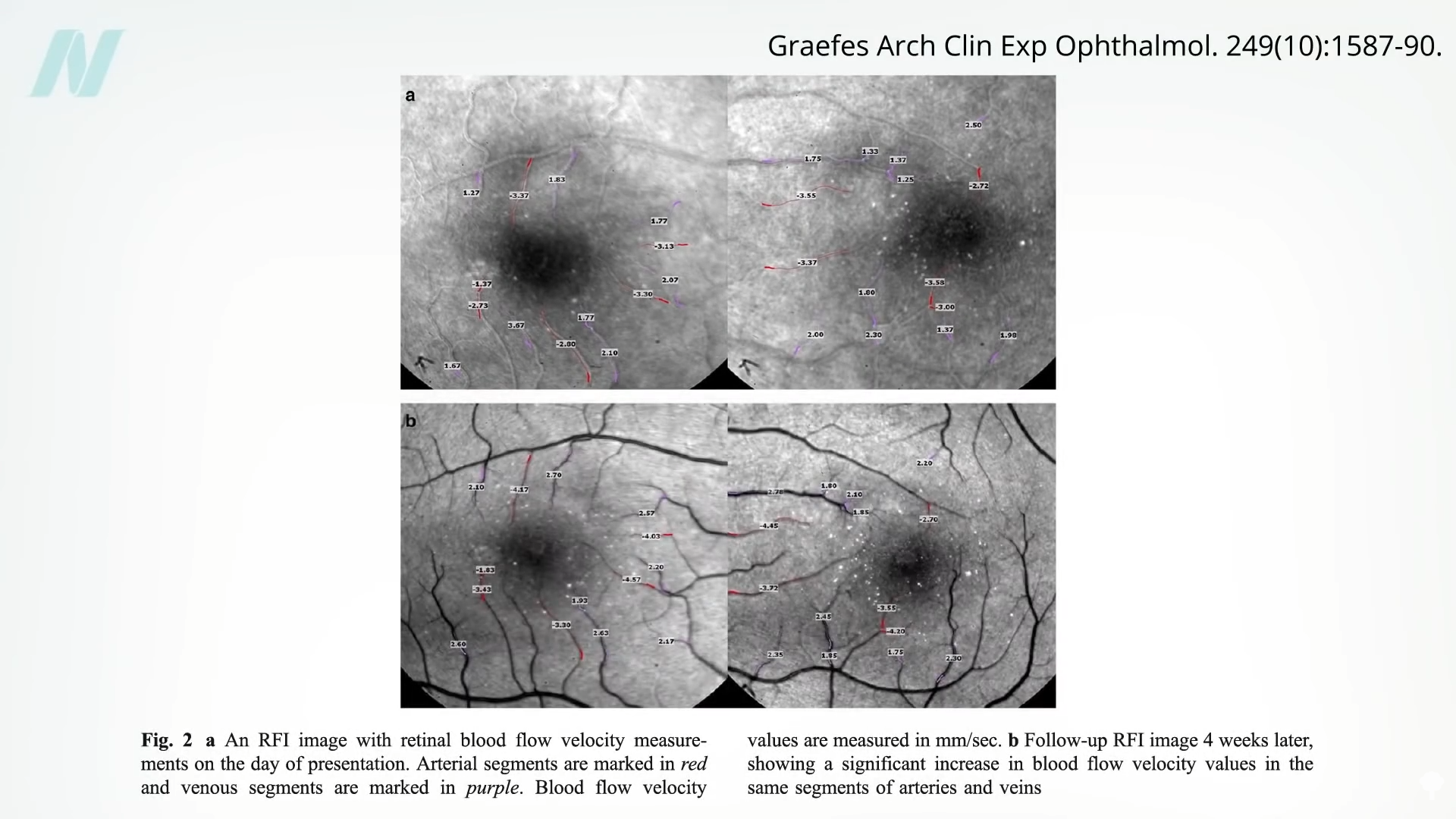
Researchers use the term "coronary flow reserve" to describe the heart’s safety net. When a section of a coronary artery is blocked or restricted, the surrounding healthy vessels naturally expand to compensate. High-fat meals clamp down on this expansion capacity, undermining the heart’s ability to handle stress. In extreme clinical cases, the impact of high-fat meals is visible even in the retinal blood vessels at the back of the eye, where blood can temporarily take on a milky, milkshake-like appearance due to elevated post-meal lipids.
Compounding this issue is dietary sodium. A typical heavy fast-food meal can easily pack more than 2,000 milligrams of sodium—surpassing the American Heart Association’s recommended daily limit of 1,500 milligrams in a single sitting. Clinical data shows that even a moderate increase in dietary sodium impairs artery function within just 60 minutes, an effect that occurs entirely independently of changes in blood pressure.
Chronology: What Happens Inside Your Body After a Heavy Meal
Understanding the timeline of post-meal vascular distress highlights just how rapidly food alters human physiology:
- Hour 0 (Consumption): You ingest a high-calorie meal laden with saturated fats, cholesterol, and sodium.
- Hours 1 to 2 (Digestion and Absorption): Fats enter the bloodstream, leading to postprandial lipemia (fatty blood). Simultaneously, high sodium levels begin to independently impair endothelial (arterial wall) function, restricting the vessels’ ability to dilate.
- Hours 2 to 5 (Vascular Constriction): Doppler imaging reveals a sharp decline in coronary flow reserve. Key vessels, such as the left anterior descending coronary artery (often referred to clinically as the "widow-maker"), show a dramatically weakened blood flow signal compared to baseline measurements taken before the meal.
- The Exercise Window (Up to 90 Minutes Post-Meal / 18 Hours Pre-Meal): This represents the critical therapeutic window. Engaging in moderate-intensity physical activity during this timeframe can help clear excess lipids from the bloodstream and restore vascular function.
- Hours 24 to 72 (The Negation Effect): Failing to maintain regular physical activity quickly erases the protective benefits of acute exercise, leaving the cardiovascular system vulnerable once more.
Supporting Data: Clinical Trials and Imaging Evidence
The physiological toll of poor dietary choices is heavily documented in peer-reviewed literature:
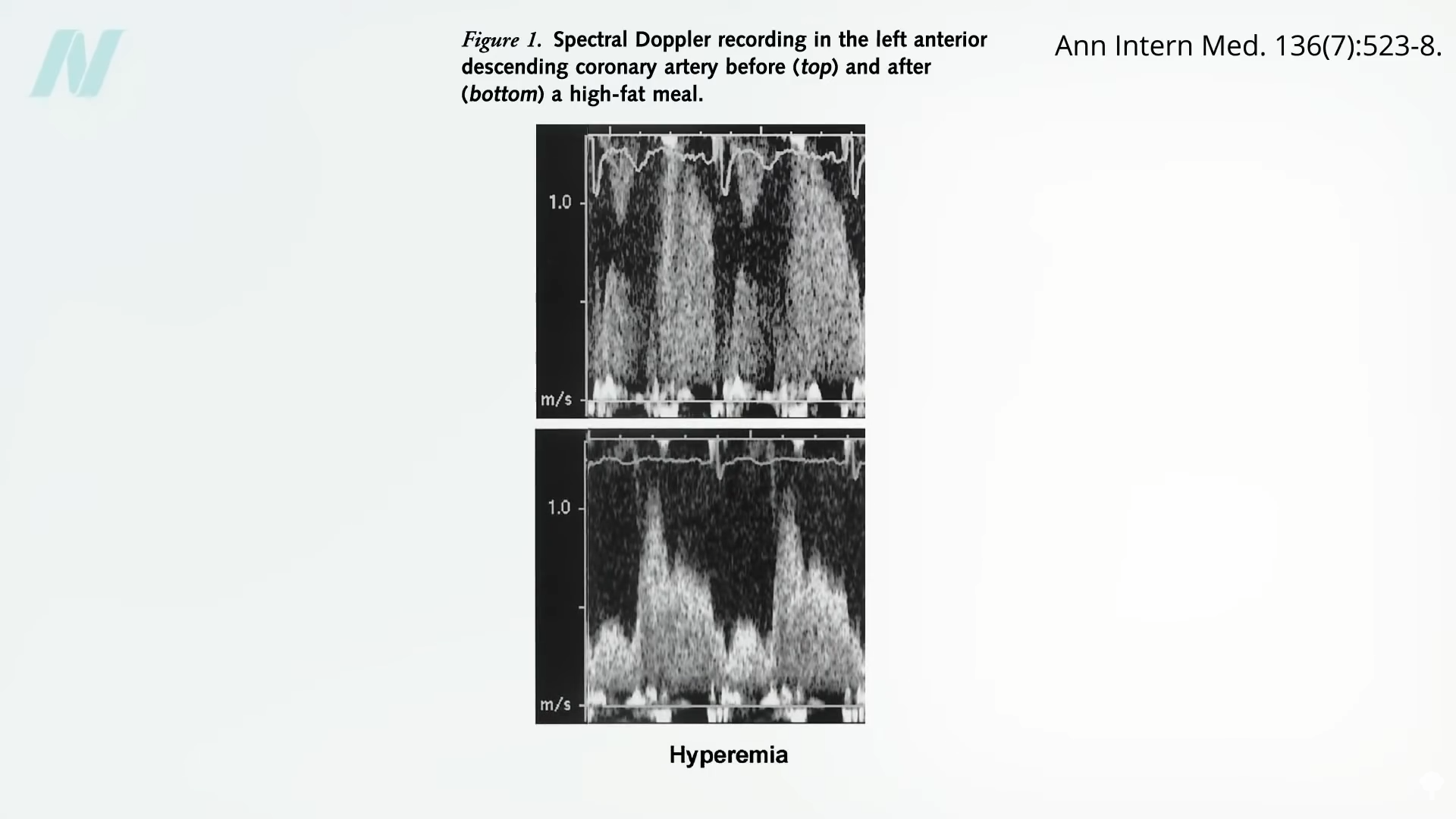
- The High-Fat Meal Trials: In randomized studies comparing high-fat meals (over 60% fat, heavily saturated) to low-fat, high-carbohydrate meals of equal caloric value, only the high-fat meals impaired coronary flow reserve. The low-fat meals produced no such adverse vascular response.
- The Stair-Climbing Intervention: Research evaluating the aftermath of heavy fast-food breakfasts demonstrated that sedentary behavior post-meal led to a significant decrease in artery function. However, breaking up the post-meal period with short bursts of physical activity—specifically, 20 minutes of stair climbing broken into five-minute intervals every hour for four hours—completely prevented this vascular decline.
- The Salt Debate and "Salt-Resistant" Fallacy: While individuals classified as "salt-sensitive" experience sharp spikes in blood pressure from high sodium intake, research indicates that high dietary sodium impairs artery function regardless of whether a person is salt-sensitive or salt-resistant. Elevated sodium is increasingly recognized alongside saturated fat as a primary driver of vascular dysfunction.
Official Responses and Scientific Consensus
The medical community maintains a strong consensus regarding the dangers of saturated fats and excessive sodium, though occasional controversies arise.
Mainstream health organizations, including the American Heart Association and the World Health Organization, consistently advocate for strict limits on saturated fat and sodium consumption to preserve cardiovascular health. They emphasize that preventative cardiology must look beyond chronic disease management and address daily dietary habits.
Conversely, some researchers—frequently subject to scrutiny regarding industry funding—have argued against aggressive sodium reduction, claiming that moderate or high salt intake poses no widespread threat. However, independent clinical reviews overwhelmingly refute these dissenters, pointing to robust physiological data showing that excess sodium directly damages endothelial function independent of blood pressure fluctuations.
Nutrition scientists and cardiologists increasingly view physical activity not as a free pass to eat poorly, but as a critical physiological rescue tool. Lifestyle medicine experts emphasize that while interval exercise like stair climbing can successfully attenuate the immediate vascular damage of an unhealthy meal, the most effective strategy remains avoiding the trigger foods altogether.
Implications: Practical Takeaways for Everyday Health
The implications of these findings shift how we view both diet and exercise:
- Exercise as a Dynamic Shield: Physical activity acts as an acute metabolic cleanser, clearing lingering fats from the bloodstream and preserving arterial elasticity. However, because the benefits are short-lived, exercise must be a consistent, daily habit rather than an occasional remedy.
- Micro-Bouts of Activity Matter: For individuals stuck at work or unable to commit to a full gym session, breaking up sedentary hours with short, frequent bursts of activity—such as climbing stairs every hour after a meal—offers measurable cardiovascular protection.
- Dietary Vigilance is Irreplaceable: While movement helps mitigate damage, it cannot completely erase the cumulative strain of frequent high-fat, high-sodium meals. Protecting long-term heart health ultimately requires a fundamental shift toward whole, nutrient-dense foods low in saturated fats and refined sodium.
By understanding the immediate, hourly impact of what we consume, individuals are better equipped to make informed choices that safeguard their arteries long before chronic disease has a chance to take root.