By Matt Kettmann | September 18, 2026
Not long ago, the name Rajat Parr was synonymous with the pinnacle of the global wine establishment. The Calcutta-born, Hyde Park-educated supertaster was, by all accounts, the most sought-after sommelier on the planet. His life was a whirlwind of jet-setting between the high-end dining corridors of San Francisco and the historic cellars of Paris. He consulted on the world’s most prestigious restaurant openings, authored award-winning literature on viticulture, and curated cellars for the wealthiest collectors in existence. He was a man who moved in circles of excess, with a career trajectory that promised a life of comfort and influence.
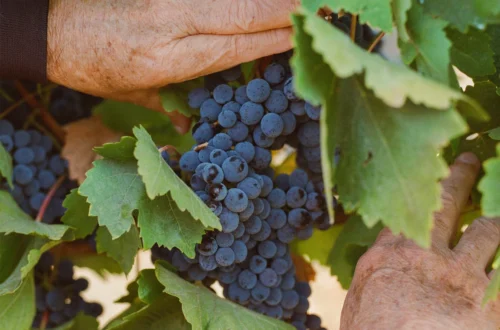
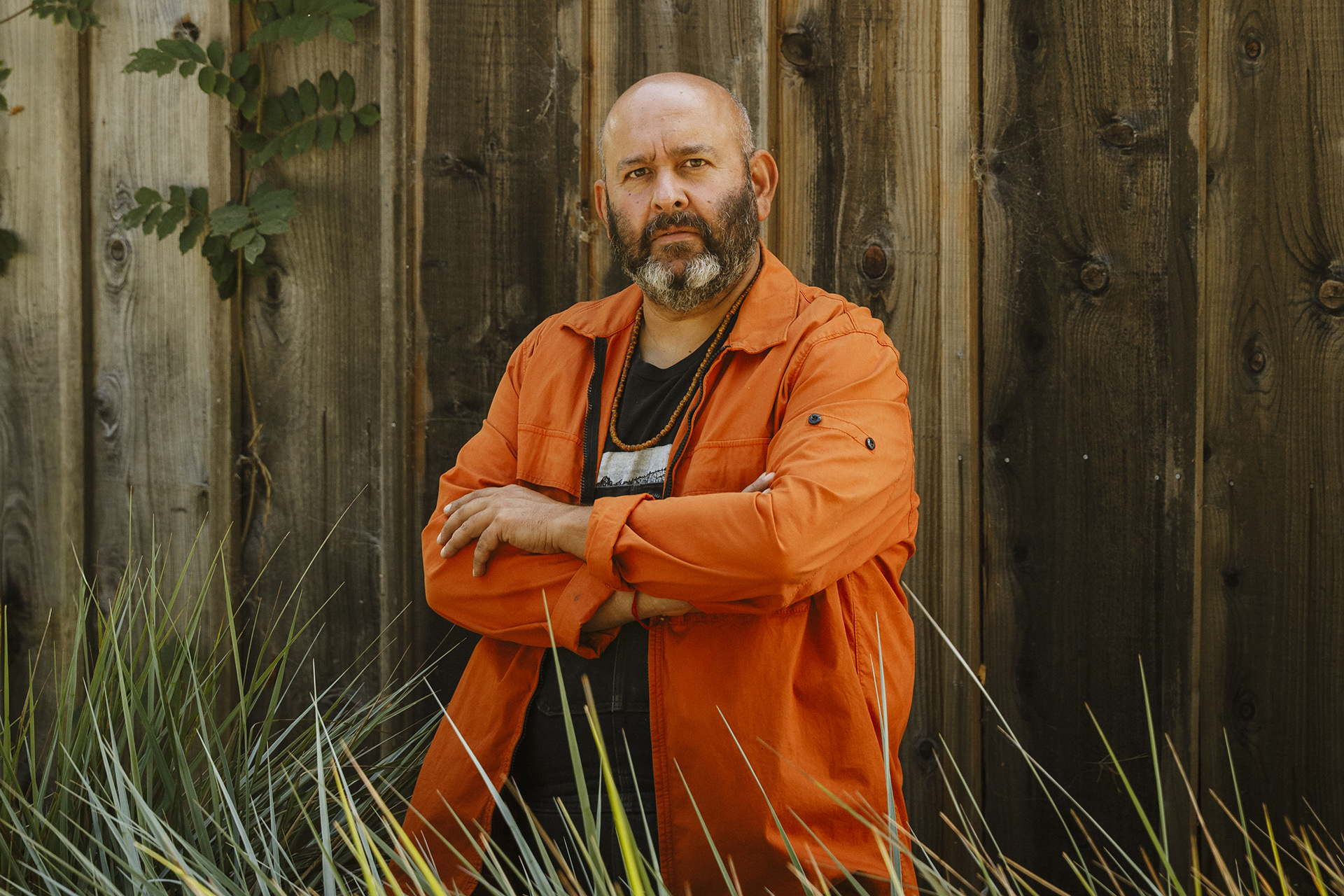
Today, however, the man you find at Phelan Farm in San Simeon looks less like a titan of industry and more like a humble artisan of the earth. Dressed in faded, soil-stained overalls and worn-in boots, a simple beaded wooden necklace resting against his chest, Parr is miles—and worlds—away from the velvet-roped VIP rooms of his past. His days are no longer defined by high-stakes business meetings, but by the rhythmic, back-breaking labor of the vineyard: feeding hay to sheep, composting with oyster shells for his chickens, and meticulously tending to rows of vines under the cool, coastal fog of the San Luis Obispo coast.
The Middle Path: A Chronology of Renunciation
The comparison to the Buddha’s path to enlightenment is almost unavoidable when observing Parr’s life today. Both figures trace their roots to India, and both chose to turn their backs on material opulence in favor of an ascetic, meaningful existence.
The Sommelier Peak (1995–2018)
Parr’s early career was defined by his meteoric rise as a sommelier. His reputation was forged in the fires of the world’s most demanding restaurants. Alongside figures like the late Jim Clendenen of Au Bon Climat, Parr helped shape the modern American palate. During these decades, he became a fixture of the "Somm" documentary series, cementing his status as a tastemaker.
The Turning Point (2018–2021)
The pivot began in 2018. Exhausted by the relentless pace of book tours and industry expectations, Parr began to search for a deeper connection to the source of the wine he had spent decades evaluating. A transformative, introspective experience in 2019, followed by the global silence brought on by the COVID-19 pandemic, provided the final push. He resigned from the Michael Mina restaurant group, severed his ties to the high-profile Santa Barbara projects like Sandhi and Domaine de la Côte, and moved permanently to the quiet hills of Cambria.
The Phelan Farm Era (2021–Present)
For the past three years, Parr has been building his own legacy at Phelan Farm. It has been a period of intense financial struggle, intellectual rigor, and profound personal growth. By shifting from conventional to strictly organic, dry-farming practices, Parr forced his vines through a "trauma" period that nearly cost him the entire project.
Supporting Data: The Science of the "Alpine" Gamble
Parr’s decision to plant obscure, high-altitude varieties in the California coastal climate is not merely an act of rebellion; it is a calculated response to a changing climate.

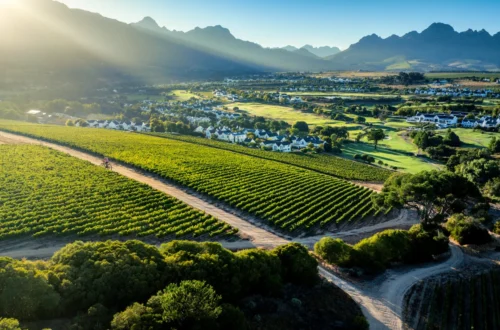
The San Luis Obispo coast is defined by its cool, fog-laden environment, where temperatures rarely climb above 80 degrees, even in late summer. For many, this is a viticultural challenge, but for Parr, it is a window of opportunity. He has looked toward the Jura and Savoie regions of France—areas that share the clay-heavy soils and cooler climates of his San Simeon site—to find varietals capable of thriving in these conditions.
- The Varieties: Parr has successfully experimented with Gringet, Trousseau, Savagnin, Jacquère, and Mondeuse.
- The Results: The 2026 harvest represents a turning point. After four years of decimated yields caused by the transition to dry farming and organic techniques, the crop is finally stabilizing. Parr notes that this year’s yield is greater than the previous four years combined.
- The Savagnin Strategy: Parr posits that Savagnin, which displays late bud break and strong mildew resistance, is the future of white wine in a climate-challenged world. He believes that even regions like Burgundy may eventually be forced to adopt such resilient varieties.
Industry Perspectives and Internal Realities
The transformation has not been without its critics. For years, fellow winemakers watched from the sidelines, whispering about Parr’s "weird" natural wines and his seemingly reckless abandonment of a lucrative career.
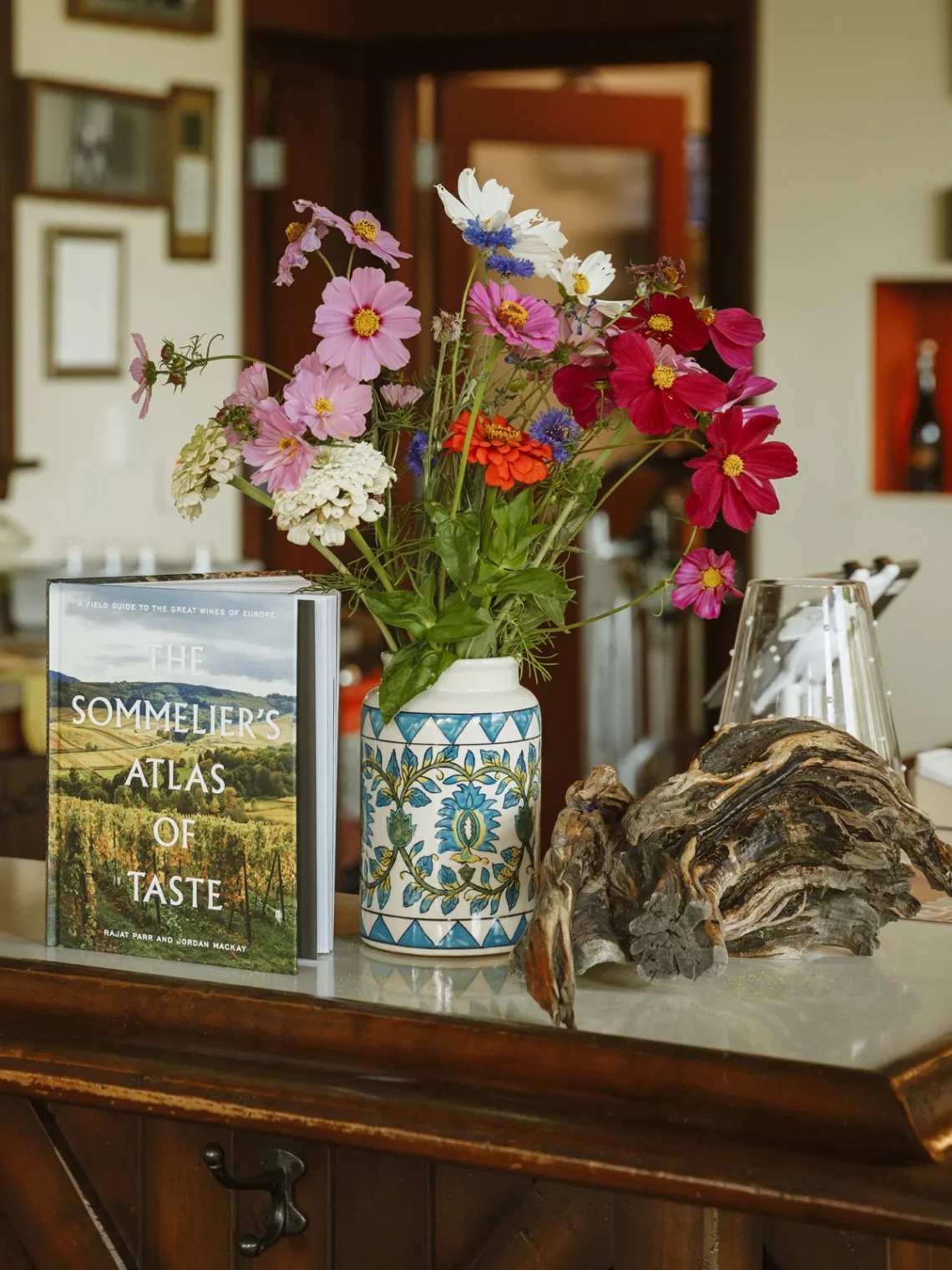
Jordan Mackay, a veteran wine writer and long-time collaborator who co-authored Secrets of the Sommeliers with Parr, views the transition with profound respect. "There was a lot to lose by putting himself in the winemaking world after ascending to the top of the somm world," Mackay notes. "It seemed like almost overnight he renounced all that and started dressing differently and hanging with the wine world’s version of hippies. I love that Raj was unafraid."
Inside the operation, the sentiment is one of dedicated mentorship. Scott Wills, the General Manager, describes the working culture under Parr as methodical and gentle. "He’s so gentle, but also methodical in his thinking," Wills says. "This is the guy you want as your boss."

The Financial and Philosophical Implications
The road to this point has been paved with financial instability. The global contraction in the wine market, coupled with the high costs of converting 33 acres of conventional vineyard to sustainable, regenerative land, brought the project to the brink of ruin as recently as last year.
Yet, for Parr, the stakes are not merely financial. They are existential. "I made so many mistakes in the vineyard," Parr admits, looking over his rows of Gringet. "Unless you do it and you fail, you’re never going to know your limits. What I know today is how resilient nature is, and how to bring it back."
The Future of Phelan Farm
Moving forward, the focus will be streamlined. Parr is moving away from the sprawling, complex portfolio of the past to concentrate on two primary pillars:
- Phelan Farm: The core estate dedicated to his experimental, Alpine-inspired viticulture.
- Brij: A focused, larger-production négociant label that brings his philosophy of quality to a wider audience, focusing on SLO Coast Pinot Noir and Chardonnay.
The goal is no longer to be the most "sought-after" name in the business, but to create something that transcends the lifespan of its creator. "I want to plant a vineyard that is going to outlive everybody," Parr says. "I want to make simple, delicious wines."

Conclusion: A New Vintage of Life
As the sun dips behind the seaside hills of the San Luis Obispo coast, the silence of the farm stands in stark contrast to the cacophony of the Michelin-starred dining rooms Parr once frequented. He has traded the ego of the sommelier for the humility of the farmer.
While the industry remains divided on the long-term viability of his methods, the 2026 harvest suggests that his "Middle Path" is yielding something far more valuable than profit margins: a sustainable, resilient, and deeply honest expression of the land. Whether the world is ready for his vision of the future remains to be seen, but Rajat Parr is no longer looking for validation. He is, for the first time in his life, simply working, and finding that it is enough.