By Maeve Wade | September 18, 2026
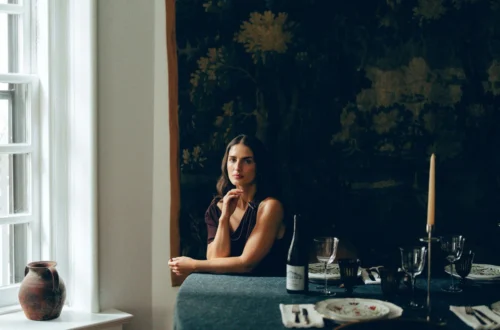
For visual artist and cookbook author Chloé Crane-Leroux, the sun-drenched landscapes of Provence are more than just a travel destination; they are a profound homecoming. During her inaugural visit to the region in 2023, Crane-Leroux describes a transformative experience where her perspective on life and hospitality was, in her words, "cracked open." It was a visceral realization—a sense of belonging so absolute that it fundamentally altered her trajectory.
Since that pivotal trip, Crane-Leroux has cultivated a bicoastal life, splitting her time between the bustling streets of Manhattan and the quiet, rolling hills of Southern France. Her connection to the region, however, is deeply rooted in her upbringing. As a child, she was a frequent traveler to Paris and the French countryside, absorbing the rhythms of French life through the lens of her parents—avid hosts who viewed the home as a sanctuary for friends and communal dining. Today, Crane-Leroux is translating these childhood memories and her recent professional evolution into an immersive, five-day retreat at the storied Hôtel Crillon le Brave, scheduled for next spring.
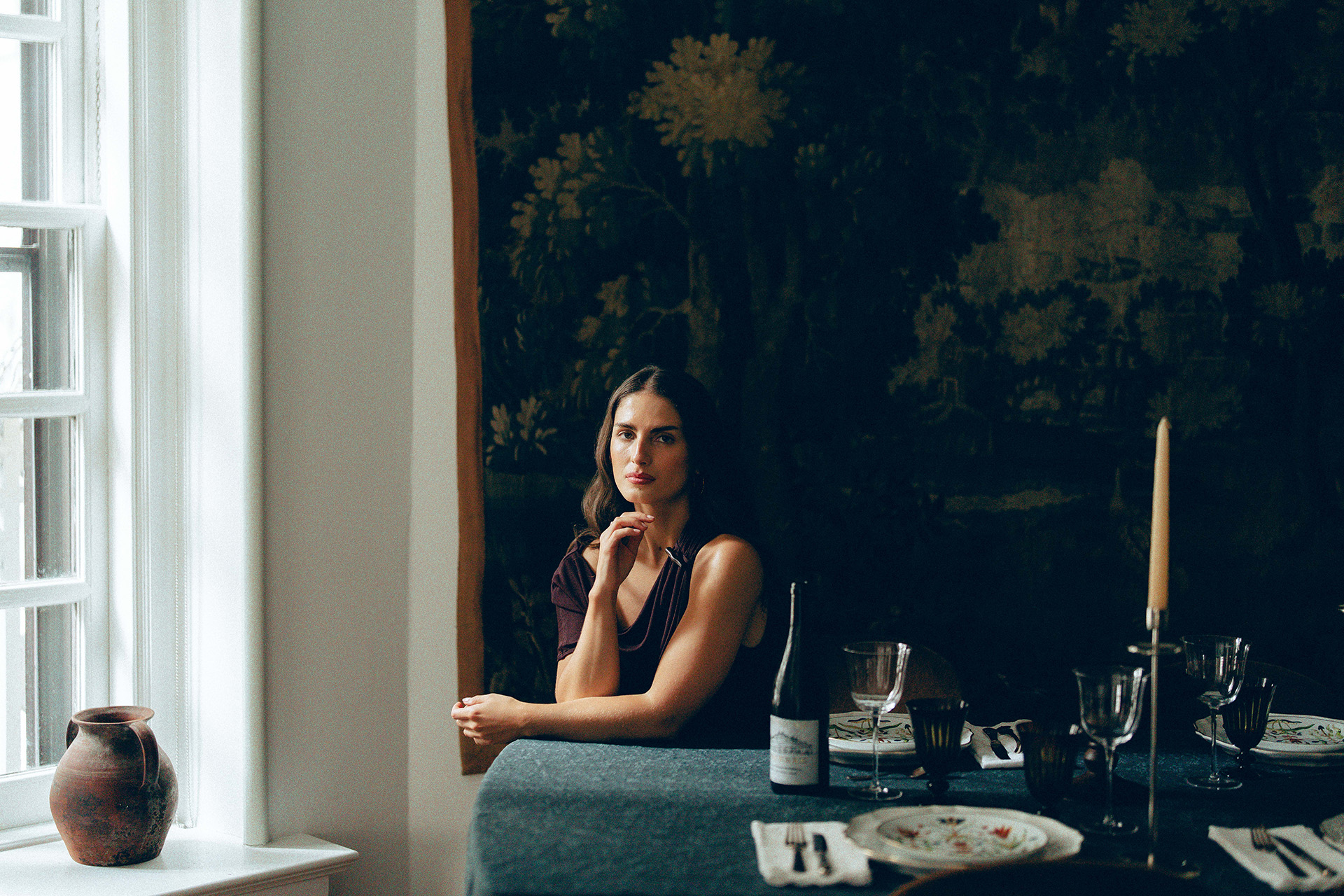
The Evolution of a Host: From Childhood Roots to Provençal Retreats
Crane-Leroux’s philosophy of hospitality is not an academic exercise; it is an inheritance. Growing up, her house was a hub of activity. "We just always wanted to have friends over, and that’s exactly what my parents did," she reflects. "They had friends over all the time, and I just really, really loved that." This early exposure to the mechanics of gathering—the noise, the laughter, the shared plates—became the blueprint for her own adult life.
In New York City, Crane-Leroux became known among her peers for hosting intimate, plant-based dinners that mirrored the warmth of her youth. Her upcoming retreat in Provence is the logical culmination of this journey. Attendees will be invited to participate in a holistic experience: scouting local antique markets, engaging in olive oil tastings, and mastering the art of plant-based cooking. By opening her process to others, Crane-Leroux is effectively scaling the intimate dinner party into a communal educational experience, bridging the gap between New York’s fast-paced energy and the intentional, slow-living ethos of the French South.
Breaking Down the "Fear Factor": The Power of the Apéro
One of the most significant barriers to entry for aspiring hosts is the paralyzing fear of imperfection. Crane-Leroux believes this anxiety is the primary enemy of hospitality. "Hosting doesn’t have to be scary," she notes. "A lot of people get intimidated because they want it to be perfect and they overthink it."

Her solution is the apéro—the sacred French ritual of the pre-dinner happy hour. Rather than feeling the pressure to curate a multi-course, white-tablecloth experience, she encourages hosts to focus on the apéro as the centerpiece of the evening. It is low-stakes, high-reward, and inherently social. "It’s the perfect way to start hosting because it’s not a full meal and it doesn’t feel so extravagant," she says.
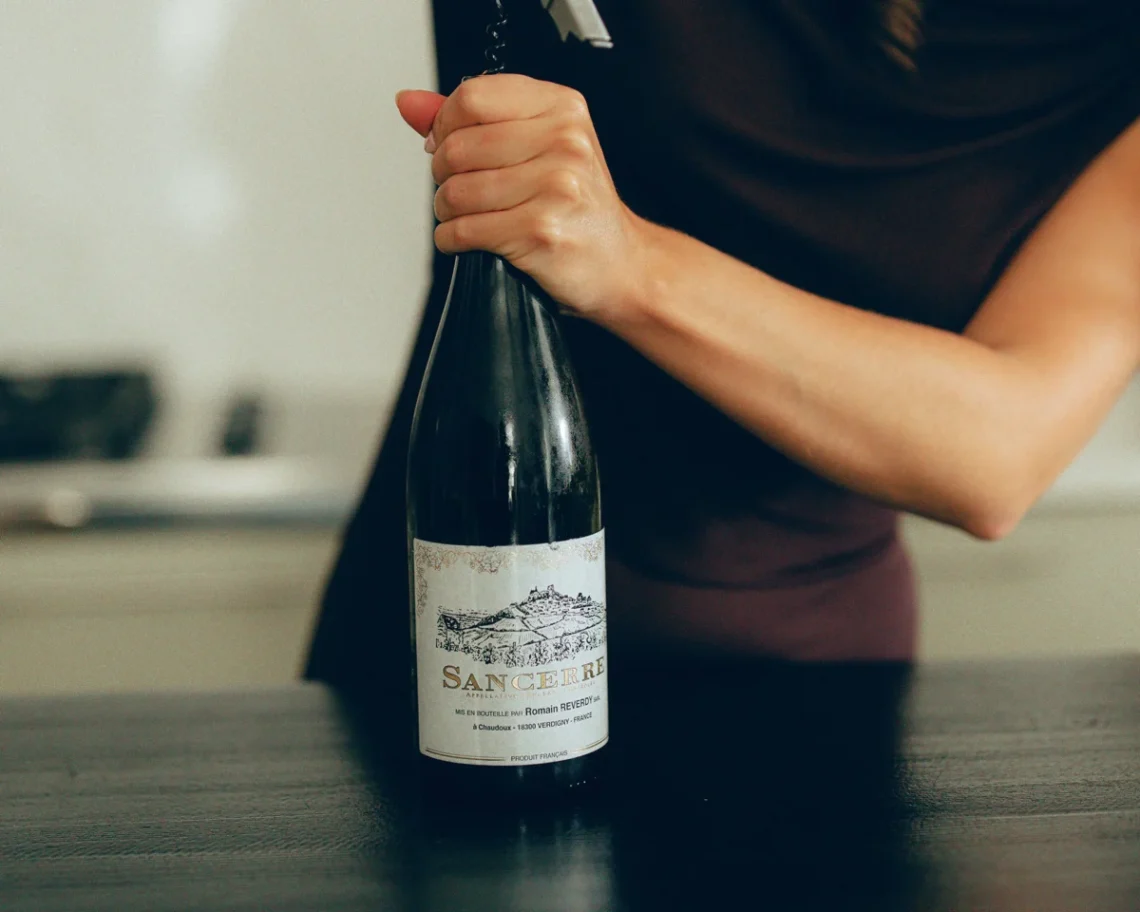
When it comes to beverage pairings, Crane-Leroux favors ease and accessibility. Her cellar—or rather, her go-to shopping list—is anchored by crisp rosés during the warmer months, transitioning to fuller-bodied, "cozier" reds as the temperature drops. However, her true constants are white wines, specifically Sancerre or Chablis, which she considers the "Swiss Army knives" of the wine world. For those looking to elevate their drink game without the complexity of mixology, she advocates for a simple, refreshing Lillet spritz garnished with a wedge of grapefruit.
The Philosophy of Produce: Seasonality as a Design Element
Crane-Leroux’s approach to decor and menu planning is unified by the concept of seasonality. She rejects the idea that a tablescape is merely a surface; rather, it is a living reflection of the earth. She often incorporates seasonal vegetables directly into her floral arrangements, creating a rustic, organic aesthetic. A recent "tomato tablescape"—a whimsical display of vibrant produce integrated into the place settings—demonstrates her desire to collapse the distance between the food and the decor.

"Going to the farmers’ market and getting inspired by what is out there is the best way to come up with a recipe," Crane-Leroux explains. This methodology dictates her menu, which shifts rhythmically with the agricultural calendar. In the late summer and early autumn, she leans into the abundance of tomatoes and zucchini, frequently preparing Tian Provençal. This dish, a cousin to the traditional ratatouille, serves as a visual centerpiece, with thinly sliced vegetables layered to mimic the geometry of the garden.
For those looking for something even more accessible, Crane-Leroux champions the galette. "Truly, you can put anything on puff pastry, and I think it would be amazing," she says. It is a dish that hides complexity behind a rustic, unpretentious exterior, allowing the quality of the seasonal ingredients to do the heavy lifting.
Supporting Data: The Symbiosis of Wine and Plants
One of the most persistent myths in the culinary world is that plant-based food is notoriously difficult to pair with wine. Crane-Leroux dismisses this as an outdated notion. Her theory is rooted in origin: "Wine comes from the earth and plant-based food comes from the earth."

By focusing on the "terroir" of the ingredients—matching the earthy, mineral qualities of a wine to the soil-driven flavors of a specific vegetable—she finds that the pairing process becomes intuitive. For instance, she highlights the synergy between heirloom tomatoes and wines that share a bright, acidic profile. She also points to the pairing of an earthy Lambrusco with a traditional tomato-based pizza, or the decadent combination of a fortified Port with a seasonal cherry pie. The goal, she insists, is to find a wine that acts as a bridge, heightening the natural profile of the dish rather than overpowering it.
The Collaborative Table: Delegating Dessert
Perhaps the most practical tip Crane-Leroux offers is the art of strategic delegation. When guests ask what they can bring, she consistently offloads the responsibility of dessert. This decision serves a dual purpose: it eases the logistical burden on the host and adds an element of spontaneity to the evening.
However, she cautions against total detachment. The "signature touch" is what separates a host from a mere provider. Even if a guest brings a store-bought cake or a box of pastries, Crane-Leroux encourages the host to provide a final flourish—a dollop of house-made caramel sauce, a dusting of fresh cocoa, or a scattering of edible flowers. This "best of both worlds" approach allows the host to remain present with their guests, rather than being sequestered in the kitchen during the final, most relaxed part of the meal.

Implications for Modern Hospitality
As the hospitality landscape continues to shift toward more authentic, personal, and sustainable experiences, Crane-Leroux’s model offers a blueprint for the future. By emphasizing the "Apéro" culture, she is advocating for a return to slower, more conversational dining. Her focus on plant-based, seasonal fare aligns with broader consumer shifts toward wellness and environmental mindfulness, yet she avoids the clinical, joyless tropes often associated with these movements.
The success of her upcoming retreat will likely serve as a litmus test for the demand for "immersive lifestyle" experiences. In an era dominated by digital connection, there is a burgeoning desire to return to the tangible—to the smell of roasting vegetables, the sound of a cork popping, and the quiet beauty of a table set with mismatched, heirloom glassware.
Ultimately, Chloé Crane-Leroux’s message is one of empowerment. She is stripping away the layers of perfectionism that have long stifled home hosting. Whether in a cramped New York apartment or a sprawling farmhouse in Provence, the core tenets remain the same: invite people in, listen to the seasons, and keep the glass full. In doing so, she isn’t just teaching people how to host; she is teaching them how to foster the kind of human connection that feels, in her own words, like a heart being cracked open.