By: Staff Reports
Published in partnership with industry analysis desks
Main Facts
The latest data from the National Coffee Association’s (NCA) semi-annual National Coffee Data Trends (NCDT) report highlights a shifting landscape in how Americans consume their daily brew. While overall coffee consumption among adults remains robust at 66%, and the vast majority of that consumption (83%) continues to happen in the comfort of home, the habits surrounding out-of-home purchases have fundamentally transformed.
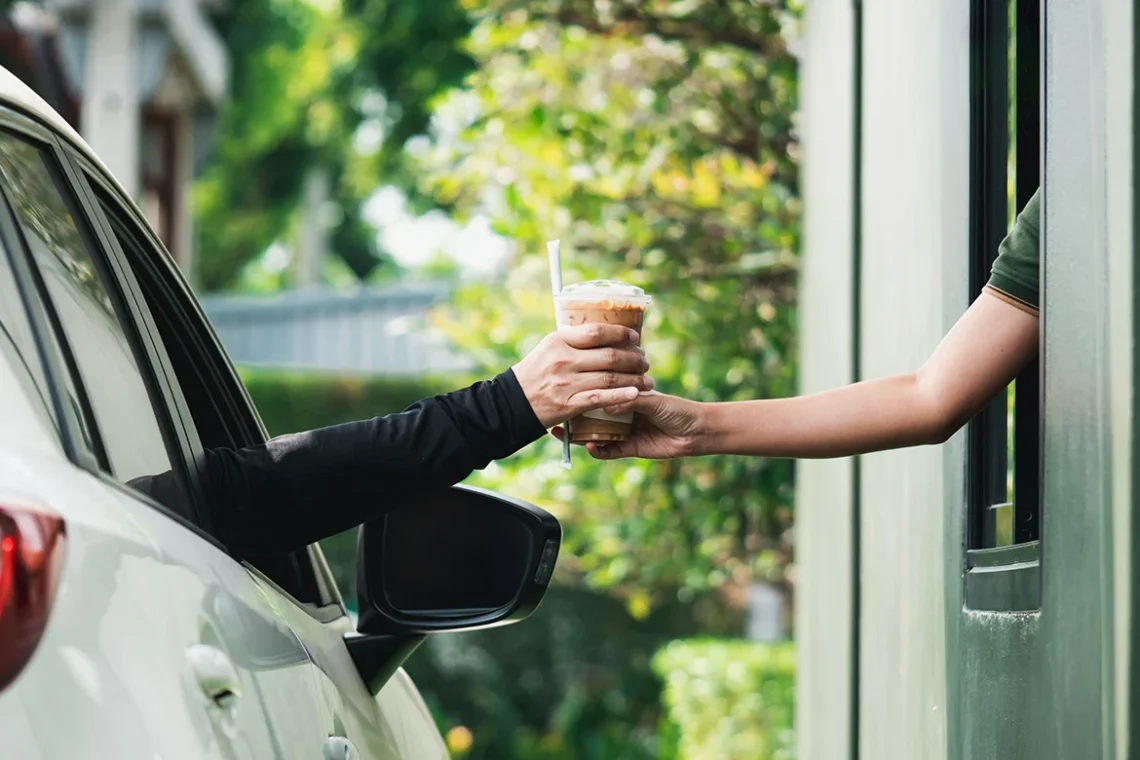
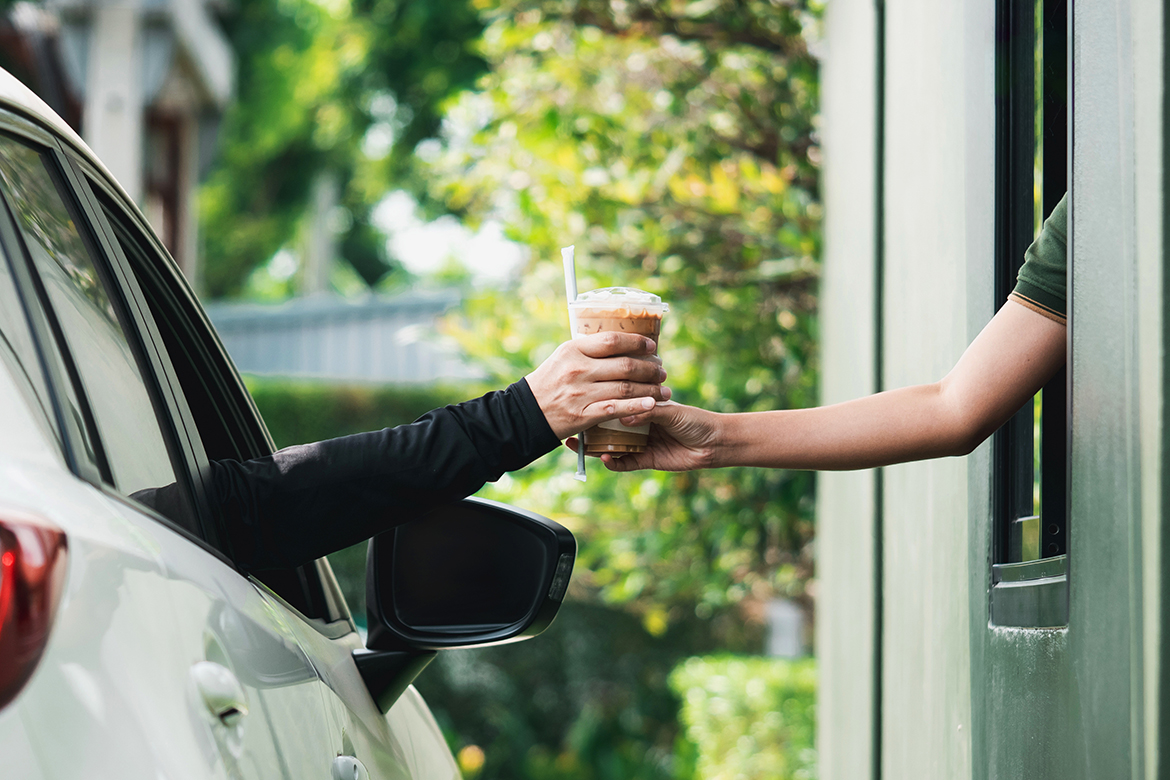
Most notably, specialty coffee has officially outpaced traditional, commodity coffee in daily popularity, claiming a record 48% of the market share among past-day consumers. However, the mechanisms by which Americans acquire their favorite beverages have tilted overwhelmingly toward speed and automation. According to the NCDT findings, an astounding 55% of past-week out-of-home coffee buyers utilized a drive-thru, while a record-breaking 40% placed their orders via mobile apps.
This intersection of booming specialty coffee demand and hyper-convenient ordering channels paints a vivid picture of modern consumer behavior: Americans want high-quality craft coffee, but they want it instantly, without stepping foot inside a traditional cafe.
Chronology: The Evolution of American Coffee Culture
To understand how the coffee industry arrived at this digital, drive-thru crossroads, it is helpful to look back at the historical milestones that shaped the modern beverage landscape:
- The Commodity Era (Pre-1990s): Coffee in America was largely viewed as a functional, utilitarian commodity. Measured by low cost and high caffeine yield, brands like Folgers and Maxwell House dominated home pantries, while diner coffee ruled the out-of-home market. Quality and origin were rarely part of the consumer lexicon.
- The First Wave and Second-Wave Expansion (1990s–2000s): The rise of international and domestic coffeehouse chains introduced the concept of the "coffee shop" as a social third place. Espresso drinks, flavored syrups, and the cultural normalization of paying premium prices for café beverages entered the mainstream.
- The Specialty Coffee Renaissance (2010s): Often termed the "Third Wave" of coffee, this era focused heavily on single-origin beans, terroir, meticulous extraction methods, and direct-trade sourcing. The profession of the "barista" gained artisanal legitimacy, moving away from corporate stereotypes toward a respected culinary craft.
- The Convenience Pivot (Late 2010s–2020s): Propelled by smartphone adoption and accelerated dramatically by the COVID-19 pandemic, the industry experienced a massive pivot toward off-premise sales. Curbside pickup, mobile ordering apps, and streamlined drive-thru models became essential survival tools for cafes, permanently altering consumer expectations around speed and friction-free transactions.
- The Modern Convergence (Present Day): Today, specialty coffee and ultra-convenience have merged. The NCDT report confirms that craft coffee is no longer an exclusive, slow-paced luxury enjoyed only by purists sitting in artisanal cafes; it is now an on-the-go commodity ordered via smartphone and retrieved from a car window.
Supporting Data: By the Numbers
The Fall NCDT report provides a robust statistical foundation for analyzing current trends. The data outlines not just how much coffee Americans drink, but the operational shifts defining the market:
- 66%: The percentage of American adults reporting past-day coffee consumption, holding steady as one of the highest baseline beverage metrics in the nation.
- 83%: The proportion of total coffee consumption that occurs at home, reminding the industry that home brewing appliances and whole-bean retail remain vital economic pillars.
- 48%: A historic high for specialty coffee past-day consumption, marking the milestone where specialty options have formally surpassed traditional, non-specialty coffee blends in daily preference.
- 55%: The share of past-week out-of-home coffee buyers who patronized a drive-thru.
- 40%: The record-high percentage of out-of-home buyers utilizing a mobile ordering application.
When combined, these out-of-home metrics suggest that over nine out of ten consumers utilizing commercial cafes rely on either a drive-thru or an app at least part of the time. This staggering overlap points to an economy where physical foot traffic inside a traditional brick-and-mortar storefront is increasingly supplemented—or outright replaced—by digital transactions and vehicular queues.
Official Responses and Industry Perspectives
The rapid pivot toward mobile apps and drive-thrus has generated significant debate among coffee roasters, shop owners, and industry analysts.
From a business perspective, operators view these technologies as essential lifelines. By expanding throughput and catering to the time-crunched commuter, independent cafes and major chains alike can capture revenue streams that would otherwise be lost to speed-obsessed fast-food competitors. Industry advocates argue that these systems allow specialty coffee to "meet people where they are," democratizing access to high-grade beans that were once confined to boutique urban neighborhoods.
However, industry insiders and commentators—such as Zac Cadwalader, managing editor at Sprudge Media Network—have voiced nuanced concerns regarding the integrity of the product. Writing on the tension between convenience and quality, observers point out that coffee is a perishable, highly dynamic beverage.
"There is a shelf life to coffee beverages and the clock starts ticking as soon as they are made," notes Cadwalader. "Sitting around waiting to be picked up is not a drink at its best. And in this way, apps and drive-thrus place value on convenience to the detriment of quality."
Furthermore, purists worry that an over-reliance on a "convenience-over-everything" mindset threatens to erode the unique qualities that separated specialty coffee from commodity coffee in the first place. If a single-origin, meticulously roasted pour-over or espresso is left sitting in a plastic cup on a pickup counter for fifteen minutes, or chugged hurriedly from a car cup holder, the labor of the farmer, roaster, and barista risks being fundamentally compromised.
Implications: The Future of the Café Experience
The dominance of drive-thrus and mobile apps carries profound implications for the future of urban design, retail economics, and consumer culture.
1. The Real Estate Shift
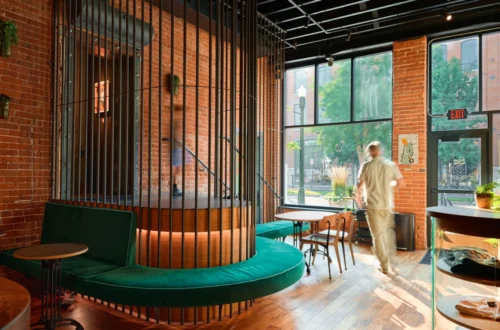
Traditional cafes designed around the "third place" concept—spacious seating areas, community bulletin boards, and ambient music meant to encourage lingering—face mounting financial pressures. High urban rents, paired with consumer preferences favoring mobile pickups, mean that future shop models may favor smaller footprints. Expect to see more walk-up windows, micro-cafes, and drive-thru-exclusive specialty kiosks that maximize operational efficiency while minimizing overhead.
2. The Dilution Risk of Specialty Coffee
As specialty coffee brands scale to meet the demands of app-driven consumers, maintaining quality control becomes increasingly difficult. The distinct flavor notes of micro-lot coffees can easily be masked by heavy syrups, excessive milks, and the degradation that occurs during transit. If specialty coffee becomes indistinguishable from mass-market commodity coffee in practice, the justification for premium pricing may begin to crumble.
3. Finding the "Sweet Spot"
The ultimate challenge for the modern coffee industry lies in harmonization: making quality coffee as conveniently as possible, rather than sacrificing quality in the pursuit of convenience. Innovations in packaging, faster fulfillment workflows, and better temperature-stable delivery vessels will be critical for operators who refuse to compromise on the craft.
Ultimately, the latest NCDT report serves as a mirror reflecting modern society’s relentless pace. Whether apps and drive-thrus are viewed as a necessary evolution that subsidizes the art of coffee or as a dilution of its soul, one thing is certain: the American relationship with caffeine has changed permanently, and the industry must navigate this digital-first reality one cup at a time.