For decades, the standard paradigm of international travel has remained largely extractive and passive. Tourists arrive in a foreign country, photograph identical landmarks, dine at guidebook-recommended establishments, and cycle through a curated checklist of bars and museums. While guided tours offer superficial historical context, genuine integration with local communities rarely occurs. Even long-term backpackers who pride themselves on "not being tourists" frequently replicate this pattern, simply moving at a slower, more budget-conscious pace.
However, travel industry analysts and seasoned globetrotters note a fundamental philosophical shift in how people want to experience the world. The aspirational benchmark of international mobility is moving away from the fleeting, high-turnover vacation and toward immersive, purposeful long-term living. Central to this evolution are structured working holidays and ethical volunteering programs, which offer a viable, grounded alternative to traditional tourism and the hyper-exclusive "digital nomad" lifestyle.
Chronology of Modern Travel: From Mass Tourism to Immersive Living
To understand the current appetite for long-term international work and volunteering, it helps to examine how the travel landscape has evolved over the last twenty years:
- The Early 2000s (The Rise of Budget Independent Travel): Fueled by the proliferation of low-cost carriers, online booking engines, and travel memoirs, mass independent travel became accessible to the general public. Travelers chased flexibility, country-hopping rapidly across continents.
- The 2010s (The "Digital Nomad" Era): As remote work technology matured, a new class of location-independent professionals emerged. The dominant aspiration became working remotely from low-cost hubs, earning in strong currencies while maintaining a fluid lifestyle.
- The Post-Pandemic Era (The Search for Depth and Sustainability): Following global disruptions, travelers began reevaluating the environmental and social impacts of passive tourism. The desire for community integration, skill-building, and ethical contribution replaced the simple urge to collect passport stamps.
- Present Day (The Working Holiday Surge): Structured programs bridge the gap between amateur backpacking and permanent immigration. Companies specializing in gap years, working holidays, and vetted international placements have streamlined the logistics of moving abroad, making long-term immersion accessible to a broader demographic.
Supporting Data: The Demographics and Realities of Modern Travel
Moving abroad independently presents significant logistical hurdles. Securing employment in a foreign market, competing against local applicants, navigating complex visa quotas, managing variable transport expenses, and securing long-term housing can overwhelm even seasoned travelers.
According to industry data from major global placement organizations, structured support systems have become vital safety nets for international movers:
- Scale of Impact: Leading global gap year and working holiday providers have collectively facilitated placements for over 116,000 participants across six continents, spanning Europe, the Americas, Asia, Africa, and the Pacific.
- Age and Accessibility: While traditional working holiday visas typically impose upper age limits (often capping eligibility at age 35 depending on bilateral agreements), structured volunteer and teaching programs accept participants ranging from 18 to 80 years old.
- Planning Horizons: Successful international relocations require adequate preparation time; the vast majority of participants initiate their booking and visa application processes six to twelve months in advance to secure job matches and meet regional quotas.
Why Working Holiday Makers Are the New "Digital Nomads"
For the past decade, the digital nomad has been heralded as the ultimate expression of long-term travel freedom: work remotely, earn globally, and live cheaply. Yet, this model inherently serves a narrow demographic. It requires a pre-existing remote income stream, specific professional skills, and a level of financial and career stability that younger travelers or those in traditional employment simply do not possess.
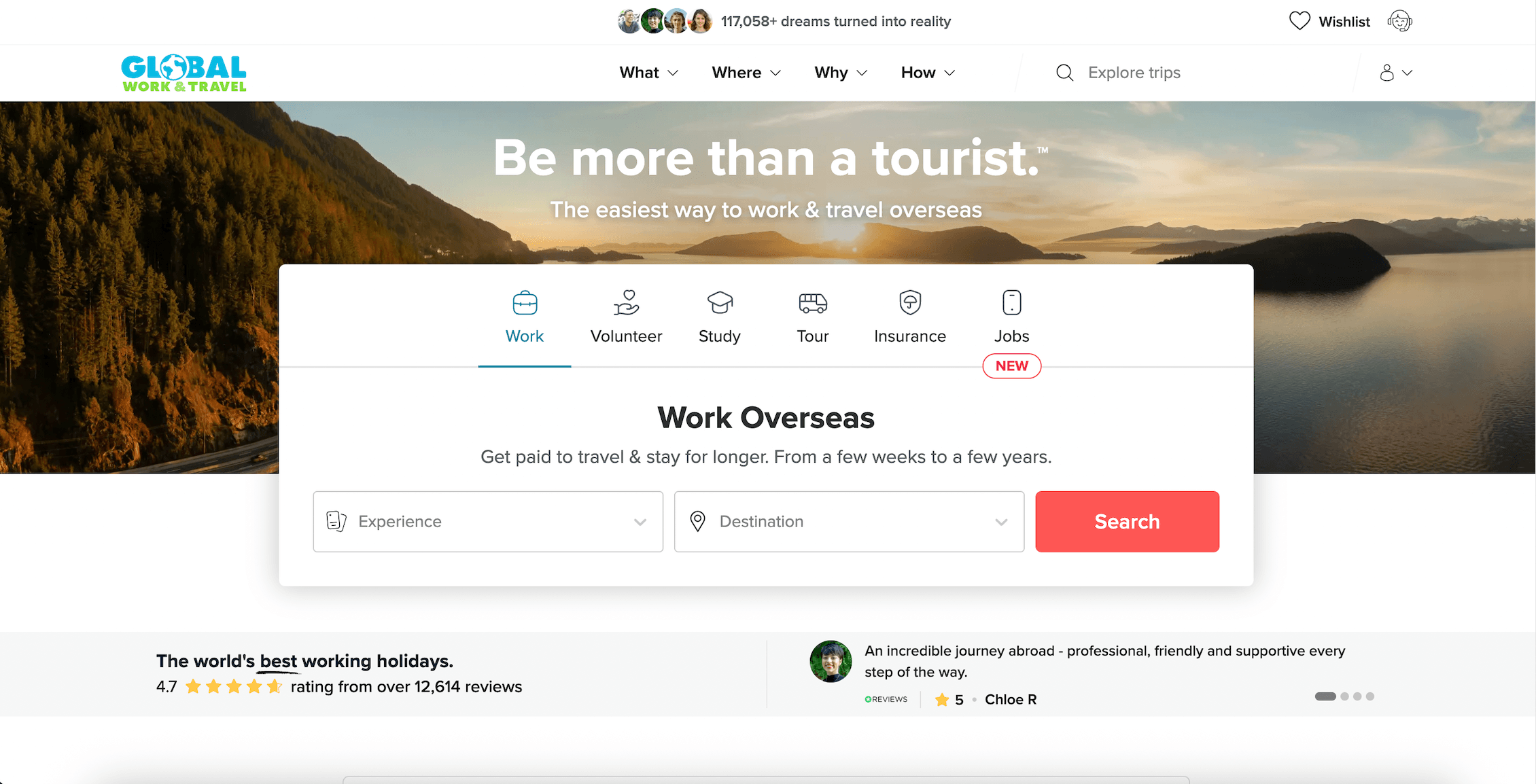
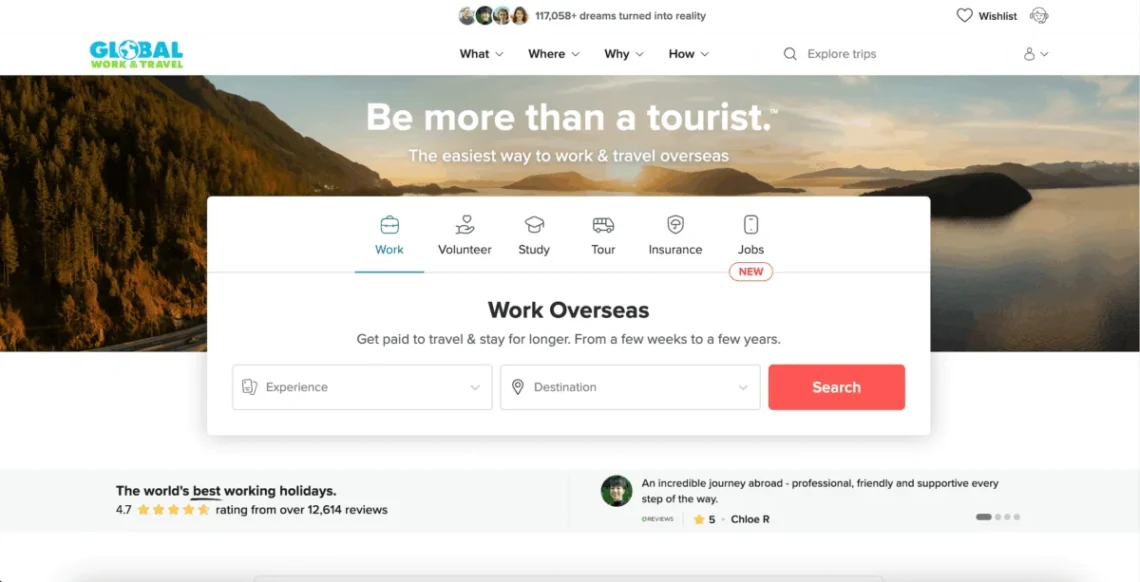
Working holidays invert this traditional formula. Instead of importing a remote job from home, participants secure employment directly within the destination economy upon arrival. This fundamental difference alters the entire travel experience:
- Economic Integration: Rather than floating above a local community from coworking spaces and short-term rentals, working holiday makers integrate directly into the local workforce. They develop daily routines, collaborate with local colleagues, and build natural social networks.
- Lower Barrier to Entry: Participants do not require years of freelance experience or a location-independent business. The primary prerequisites are adaptability, a willingness to work, and access to a structured placement framework that handles the bureaucratic heavy lifting.
- Sustainable Longevity: Earning local wages offsets ongoing living expenses, allowing travelers to remain in a single destination for months at a time rather than rushing through multiple countries every two weeks.
Industry experts argue that working holidays represent a more grounded, accessible, and sustainable version of long-term international living. By embedding travelers into local schedules and workplaces, these programs foster authentic cultural understanding and long-term relationships that brief vacations cannot replicate.
Ethical Volunteering: Separating Substance from Optics
While the benefits of working holidays are clear, the reputation of international volunteering remains complex. Historically, the volunteer tourism (or "voluntourism") sector has faced valid criticism for prioritizing the emotional fulfillment of the traveler over the actual needs of the host community. Poorly vetted projects can disrupt local labor markets, lack genuine accountability, and function primarily as profit-driven enterprises.
To combat this, contemporary ethical frameworks emphasize rigorous vetting, community-led initiatives, and long-term sustainability. Well-structured programs focus on priority areas defined directly by host populations:
- Community Development: Working alongside local grassroots organizations in regions such as Zanzibar to support education, infrastructure, and local enterprise.
- Wildlife Conservation: Participating in habitat preservation, monitoring, and research initiatives alongside conservationists in South Africa.
- Animal Welfare: Contributing to ethical elephant rescue and rehabilitation projects in Thailand that prioritize animal autonomy and natural habitats.
Organizations committed to ethical standards often integrate financial safeguards, such as dedicated conservation funds that channel resources directly into regional partner sites, ensuring that the impact extends far beyond individual human placements.
Official Perspectives and Industry Response
Tourism boards, international educators, and labor economists increasingly recognize the value of structured international mobility programs. Government agencies managing Working Holiday Maker (WHM) visa schemes view these programs as vital cultural exchange pipelines that simultaneously address seasonal labor shortages in hospitality, agriculture, and tourism sectors.
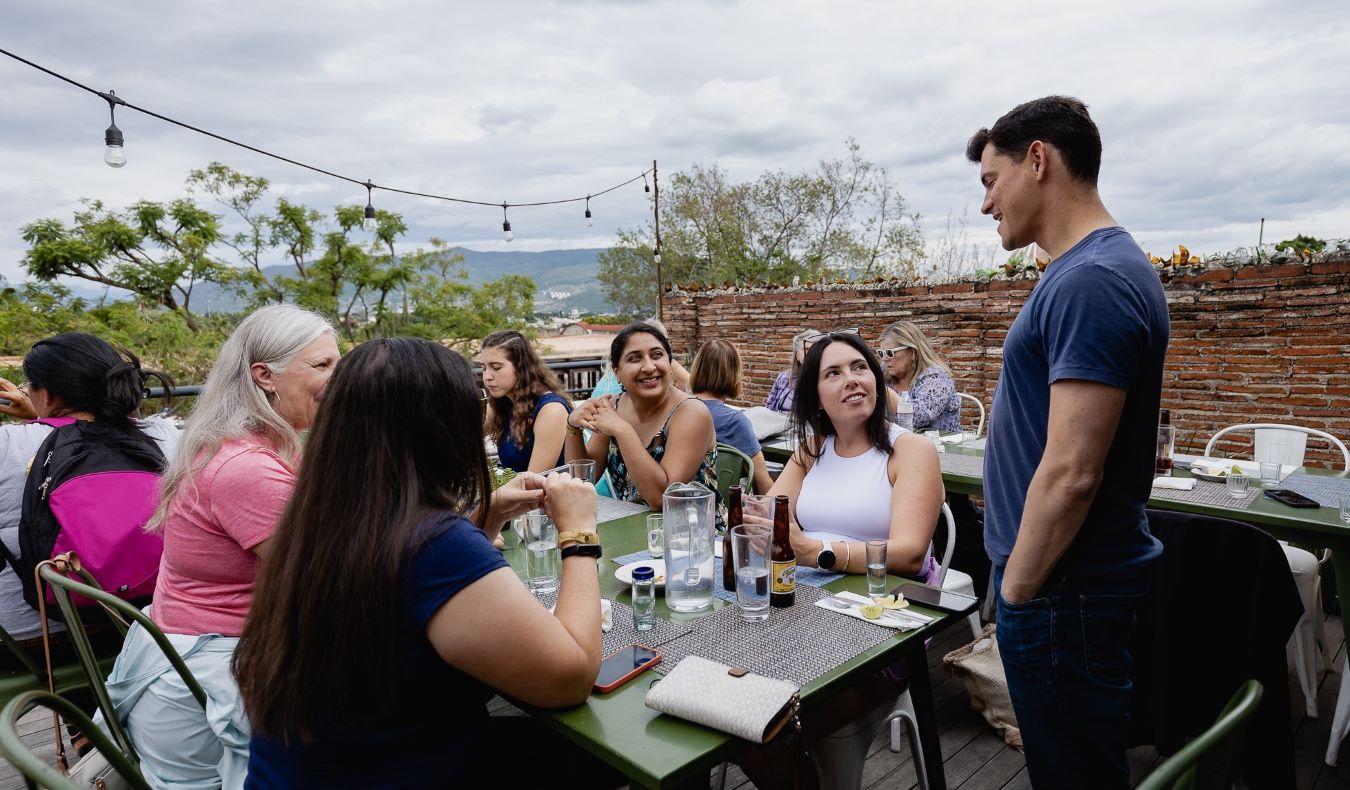
From an educational standpoint, universities and career counselors actively endorse international work and volunteering. Time spent navigating foreign workplaces, managing cross-cultural communication, and adapting to unfamiliar environments translates directly into high-value "soft skills" coveted by modern employers.
Furthermore, consumer protection standards within the travel industry have evolved. Leading international placement providers incorporate robust financial security measures—such as non-expiring lifetime deposits and compliance with recognized travel consumer protection agencies—to insulate participants against unforeseen geopolitical, economic, or personal disruptions.
Implications for the Future of Global Tourism
The surging popularity of working holidays and vetted volunteer programs signals a broader cultural fatigue with superficial tourism. As travelers become more conscious of their environmental footprint and the social dynamics of destination communities, the definition of a successful trip is changing.
- Shift from Quantity to Depth: Travelers are choosing to invest their time and financial resources into single destinations rather than checking off multi-country itineraries.
- Professional Development Integration: Gap years and international work experiences are no longer viewed merely as extended vacations, but as strategic enhancements to personal growth and professional resumes.
- Collaborative Community Relations: Host countries benefit from engaged, regulated labor pools and dedicated volunteer support rather than transient visitors who place high demands on local infrastructure without contributing economically beyond basic consumption.
Ultimately, the most memorable and transformative travel experiences are forged through active participation rather than passive observation. By removing bureaucratic barriers—such as visa navigation, job placement, and pre-departure anxiety—structured international work and volunteer programs have democratized deep travel, turning the aspiration of living abroad into an achievable reality for a new generation of global citizens.