We often measure our health by long-term markers: cholesterol levels, blood pressure readings, and waist circumference. However, emerging clinical research suggests that our long-term health trajectory is not merely a result of years of dietary habits, but the cumulative effect of what occurs within our bodies during the hours immediately following every single meal. We are, in a very literal sense, as old as our arteries. As we age, our ability to preserve arterial function becomes the primary determinant of longevity and vitality.
For many, a sedentary lifestyle paired with a high-fat, processed diet initiates a cascade of adverse biological processes. This "postprandial"—or after-meal—state is where the damage begins. When we consume high-fat, high-processed meals, we trigger a systemic response characterized by mitochondrial impairment, free radical formation, oxidative stress, and acute inflammation. These micro-events, repeated day after day, are the silent architects of cardiovascular disease, the leading cause of death globally.
Main Facts: The Immediate Impact of Dietary Fat
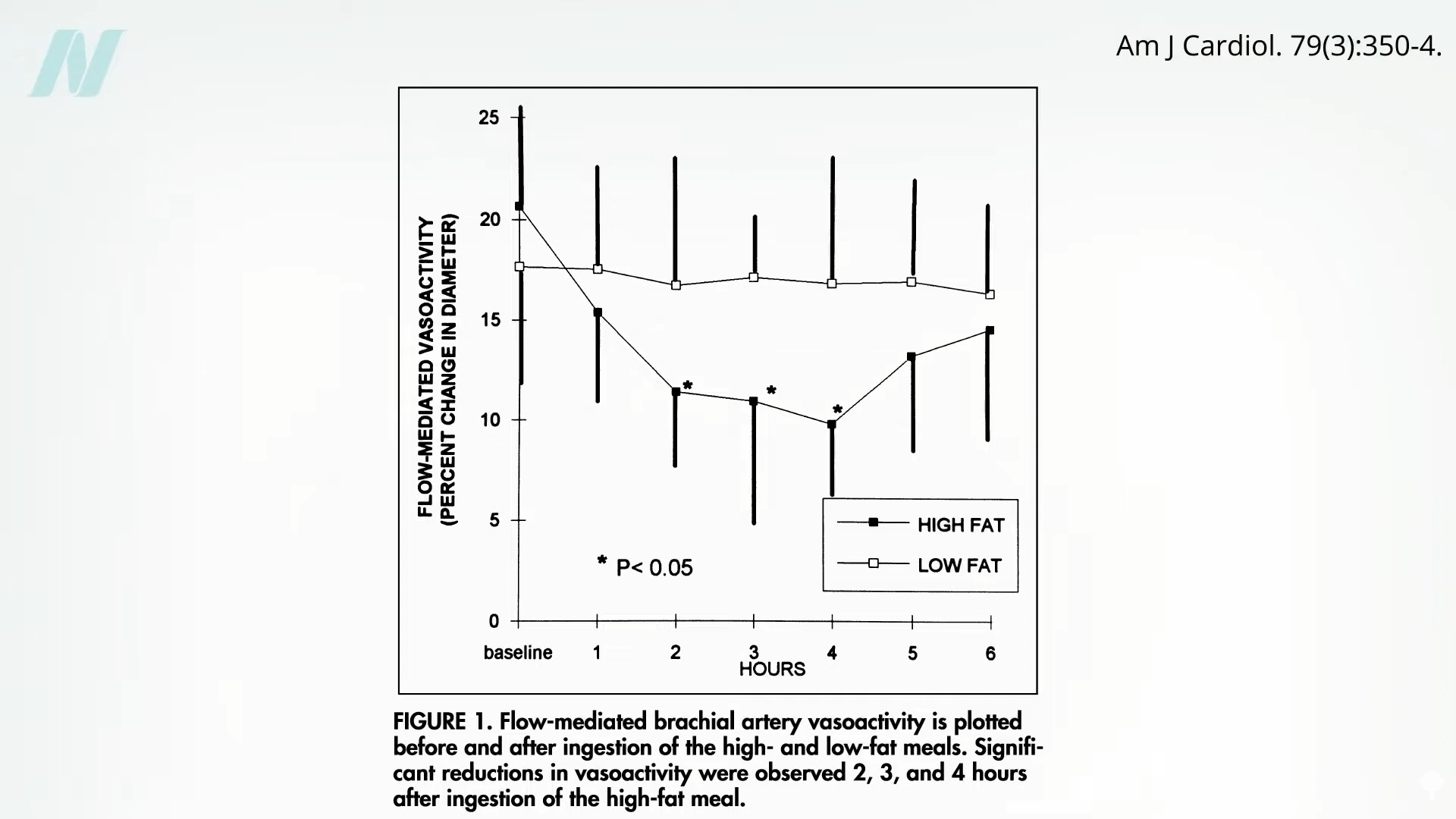
The core of this issue lies in the body’s acute response to macronutrient intake. Landmark studies have demonstrated that within hours of consuming a single high-fat meal, arterial function—the ability of blood vessels to dilate and respond to blood flow—is significantly impaired.

In clinical trials, researchers compared the effects of high-fat meals (such as fast-food breakfast sandwiches containing sausage, egg, and cheese) against low-fat, high-sugar alternatives. The results were stark: while the sugary, low-fat meal caused no immediate impairment to arterial function, the high-fat meal induced a measurable "crippling" effect on the endothelium, the delicate lining of our blood vessels.
This is not a temporary inconvenience; it is a recurring biological assault. Because the typical adult spends approximately 16 hours a day in a postprandial state, our arteries are subject to a near-constant barrage of inflammatory stimuli. By the time the body has begun to recover from a high-fat breakfast, it is often time for lunch, and the cycle of inflammation begins anew.
Chronology of Biological Damage
To understand the severity of this process, one must examine the timeline of what occurs after consumption:
- Hour 0: Consumption of a high-fat meal (meat, eggs, dairy, or refined oils).
- Hour 1–2: Lipemia (the presence of excess fat in the blood) begins to rise. Endothelial cells begin to signal distress as they process an influx of fatty acids.
- Hour 3–4: Oxidative stress peaks. Inflammatory cytokines are released into the bloodstream. In those with respiratory issues, such as asthma, this is the window where airway inflammation manifests.
- Hour 5–6: The body attempts to return to homeostasis. However, if a second meal is consumed at this interval, the inflammatory cycle is re-triggered before the previous cycle has fully resolved, leading to a state of chronic, low-grade systemic inflammation.
This chronology underscores why the "meal-by-meal" approach to nutrition is critical. Every time we eat, we are either protecting our vasculature or subjecting it to hours of oxidative stress.
Supporting Data: Arteries and Beyond
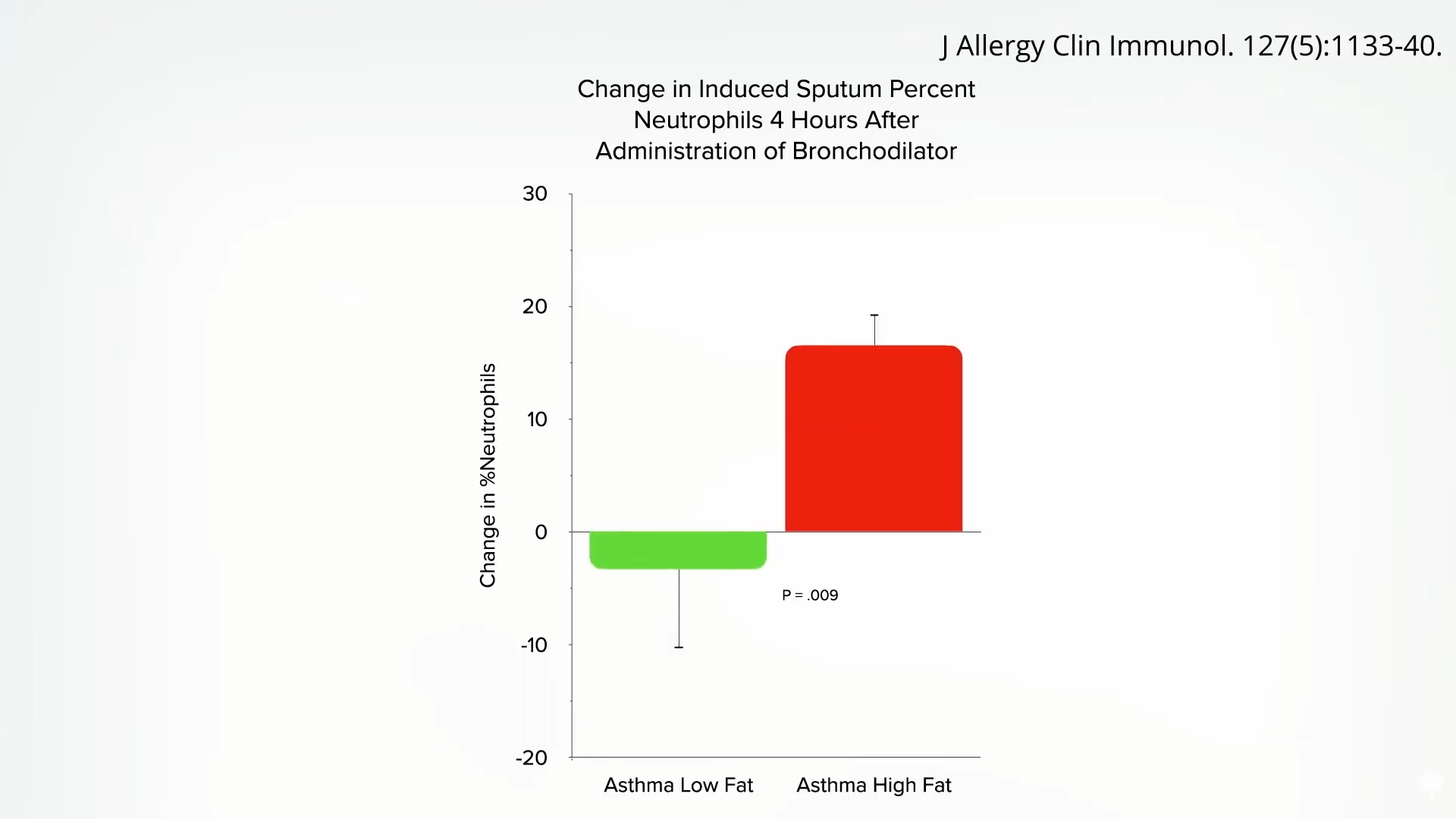
The impact of dietary fat extends far beyond the heart. Recent studies have highlighted a surprising connection between high-fat intake and lung function. In a study involving asthma patients, researchers observed that four hours after consuming a high-fat meal, inflammatory cell counts in the patients’ sputum increased significantly.
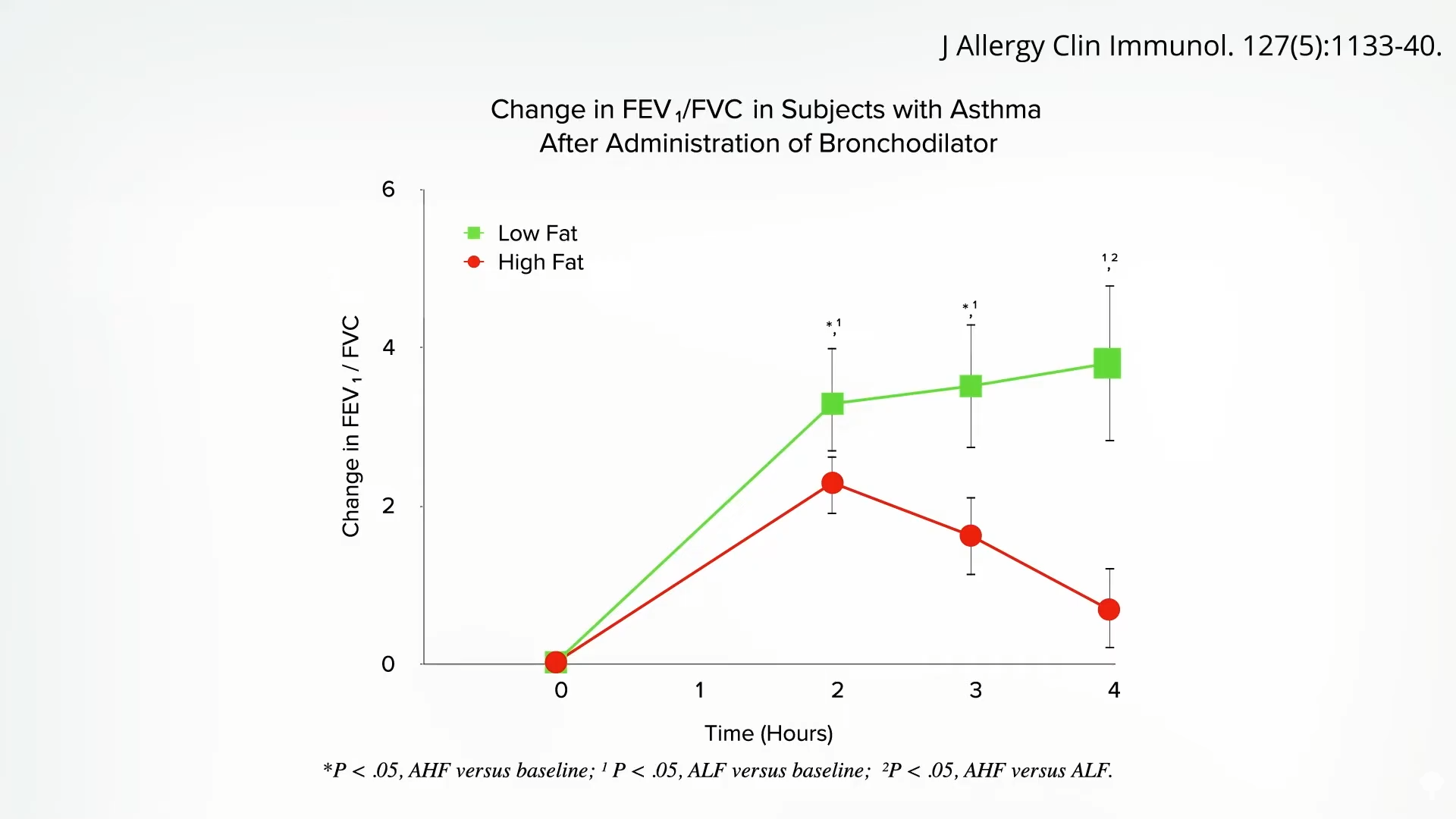
Even more concerning was the effect on medication efficacy. When patients were administered their standard bronchodilator (albuterol/Ventolin) following a high-fat meal, the medication’s effectiveness was blunted. The inflammation caused by the diet essentially "choked" the airways to a degree that the standard therapeutic dose could no longer effectively open them. This finding was not limited to asthmatics; individuals without pre-existing lung conditions showed similar spikes in inflammatory markers after consuming high-fat meals, such as meat-heavy breakfast bowls.
Furthermore, there is a clear mechanism linking this diet to atherosclerosis. Within hours of a high-fat meal, there is a significant increase in oxidized LDL cholesterol. White blood cells, specifically macrophages, ingest this oxidized LDL, transforming into "foam cells." These foam cells are the fundamental building blocks of the plaque that builds up in artery walls, eventually rupturing to cause heart attacks.
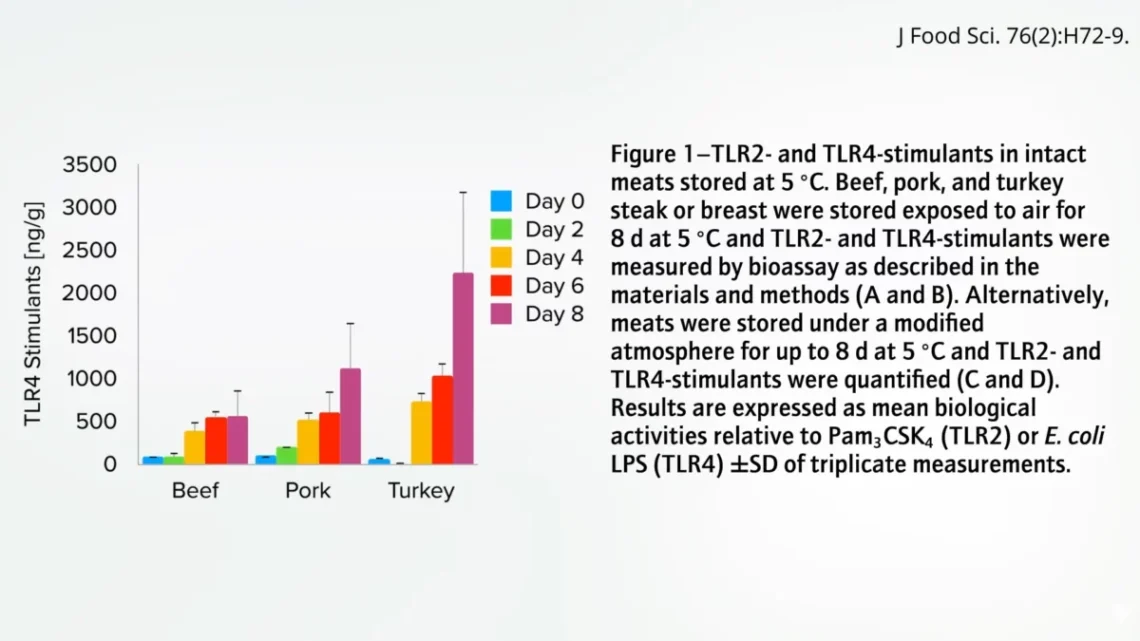
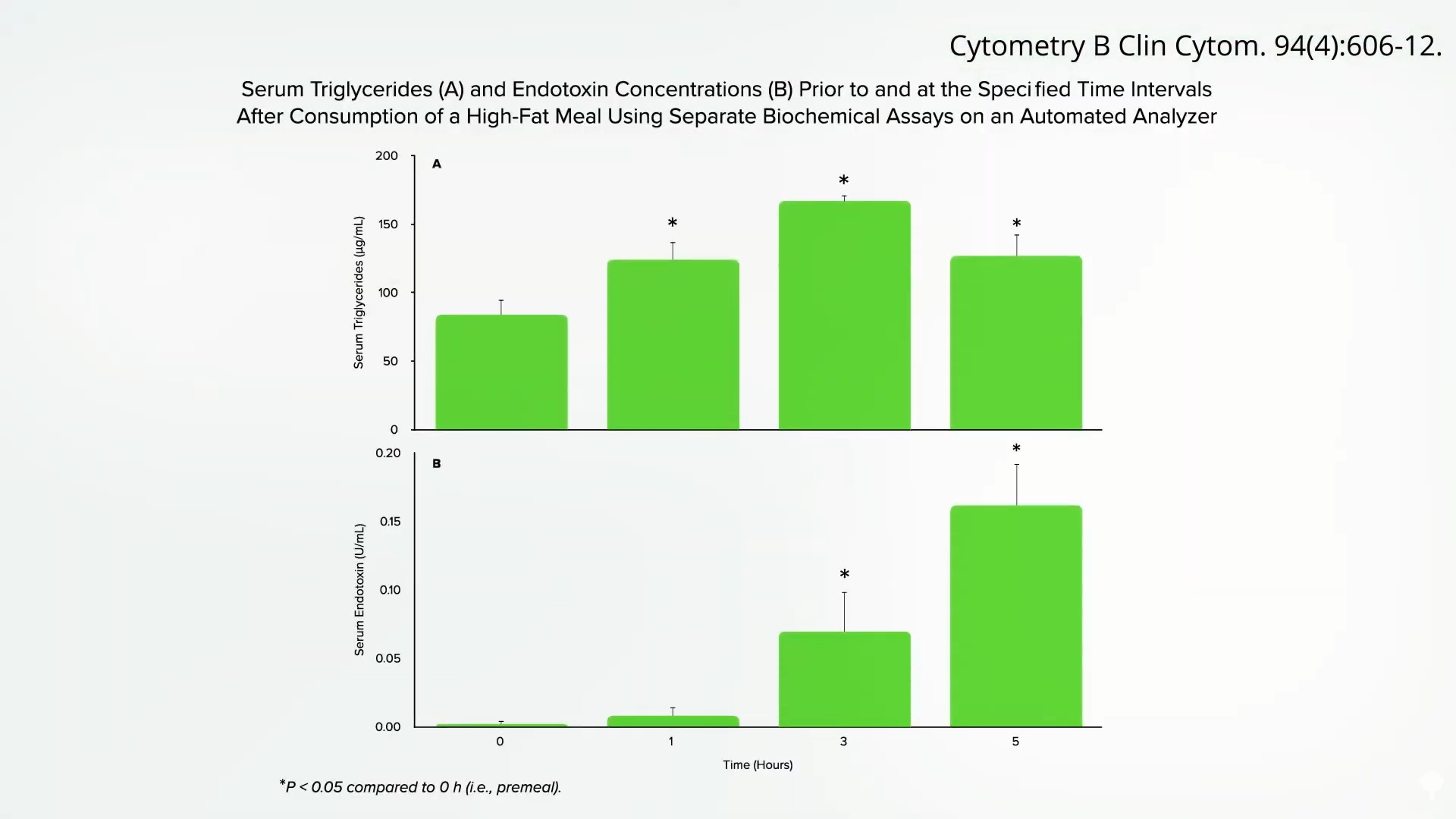
The presence of endotoxins—components of bacterial cell walls found in animal products—further complicates the issue. Meat, whether red or white, can be heavily contaminated with both live and dead bacteria. When these endotoxins enter the bloodstream, they trigger an immune response that mimics an infection, further exacerbating systemic inflammation. While recent 2020 research suggests that saturated fat itself may be the primary driver of this inflammation independent of endotoxins, the result remains the same: the diet directly promotes metabolic dysfunction.
Official Responses and Scientific Consensus
The medical community has spent decades debating the "saturated fat vs. carbohydrate" narrative. However, the consistent findings regarding postprandial inflammation have moved the conversation forward. Major health organizations now emphasize that the quality of fats and the overall dietary pattern are far more significant than the total fat percentage alone.
While some proponents of "butter is back" dietary trends argue that saturated fat is benign, the clinical evidence regarding immediate arterial impairment presents a sobering counter-argument. The physiological reality is that the body does not distinguish between "diet trends"—it responds to the chemical composition of the food. When the bloodstream is saturated with fats, the body initiates a defense mechanism that, over time, becomes a disease-causing process.
Implications: The Power of Choice
The implications of this research are both empowering and demanding. If we know that our arteries are being hammered every few hours by the composition of our meals, we gain the agency to alter that trajectory.
- Meal Composition Matters: Shifting toward whole, plant-based foods that are naturally low in saturated fats can help avoid the postprandial inflammatory spike.
- Frequency and Timing: Understanding that the body requires a recovery window between meals suggests that intermittent fasting or simply avoiding "grazing" on high-fat snacks can help reduce the total daily time spent in an inflammatory state.
- Protective Factors: Research is currently exploring how certain foods—rich in antioxidants and fiber—can act as a buffer, potentially protecting the endothelium from the damage typically caused by high-fat intake.
- Lifestyle Synergy: Regular physical activity has been shown to improve arterial compliance and may help mitigate some of the negative effects of occasional dietary indiscretions.
Conclusion: A New Way to Eat
The evidence is clear: the modern diet is a major contributor to the prevalence of chronic metabolic disease. By viewing every meal as a biological intervention, we can move away from the destructive cycle of postprandial inflammation. The goal is not merely to avoid heart disease or respiratory distress in the distant future, but to preserve the integrity of our cellular and arterial function every single day.
As we continue this series on saturated fat and fast food, the focus will shift toward practical solutions. In our upcoming reports, we will explore how specific types of exercise can help "shield" your arteries and which protective foods can be incorporated into your diet to mitigate the risks posed by the modern food environment. We are the architects of our own cardiovascular health, and the decisions we make at the dinner table are the blueprints for our future.