In the world of high-end espresso, the La Marzocco Linea Mini is a monolith of consistency. It is the gold standard for home enthusiasts and boutique café operators, a machine defined by its sturdy, boxy silhouette and industrial reliability. For years, the customization scene has played within these lines, swapping out wooden paddle accents or powder-coating panels in matte black. However, a new collaboration between Copenhagen-based fashion house Heliot Emil and the global café chain Joe & The Juice has shattered that paradigm.
This is not merely a modification; it is a total architectural deconstruction. Unveiled at Paris Men’s Fashion Week, this custom Linea Mini has been stripped of every vertical line, flat surface, and functional convenience, emerging as a sculptural object that challenges the very nature of coffee preparation.
The Genesis of a Sculptural Anomaly
The project represents a convergence of high-fashion sensibilities and utilitarian hospitality. Heliot Emil, a brand renowned for its dark, Scandinavian industrial aesthetic and technical fabrics, sought to apply its design language to an object that defines the morning ritual. To realize this vision, they partnered with Joe & The Juice, a brand that prides itself on high-energy, modern aesthetics.
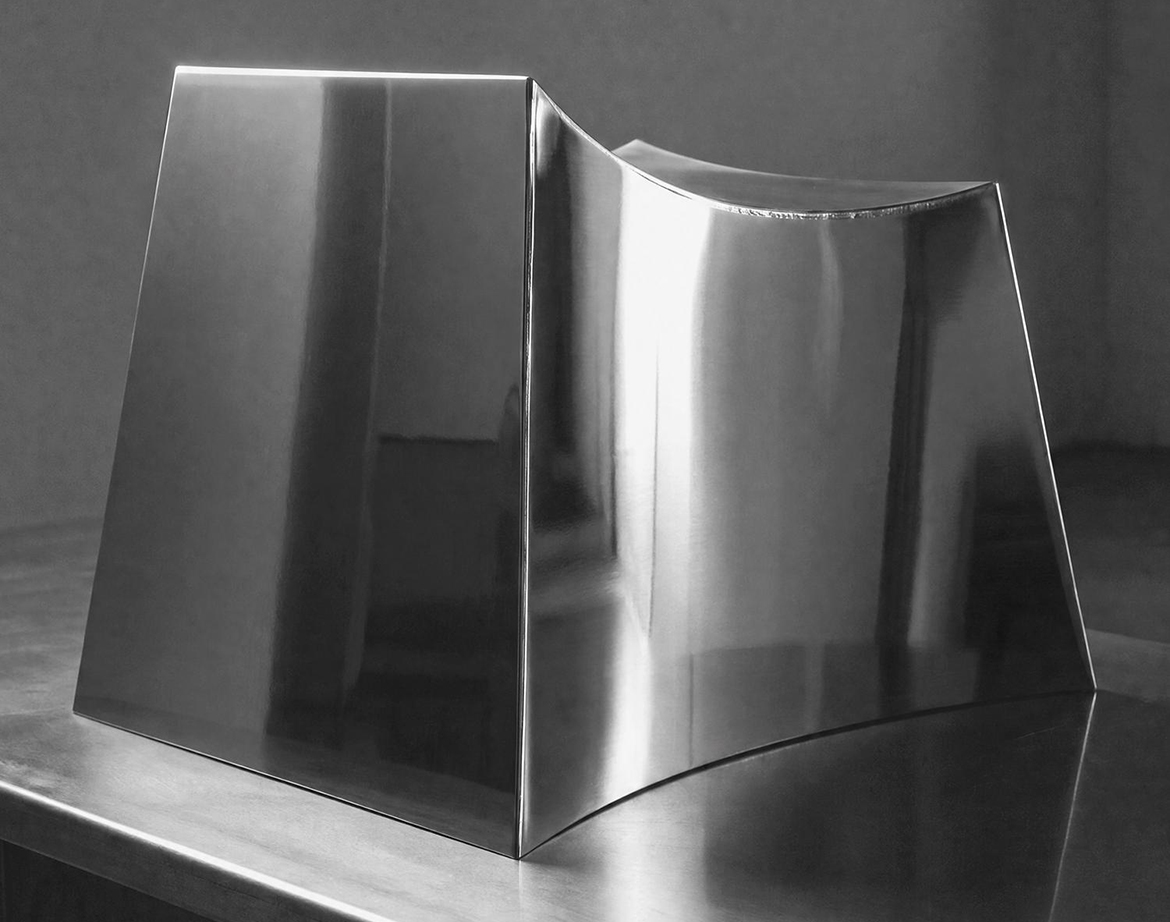
The fabrication process was entrusted to the Madrid-based design and manufacturing studio Caliper. Tasked with rehousing one of the most iconic internal systems in the industry, Caliper moved away from the standard stamped-metal box. The result is a polished stainless steel vessel that appears more like a piece of brutalist installation art than a kitchen appliance.
A Chronology of the Design Shift
- Conceptualization: Heliot Emil identifies the "espresso window"—the brief, ephemeral period when an extraction is at its peak—as the core philosophy for the project.
- Fabrication Phase: Caliper utilizes advanced CAD modeling and precision metalwork to create a chassis that abandons the standard Linea Mini footprint.
- The Reveal: The machine makes its public debut at Paris Men’s Fashion Week, signaling a departure from traditional "coffee trade show" marketing toward the high-fashion runway.
- Technical Integration: Internal components are meticulously recalibrated to fit the new, non-Euclidean housing, requiring custom-machined adjustment knobs and a redesigned drip tray.
The Philosophy of the "Espresso Window"
Perhaps the most radical aspect of this collaboration is its intentional defiance of utility. Traditional espresso machines are designed as workhorses; they have warming trays for cups, ample surface area for tampers, and storage for tools. This machine has none of those.
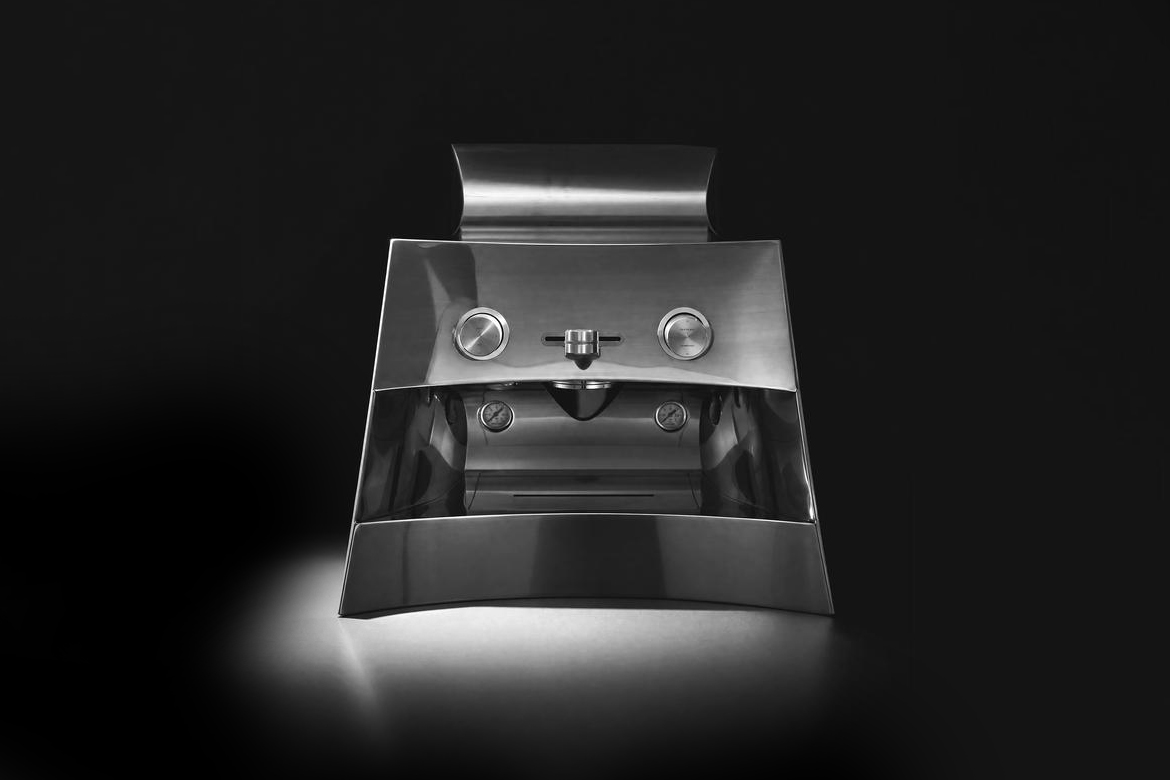
According to Heliot Emil’s design team, this omission is a deliberate provocation. By removing the cup-warming tray, the user is stripped of the ability to multitask. The machine forces a moment of stillness.
"Espresso has a window," the brand stated in a recent press release. "Two, maybe three minutes before the crema breaks and the temperature drops, before it stops being the coffee it was. The machine is built to protect that window. The shape is built to make sure you do not waste it. With nowhere to set the cup, you stay with the coffee for the only minutes it is truly perfect."
This is a manifesto against the "on-the-go" culture that Joe & The Juice typically serves. It is a slow-coffee intervention, demanding that the consumer respect the chemistry of the shot.
Technical Specifications and Design Pillars
Beneath the radical exterior, the machine retains the soul of the La Marzocco Linea Mini. It is, at its core, a professional-grade dual-boiler system. However, the external interface has been entirely overhauled to match the Heliot Emil brand identity.
The Four Pillars of Design
The machine features custom-machined adjustment knobs and an interface etched with four specific numbers: 07, 13, 25, and 34. These represent the foundational design pillars of the Heliot Emil brand:
- 07: Represents the structural integrity of the stainless steel alloy used in the housing.
- 13: Signifies the temporal aspect of the "espresso window."
- 25: Denotes the precision of the pressure regulation within the custom pump system.
- 34: Represents the fusion of high-fashion material science with traditional culinary hardware.
The paddle, usually a simple plastic or metal lever, has been replaced with a custom-machined piece that echoes the sharp, angular geometry of the chassis. Every screw, hinge, and crevice has been re-engineered to maintain a seamless, flowing surface that defies the traditional "box" aesthetic of the espresso world.
The Implications for Custom Coffee Hardware
The arrival of this machine raises significant questions about the future of café design. If an espresso machine can be treated as a high-fashion accessory—a piece of "runway equipment"—does the industry risk prioritizing form over function?
The Market Shift
For years, companies like Specht Design and Officine Fratelli Bambi have led the way in bespoke espresso modifications. Their work typically focuses on ergonomics, luxury materials (like walnut and brass), and aesthetic refinement. They respect the "La Marzocco" DNA. The Heliot Emil x Joe & The Juice collaboration, however, signals a new era of deconstructivist modification. It suggests that the future of coffee hardware may lie in the hands of external design houses rather than traditional engineering firms.
Industrial Reception
Industry insiders have been quick to note the risks associated with this design. The lack of a cup-warming tray is, from a barista’s perspective, a nightmare for efficiency. In a busy cafe environment, every square inch of the machine is prime real estate. Yet, by sacrificing this utility, the designers have created a "prestige piece" that elevates the act of coffee consumption to a ritualistic experience. It is a bold statement that says: If you want convenience, go elsewhere. If you want the perfect cup, stand here and wait.
Challenging the Brutalist Aesthetic
Visually, the machine is striking. The polished steel catches the light in ways that make the device appear to shift and morph, depending on the angle of the observer. It carries the weight of a brutalist architectural structure, yet it possesses a cold, futuristic elegance.
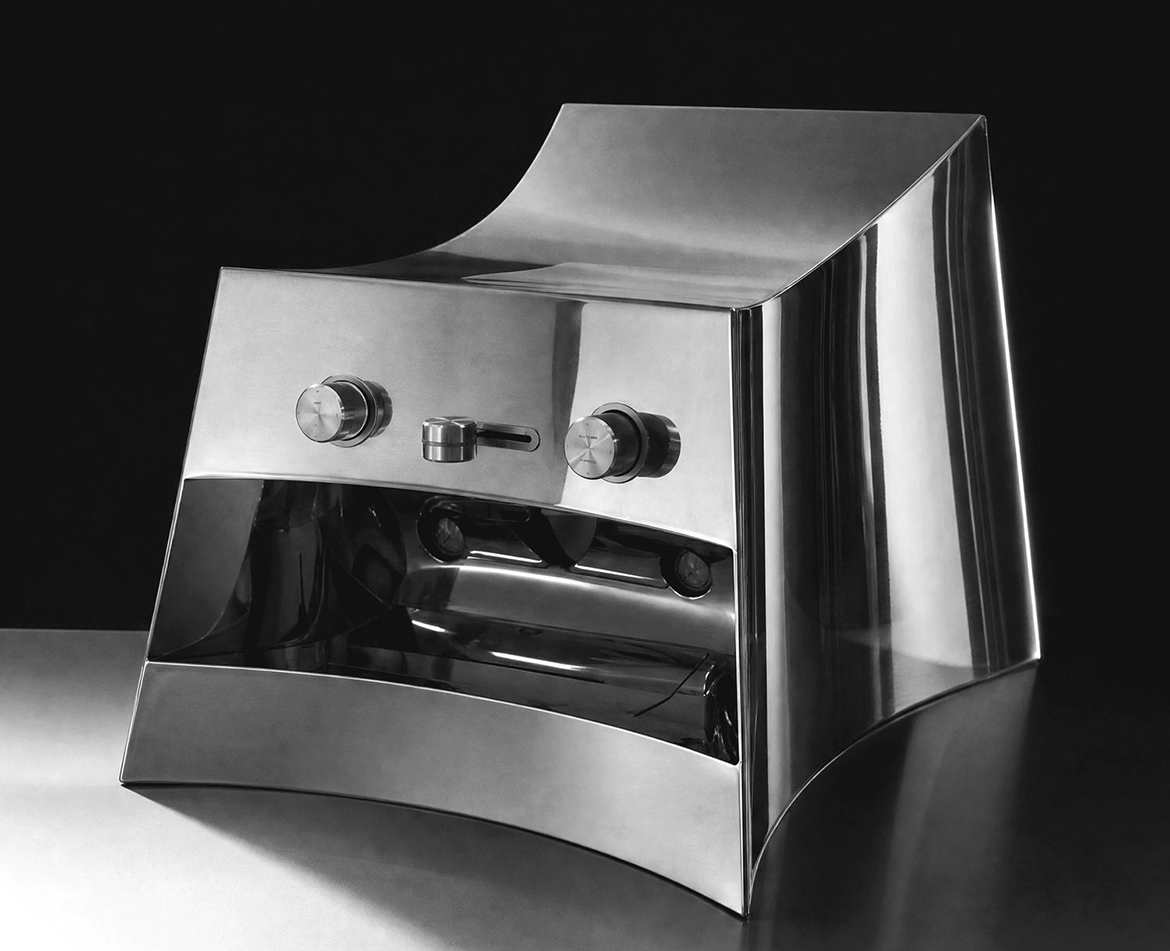
Critics have compared the design to the mid-century modern works of Le Corbusier or the avant-garde metalwork of contemporary designers like Rick Owens. It is, undeniably, a polarizing object. It is not designed to be "comfortable." It is designed to be experienced.
As we look toward the future of the "Build-Outs of Coffee" movement—where design is increasingly just as important as the beans themselves—the Heliot Emil machine stands as a high-water mark for the intersection of culture and caffeine.
Conclusion: A Moment of Perfection
In a world where everything is optimized for speed and efficiency, the Heliot Emil and Joe & The Juice Linea Mini is a refreshing, if slightly elitist, antithesis. It is a machine that demands your time. It is a machine that refuses to serve as a shelf for your clutter.
Whether or not this design will influence the broader market remains to be seen. It is unlikely that we will see "non-Euclidean" espresso machines in every corner cafe, but we will likely see more brands experimenting with the meaning of their equipment.
For the coffee aficionado, this project serves as a reminder: the quality of the beverage is not just about the grind, the roast, or the temperature. It is about the environment in which the beverage is prepared. By forcing the user to stop, to wait, and to engage with the machine, Heliot Emil and Joe & The Juice have not just customized a piece of hardware; they have curated a fleeting, perfect moment of human experience.
As the coffee industry continues to evolve, we can only hope that more collaborations embrace this level of daring. After all, if we are to spend three minutes waiting for the perfect pull, shouldn’t the machine we use be just as compelling as the coffee itself?