For decades, the medical community has focused on the long-term, cumulative effects of a poor diet—chronic conditions like heart disease, obesity, and hypertension that develop over years of sub-optimal eating. However, recent clinical research is shifting the spotlight toward a more immediate, alarming reality: our arteries sustain measurable, acute damage within mere hours of consuming a single unhealthy meal.
The physiological toll of high-fat, high-sodium fast food is not a distant threat; it is an active, ongoing process that compromises our cardiovascular system every time we choose convenience over nutrition.
The Main Facts: A Window into Vascular Dysfunction
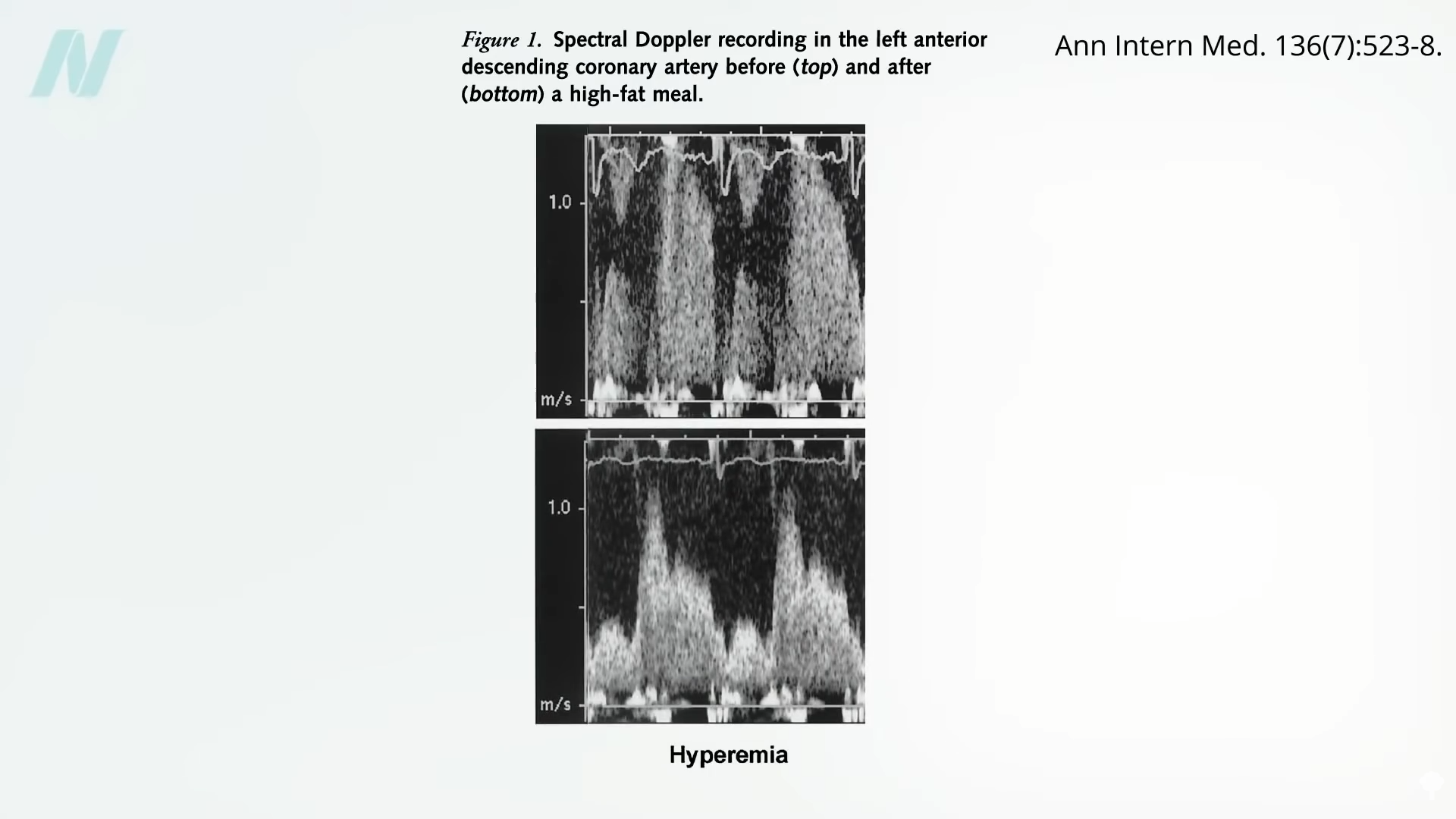
The human body is remarkably resilient, but it has limits. When we consume a meal heavy in saturated fats and excessive salt, we trigger a cascade of negative vascular events. Chief among these is the impairment of coronary flow reserve—the heart’s critical ability to expand its vessels and increase blood flow when the body is under stress.
When you consume a high-fat meal—defined in clinical studies as containing more than 60% fat, with a significant portion being saturated—the blood vessels struggle to function normally. Doppler ultrasound imaging of the left anterior descending coronary artery (often grimly referred to as the "widow-maker") demonstrates this phenomenon clearly. Within hours of a high-fat meal, the artery’s signal strength is visibly "squeezed," indicating a reduction in the heart’s ability to compensate for existing blockages.
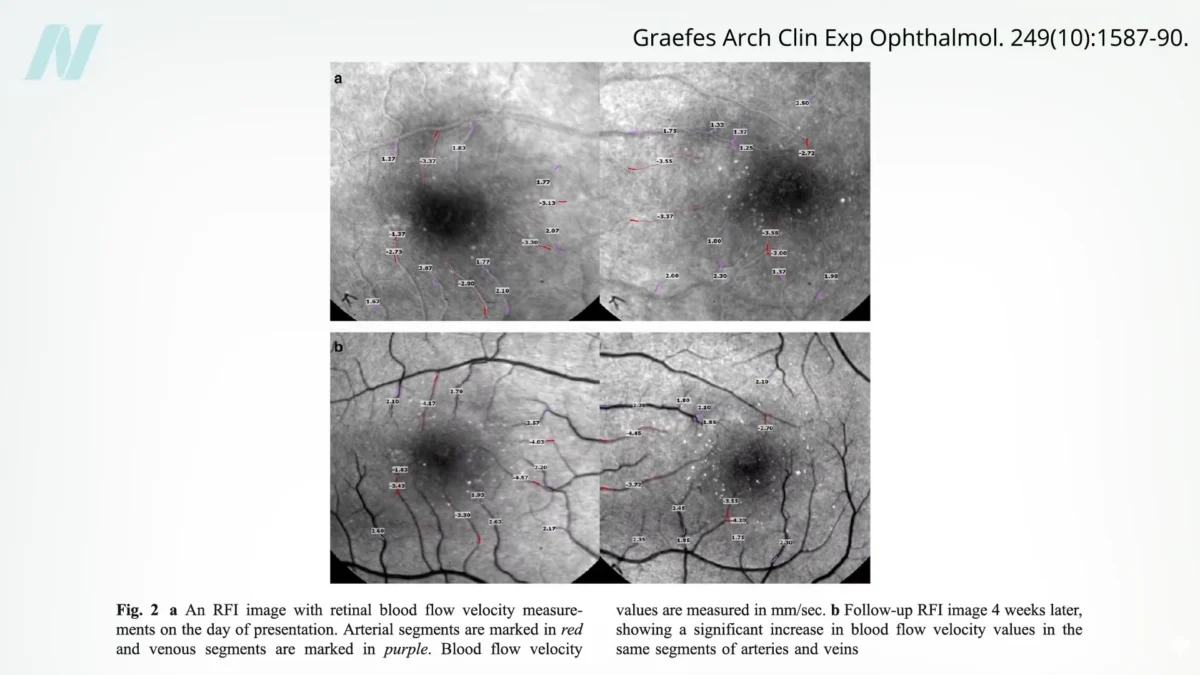
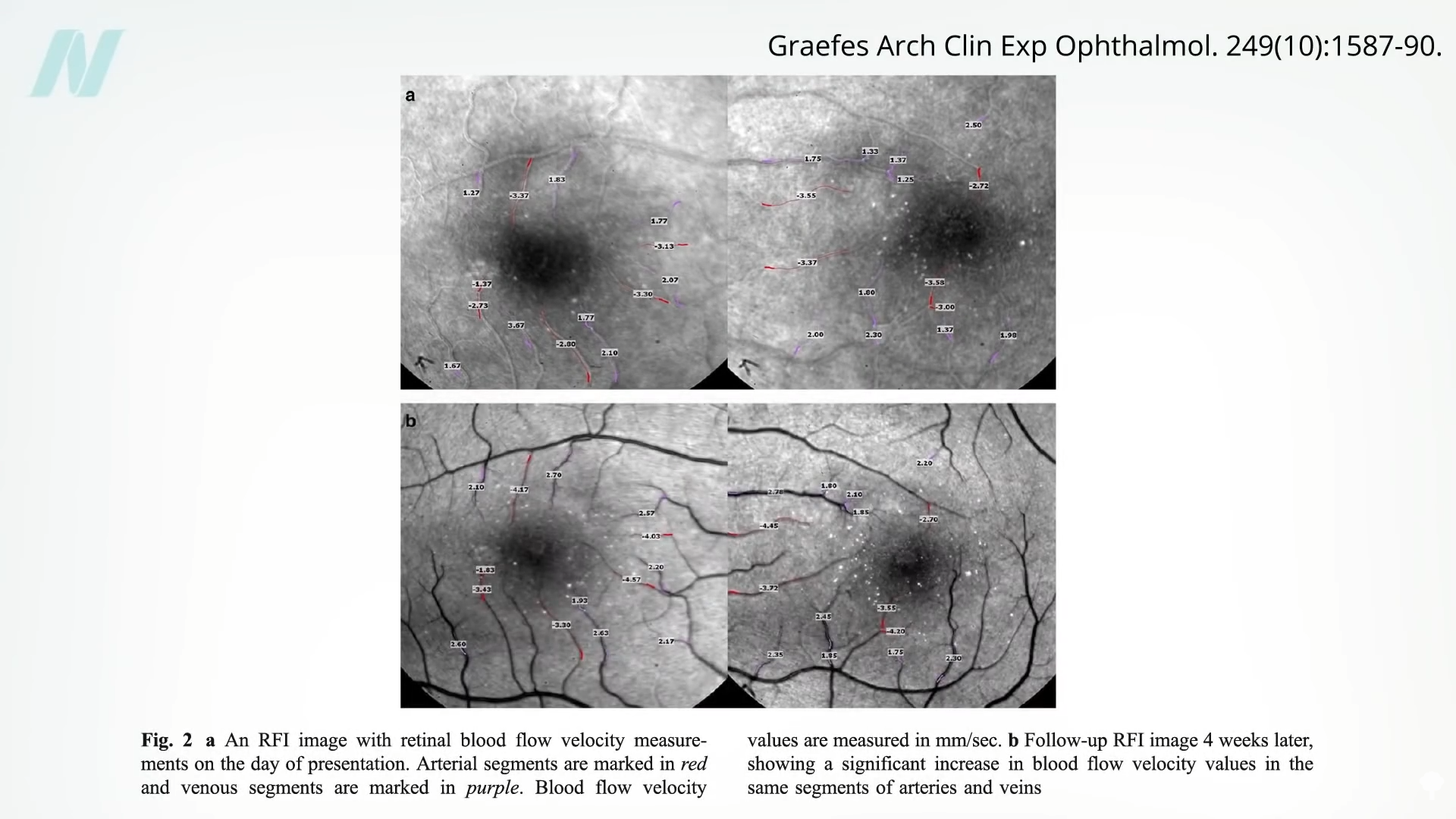
This is not merely a theoretical risk. In extreme cases, the lipid content in the blood becomes so high that it is visible to the naked eye. Ophthalmological examinations have revealed that after a high-fat meal, blood vessels in the retina can appear milky, resembling a milkshake due to the high concentration of fat circulating through the bloodstream.

Chronology: The Hourly Breakdown of Arterial Stress
Understanding the "damage timeline" is essential for grasping the urgency of the issue.
The Immediate Aftermath (0–2 Hours)
Upon ingestion of a high-fat, high-sodium meal, the body begins the process of digestion and nutrient absorption. Within the first hour, the blood pressure—even in individuals who consider themselves "salt-resistant"—begins to show signs of endothelial dysfunction. The lining of the arteries, known as the endothelium, loses its flexibility. The presence of excess sodium in the blood forces the body to retain water, but more importantly, it directly interferes with the endothelium’s ability to release nitric oxide, the molecule responsible for keeping vessels dilated and healthy.
The Peak of Impairment (2–5 Hours)
Between two and five hours post-ingestion, the "postprandial" (after-meal) effect is at its zenith. During this window, inflammatory markers spike. The blood becomes hyper-viscous, and the coronary flow reserve is at its lowest. If the individual remains sedentary during this period, the damage is compounded. The heart is effectively working harder to pump blood through stiffer, less responsive vessels.
The Recovery Window (5+ Hours)
The body attempts to clear the circulating lipids and excess sodium. However, if the diet remains consistently poor, the "recovery" is incomplete. The vessels never return to their baseline level of health before the next meal occurs, creating a cycle of constant, low-grade vascular inflammation.
Supporting Data: Why "Salt-Resistant" is a Myth
One of the most persistent misconceptions in public health is the idea that "salt-resistant" individuals are immune to the dangers of sodium. Research has consistently shown this to be false.
While "salt-sensitive" individuals may experience a more dramatic spike in blood pressure, both groups suffer from impaired arterial function when consuming high levels of dietary sodium. Studies comparing low-salt and high-salt diets indicate that arterial flexibility decreases significantly in both populations. This suggests that the cardiovascular threat posed by sodium is independent of its effect on blood pressure—it is an intrinsic vascular toxin.
Furthermore, the caloric equivalence of a meal does not protect the heart. Researchers comparing a high-fat meal (60% fat) to a low-fat meal (10% fat) with the same total caloric intake found that only the high-fat meal resulted in a decrease in coronary flow reserve. The source of the calories matters far more than the quantity when it comes to immediate vascular protection.
Official Responses and Scientific Consensus
The scientific consensus regarding the dangers of high-fat, high-sodium diets is robust, though often drowned out by industry-funded dissent. Organizations like the American Heart Association (AHA) recommend keeping sodium intake below 1,500 mg per day. Yet, a single "Big Breakfast" meal from a major fast-food chain can easily exceed 2,000 mg of sodium—more than a full day’s allowance in one sitting.
While some industry-backed researchers have attempted to cast doubt on the necessity of aggressive salt reduction, the broader body of peer-reviewed evidence remains firm. The consensus is that sodium, much like saturated fat, acts as a primary antagonist to vascular health. The "real villain" is the dietary pattern that prioritizes processed, ultra-refined foods over whole, nutrient-dense alternatives.
Implications: The "Exercise Window" and Lifestyle Strategies
The most critical takeaway from recent research is that we are not entirely helpless. While the best course of action is to avoid these high-fat, high-sodium meals entirely, there is a narrow physiological window where physical activity can mitigate some of the damage.
The Exercise Buffer
Studies suggest that acute exercise—specifically about an hour of moderate-intensity activity—can help "clear out" some of the circulating fat after a meal. This is known as improving postprandial lipemia. However, the timing is strict: the benefit is most effective if the exercise occurs within 18 hours before or 90 minutes after the meal.
The Stair-Climbing Protocol
In a compelling study involving a high-fat breakfast, researchers found that participants who remained sedentary suffered significant arterial degradation. In contrast, those who performed as little as 20 minutes of stair climbing—broken into five-minute intervals every hour over a four-hour period—did not see the same level of arterial impairment. This suggests that "exercise snacking" or frequent movement throughout the day can serve as an accessible, highly effective strategy to protect vascular function.
Long-Term Perspective
While stair climbing and moderate exercise offer a lifeline, they should not be viewed as a "license" to consume unhealthy food. The inflammation and oxidative stress caused by a single fast-food meal are significant. Relying on exercise to offset the damage of a poor diet is akin to trying to bail water out of a sinking boat; it is far more efficient to stop the leak at the source.
Conclusion
The evidence is clear: the health of our arteries is a reflection of our most recent decisions. Every meal initiates a biological response that either supports or compromises our cardiovascular integrity. While the human body possesses a remarkable, albeit short-lived, ability to recover from poor choices through physical activity, this should not replace the primary strategy of preventative nutrition.
By choosing to limit saturated fat and sodium, and by maintaining consistent, frequent movement throughout the day, we can preserve the health of our coronary arteries. The "widow-maker" is not just a clinical term; it is a reminder of the fragility of our systems and the power we hold to protect them through the daily, deliberate choice of what we put on our plates. As we continue this series on cardiovascular health, the message remains the same: your arteries are listening to your lifestyle choices, and they are responding in real-time.