For millions of people worldwide, watching their hairline recede or their part widen is a disheartening rite of passage. Androgenic alopecia—more commonly known as male pattern baldness or female pattern hair loss—remains one of the most persistent chronic dermatological problems clinicians face. Characterized by progressive hair thinning primarily across the central scalp, it drives a multi-billion-dollar global industry of topical foams, prescription pills, and unverified supplements.
Yet, while much of the public discourse focuses on pharmaceutical interventions or topical chemical treatments, an emerging body of scientific literature points toward a surprisingly accessible intervention: the dinner plate. Recent clinical trials and population studies suggest that everyday dietary components—specifically hot peppers, soy products, and pumpkin seeds—alongside a healthy gut microbiome, may play a profound and underappreciated role in defending against hair loss.
1. Main Facts: The Intersection of Diet, Microbes, and Hair Follicles
To understand how food influences hair growth, researchers are increasingly looking beyond surface-level treatments and examining systemic health markers, starting in the gut.
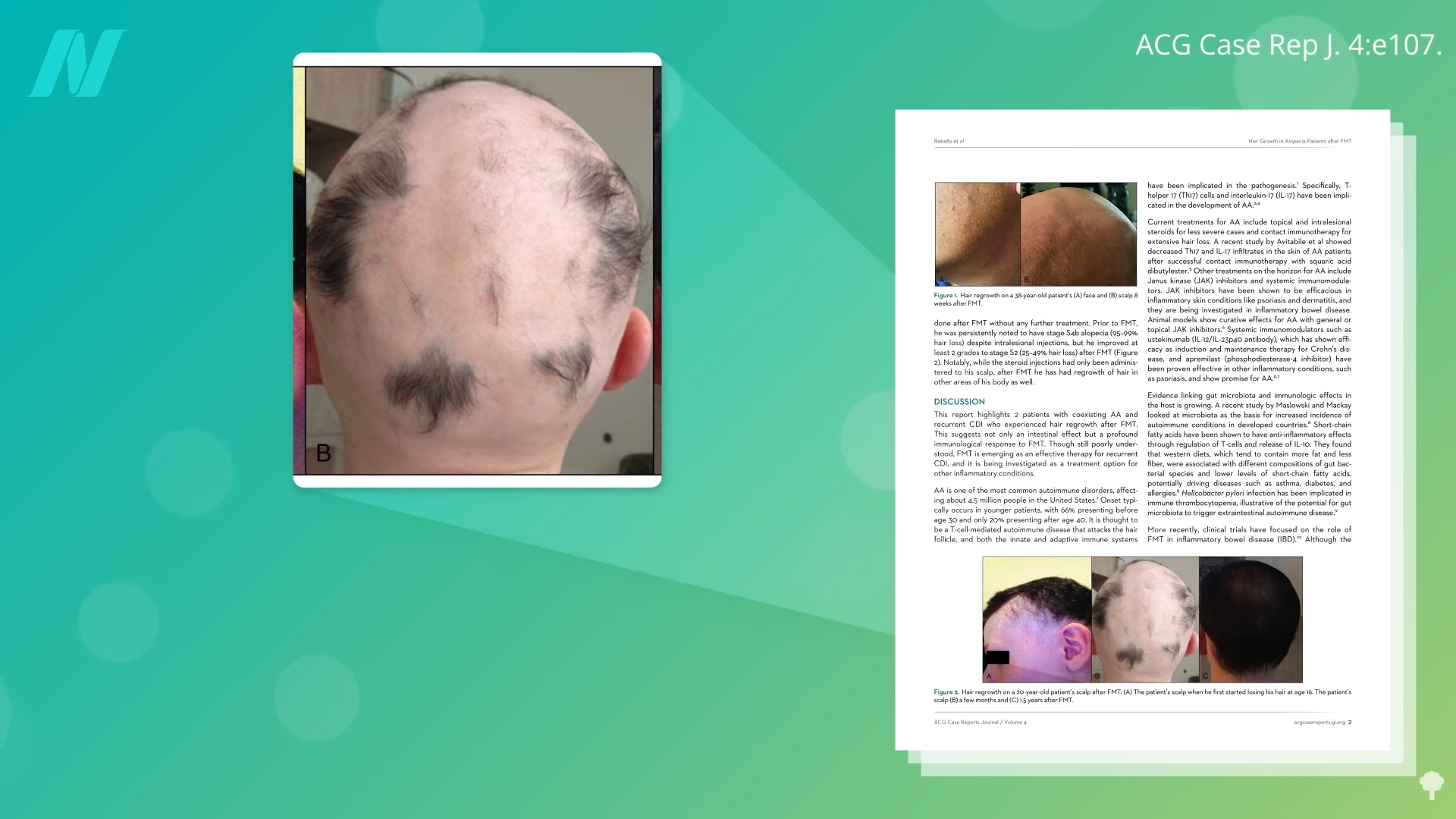
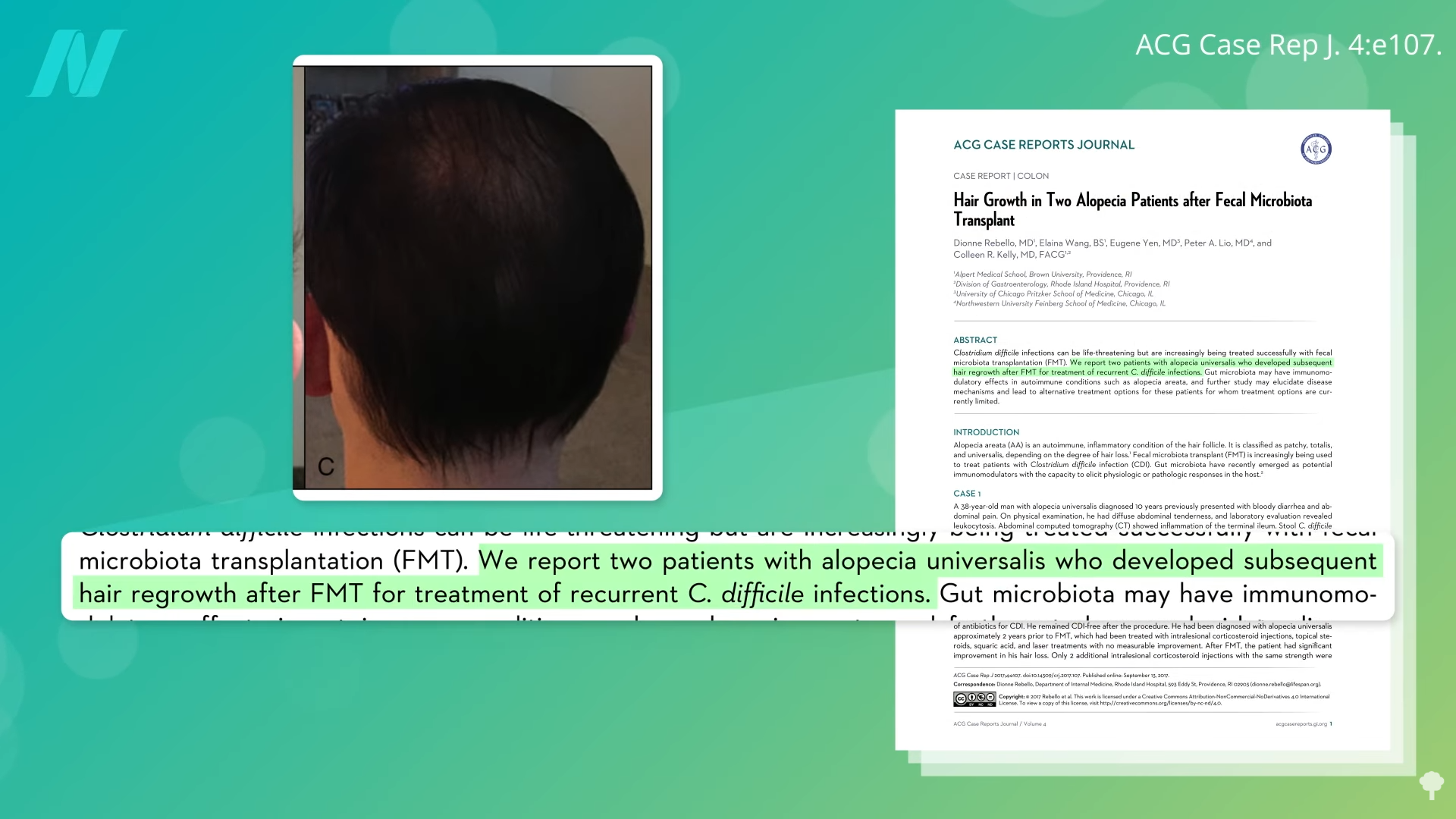
The human microbiome’s immense power over bodily systems is perhaps nowhere more vividly highlighted than in extraordinary case reports involving fecal microbiota transplants. In clinical experiments originally designed to treat severe gastrointestinal conditions, researchers observed unexpected side effects in patients suffering from alopecia totalis—a condition marked by total scalp hair loss. Following the introduction of a donor fecal slurry into a patient’s colon, a totally bald individual began experiencing robust hair regrowth just months later. A little more than a year post-procedure, the patient’s hair had completely regrown. While drinking "brown smoothies" is not a recommended medical therapy, the clinical takeaway is profound: maintaining a flourishing, diverse population of beneficial gut bacteria has tangible, systemic downstream effects on skin and hair health.
Beyond the microbiome, large-scale population studies highlight distinct dietary divides when it comes to hair retention. Male pattern baldness, for instance, has been consistently associated with poor sleeping habits, high stress, and diets rich in meat and processed junk foods. Conversely, protective associations have emerged for individuals who frequently consume raw vegetables, fresh herbs, and soy beverages. Data indicates that consuming soy products on a weekly basis is associated with a striking 62% lower odds of moderate to severe hair loss. This disparity raises a compelling hypothesis: specific bioactive compounds found abundantly in plants may act as natural buffers against the biochemical pathways driving hair miniaturization.
2. Chronology: The Evolution of Nutritional and Microbiome Research in Alopecia
The investigation into dietary and natural remedies for hair loss has evolved significantly over the past two decades, shifting from speculative anecdotal claims to rigorous, randomized controlled trials.
- Early 2000s: Alternative and complementary medicine practitioners begin widely promoting natural compounds, though much of the early literature relies heavily on anecdotal reports, unverified marketing claims, or animal models—such as observing hair changes after applying bee venom to shaved rodents.
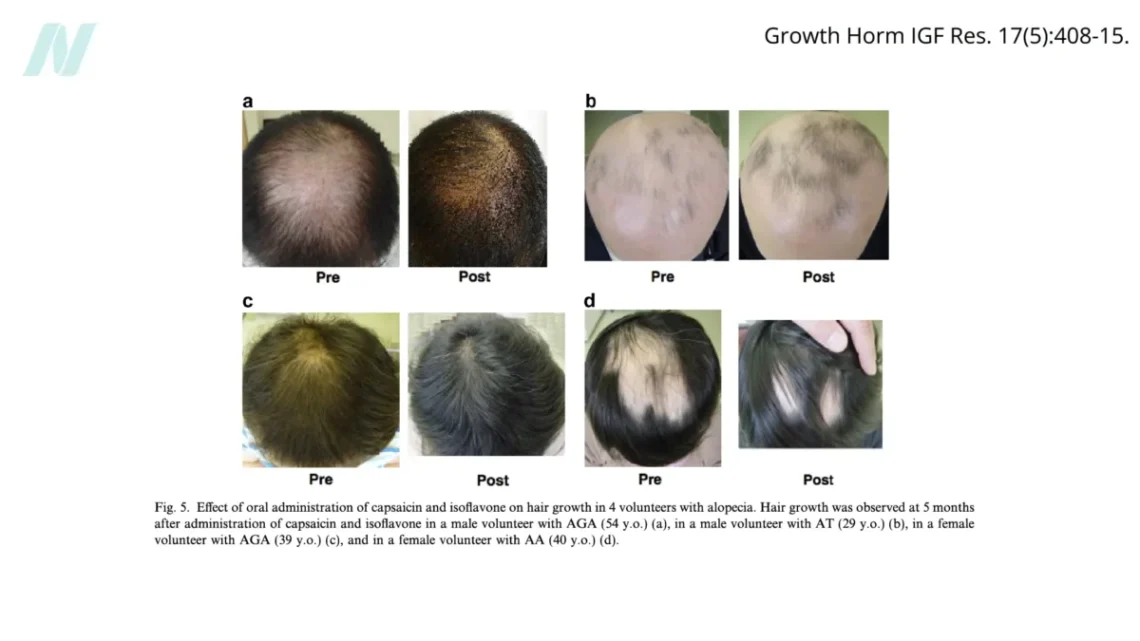
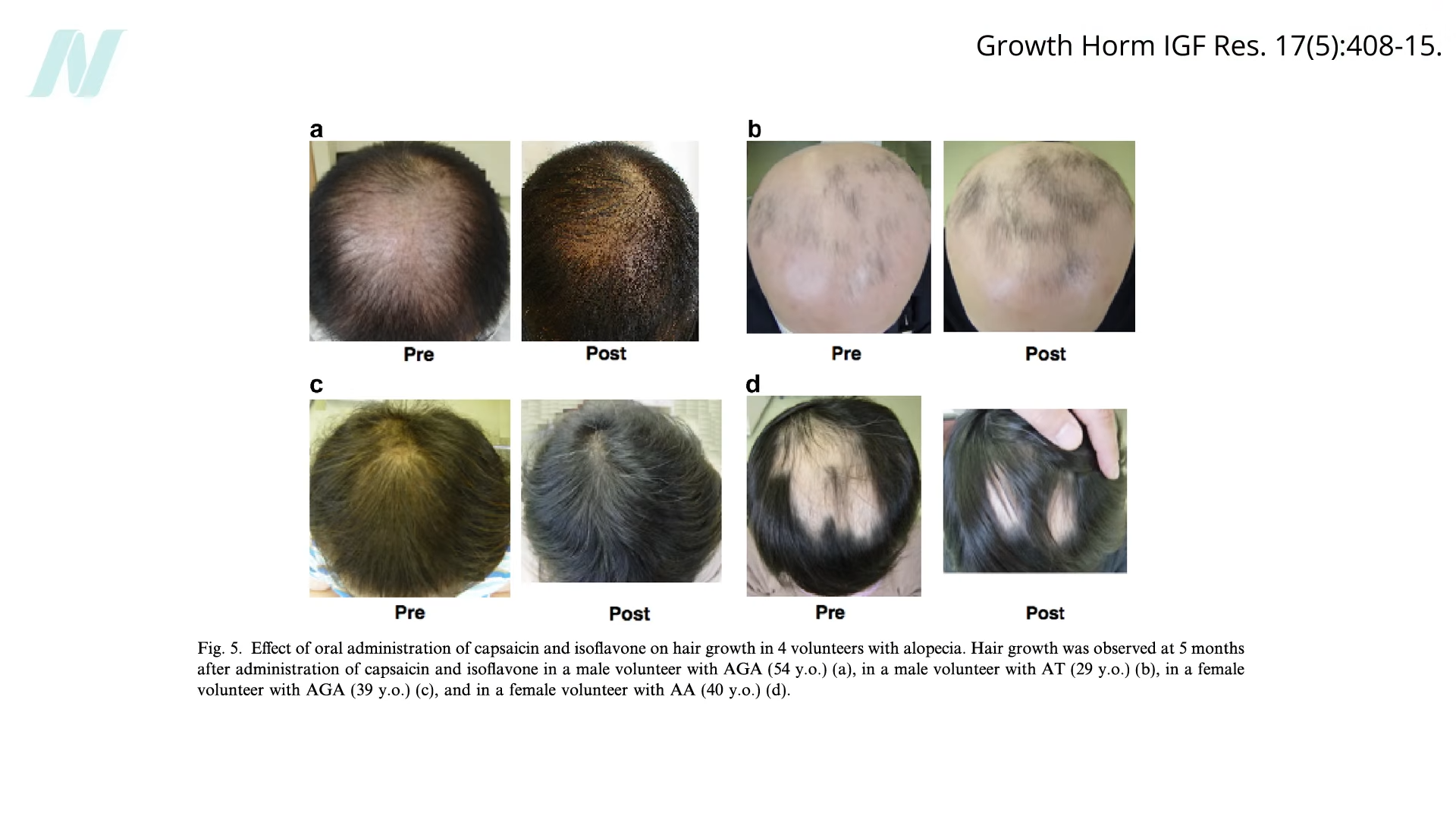
- 2007: Clinical researchers publish a landmark randomized, double-blind, placebo-controlled trial investigating the synergistic hair-growth-promoting effects of specific compounds found in hot peppers (capsaicin) and soy (isoflavones) in humans.
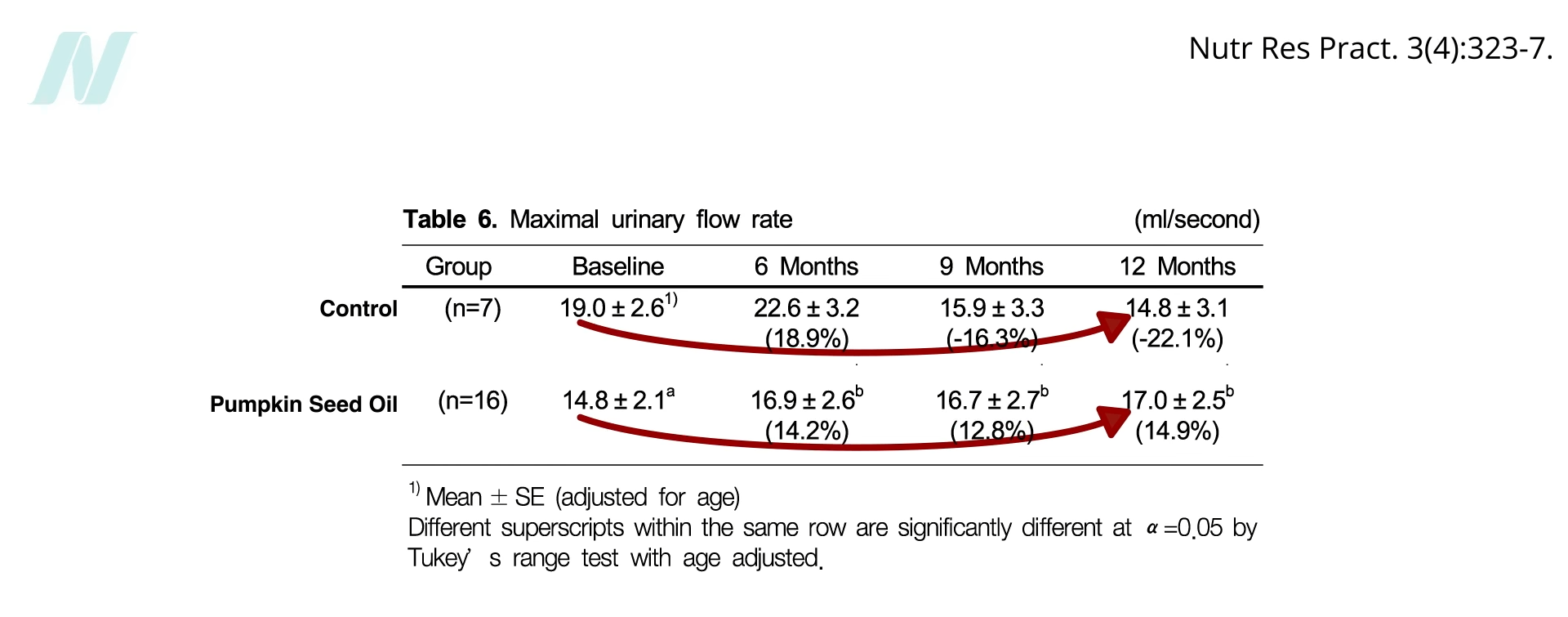
- 2009: A pivotal study out of South Korea demonstrates that pumpkin seed oil successfully improves urinary flow rates in men suffering from benign prostatic hyperplasia (BPH), signaling a distinct anti-androgenic effect that catches the attention of dermatological researchers.
- Late 2010s: Case studies emerge documenting unexpected hair regrowth in alopecia patients undergoing fecal microbiota transplants for unrelated gastrointestinal ailments, cementing the gut-skin axis as a legitimate field of study.
- 2014: A robust, randomized, double-blind, placebo-controlled trial explicitly tests pumpkin seed oil on human subjects with male pattern baldness, moving natural treatments from speculative folklore into evidence-based dermatology.
3. Supporting Data: What the Clinical Trials Reveal
Navigating the landscape of alternative medicine requires looking past slick marketing claims to critically evaluate clinical data. Many alternative therapies fail under scientific scrutiny due to a lack of placebo controls or reliance on animal subjects. However, a select group of human clinical trials stands up to rigorous scientific standards.
The Power of Capsaicin and Isoflavones
A randomized, double-blind, placebo-controlled study evaluated the impact of combining capsaicin (the active compound in hot peppers) and isoflavones (found in soy) on human hair growth. The results demonstrated significantly higher rates of hair growth promotion in the treatment group compared to the placebo cohort.
The dosages utilized in the trial translate remarkably well to everyday culinary choices:
- Capsaicin: Participants ingested 6 milligrams per day. This exact amount can be found in just one-quarter of a fresh jalapeño pepper.
- Isoflavones: Participants ingested 75 milligrams per day. This dosage equates to roughly three-quarters of a cup of tempeh or whole soybeans.
(Note: While dry-roasted soy nuts offer a concentrated source of isoflavones, health experts caution against routinely consuming high-fat, high-protein nuts and seeds roasted at very high temperatures due to the formation of advanced glycation end-products [AGEs].)
The Pumpkin Seed Oil Breakthrough
Building on the 2009 South Korean finding that small daily doses of pumpkin seed oil could alleviate prostate enlargement—suggesting an ability to modulate androgen pathways—researchers designed a 24-week, randomized, double-blind, placebo-controlled trial involving 76 men with male pattern baldness.
Participants received either 400 milligrams of pumpkin seed oil daily (roughly equivalent to eating two to two-and-a-half pumpkin seeds) or a placebo. The results were striking:
- After 24 weeks, men in the pumpkin seed oil group reported higher self-rated improvement and satisfaction scores.
- Objectively, the treatment group experienced a 40% increase in hair counts, compared to just a 10% increase in the placebo group.
- Blinded investigators evaluating photographic evidence noted that while the placebo group worsened over time, 95% of the pumpkin seed oil group were rated as unchanged or improved.
- Crucially, monitoring via an erectile dysfunction index confirmed no evidence of sexual side effects—a common concern with conventional anti-androgen hair loss medications.
4. Official Responses and Medical Consensus
Dermatologists and endocrinologists maintain a cautious yet increasingly open-minded stance regarding the integration of nutritional science into hair loss treatments. Conventional medicine has long relied on established pharmacological agents, such as minoxidil and 5-alpha-reductase inhibitors, which come with well-documented profiles of potential systemic side effects, including sexual dysfunction and mood changes.
Medical boards emphasize that while plant-based interventions like capsaicin, soy isoflavones, and pumpkin seed oil show statistically significant promise in clinical trials, they should be viewed as complementary strategies rather than overnight "cures." Dermatologists stress the importance of patient safety: clinical trials confirming the absence of adverse sexual side effects in pumpkin seed oil trials provide reassuring data for patients hesitant to use pharmaceutical alternatives.
At the same time, nutritional experts urge the medical community to pay closer attention to lifestyle factors. Sleep hygiene, minimization of processed junk foods, and the incorporation of antioxidant-rich raw vegetables and herbs are increasingly recognized as foundational pillars in preserving follicular health and reducing systemic inflammation.
5. Implications for Consumers and Future Research
The validation of dietary components in mitigating hair loss shifts the paradigm of personal care from external management to internal wellness. For consumers struggling with thinning hair, these findings offer an empowering, cost-effective, and safe avenue to support scalp health without resorting to harsh chemicals or risky pharmaceuticals.
Practical Takeaways
- Spice it Up: Incorporating a modest amount of fresh hot peppers, such as jalapeños, into your weekly meals provides safe, clinically studied doses of capsaicin.
- Embrace Soy Sensibly: Adding whole soy foods like edamame, tofu, or tempeh to your diet on a regular basis may offer protective vascular and anti-androgenic benefits.
- Don’t Waste the Seeds: A small daily handful of pumpkin seeds—or a small, standardized dose of cold-pressed pumpkin seed oil—aligns with nutritional guidelines (such as Dr. Greger’s Daily Dozen recommendation for nuts and seeds) while offering targeted support for hair density.
- Nurture the Gut: Prioritizing a fiber-rich, plant-based diet supports a robust microbiome, keeping the gut-skin axis functioning optimally.
As researchers continue to unpack the complex molecular mechanisms connecting diet, microbial populations, and hair follicle preservation, the future of dermatology may rely just as heavily on the grocery cart as it does on the pharmacy shelf.