Introduction: The Late-Season Triumph of a Garden Staple
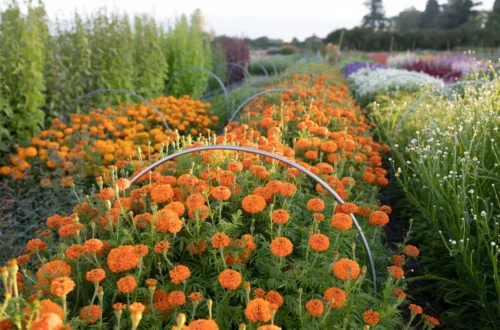
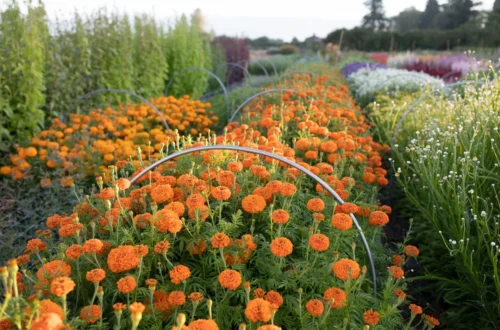
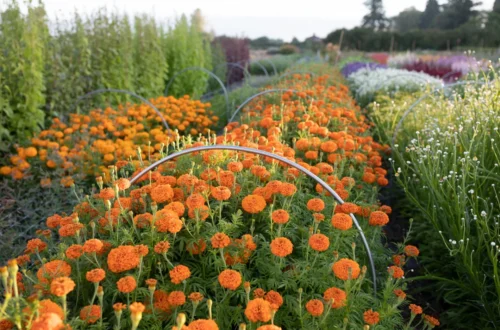
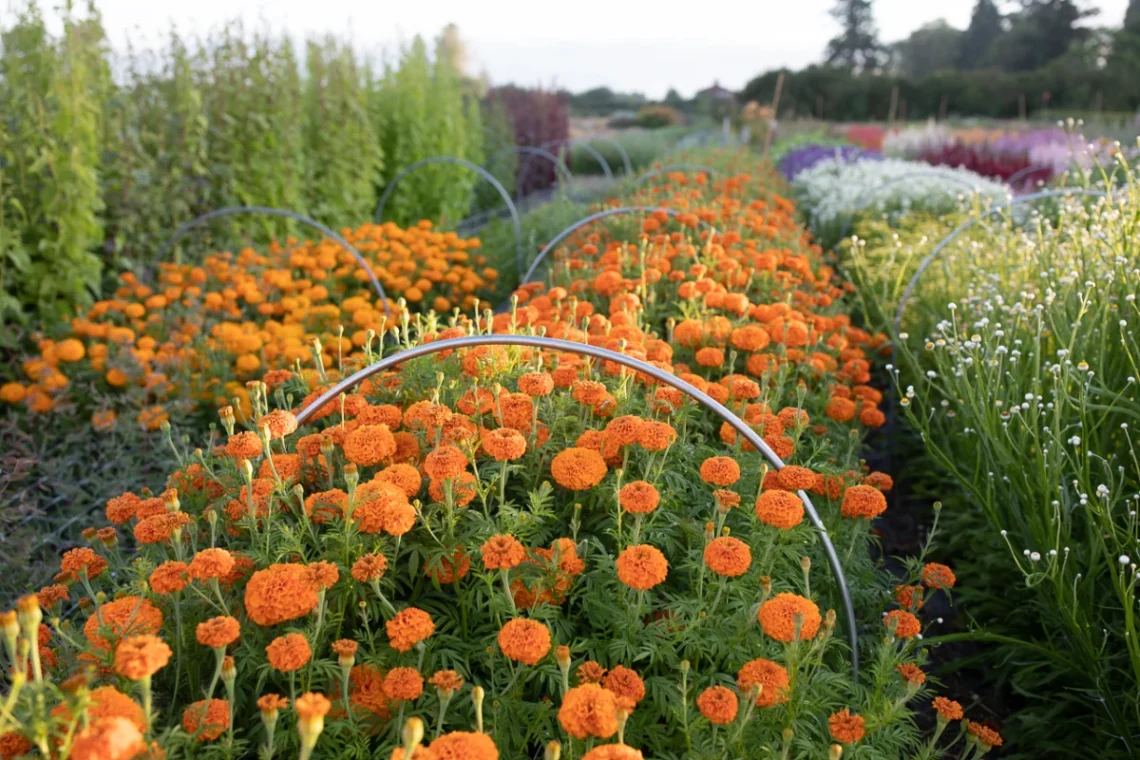
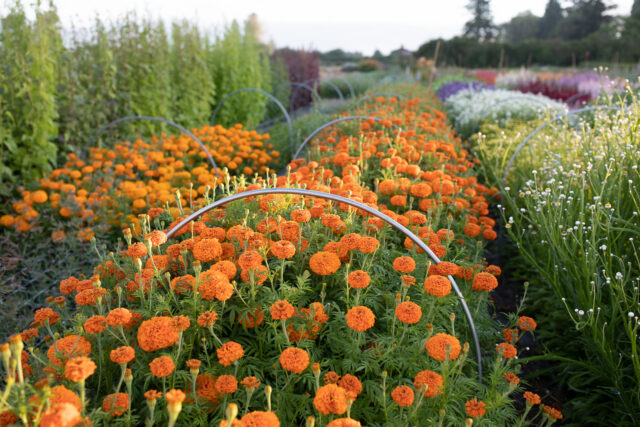
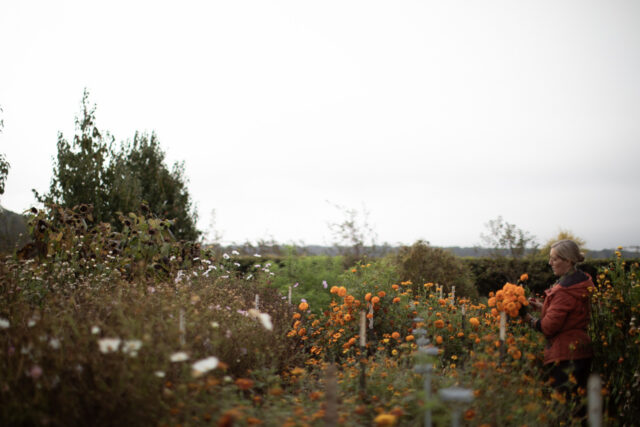
As autumn gently blankets the landscape, sending traditional summer gardens into a slow, tattered decline, one resilient botanical family stands defiant against the changing seasons. The marigold (Tagetes spp.) comes into its absolute prime just as other garden favorites begin to wane. While morning frosts threaten delicate annuals, marigold patches remain remarkably vibrant and cheerful, their brilliant pigments of saffron, gold, and burnt orange mirroring the shifting colors of the autumn landscape.
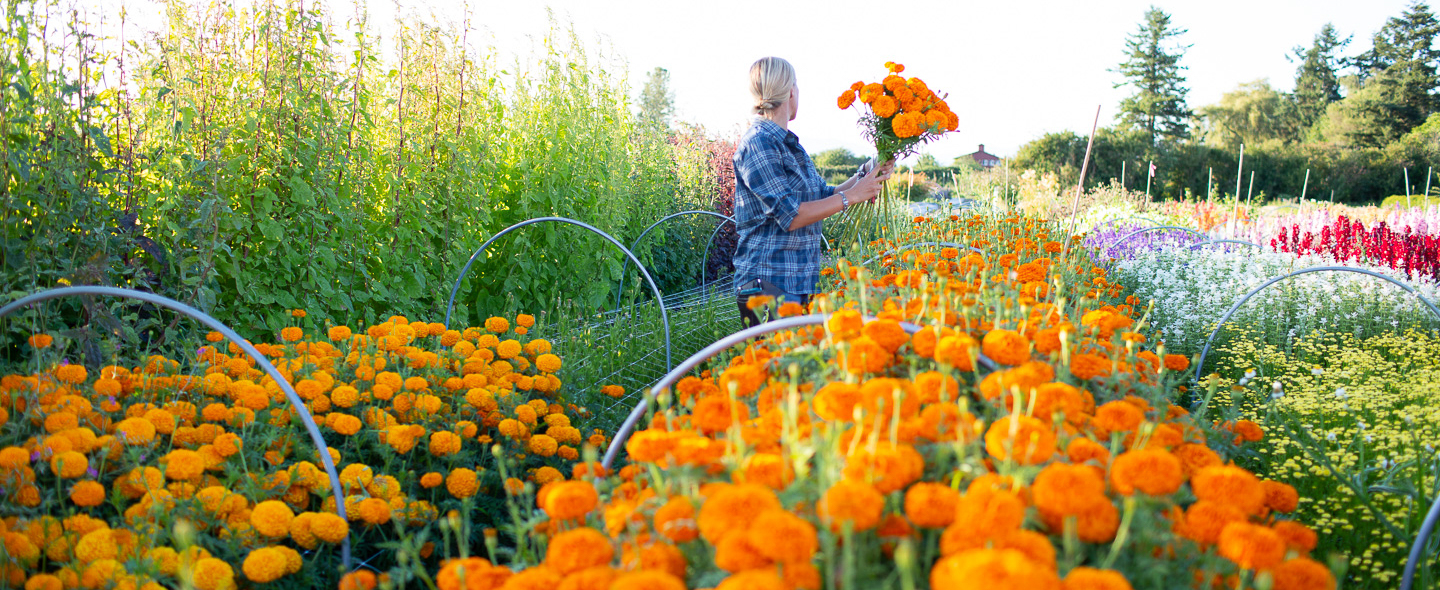
Unfazed by stormy autumn weather, harsh winds, and dipping temperatures, these tough, abundant-flowering plants continue to display healthy, rich foliage right up until the killing frost. Long dismissed by some modern designers as common or old-fashioned, marigolds are currently experiencing a profound horticultural renaissance. Driven by specialized small-farm breeding programs, cut-flower farmers and home gardeners alike are rediscovering the incredible diversity, hardiness, and utility of these versatile annuals.
Chronology and Evolution: From Wild Origins to Modern Cultivars
The history of the marigold is as rich and colorful as its petals. Native to the Americas—spanning from the Southwestern United States down through Mexico and into South America—marigolds have a deep cultural and agricultural history. Indigenous peoples utilized them for ceremonial purposes, medicinal remedies, and natural coloration long before European contact.
Over centuries, intensive breeding programs expanded the genus into three distinct horticultural groups: African marigolds (Tagetes erecta), characterized by large, globe-like blooms and tall statures; French marigolds (Tagetes patula), known for their compact habit and intricate bicolored patterns; and Gem or Signet marigolds (Tagetes tenuifolia), recognized by their miniature blooms and fine, citrus-scented foliage.
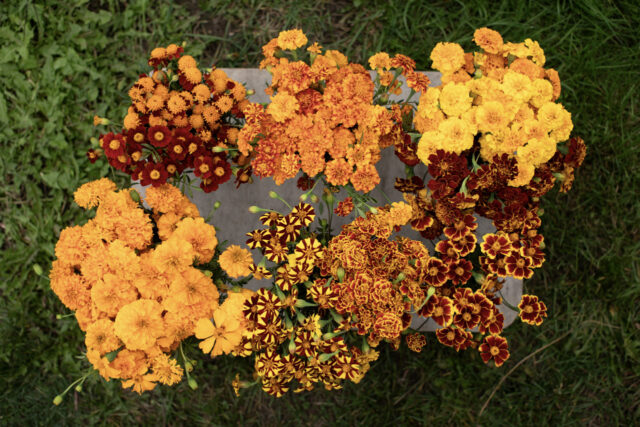
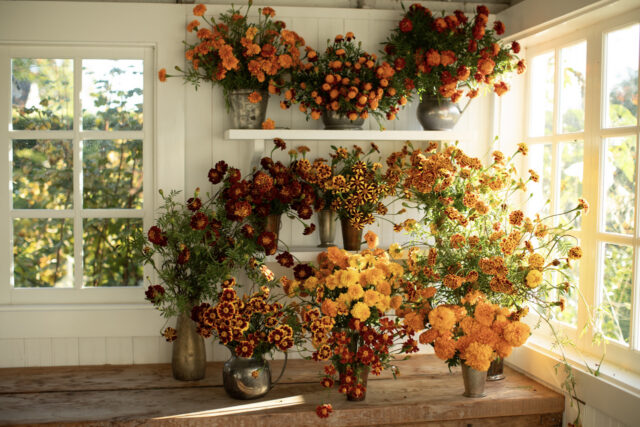
In recent decades, independent seed farms have pushed the envelope of marigold genetics even further. Notable among these is Peace Seedlings, an innovative Oregon-based seed farm operated by Mario and Dylana Kapuler (building upon earlier foundational work by Dylana’s parents at Peace Seeds). By successfully cross-breeding French and African varieties, these modern breeders have introduced a revolutionary class of marigolds. These new cultivars successfully combine the unique, intense color saturations and smaller flower structures of French marigolds with the robust growth habits, towering heights, and strong, long stems of African marigolds. The result is a stunning array of late-season cut-flower candidates that are fundamentally transforming how growers approach autumnal floral design.
Main Horticultural Facts: Cultivation and Management
Despite their sophisticated breeding, marigolds remain among the easiest and most forgiving plants to cultivate, making them ideal for both novice gardeners and commercial agricultural operations.
Sowing and Establishment
Marigolds are tender annuals that thrive in full sun and high heat.
- Indoor Sowing: For an early start, seeds can be started indoors in trays roughly four to six weeks before the final expected spring frost date.
- Direct Sowing: Alternatively, seeds can be direct-sown into the garden once the soil has completely warmed up and all danger of frost has passed.
Structural Support and Spacing
Growth habits vary drastically across the family:
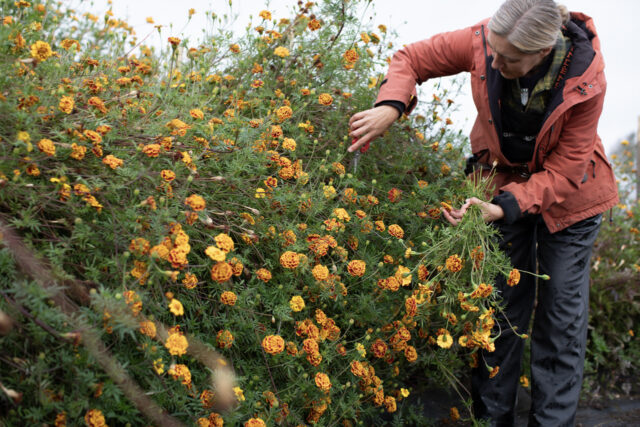
- Tall Varieties: African marigolds and interspecific crosses can reach shoulder-high by the end of the season. These towering varieties often require staking, corralling, or denser plant spacing to prevent them from toppling over under the sheer weight of their heavy, moisture-laden blooms during autumn storms.
- Compact Varieties: French marigolds typically maintain a bushy, low-growing stature (ranging from mere inches to two feet tall), making them self-supporting and exceptional candidates for containers, pots, and the front borders of garden beds.
Harvesting and Vase Life
For optimal post-harvest performance:
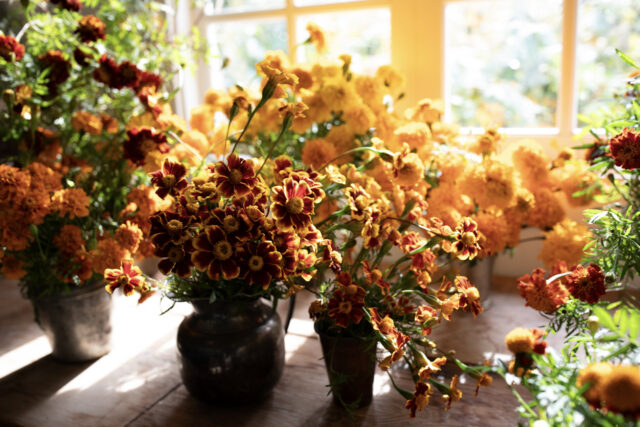
- Stage of Harvest: Stems should be harvested when the flowers are approximately halfway open.
- Foliage Management: Most of the foliage should be stripped from the main stem, as marigold leaves possess a potent, distinctive fragrance that divides opinion—some adore the pungent, earthy aroma, while others find it overpowering.
- Succession Blooming: Because marigolds bloom from the base upward, flowers open in succession, stair-stepping along the stem. Growers often need to prune away lower, tattered blooms before arranging.
- Longevity: When properly conditioned, marigolds boast an impressive vase life, lasting between 7 to 10 days in mixed seasonal bouquets.
Supporting Data: Exploring Key Cultivars and Groups
Extensive trials conducted across commercial flower farms have categorized marigold varieties into distinct operational groups, each serving unique landscape and floral design purposes.
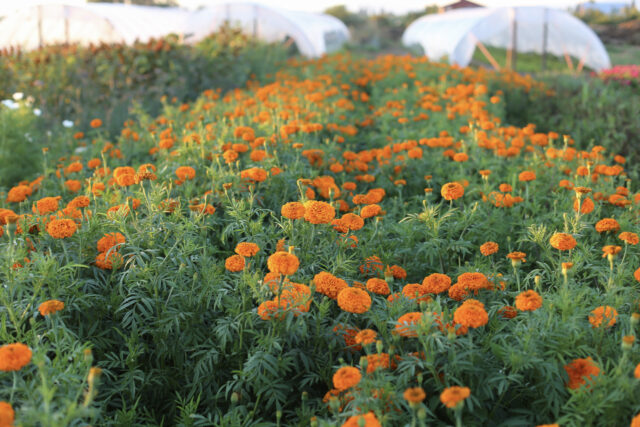
1. African Marigolds (Tagetes erecta)
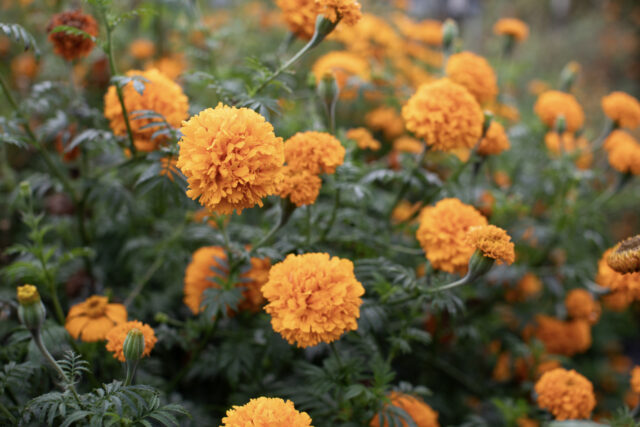
Renowned for exceptionally long vase life and sturdy structural integrity, African marigolds are historical favorites for structural garlands and leis.
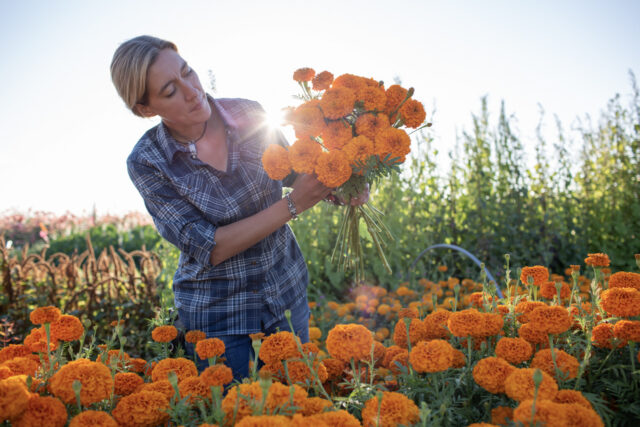
- ‘Giant Orange’: Producing six to ten long, strong, branching stems per plant, this variety is crowned with glowing saffron-colored blooms. The super-ruffled flowers feature tight green centers and lacy, scented foliage, making them a premier choice for summer and autumn mixed arrangements.
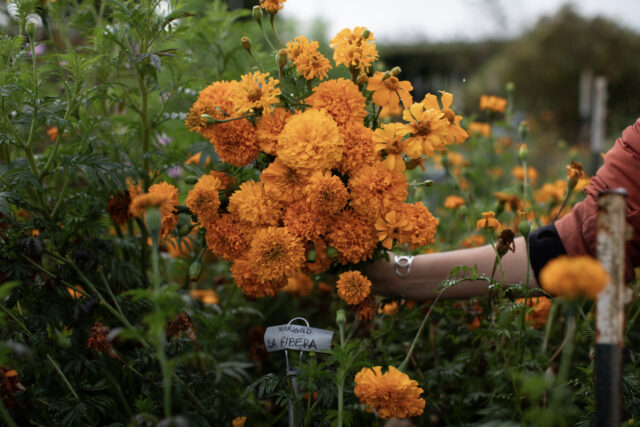
- ‘La Ribera’: A massive, vigorous plant yielding fuzzy tangerine flowers in various forms—fully double, semi-double, single, and occasional petalless variants. While too inconsistent for strict commercial stem production, it remains a beloved novelty among farm crews and garden enthusiasts.
2. French Marigolds (Tagetes patula)
Compact, stocky, and bursting with rich color combinations, French marigolds excel in containers, though traditional cultivars often struggle to yield stems long enough for professional cutting until late-season stem-stretching occurs.
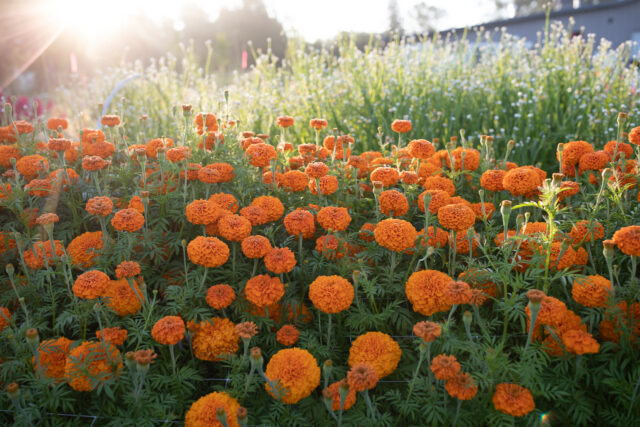
- Brocade Mix: Features small, double, red-orange bicolor flowers on low-growing, stocky plants. Ideal for pots and front-of-border plantings.
- ‘Dainty Marietta’: A petite heirloom-style plant displaying small, single yellow flowers centered with dark burnt-red markings.
- ‘Fireball’: Famous for its shifting color palette of blackish-red and burnt orange. While stems remain short, its unmatched color display makes it a container essential.
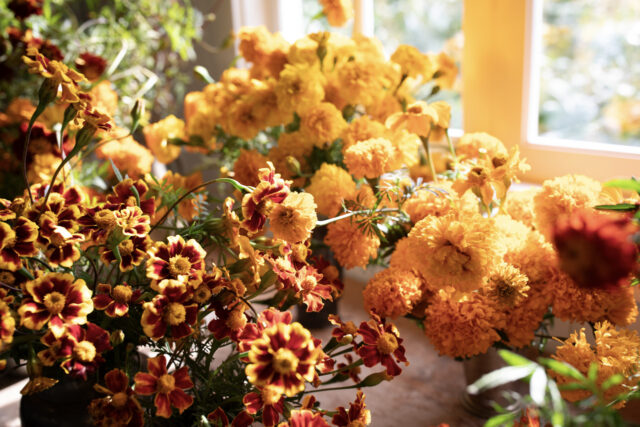
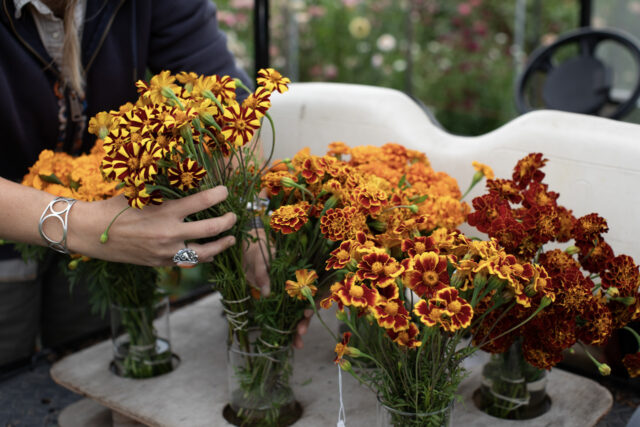
- ‘Harlequin’ / ‘Court Jester’: An heirloom variety producing medium-size, maroon-and-gold-striped single blooms on airy, branching stems. The unique striping adds a playful texture to late-season arrangements.
- ‘Tiger Eyes’: Features exaggerated, fuzzy golden-orange centers surrounded by short burgundy petals, reaching roughly two feet by season’s end.
3. Peace Seedlings Interspecific Introductions
Bridging the gap between French and African traits, these cultivars offer the delicate coloration of French varieties combined with the long, willowy, yet strong stems of African types.
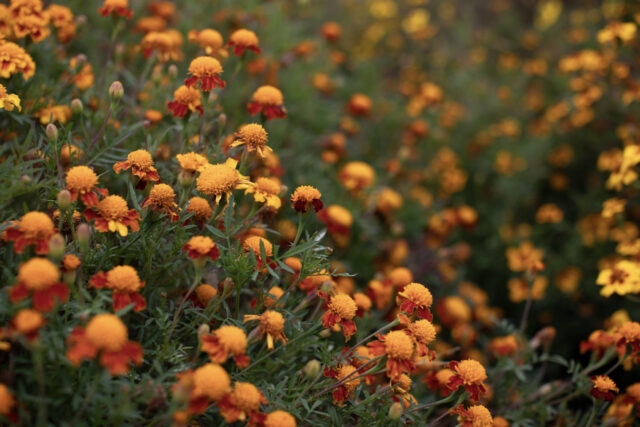
- ‘Burgundy Bliss’: Deep rusty-red double flowers outlined in glowing golden-orange, featuring strong stems and heavy side branching.
- ‘Frances’s Choice’: A true standout featuring medium-size, single rusty-red blooms edged in gold. Tall, densely branching plants produce long, thin stems that represent a major breakthrough for late-summer bouquet design.
- ‘Mushroom’s Sol’: The shortest of the Peace-bred lines, producing tangerine flowers with rich red inner stripes. Stems stretch sufficiently by autumn to make them viable for mixed arrangements.
- ‘Sparkler’: Tall, heavily branching plants loaded with medium-sized golden flowers featuring distinctive rusty-red central bands.
- Sunbright Mix: The newest offering from Peace Seedlings, featuring a bushy habit and a candy-corn-inspired palette of sunny yellows, orange-edged petals, and solid tangerine.
4. Gem and Signet Marigolds (Tagetes tenuifolia)
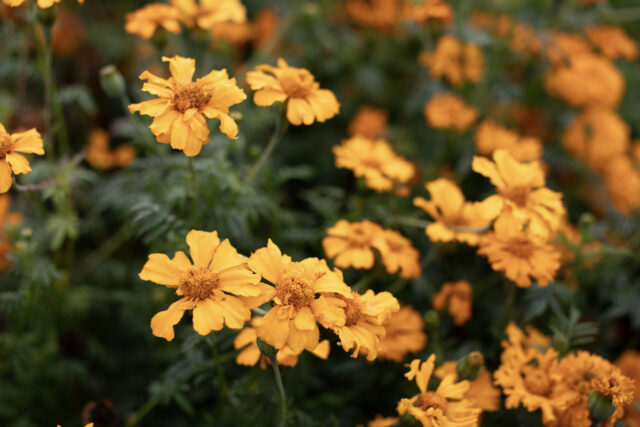
Miniature-flowered powerhouses that produce dozens of penny-sized blooms on wilt-resistant, fine-textured foliage featuring a clean, citrusy fragrance.
- Starfire Mix: Branching stems exceed 30 inches, loaded with vibrant shades of red, orange, and gold bicolors. Essential for high-end mixed bouquets.
- ‘Tangerine Gem’ & ‘Red Gem’: Slightly shorter relatives of the Starfire mix, topping out near 24 inches with glowing monochromatic and bicolored miniature blossoms.
Official Responses and Horticultural Perspectives
Industry experts and flower farmers emphasize that marigolds offer unmatched utilitarian value beyond mere aesthetics. Professional growers highlight their dual-purpose nature: not only do they serve as high-yield cash crops for late-season markets, but their potent root exudates and aromatic foliage have long been utilized in companion planting to naturally deter garden pests such as nematodes.
Furthermore, craft artisans and sustainable designers have increasingly embraced marigolds as a premier source for botanical dyeing. The carotenoid-rich petals yield vibrant natural dyes ranging from soft buttery yellows to deep, rustic oranges and reds, aligning with the growing consumer demand for eco-friendly, locally sourced materials in textiles and floral art.
Implications: The Future of Sustainable Floriculture
The resurgence of the marigold carries significant implications for the future of sustainable horticulture and localized cut-flower farming. As climatic shifts bring unpredictable autumn weather patterns, growers are actively seeking resilient botanical varieties that require minimal chemical intervention, tolerate high heat, and withstand sudden temperature drops without sacrificing structural integrity.
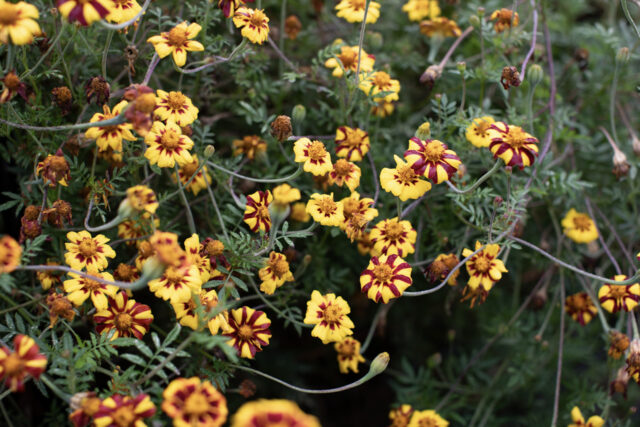
By moving beyond mass-market bedding plants and embracing sophisticated breeding lines—particularly interspecific crosses like those from Peace Seedlings—the floriculture industry is proving that "humble" plants can occupy a starring role in high-end design. As consumers increasingly value longevity, local provenance, and rich seasonal color palettes, the marigold has successfully transitioned from an old-fashioned garden afterthought to an indispensable cornerstone of modern autumn agriculture.