Main Facts: The Modern Coffee Landscape and the Launch of the Green Room
As the global climate shifts, international logistics grow increasingly complex, and consumer demand for high-end specialty coffee reaches unprecedented heights, the mechanics of the coffee supply chain have never been more critical. Enter the Green Room—an all-access industry portal designed to pull back the curtain on the inner workings of the international coffee trade.
In an effort to provide roasters, retailers, baristas, and enthusiastic consumers with unfiltered data, educational resources, and market intelligence, industry leaders have partnered to showcase the latest green coffee offerings, cutting-edge processing courses, and producer-focused initiatives. Navigating the modern coffee market requires staying ahead of the "roast curve," a challenge compounded by shifting weather patterns, rising production costs, and a growing consumer demand for complete supply chain transparency.
The latest updates from the Green Room highlight a diverse array of developments across the specialty coffee sector. From new origins and traceable microlots to philanthropic education projects and professional certification courses, the global coffee community continues to adapt, innovate, and invest heavily in sustainable futures.
Chronology: Recent Developments and Upcoming Industry Milestones
The specialty coffee sector operates on a dynamic seasonal calendar defined by harvests, arrivals, educational seminars, and community investments. Below is a chronological overview of recent milestones and upcoming events featured in the current Green Room rotation:
- July 2026: Cafe Imports officially launched Year Three of its acclaimed documentary series, Ecos del Café: Narratives from Costa Rican Producers, releasing the season’s opening episode featuring producer Iván Solís.
- August 2026: Swiss Water, in partnership with Integra Trading, announced expanded traceability for its fresh offering of Colombian coffee sourced from the Los Arrayanes Coffee Growers Association in Huila, Colombia. Concurrently, Primavera Green Coffee highlighted its ongoing global mission to connect roasters with high-quality, producer-focused coffees from Guatemala and beyond, and Covoya Coffee spotlighted its freshly landed Guatemalan offerings, capitalizing on the region’s unique microclimates and volcanic soils.
- September 2026: Royal Coffee issued a call to action for the global coffee community, inviting roasters and consumers to support the construction of a modern Digital Learning Center at the Yirgacheffe Coffee Farmers Cooperative Union (YCFCU) community school in Ethiopia.
- October 22–23, 2026: Atlas Coffee is scheduled to host its specialized Q Processing Level 1 (Generalist) course, a comprehensive two-day program focusing on coffee processing techniques, fermentation science, and drying methodologies.
Supporting Data: Importer Spotlights, Regional Offerings, and Educational Frameworks
To better understand the current landscape of the green coffee trade, a closer examination of key offerings, educational frameworks, and logistical partnerships is essential. The Green Room features several prominent industry players making significant waves this season.
1. Primavera Green Coffee: Quality, Equity, and Sustainability
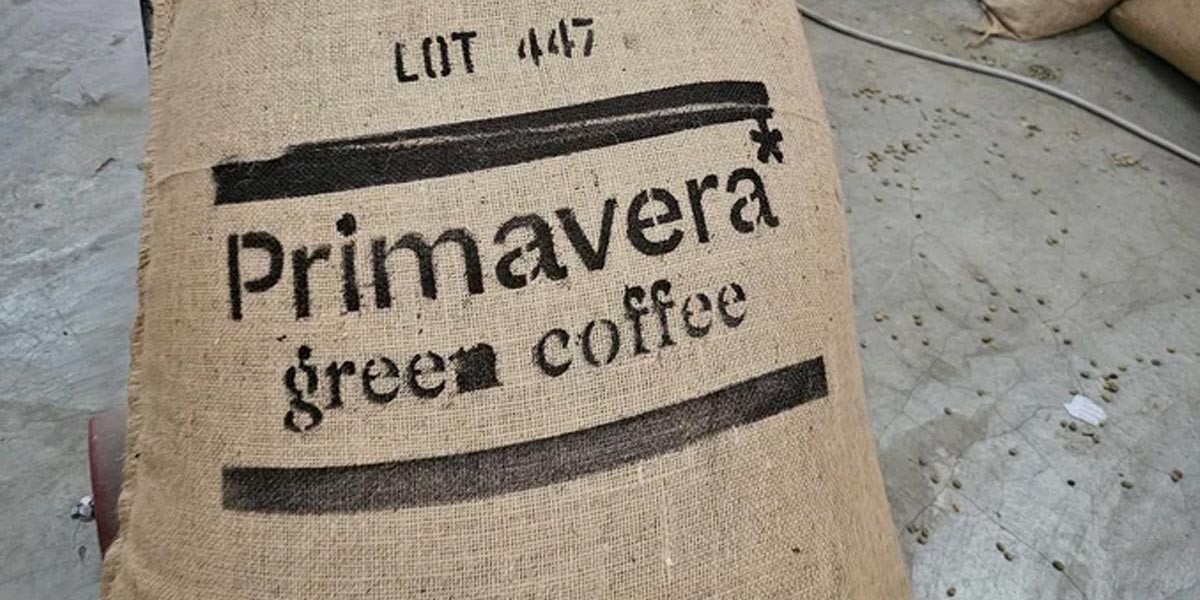
With deep agricultural and cultural roots in Guatemala, Primavera Green Coffee operates with a singular core philosophy: sustainable specialty coffee begins and ends with the producers. Rather than treating coffee as a mere commodity, Primavera focuses on long-term investments in high-quality green coffee and the socio-economic development of the farming communities that cultivate it. By bridging the gap between origin countries and international roasters, Primavera ensures that equity remains at the forefront of the supply chain.
2. Swiss Water: Traceable Excellence from Huila, Colombia
Traceability has become the gold standard of the specialty coffee sector. Swiss Water has responded to this demand by expanding transparency for its latest offering from the Los Arrayanes Coffee Growers Association (Asociación de Caficultores Los Arrayanes).
- The Association: Comprising 99 dedicated farming members.
- Geographic Footprint: Spread across the picturesque villages of Pitalito, Palestina, Acevedo, Isnos, and San Agustín within the renowned Huila department of Colombia.
- The Partnership: Facilitated through Integra Trading, this release highlights the association’s unwavering commitment to cup quality, environmental sustainability, and producer livelihood.
3. Covoya Coffee: The Unique Terroir of Guatemala
Covoya Coffee’s latest fresh arrivals bring a spotlight to Guatemala, a nation with a rich, albeit relatively unique, commercial coffee history.
- Historical Context: Commercial coffee cultivation in Guatemala formally began around 1850—slightly later than some of its Central American neighbors.
- Agricultural Advantages: Despite its later start, Guatemala rapidly carved out a dominant position in the market due to an abundance of pristine water resources, nutrient-rich volcanic soils, and highly diverse microclimates.
- Specialty Pioneer: Guatemala recognized and responded to the infrastructural and quality-control needs of the emerging specialty coffee movement much earlier than many other traditional producing regions, making its lots consistently sought-after by roasters worldwide.
4. Atlas Coffee: Elevating Professional Standards Through Education
Knowledge is just as vital to the coffee supply chain as logistics. Atlas Coffee continues its commitment to industry education by hosting the Q Processing Level 1 (Generalist) Course from October 22–23, 2026.
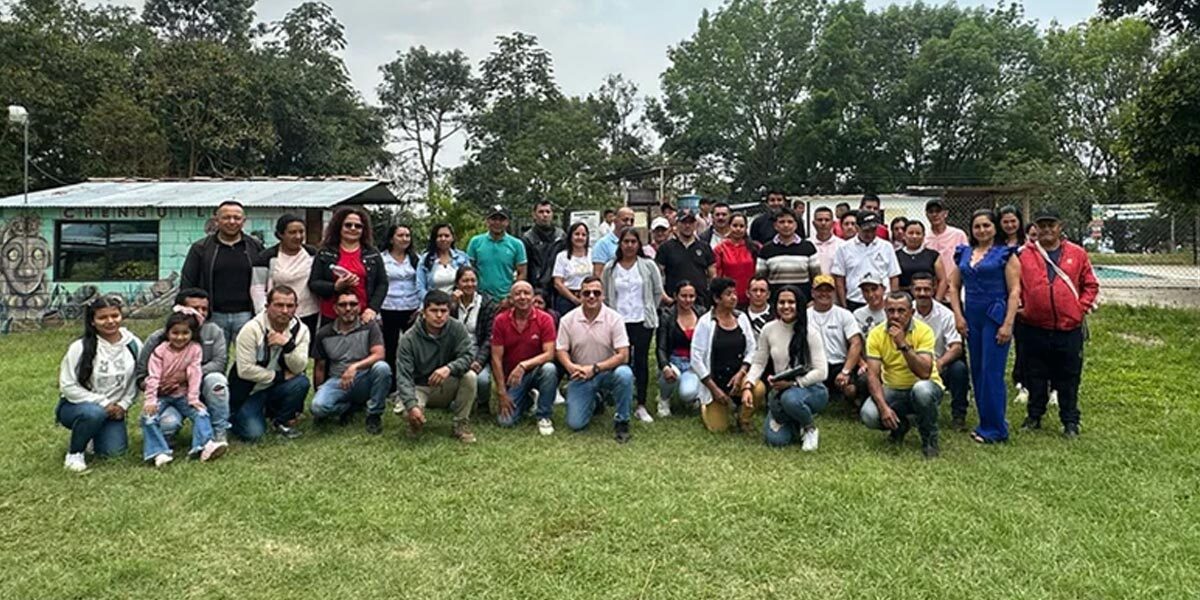
- Target Audience: Designed specifically for coffee professionals who do not actively work on the wet- or dry-mill processing floors but benefit immensely from a deeper theoretical and practical understanding—including roasters, specialty retailers, and baristas.
- Curriculum: A scientifically informed, two-day program combining lectures and comparative cupping exercises. Topics include the history of coffee processing, coffee plant anatomy, traditional and experimental processing methods, controlled fermentation, drying mechanics, and future challenges posed by climate change.
- Certification: Participants undergo a rigorous written examination to measure comprehension, with successful candidates earning the official Q Processing Generalist Certificate.
Official Responses and Community Initiatives
Beyond commercial transactions and technical education, the specialty coffee industry increasingly leverages its collective purchasing power to drive meaningful social impact. Two standout initiatives demonstrate how importers and cooperatives are fostering community development and narrative representation at origin.
Royal Coffee: Building the Future in Yirgacheffe, Ethiopia
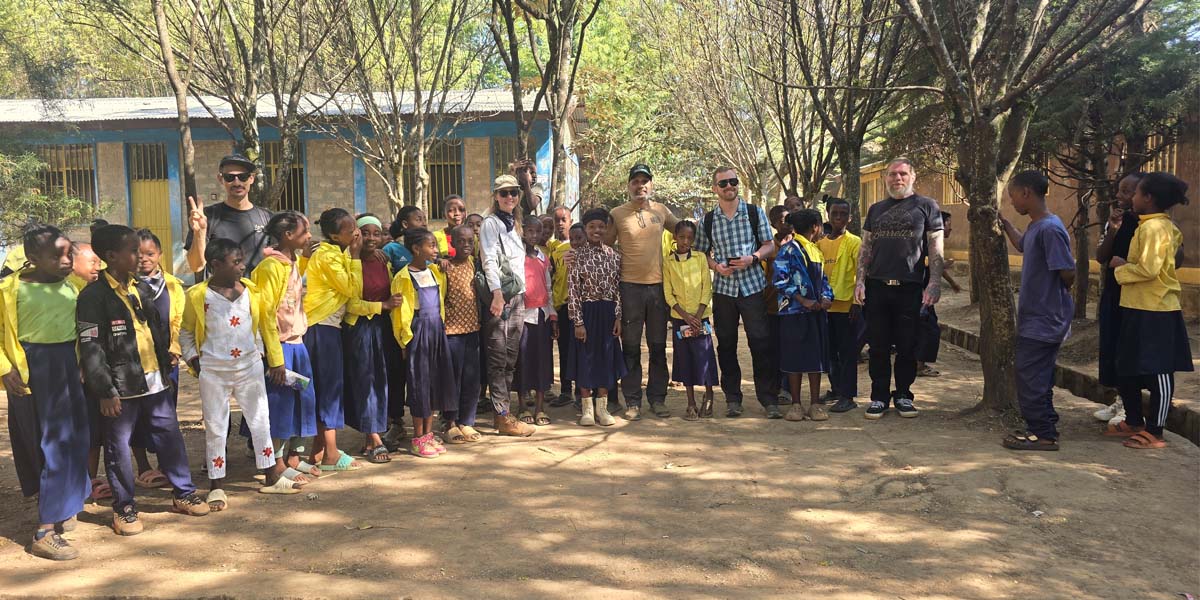
Royal Coffee has launched a high-impact philanthropic initiative in partnership with the Yirgacheffe Coffee Farmers Cooperative Union (YCFCU). Royal is inviting the broader coffee community to help fund and construct a state-of-the-art Digital Learning Center at the YCFCU community school.
According to project outlines, the newly minted lab will be equipped with:
- 40 desktop computers
- A dedicated network server and essential networking equipment
- A high-definition projector
- Specialized educational software designed to provide students with a modern, competitive computer science education.
Roasters and coffee lovers can directly contribute to this infrastructure project by purchasing select coffees curated by Royal Coffee, actively investing in the YCFCU’s long-term vision for the education and empowerment of the next generation of Ethiopian youth.
Cafe Imports: Year Three of Ecos del Café
Media representation and storytelling play a vital role in humanizing the coffee supply chain. Cafe Imports has officially brought back its acclaimed documentary series, Ecos del Café: Narratives from Costa Rican Producers, for its third consecutive year.
The documentary series offers an intimate, unvarnished look into the lives of exceptional Costa Rican coffee producers. Each episode focuses on the family behind a specific micromill, documenting their daily routines, logistical challenges, agricultural triumphs, and long-term visions for the future of sustainable coffee production. The opening episode of Year 3—which shines a well-deserved spotlight on producer Iván Solís—is currently available for streaming, accompanied by a fresh catalog of traceable Costa Rican microlots curated by Cafe Imports.

Implications: The Future of Transparent, Sustainable Coffee Trade
The initiatives, educational programs, and supply chain updates highlighted within the Green Room carry profound implications for the future of the global coffee industry.
As climate change accelerates and consumer expectations evolve, the traditional commodity model of coffee trading is proving increasingly inadequate. Importers, roasters, and producers are recognizing that long-term viability relies on three foundational pillars: deep traceability, radical transparency, and mutual investment in origin communities.
- Supply Chain Resilience: Programs like Swiss Water’s expanded partnership with the Los Arrayanes growers and Covoya’s spotlight on Guatemalan microclimates prove that buyers are increasingly prioritizing regional distinctiveness and direct producer relationships over anonymous bulk purchasing.
- Professionalization at Every Level: Educational milestones, such as Atlas Coffee’s Q Processing courses, bridge the historical knowledge gap between origin and destination. By educating roasters, baristas, and retailers on the intricate science of processing and fermentation, the industry fosters a more discerning, appreciative market that values labor and technical precision.
- Holistic Sustainability: True sustainability extends beyond organic farming and carbon offsets; it encompasses the social infrastructure of coffee-producing regions. Projects like Royal Coffee’s Digital Learning Center in Yirgacheffe and Cafe Imports’ Ecos del Café documentary series underscore a growing industry-wide shift toward digital empowerment, education, and human-centric storytelling.
Ultimately, the Green Room serves as a vital barometer for the specialty coffee world. By uniting rigorous data, educational advancement, and ethical trade practices, the global coffee supply chain is not merely surviving a complex geopolitical and environmental climate—it is actively engineering a more equitable and delicious future.