For millions of men, the onset of the sixth decade of life brings with it a predictable and often disruptive shadow: the enlargement of the prostate gland. Known clinically as Benign Prostatic Hypertrophy (BPH), this condition is not merely a sign of aging; it is a significant medical challenge that impacts the quality of life for more than 50% of men in their 50s and upward of 70% of those over the age of 60.
As the prostate enlarges, it exerts pressure on the urethra, leading to a host of lower urinary tract symptoms (LUTS). These symptoms—ranging from frequent nighttime awakenings to urgency and incomplete bladder emptying—are more than just a nuisance; they are a persistent drain on well-being. While modern medicine offers a variety of pharmacological interventions, the reality is that many patients find these drugs wanting. Side effects, which can include sexual dysfunction, depression, and in some cases, concerns regarding high-grade prostate cancer development, lead to remarkably low compliance rates. When medication fails, the conversation often shifts to surgical intervention, such as transurethral resection of the prostate (TURP). For many, the search for a more sustainable, less invasive, and better-tolerated solution has led researchers to look toward the most fundamental source of health: the plate.
The Landscape of BPH: Current Limitations and the Search for Alternatives
The clinical management of BPH is currently dominated by alpha-blockers and 5-alpha-reductase inhibitors. While these medications can effectively relax smooth muscle or shrink the prostate, their efficacy is frequently undermined by the patient’s reluctance to continue treatment due to adverse reactions. This "compliance gap" has created a vacuum that is increasingly being filled by interest in natural, dietary-based interventions.
Population studies have long hinted at a connection between dietary habits and prostate health. There appears to be a protective effect associated with diets high in fruits and vegetables and low in animal protein. However, nuance is required; it is not simply a matter of reducing protein intake across the board. Current evidence suggests that poultry and eggs may be more closely associated with prostatic issues, whereas red meat and dairy have shown less clear associations. Despite the promise of observational data, the gold standard remains the randomized controlled trial (RCT). Unfortunately, the history of natural supplements in this area is checkered. The most famous example is saw palmetto, an herb that has been the subject of more than 30 RCTs, only to be found, ultimately, to be ineffective. This failure highlights the necessity of rigorous, evidence-based scrutiny before adopting any natural remedy.
Chronology of Discovery: From Folk Wisdom to Clinical Trials
The use of botanical substances for urinary health is not new; it is a bridge between ancient folk tradition and modern clinical practice. Native American tribes, for instance, utilized cranberries for centuries to treat various urinary ailments. In the modern era, researchers decided to put this traditional knowledge to the test.
The Cranberry Breakthrough
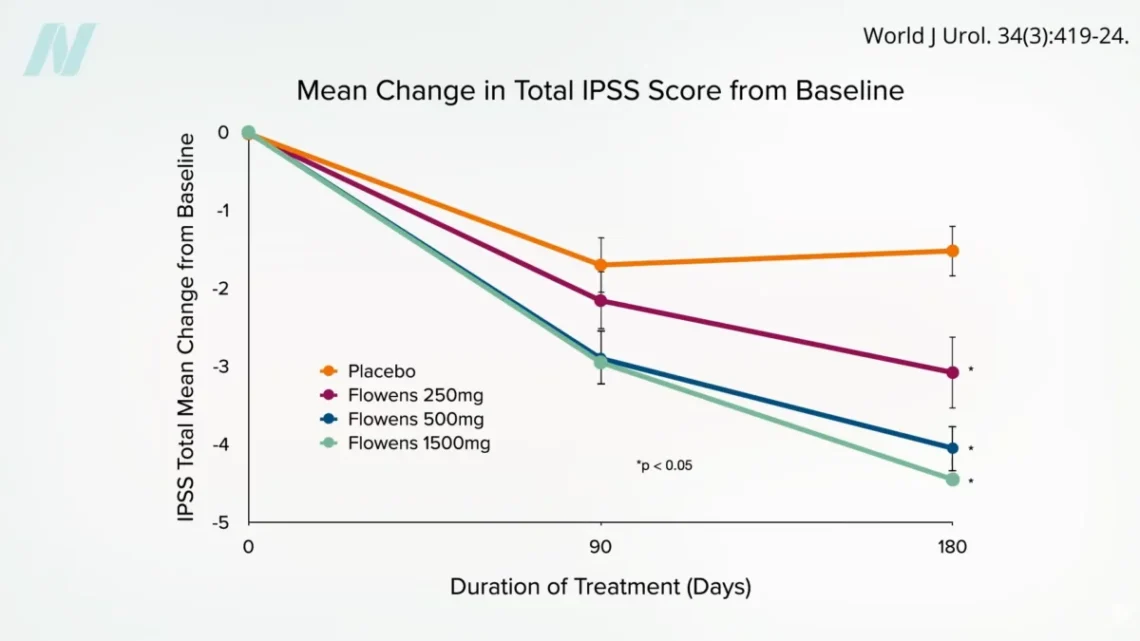
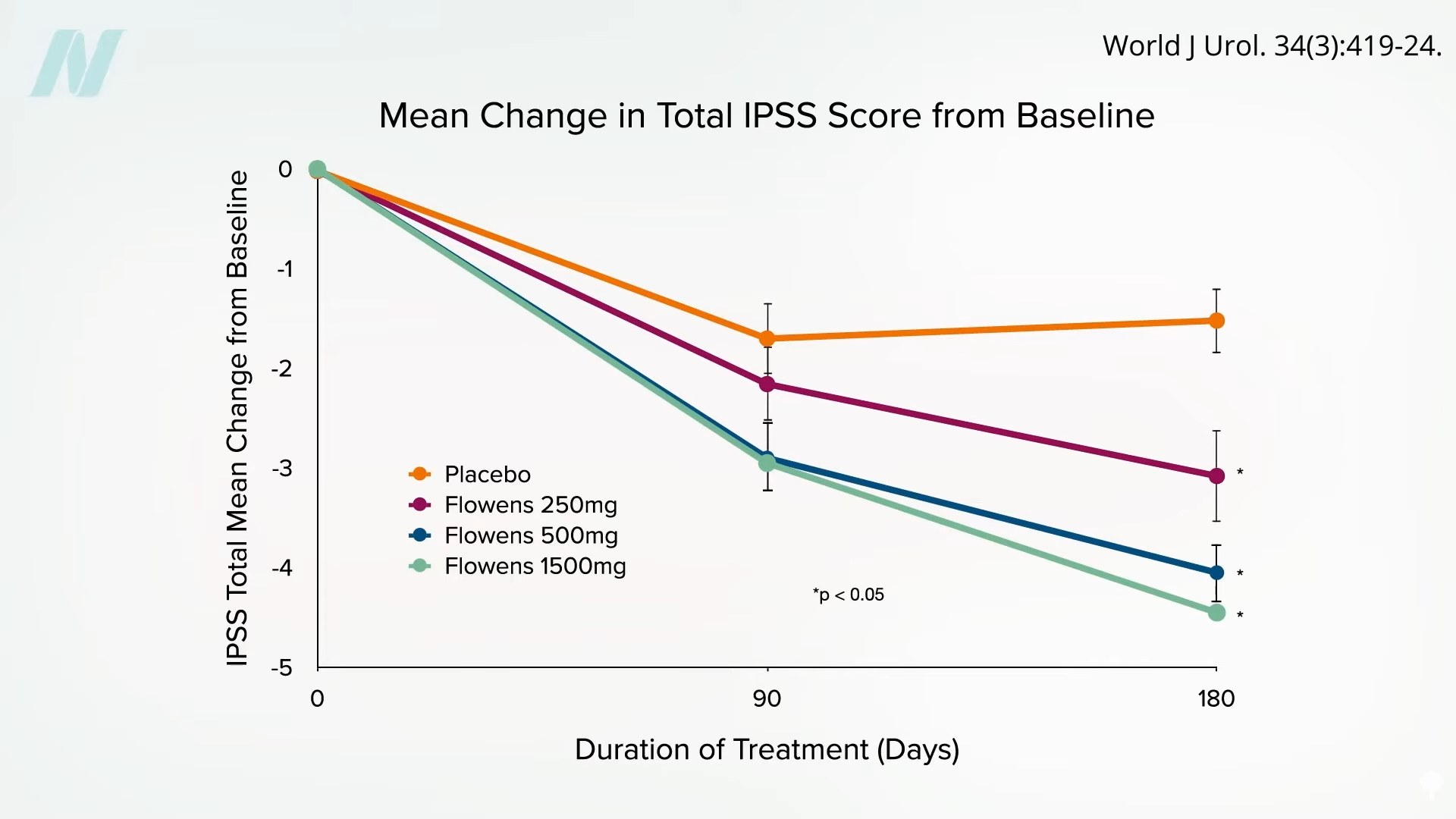
Recent studies have demonstrated that whole cranberry powder—distinct from the sugar-laden, oil-treated "craisins" found in supermarket snack aisles—can yield significant improvements in BPH symptoms. In clinical trials, participants who consumed approximately one teaspoon (3 grams) of powdered whole cranberry daily reported marked improvements in their quality of life and key urination parameters.
Perhaps most surprisingly, the data suggests a dose-dependent benefit. Even smaller doses—down to a sixth of a teaspoon—showed efficacy. While these results are promising, it is important to note that many of these studies are funded by the very companies producing the supplements. However, because the active ingredient is simply standardized cranberry powder, consumers can potentially bypass expensive branded supplements and utilize high-quality bulk powder in smoothies or other dietary formats.

The Pumpkin Seed Paradigm
While cranberries offer one avenue, pumpkin seeds provide another, perhaps more familiar, option. Used for centuries in folk medicine, pumpkin seeds were recently brought into the lab for closer inspection. In vitro studies have shown that pumpkin seed extracts can effectively inhibit the growth of BPH-related prostate cells by up to 50%.
The trajectory of pumpkin seed research has moved from the petri dish to animal models, and finally to human trials. Notably, when compared head-to-head with pharmaceutical agents like Prazosin and Terazosin, pumpkin seed oil demonstrated comparable efficacy. However, a significant limitation of these earlier studies was the lack of a placebo control. To address this, a large-scale study involving over 1,000 men was conducted, comparing a pumpkin seed supplement, a placebo, and plain, whole pumpkin seeds (approximately 7.5 grams or one tablespoon daily).
The results were enlightening: the concentrated supplement failed to outperform the placebo, but the whole pumpkin seeds resulted in a statistically significant improvement in symptoms. This suggests that the therapeutic benefit is not tied to a single, isolated compound found in the oil, but likely to a synergy of components within the whole seed.
Supporting Data: Why Whole Foods Matter
The discrepancy between the failure of isolated supplements and the success of whole seeds is a recurring theme in nutritional science. In the case of pumpkin seeds, subsequent research has confirmed that even oil-free extracts can maintain efficacy, reinforcing the idea that the "whole food" approach is often superior to the "magic bullet" supplement approach.
The data derived from these trials is not merely anecdotal. The European Medicines Agency (EMA) has acknowledged the potential of Cucurbita pepo (pumpkin) seeds, concluding that they can be effectively used to relieve lower urinary tract symptoms once a physician has ruled out more serious underlying conditions, such as prostate cancer.
Furthermore, it is worth noting what does not work. Despite the popularity of "superfood" marketing, studies investigating the efficacy of purple grape juice for BPH have shown no clinical benefit whatsoever. This serves as a cautionary tale: dietary interventions must be evidence-based rather than marketing-driven.
Official Responses and Medical Guidelines
The medical establishment has historically been skeptical of "natural" cures, largely due to the lack of standardization and the prevalence of poor-quality trials. However, the accumulation of high-quality data regarding cranberries and pumpkin seeds is beginning to shift the needle.
Major health organizations are increasingly emphasizing that dietary changes should be a first-line consideration for mild-to-moderate BPH. The consensus is evolving toward a "food-first" approach, where patients are encouraged to incorporate whole seeds and fruit powders into their daily routine, rather than relying on high-dose, potentially overpriced, and under-tested synthetic supplements. Doctors, however, maintain a critical caveat: these interventions are intended for symptom management in diagnosed BPH. They are not a substitute for diagnostic screening, and it is vital that men undergo professional medical evaluations to ensure that their symptoms are not indicative of prostate cancer or other more severe pathologies.
Implications for Future Health
The implications of these findings are profound for the aging male population. By focusing on simple, whole-food interventions, men may be able to manage their symptoms, reduce their reliance on pharmaceuticals with significant side-effect profiles, and potentially delay or avoid the need for surgical intervention.
The transition from viewing the prostate solely as an organ to be "fixed" with surgery or high-potency drugs to an organ that can be supported through nutritional habits represents a significant shift in urological care. As researchers continue to isolate the specific mechanisms—whether it be the antioxidants in cranberries or the unique lipid-protein profile of pumpkin seeds—the potential for integrative medicine grows.
For the individual, the message is clear: the path to prostate health may be found in the produce aisle. By integrating a tablespoon of pumpkin seeds or a teaspoon of cranberry powder into a daily diet, men may find a manageable, evidence-supported, and side-effect-free way to improve their quality of life. As with all medical changes, these steps should be taken in consultation with a healthcare provider, but the promise of these dietary interventions is a testament to the power of nature in supporting the aging body.
References & Further Reading:
- For further exploration of dietary interventions, see "Natural Dietary Treatments for Enlarged Prostate BPH" at NutritionFacts.org.
- To understand the interplay between flaxseeds and prostate health, review the clinical data on "Flaxseeds vs. Prostate Cancer."
- For information on cranberry applications beyond BPH, explore "Cranberries vs. Cancer" and "Can Cranberry Juice Treat Bladder Infections?"