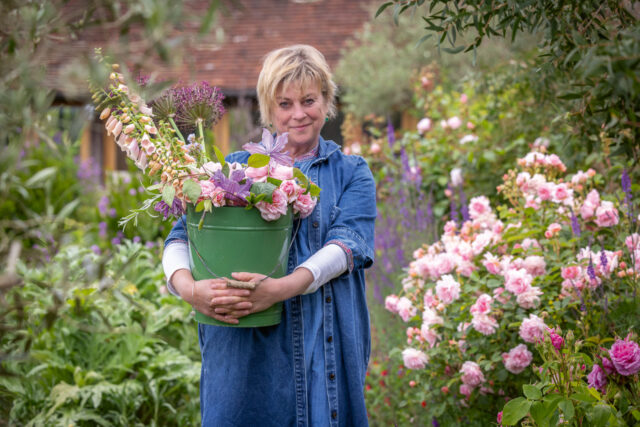
In the world of professional horticulture and floral design, few figures loom as large or as gracefully as Sarah Raven. A pioneer of the modern local flower movement, Raven has spent over three decades transforming how we view the relationship between the backyard patch and the vase. With the recent U.S. release of her 14th book, A Year of Cut Flowers: A Life of Growing and Arranging for All Seasons, Raven continues to demystify the complexities of seasonal gardening, offering both a technical manual and a philosophical meditation on the act of cultivation.
The Evolution of an Icon: From Library Find to Literary Force
More than twenty years ago, a young gardener stumbled upon a copy of Sarah Raven’s Grow Your Own Cut Flowers in a local library. That singular encounter served as a catalyst, sparking a lifelong devotion to the craft of growing floral harvests. Raven, a prolific author, educator, and gardener, has since become the gold standard for those looking to bridge the gap between amateur gardening and professional-grade floral abundance.
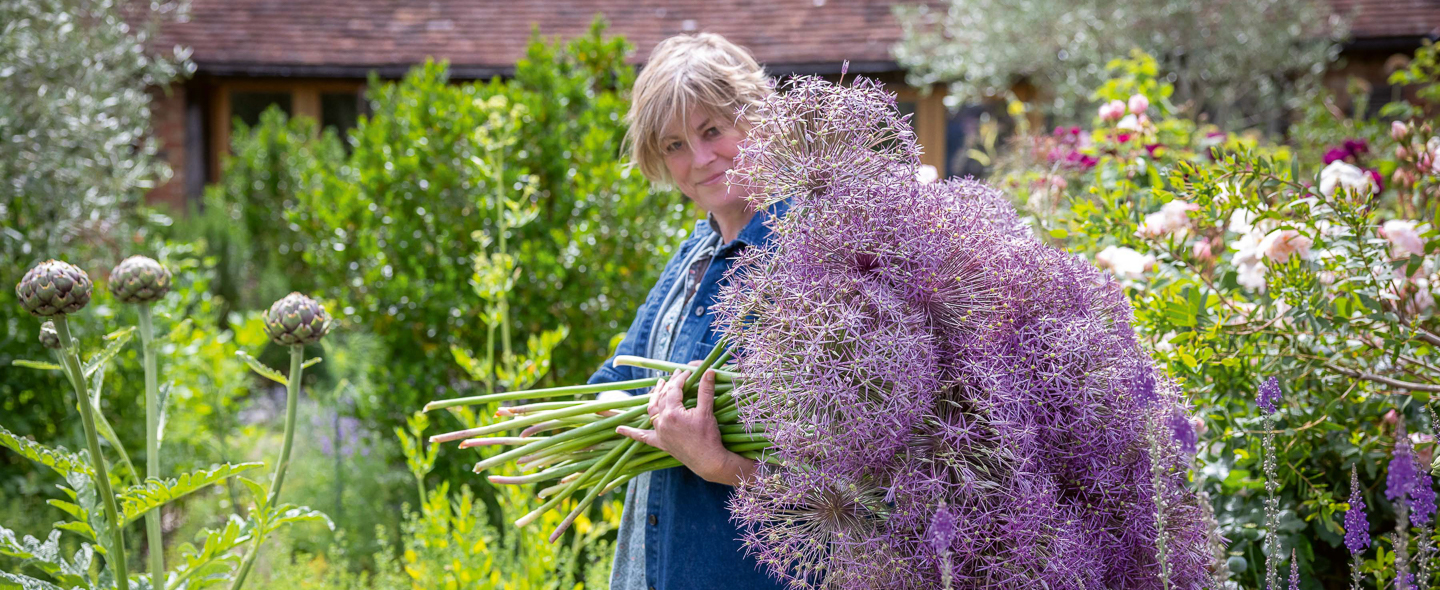
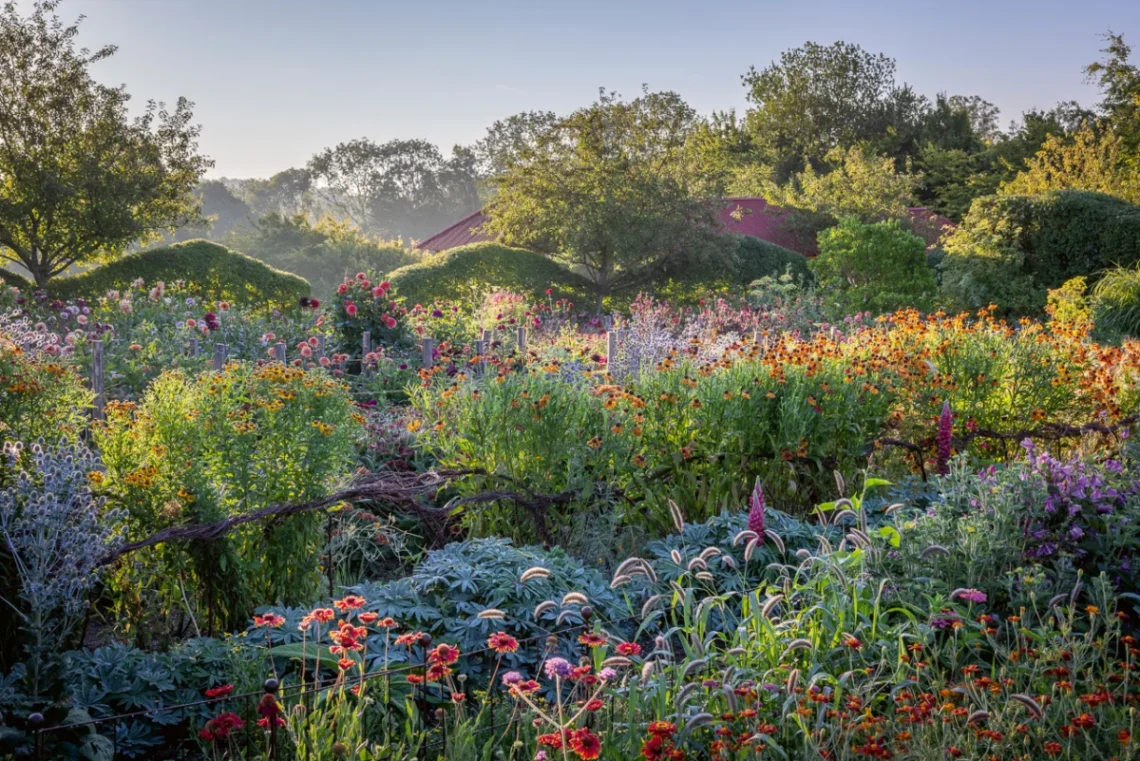
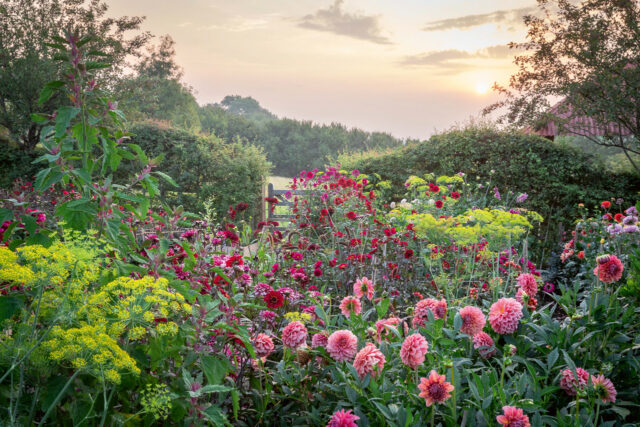
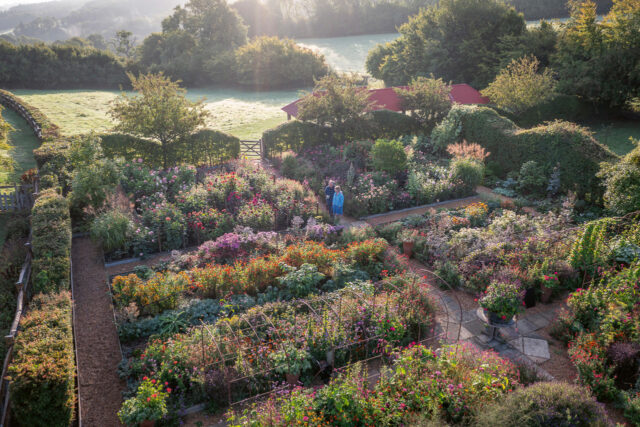
Her latest work, A Year of Cut Flowers, represents a culmination of her life’s work at Perch Hill—her renowned garden in East Sussex. Unlike her previous, more encyclopedic works, this book adopts a more intimate, reflective tone. It is, by her own admission, a "call-to-gardening," designed specifically to welcome the novice into a world of perennial and annual abundance.
Chronology of a Career: Thirty Years of Growth
Raven’s journey into the heart of horticulture was not an overnight success but a sustained, deliberate practice. Over the last 30 years, her methodology has evolved alongside the changing climate and the shifting needs of a global gardening audience.
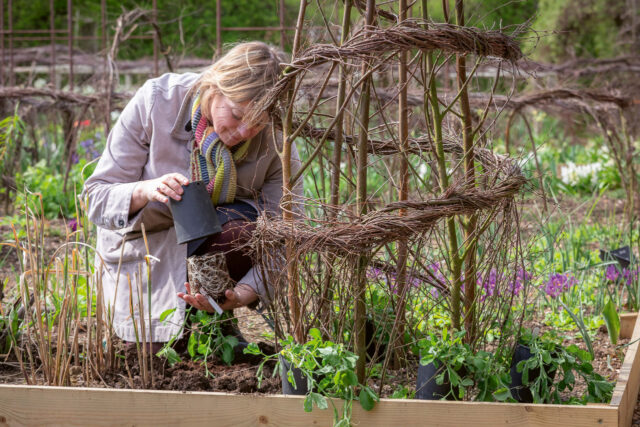
- The Early Years (1990s): Raven began by defining the "cut-and-come-again" philosophy, teaching gardeners that by harvesting at the right stage of a plant’s growth, they could encourage axillary bud production, essentially forcing the garden to yield more.
- The Mid-Career Shift (2000s–2010s): As she published a string of successful books, Raven focused heavily on color theory, analyzing why certain floral combinations sang while others fell flat. This was backed by an archive of over 60,000 photographs taken in collaboration with longtime partner Jonathan Buckley.
- The Present Day (2026): Now at 63, Raven has transitioned into a role that balances active, hands-on gardening with a desire to mentor the next generation. Her latest book serves as a synthesis of these decades of observation, trial, and error.
Supporting Data: The Mechanics of a Productive Garden
A recurring theme in A Year of Cut Flowers is the scientific rigor that underpins Raven’s aesthetic choices. Her approach is grounded in three core pillars:
1. The "Cut-and-Come-Again" Science
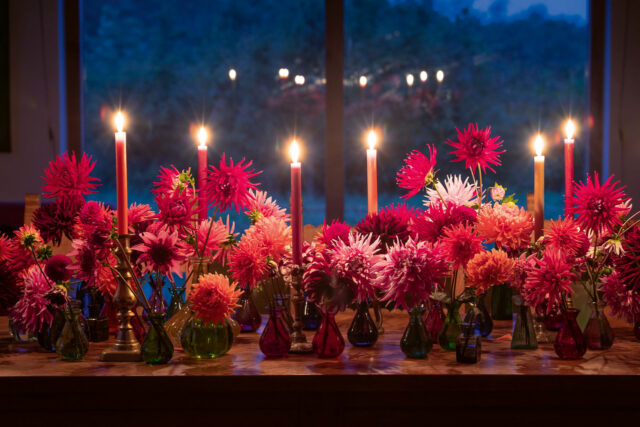
Raven emphasizes that productivity is not accidental. By understanding the growth curves of annuals, biennials, and dahlias, gardeners can extend their harvest window from early spring well into late autumn. The secret, she notes, lies in the axillary buds—the dormant shoots that burst into life once the primary stem is removed.
2. The Power of Pollinators
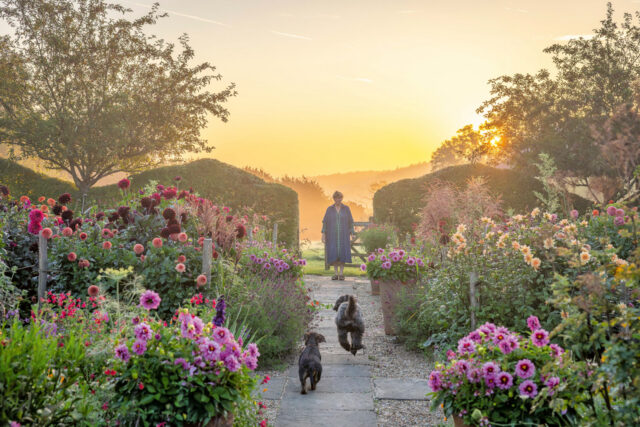
Beyond aesthetics, Raven’s garden is a functional ecosystem. She makes a strong case for open, single, or semi-double flowers. These varieties are not only visually striking but serve as essential hubs for pollinators. Furthermore, these plants often produce seed heads that provide food for birds, which in turn act as the garden’s natural pest control—specifically targeting the slug populations that plague many a gardener’s dahlia beds.
3. The Geometry of Color
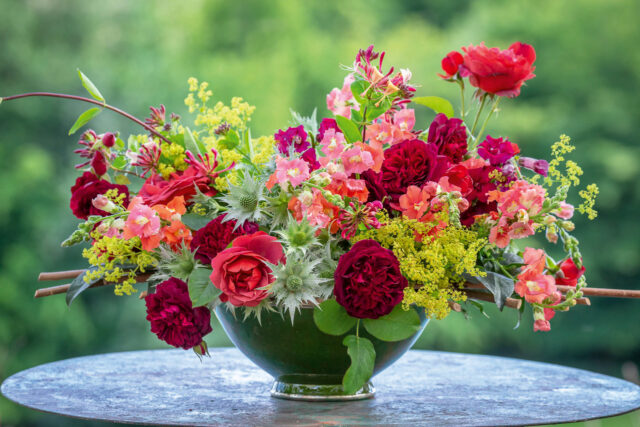
Color, for Raven, is largely instinctive, but it has been refined through years of teaching and visual analysis. Her palettes are not random; they are the result of comparing thousands of images and observing the success or failure of specific plant combinations. She suggests that aspiring gardeners look to their own observations rather than following rigid rules, using color as a tool to shift the mood of a space.
Official Perspectives: A Q&A on Philosophy and Practice
In a recent interview, Raven provided insights into her process and her hopes for the future of gardening.
On the "Why" Behind the Writing:
"Gardening has been one of the best and strongest strands in my life," Raven explains. "I want to convince non-gardeners that it is one of the easiest and most immediate life enhancers you can find. I wrote this book assuming readers have minimal knowledge, but with enough depth to remain useful for the seasoned professional."
On the Partnership with Photographer Jonathan Buckley:
The relationship between Raven and Buckley is a cornerstone of her work. For three decades, they have operated with a seamless, almost telepathic understanding. "We shoot to a list," she says, describing a meticulous process where they work for days on end, capturing the nuances of the garden from dawn until dusk. This partnership has allowed them to create an extensive visual archive that serves as the backbone for her research and teaching.
On the Role of Travel and Inspiration:
Raven notes that travel is not just a luxury; it is a necessity for her creative process. "I find being away is the time for my best and most creative thoughts," she says. Recent trips to Marrakech, exploring YSL’s garden and local herb farms, have directly informed her sense of color and pattern.
The Implications: A Shift Toward Mindful Gardening
Perhaps the most significant implication of Raven’s work is the shifting demographic of the gardening world. Since the global pandemic, there has been a marked influx of younger gardeners turning to the soil. For this new generation, gardening is not merely about production; it is about mental health, sustainability, and physical well-being.
Challenges of the Modern Garden
Raven is quick to address the realities of modern gardening, specifically the rise in extreme weather. She notes that wind and unseasonal storms are becoming more frequent, posing a challenge to the traditional garden structure. Additionally, she remains a staunch critic of the chemical-heavy culture prevalent in many garden centers.
"I do struggle with the use of chemicals," she states. "You walk into any garden center and these chemicals fill the shelves, yet they are simply not necessary." She champions an organic approach, arguing that a healthy, diverse ecosystem—full of birds and beneficial insects—is the most effective defense against pests.
A Legacy of Mentorship
As she moves into her sixties, Raven’s focus is shifting. While she remains deeply involved in the trials at Perch Hill, she is increasingly interested in "teaching colleagues all I know." This transition, she notes, has been aided by her new role as a grandmother, which has provided her with a refreshed perspective on the legacy she wishes to leave behind.
Conclusion: An Invitation to Grow
A Year of Cut Flowers is more than a book; it is an invitation to engage with the natural world. Whether one has a sprawling countryside estate or a single pot on a city balcony, the principles remain the same. Sarah Raven’s latest contribution to the field is a testament to the idea that gardening is the ultimate optimist’s pursuit. It is a practice of constant learning, a hedge against the unpredictability of the world, and a, quite literal, way to bring more beauty into one’s daily life.
As Raven puts it, the act of growing—whether it be a single bunch of flowers or a bowl of herbs—is the "loveliest and easiest thing which makes every life better." For those ready to begin, the garden awaits.
Sarah Raven’s new book, "A Year of Cut Flowers: A Life of Growing and Arranging for All Seasons," is available now through major retailers and local bookstores. For those looking to connect with her work, visit her official website or follow her updates on Instagram and Facebook.