Main Facts
For the specialty coffee enthusiast, navigating the sheer volume of remarkable, fresh-crop coffees available on the global market can be an overwhelming endeavor. With hundreds of exceptional roasters operating across continents, tracking down micro-lots, experimental anaerobic processes, and meticulously crafted seasonal blends is a full-time pursuit. To bridge this gap, specialty coffee publication platforms regularly curate recommendations directly from top-tier roasting partners.
This comprehensive roundup highlights some of the most dynamic, innovative, and structurally sound coffee offerings currently available on the global market. Spanning legendary origins such as Ethiopia, Kenya, Colombia, Costa Rica, and Yemen—alongside unexpected producing regions like Java, Indonesia—this collection underscores the relentless pursuit of flavor, sustainability, and equity championed by modern roasters.
Whether featuring single-origin micro-lots processed via advanced fermentation techniques or versatile house blends designed to excel both as espresso and pour-over, these selections represent the pinnacle of contemporary coffee craftsmanship. Furthermore, coffee aficionados looking to stay ahead of the curve can access these curated lists days in advance via dedicated weekly newsletters hosted on platforms like Substack.
Chronology and Sourcing Evolution: From Farm Level to Roastery
The trajectory of specialty coffee sourcing has shifted dramatically over the past decade, moving away from opaque supply chains toward hyper-transparent, origin-focused partnerships. The offerings featured in this week’s global roundup reflect a historical evolution in how roasters engage with coffee-producing communities:
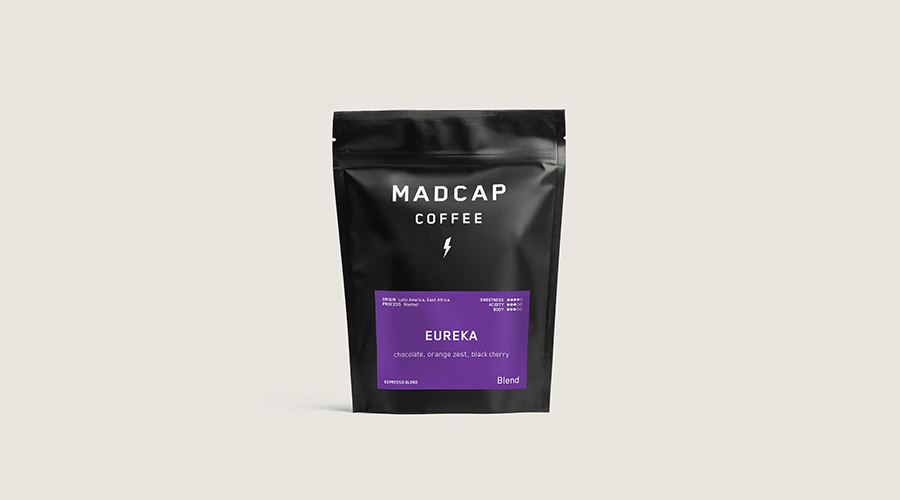
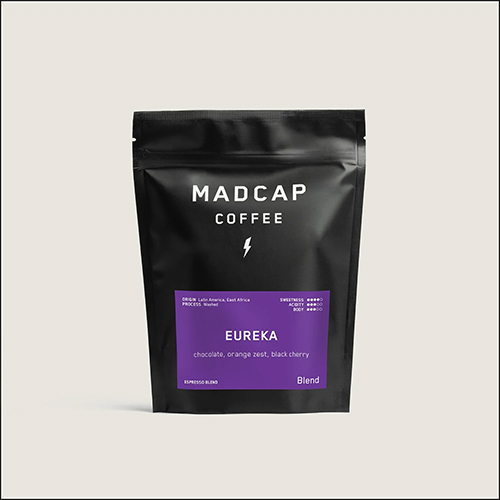
- Early Innovations and Foundation Blends: Established roasters like Madcap Coffee and Olympia Coffee have spent years refining their signature blends. Madcap’s Eureka blend—combining full-bodied Central and South American coffees with bright East African components—demonstrates the longevity of structured, year-round flavor profiles built for milk pairing and black coffee alike. Similarly, Olympia’s flagship Big Truck blend remains a testament to ethical sourcing traditions rooted in Colombia and Ethiopia.
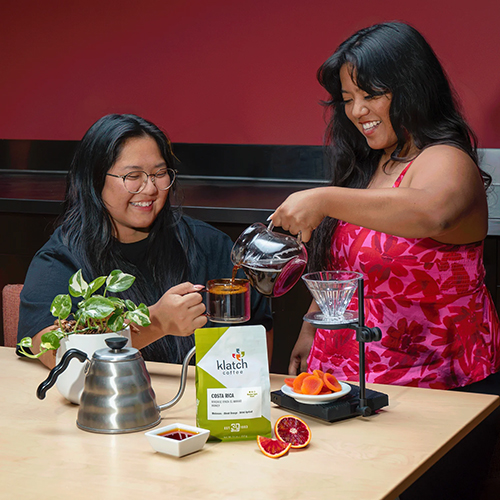
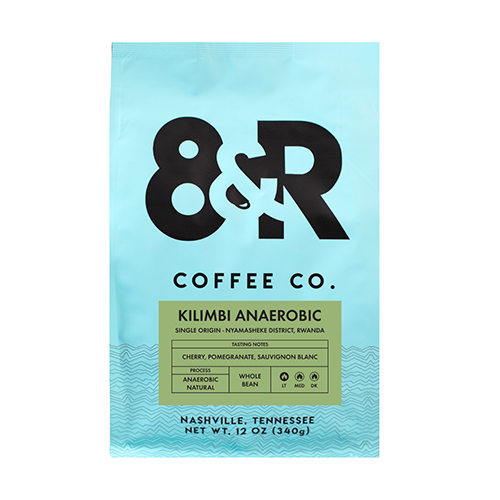
- The Rise of Experimental Processing: Over the last five years, anaerobic fermentations, extended slow-drys, and meticulous honey processing have taken center stage. Roasters such as Klatch Coffee (Costa Rica Rivense Finca El Mango Honey), 8th & Roast (Kilimbi Anaerobic Rwanda), and Equator Coffees (Yemen Al-Khanshali Estate Anaerobic Slow Dry) highlight the meticulous agricultural and chemical precision required at washing stations to achieve wine-like acidity and complex fruit notes.
- Recent Harvest Arrivals and Single-Origin Spotlights: As seasonal cycles dictate fresh-crop availability, producers like Onyx Coffee Lab and Blueprint Coffee lean into early harvests from regions like Agaro and Guji in Ethiopia. Meanwhile, collaborative projects—such as Portland Coffee Roasters’ OPBEANS initiative in partnership with Oregon Public Broadcasting—illustrate a growing movement toward mission-driven, 100% women-produced sourcing models.
Supporting Data: A Breakdown of Featured Global Offerings
To better understand the vast flavor spectrum and processing diversity represented in this curation, the following breakdown categorizes the featured coffees by origin, roaster, processing method, and defining tasting notes:
| Roaster | Coffee Name | Origin | Processing Method | Primary Tasting Notes |
|---|---|---|---|---|
| Madcap Coffee | Eureka | Central/South America & East Africa | Washed / Blend | Black Cherry, Chocolate, Orange Zest |
| Klatch Coffee | Costa Rica Rivense Finca El Mango | Costa Rica | Honey Processed | Molasses, Blood Orange |
| 8th & Roast Coffee Co. | Kilimbi Anaerobic | Rwanda | Anaerobic | Cherry, Pomegranate, Fine Wine Complexity |
| Equator Coffees | Yemen Al-Khanshali Estate | Yemen | Anaerobic Slow Dry | Baking Spice, Dried Fruit, Wine-like Acidity |
| Night Swim Coffee | Oaxacan Box Set | Mexico (Oaxaca) | Varietal Comparison | Sierra Madre Pluma & Geisha Profiles |
| Stumptown Coffee Roasters | Costa Rica Montes De Oro | Costa Rica | Natural | Dark Chocolate, Dark Berry Jam, Brown Sugar |
| Onyx Coffee Lab | Ethiopia Agaro Yukro G1 | Ethiopia | Washed | Clean, Sweet, Floral, Long Finish |
| Blueprint Coffee | Adamo, Ethiopia | Ethiopia (Guji) | Natural | Deep Fruit, Floral |
| Cartel Roasting Co. | Kenya Kiangoi AA | Kenya | Washed | Glacial-fed clean profile, complex regional acidity |
| Partners Coffee | Kenya Rianjagi AA | Kenya (Embu) | Washed | Blackberry, Clementine, Golden Raisin, Molasses |
| Portland Coffee Roasters | OPBEANS | Honduras | Washed Organic | Brown Sugar, Apple |
| Devoción | Verano Blend | Colombia / Seasonal | Natural & Washed Blend | Ripe Berries, Milk Chocolate |
| La Barba Coffee | Ecuador Hacienda La Papaya | Ecuador | Typica Natural | Strawberry, Apricot, Stonefruit |
| Verve Coffee Roasters | Long Play Decaf | Colombia (Huila & Cauca) | Sugar Cane Decaf Process | Complex sweetness, clean finish |
| Joe Coffee Company | Café Feminista | Global Women Producers | Equity-Focused Sourcing | Socially impactful, balanced profile |
| Phil & Sebastian | Sure Thing | Honduras (El Cielito/Cedral) | Washed | Cocoa Butter, Pecan Pie, Fresh Figs |
| Olympia Coffee | Big Truck | Colombia & Ethiopia | Flagship Blend | Chocolate, Caramel, Berries |
| Mr. Espresso | Java Garut | Indonesia (West Java) | Natural | Passion Fruit, Kiwi, Papaya, Sugarcane |
| PERC Coffee | Super Power Plum | Colombia (Diego Bermudez) | Experimental / Advanced | Red Plum, Raspberry, Panela, Honey |
Official Perspectives and Producer Insights
The specialty coffee community thrives on storytelling and direct collaboration between green coffee buyers and agricultural producers. Several roasters featured in this week’s rotation have emphasized the human element behind their offerings:
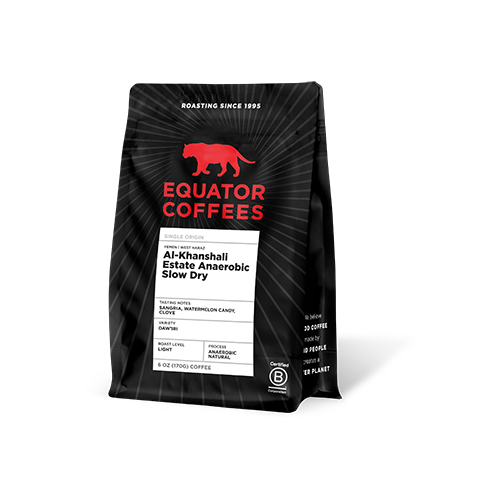
- The Legacy of Mokhtar Alkhanshali: Equator Coffees’ inclusion of the Yemen Al-Khanshali Estate Anaerobic Slow Dry connects coffee drinkers directly to the historic coffee revival documented in Dave Eggers’ New York Times best-selling book, The Monk of Mokha. The anaerobic natural method applied by Mokhtar’s team highlights how traditional lands can leverage modern processing science.
- Championing Equity with Joe Coffee Company: Through initiatives like Café Feminista, roasters are actively shifting focus toward structural equity. Joe Coffee utilizes its platform to amplify women producers who challenge systemic industry barriers, proving that ethical purchasing models are just as vital as cup quality.
- Pioneering Processing in Unconventional Regions: Mr. Espresso’s spotlight on Java Garut demonstrates the changing landscape of Indonesian coffee. Grown in volcanic loam soil in West Java at 4,000 feet, utilizing a natural process on varieties like Catimor and Typica, this coffee challenges preconceived notions about Southeast Asian flavor profiles by yielding vibrant tasting notes of passion fruit and kiwi.
- Direct Relationships in Guji and Oaxaca: Blueprint Coffee continues its long-standing partnership with Ture Waji of Sookoo Coffee in Ethiopia’s remote Guji zone, ensuring that natural processing yields exceptionally clean, fruit-forward cups. Similarly, Night Swim Coffee’s Oaxacan box set dives into the genetic lineage of native Mexican varieties like Pluma alongside Geisha, celebrating regional biodiversity.
Implications for the Specialty Coffee Industry
The diversity of this global coffee showcase points toward several broader economic, environmental, and cultural implications for the specialty coffee sector:
- Consumer Sophistication and Demand for Transparency: As coffee drinkers become increasingly knowledgeable about processing methods—such as anaerobic fermentation, honey processing, and the Sugar Cane decaffeination method—roasters are compelled to provide granular details about origin, varietal, and elevation. This transparency builds deeper consumer trust and justifies premium price points for micro-lots.
- Climate Adaptability and Emerging Origins: The inclusion of stellar offerings from Java, Ecuador, and Yemen highlights the industry’s ongoing decentralization. As traditional growing belts face climate pressures, the successful cultivation and processing of high-scoring specialty coffees in diverse microclimates ensure a more resilient global coffee supply chain.
- Mission-Driven Consumerism: Collaborative projects—ranging from public broadcasting fundraisers like Portland Coffee Roasters’ OPBEANS to equity-driven programs like Joe Coffee’s Café Feminista—demonstrate that modern coffee consumers expect their daily brew to align with their social values. Roasters who successfully integrate social responsibility into their sourcing models are best positioned to build long-term brand loyalty.
- The Blending Renaissance: While single-origin micro-lots capture headlines for their wild experimental flavor profiles, the enduring popularity of expertly crafted blends—such as Madcap’s Eureka, Devoción’s Verano, and Olympia’s Big Truck—proves that year-round consistency, balance, and versatility remain foundational pillars of the roasting business.