By Michael Greger, M.D., FACLM
Published: October 1, 2026 (Updated: September 30, 2026)
For decades, the humble fenugreek seed (Trigonella foenum-graecum) has remained a staple in kitchens across South Asia and the Mediterranean, prized for its distinct, aromatic warmth and its peculiar ability to impart a maple-syrup-like scent to human sweat and urine. While culinary traditions have leaned on these seeds for centuries, modern clinical research is beginning to unveil a much more profound narrative. Beyond adding depth to spice blends, fenugreek is emerging as a powerful, scientifically validated modulator of human hormones, offering natural interventions for everything from athletic performance and sexual vitality to menopausal relief, dysmenorrhea, and lactation.
Main Facts: Unlocking the Endocrine Potential of Fenugreek
The hormonal benefits of fenugreek extend far beyond the superficial realm of muscle-bulking testosterone boosts, though its anabolic capabilities remain a foundational pillar of its modern reputation. In controlled clinical settings, researchers have begun validating what traditional herbalists have claimed for generations: this common seed interacts intricately with the human endocrine system.
At its core, fenugreek acts as a natural booster of vital sex hormones, specifically testosterone and estradiol, without many of the hazardous side effects synthetic hormone replacements carry. Clinical trials examining young men given fenugreek capsules over eight-week periods demonstrated significant improvements in upper- and lower-body strength, optimized body composition, and notable reductions in overall body fat percentage.
Crucially, these performance enhancements are closely tied to measurable increases in total blood testosterone. Unlike pharmaceutical interventions that often present a litany of severe cardiovascular and hepatic risks, the primary documented side effect of fenugreek supplementation is entirely benign—and oddly sweet: a distinct maple syrup aroma in bodily excretions.
Chronology: From Ancient Spice to Modern Clinical Trials
The journey of fenugreek from ancient folk remedy to a subject of rigorous, peer-reviewed scientific scrutiny spans decades of preclinical observation and recent human trials.
- Early Preclinical Investigations (Late 2000s): Initial animal studies provided the first mechanistic clues regarding fenugreek’s impact on the body. Investigations involving immature, castrated rats suggested that the plant’s muscle-bulking and anabolic properties were directly tied to androgenic activity, pointing toward testosterone modulation.
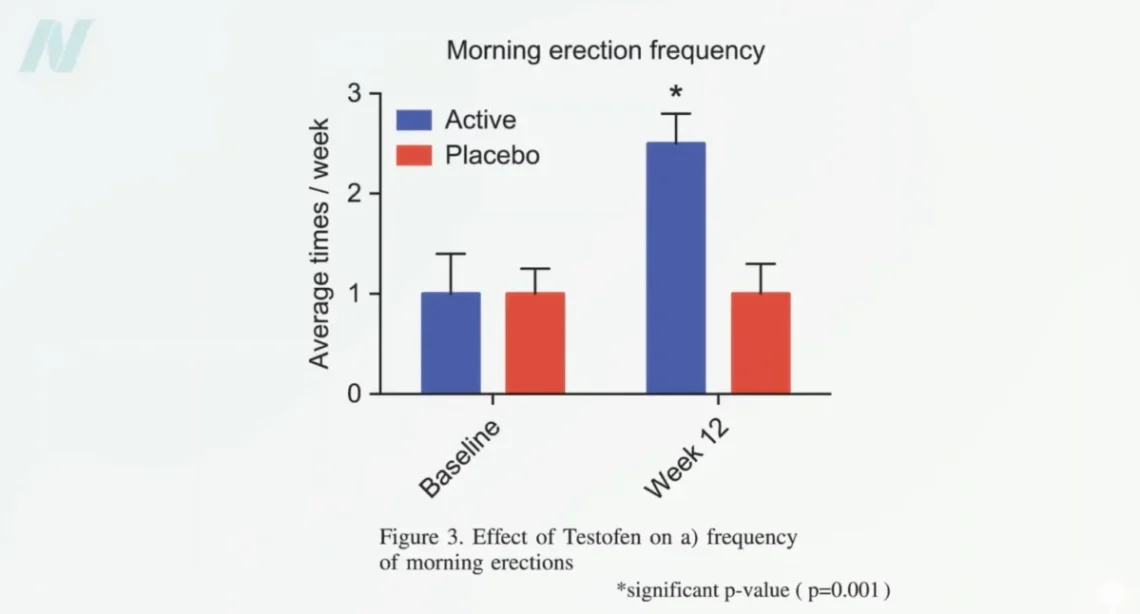
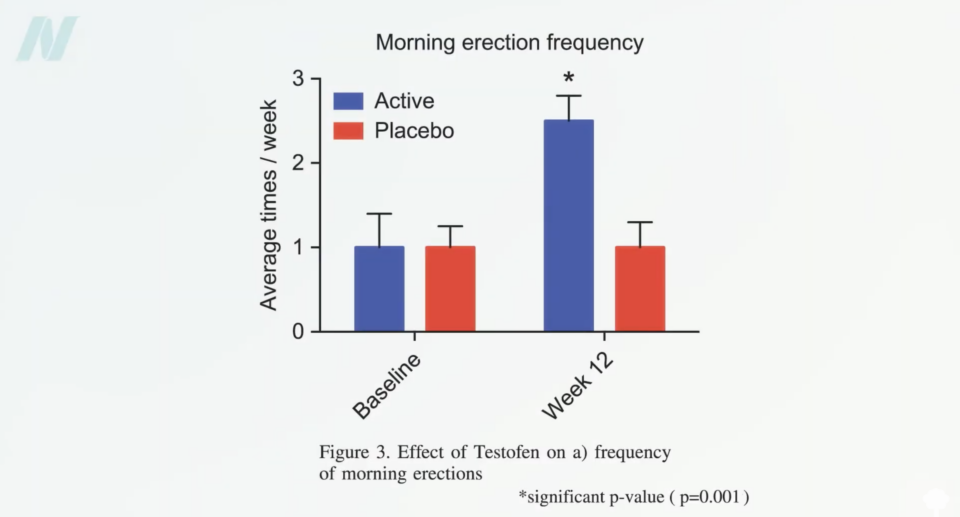
- The Male Strength and Vitality Breakthrough (2010–2016): Researchers transitioned from animal models to human trials. A landmark 2010 study randomized young men to sugar pills versus fenugreek capsules, recording significant gains in physical strength and body fat reduction. Subsequent randomized controlled trials (RCTs) definitively confirmed a significant boost in total blood testosterone levels among male subjects, alongside clinically observed improvements in sexual function, such as a doubling of morning erections.
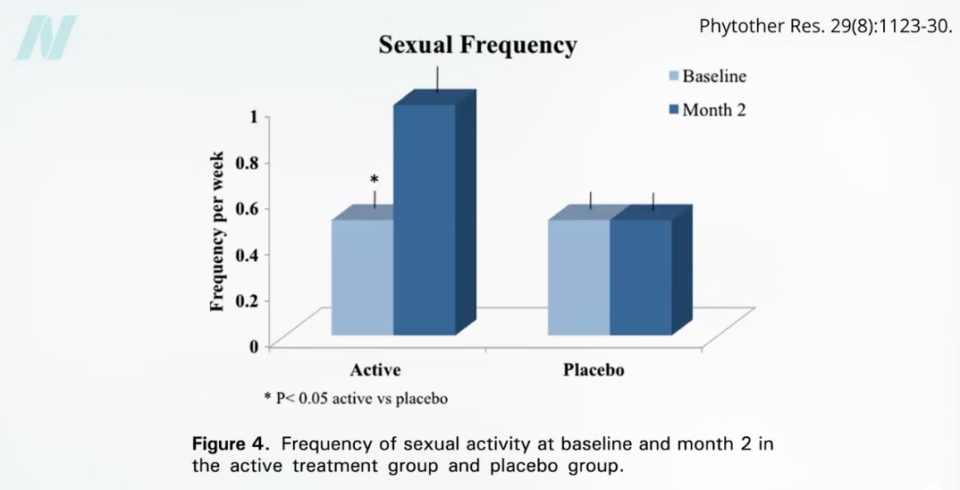
- Expanding Horizons into Women’s Health (2015–2018): As male trials proved successful, clinical focus shifted toward women’s endocrinology. Studies isolating specialized seed extracts (Libifem) began tracking the effects of fenugreek on healthy menstruating women. Researchers observed parallel increases in testosterone and estradiol, translating directly to enhanced sexual desire and doubled sexual activity compared to placebos.
- Menopause, Menstrual Pain, and Lactation (2017–Present): Double-blind, placebo-controlled trials broadened the scope further. Studies in 2017 and 2018 evaluated de-husked seed extracts for menopausal symptoms, documenting profound reductions in hot flashes and night sweats. Simultaneously, trials using basic, inexpensive fenugreek powder successfully targeted dysmenorrhea (painful periods) and milk production in lactating mothers, cementing the seed’s versatility across the human lifespan.
Supporting Data: What the Clinical Trials Reveal
The scientific validity of fenugreek rests on a robust foundation of randomized, double-blind, placebo-controlled trials. The quantitative metrics recorded across various demographic groups highlight the compound’s efficacy:
1. Male Endocrine Function and Strength
In trials tracking male subjects, standardized fenugreek extracts consistently elevated free and total testosterone. This hormonal uptick translated into measurable physical data over eight-week interventions:
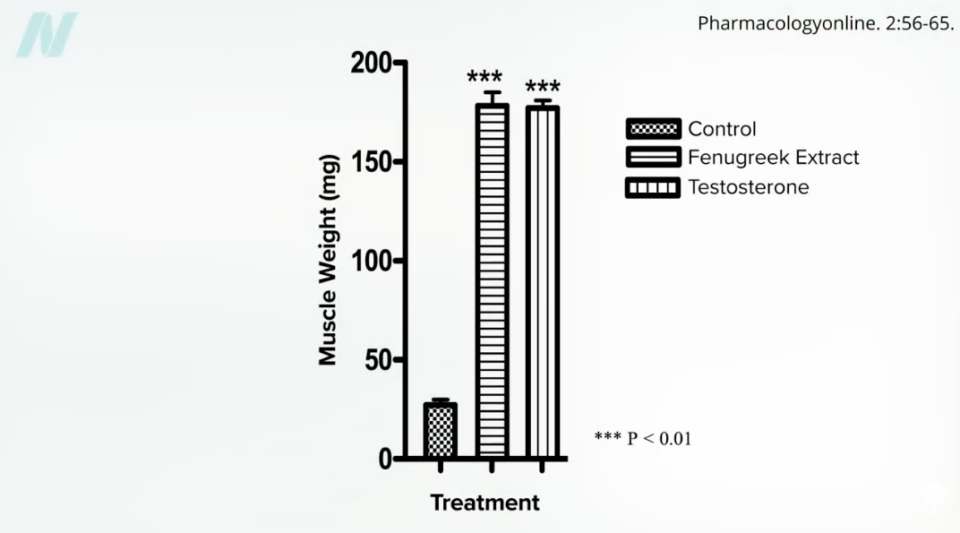
- Significant enhancement in upper-body and lower-body strength metrics.
- Favorable shifts in body composition, highlighted by a statistically significant reduction in body fat percentage.
- A documented doubling in the frequency of morning erections, serving as a primary clinical marker for restored sexual vitality.
2. Female Sexual Health and Menopausal Relief
While synthetic testosterone patches for women have historically raised clinical red flags concerning blood clots and long-term cardiovascular safety, botanical alternatives have offered a safer profile.
- Sexual Desire: Clinical observation of healthy menstruating women taking specialized fenugreek seed extracts showed significant concurrent increases in testosterone and estradiol, culminating in roughly a doubling of self-reported sexual activity compared to placebo groups.
- Menopausal Symptoms: A 12-week double-blind, randomized, placebo-controlled trial evaluating de-husked fenugreek seed extract demonstrated a significant reduction in menopausal symptoms across every measured domain. Most notably, participants experienced a 50% reduction in the weekly frequency of hot flashes and night sweats.
3. Alleviating Dysmenorrhea (Painful Periods)
Perhaps one of the most accessible applications of fenugreek involves everyday seed powder rather than proprietary, high-cost extracts. Researchers evaluated simple store-bought fenugreek powder administered via capsules.
- Dosage: Participants took approximately one-third of a teaspoon, three times a day, exclusively during the first three days of their menstrual cycle.
- Cost Efficiency: At roughly 5 cents per dose, this intervention yielded profound results.
- Symptom Relief: Beyond a significant decrease in cramp pain, participants reported secondary improvements in associated symptoms, including reduced fatigue, fewer headaches, and decreased nausea.
4. Natural Lactation Support (Galactagogue Efficacy)
The term galactagogue—a substance that promotes or increases the flow of breast milk—may sound like a biological novelty, but fenugreek’s performance is remarkably potent. In a randomized, double-blind, placebo-controlled trial, breastfeeding women consumed a synergistic herbal blend:
- Less than a quarter teaspoon of fenugreek powder.
- Less than a quarter teaspoon of ground ginger.
- Approximately one-sixteenth of a teaspoon of turmeric.
- Results: This simple daily regimen doubled milk production within a month, showing an approximate 50% increase by week two and a 100% increase by week four.
Official Responses and Medical Consensus
While the clinical data supporting fenugreek is compelling, the medical community maintains a balanced perspective, emphasizing both its remarkable therapeutic potential and its necessary safety parameters.
Leading integrative physicians and clinical researchers point out that fenugreek represents a rare intersection of affordability, accessibility, and high clinical efficacy. Unlike patented pharmaceutical interventions that carry extensive adverse event profiles, standard fenugreek powder offers a low-risk profile for the general population.
However, medical authorities issue a unified cautionary note regarding specific demographics. Due to robust laboratory animal data indicating that fenugreek compounds possess the potential to stimulate uterine contractions, fenugreek seeds and extracts should strictly be avoided during pregnancy. While these findings stem primarily from animal models, clinical consensus dictates an abundance of caution: pregnant individuals should refrain from heavy fenugreek supplementation to prevent any risk of pre-term uterine stimulation.
Implications: A Low-Cost Paradigm Shift in Natural Wellness
The validation of fenugreek through modern clinical trials carries profound implications for the future of preventative medicine, sports nutrition, and endocrinology.
In an era where healthcare costs continue to skyrocket, the discovery that a pantry staple costing mere cents per dose can alleviate debilitating menstrual cramps, naturally boost flagging testosterone, mitigate severe menopausal vasomotor symptoms, and safely double lactation output is nothing short of revolutionary. It democratizes wellness, proving that potent biochemical interventions do not always require synthetic engineering or prohibitive financial investments.
Furthermore, fenugreek’s multi-systemic efficacy challenges the reductionist approach of modern pharmacology. Rather than designing isolated chemical agents to target a single receptor, nature has packaged within the fenugreek seed a complex matrix of compounds capable of harmonizing hormonal fluctuations across both male and female physiologies.
As clinical research progresses, fenugreek stands poised to transition from an alternative remedy to a mainstream, evidence-based recommendation in clinical guidelines. For patients and practitioners alike, the humble fenugreek seed offers a compelling reminder: sometimes, the most effective therapeutic tools are those we have shared our tables with for millennia.